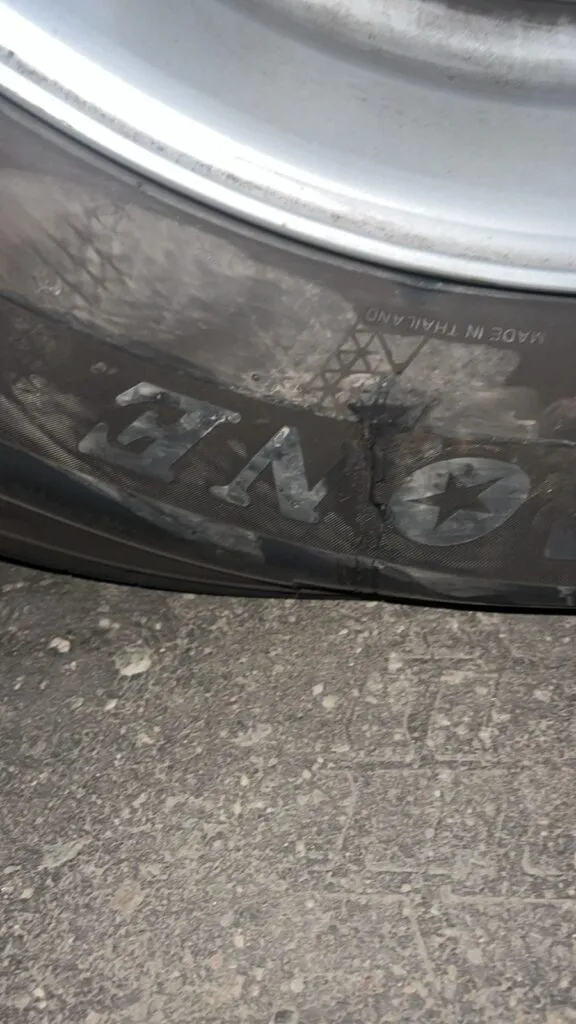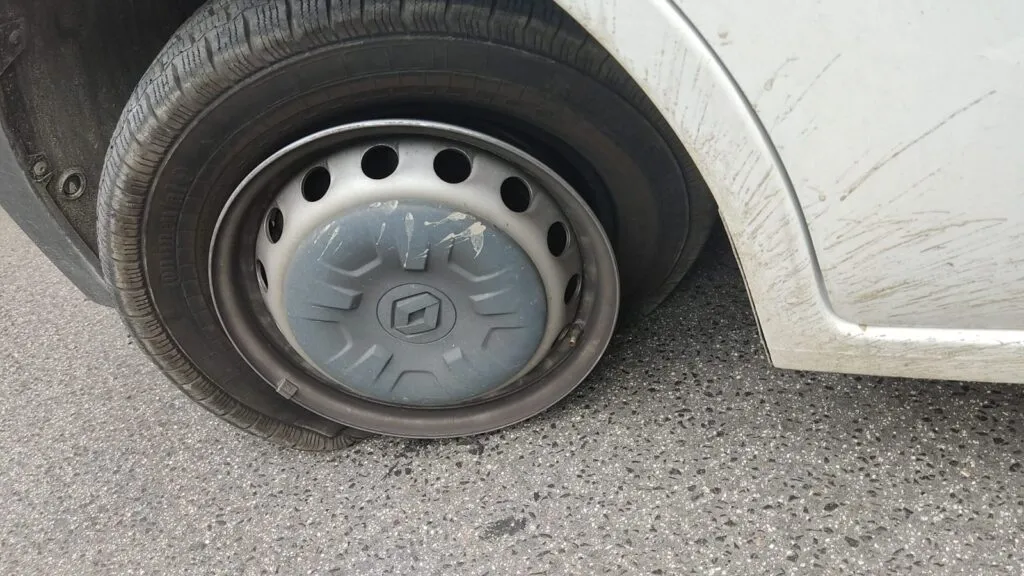
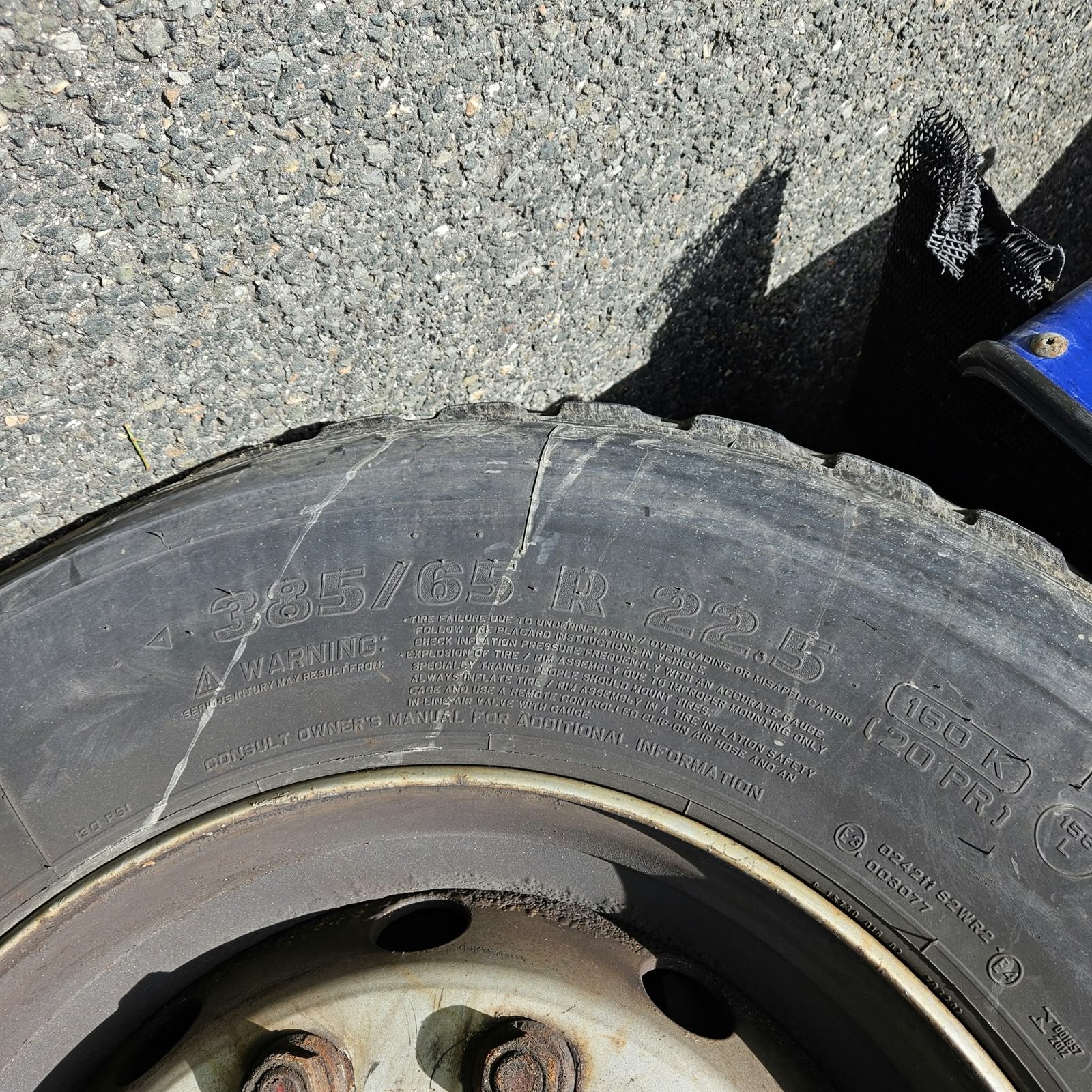
When a truck tyre fails on the motorway, every minute counts. Not just for the driver, but for the entire supply chain. A blown tyre isn’t just a minor inconvenience-it can trigger a cascade of delays, safety risks, and financial losses. On 17 September 2026, a heavy-duty trailer tyre suffered catastrophic damage on the A6 near Hockenheim, forcing an emergency stop on a hard shoulder. The vehicle, a semi-trailer unit with no identifying marks, was stranded with a 385/65 R22.5 tyre on the rear axle severely compromised. The sidewall was cracked, the casing exposed, and the tread frayed. Without immediate intervention, the risk of axle failure, wheel detachment, or secondary damage to the hub and suspension rose sharply.
This is where professional mobile truck tyre service becomes not just helpful-but essential. LKWHelp24 responded within 15 minutes of the call, dispatched a specialist team from the regional network, and completed the full tyre replacement and safety inspection in just 145 minutes. The total cost? €960 (net), including a new tyre, labour, and disposal. By comparison, a single day of downtime for a heavy freight vehicle can cost between €800 and €1,200-making prompt repair not just a logistical necessity, but a financial imperative.
The incident highlights why professional roadside assistance is more than a convenience: it’s a vital component of fleet resilience. In this case, the driver had already pulled off the motorway and secured the vehicle with warning triangles and hazard lights. But even with proper safety measures, the situation remained high-risk. A damaged tyre under load can fail suddenly, especially on high-speed roads. The pressure in commercial tyres typically ranges between 8.5 and 9.5 bar-any deviation can increase wear, reduce grip, and elevate the risk of blowouts. With the tyre’s structural integrity already compromised, further driving would have been dangerous.
This article walks through the entire emergency response: from the initial call to the final safety check. We’ll examine the technical details of the repair, the exact timeline, the cost breakdown, and why only trained professionals should handle such repairs on the road. Whether you’re a haulier, fleet manager, or independent driver, understanding the process and risks involved can help you make smarter decisions during a breakdown.
What Happened: A Critical Tyre Failure on the A6
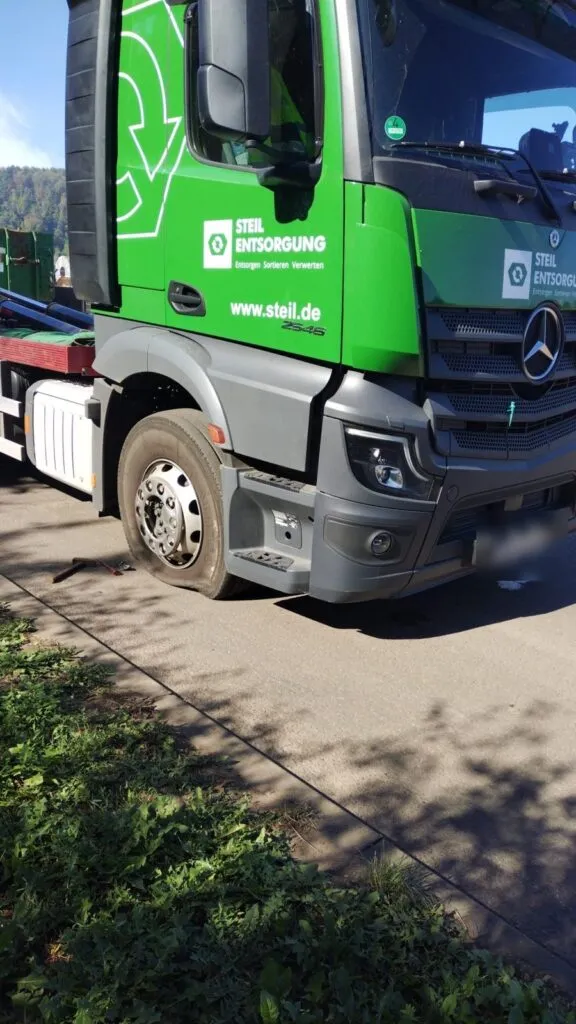
On the afternoon of 17 September 2026, a heavy-duty trailer on the A6 near Hockenheim began to show signs of trouble. The driver, operating a standard semi-trailer configuration, noticed a sudden vibration and a loud thumping sound coming from the rear axle. Upon checking, he discovered that the tyre on the rear axle-specifically a 385/65 R22.5 tyre-had suffered extensive damage to its sidewall. The rubber was cracked, the internal casing was exposed, and the tread was frayed and disintegrating.
The damage was not a simple puncture. Instead, the tyre had sustained deep, longitudinal and transverse cracks in the shoulder and sidewall regions. These cracks originated from repeated stress, possibly due to overloading, improper inflation, or a hidden defect in the tyre’s construction. The outer casing had split open, revealing the reinforcing steel belts beneath. One edge of the tread was completely torn away, and a fragment of the internal mesh was found on the road surface nearby. The wheel was still rotating, but the structural integrity was compromised-any further driving risked a sudden blowout or wheel detachment.
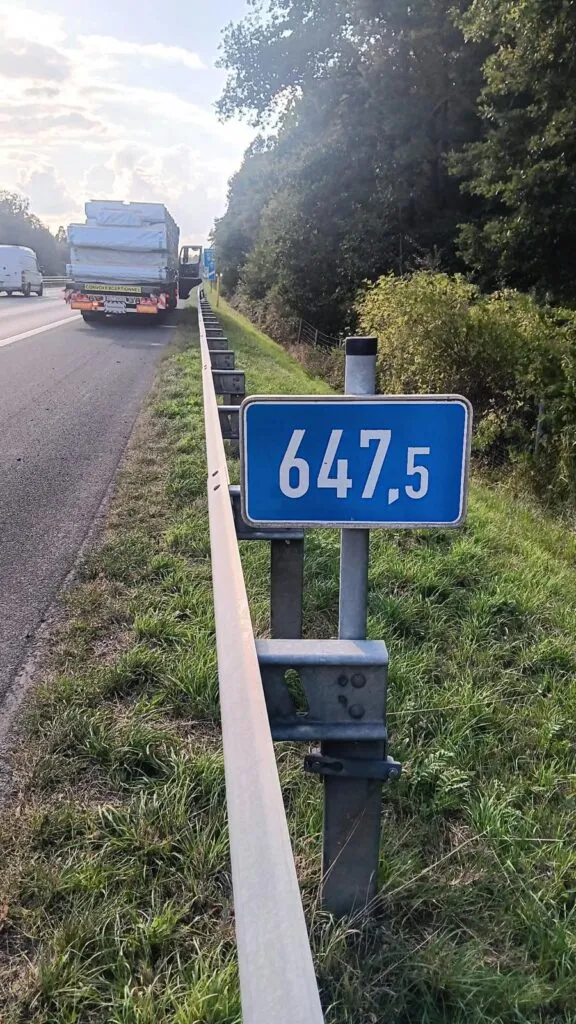
At 12:40, the driver contacted LKWHelp24 via emergency hotline. He reported the issue, described the damage, and confirmed he had safely pulled onto a layby adjacent to the A6, near the Hockenheim exit. He had activated the hazard lights, placed warning triangles, and stood clear of the vehicle. The location was confirmed as a designated rest area on the A6 in Baden-Württemberg, between the Heilbronn and Stuttgart directions. No traffic was obstructed, but the situation required immediate attention.
The type of damage observed-especially the exposed casing and torn tread-indicates a failure beyond repair. According to the German Road Traffic Licensing Regulations (§ 36 StVZO), any tyre with visible structural damage, exposed cords, or split sidewalls must be replaced immediately. Continuing to drive on such a tyre is illegal and poses a serious safety risk. The vehicle was now in a state of operational limbo: unable to move safely, yet not yet requiring towing.
This is the precise moment when mobile truck tyre service becomes indispensable. Without professional intervention, the driver would have had to wait for a tow truck, possibly hours, and then face additional costs and delays for a garage visit. In contrast, LKWHelp24’s rapid response ensured the vehicle could return to service within just over two hours-minimising downtime and preventing secondary damage.
How the Emergency Response Was Organised
When the call came in at 12:40, the LKWHelp24 dispatch team immediately initiated the emergency protocol. The first step was to verify the details: the location (A6 near Hockenheim), the type of vehicle (semi-trailer), and the nature of the fault (tyre damage on the rear axle). The driver confirmed the tyre size: 385/65 R22.5, a common specification for heavy trailers in Europe.
Using real-time data from their national partner network, the dispatcher identified the closest available mobile service team. The nearest qualified crew was based in Mannheim, approximately 50 km away. Given the time of day-midday traffic on a major German motorway-the estimated arrival time was 13:45. The dispatcher also checked the availability of a replacement tyre in the correct size, confirming that a new 385/65 R22.5 tyre was in stock at the Mannheim workshop.
Once the team was assigned, the driver was briefed on what to expect: the team would arrive within 65 minutes, bring all necessary tools, and carry out the full replacement on-site. They were instructed to keep the hazard lights on, remain visible, and avoid moving the vehicle unless absolutely necessary. The team also confirmed that they would perform a full inspection of the wheel hub, axle, and rim-common practice after a major tyre failure to prevent future breakdowns.
The entire coordination process-from call to dispatch-was completed in just 15 minutes. This speed is possible due to LKWHelp24’s integrated network of 24/7 mobile technicians across Germany. Each team is equipped with a fully stocked van containing tyre changers, hydraulic jacks, torque wrenches, pressure gauges, and spare tyres. They are trained not only in tyre replacement but also in vehicle safety, emergency procedures, and damage assessment.
By 12:55, the team had left Mannheim. Traffic conditions were moderate, with no major congestion reported on the A6. The journey took 50 minutes, arriving at the scene at 13:45. The response time-65 minutes from call to arrival-falls within the average range for mobile truck tyre services on German motorways. In rural areas or during peak hours, this may extend to 70–90 minutes, but in this case, the timing was optimal.
On-Site Assessment and Safety Procedures
Upon arrival at 13:45, the LKWHelp24 team followed a strict safety and inspection protocol. The first action was to secure the site. Two wheel chocks were placed behind the front wheels of the trailer to prevent unintended movement. The vehicle was already on a flat, dry surface with no incline, but the chocks provided an extra layer of safety. The team also deployed a warning triangle and a high-visibility safety vest for each member.
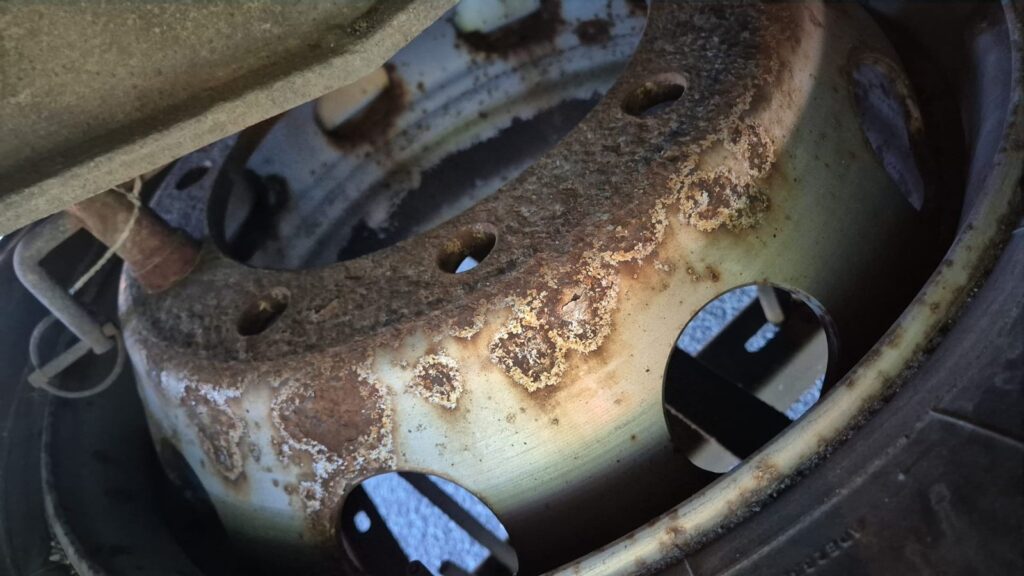
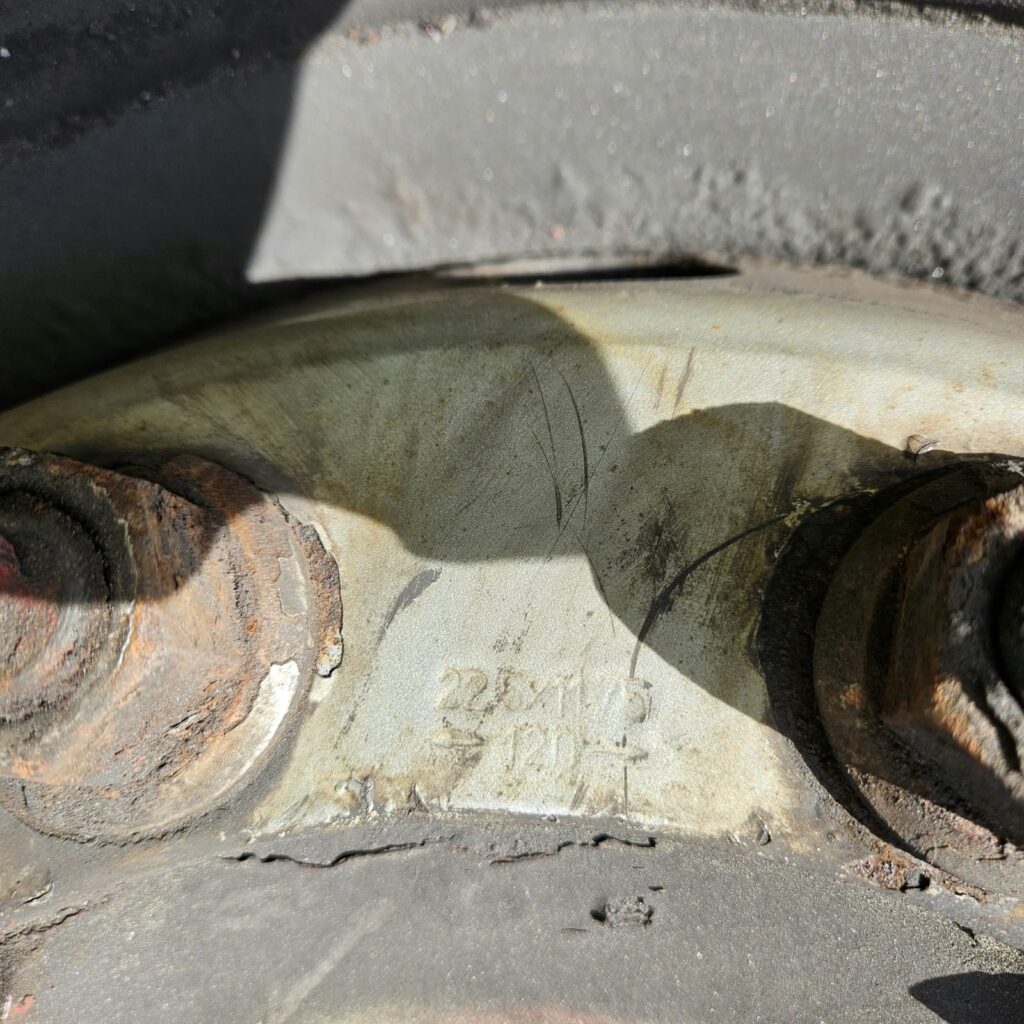
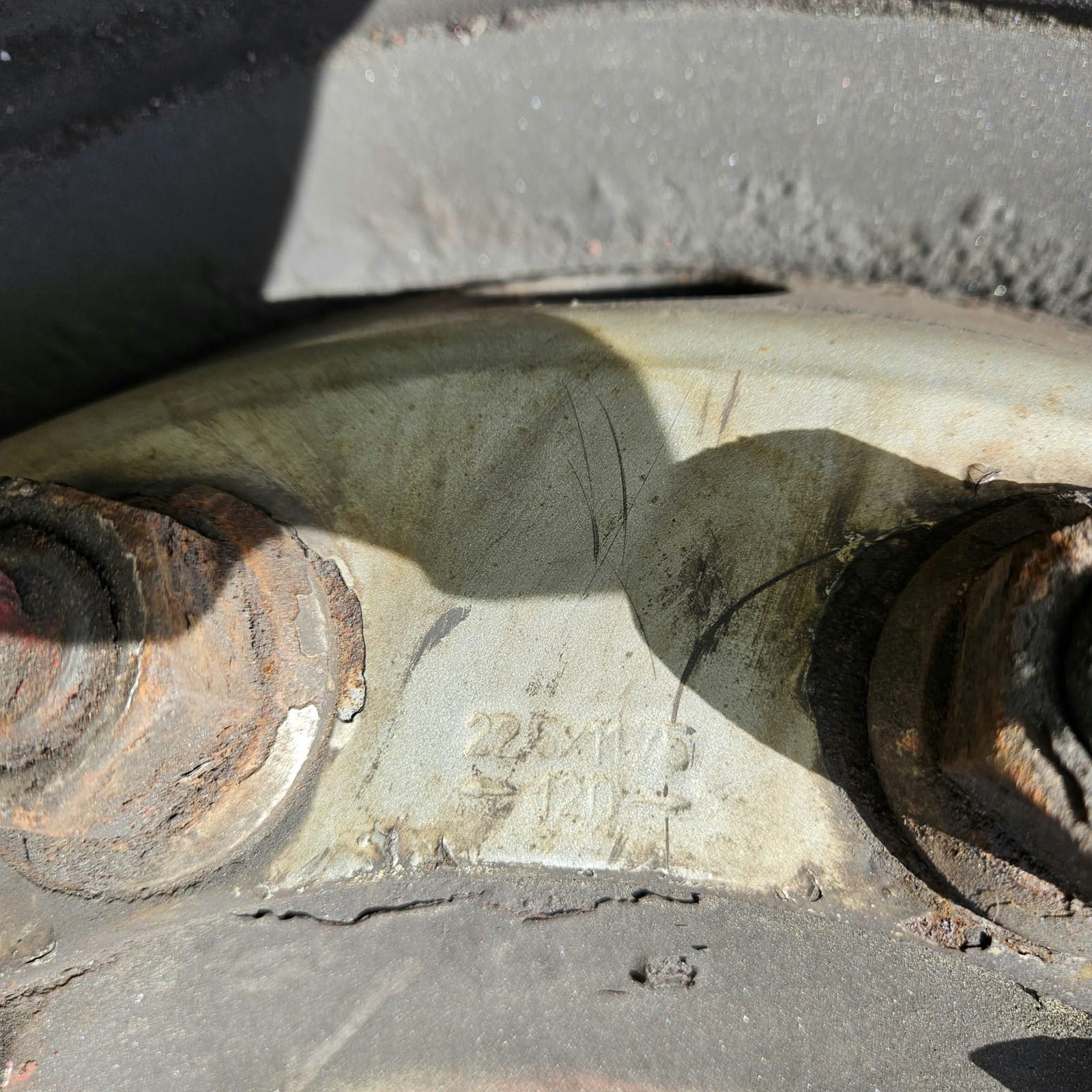
The technician then conducted a visual and tactile inspection of the damaged tyre. The 385/65 R22.5 tyre showed multiple deep cracks in the sidewall, particularly in the shoulder area. The tread edge was frayed, and the internal steel belts were visibly exposed. The rim (Stahlfelge) showed signs of corrosion-rust on the lug nuts and bolt holes-but no visible deformation or cracks. The hub (Radnabe) was inspected for play or misalignment. No damage was found, but the technician noted that the corrosion was significant enough to recommend a full inspection at the next scheduled maintenance.
The team also checked the tyre pressure using a calibrated gauge. The pressure was measured at 8.7 bar-within the normal range for a 385/65 R22.5 trailer tyre. This ruled out underinflation as the primary cause. However, the structural damage meant the tyre could not withstand further load, even at correct pressure. The decision was made: replacement was mandatory.
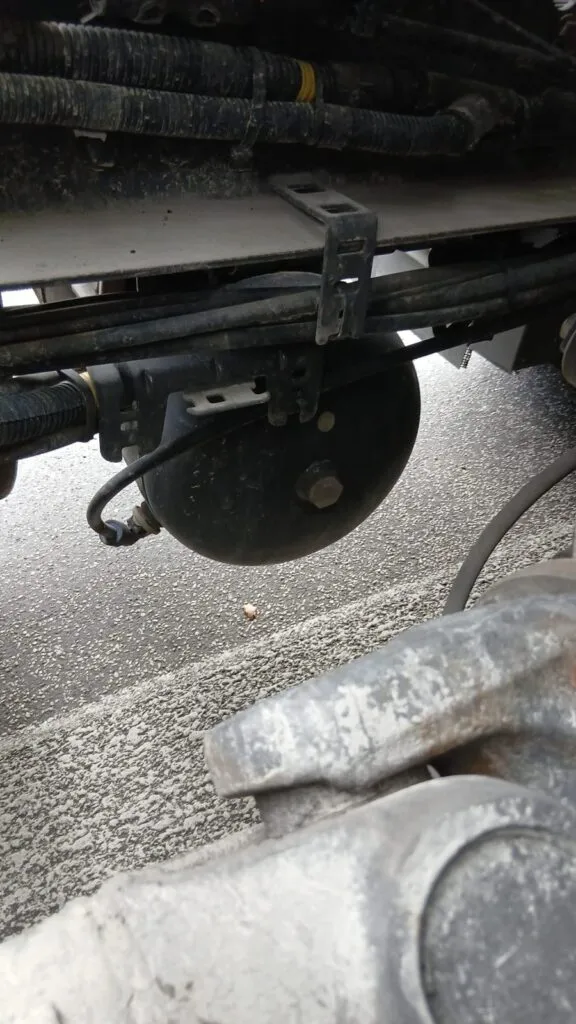
The technician then performed a preliminary check of the wheel hub and axle. The bearing housing showed no play, and the axle shaft rotated smoothly. The bolts (Radbolzen) were intact, though some were slightly loose-likely due to vibration during the failure. A torque check was scheduled for after the new tyre was fitted.
At 14:00, the team began documenting the damage. They took high-resolution photos of the tyre, rim, hub, and axle from multiple angles. These images were timestamped and stored in the LKWHelp24 digital case file. The photo documentation is critical for insurance claims, fleet maintenance records, and internal quality control.
Step-by-Step Tyre Replacement Process
The actual repair began at 14:12 and was completed by 15:05. Here’s a detailed breakdown of the five key steps:
Step 1: Tyre Removal
The technician used a pneumatic impact wrench to loosen the lug nuts. The wheel was then lifted with a hydraulic jack positioned under the axle beam. The wheel was carefully removed and placed on the ground. The damaged tyre was then peeled off the rim using a tyre lever. The technician inspected the inner liner and bead area for debris or damage.
Step 2: Rim and Hub Inspection
With the tyre off, the rim was examined for cracks, warping, or corrosion. The technician used a flashlight to check the bead seat and spoke holes. No structural damage was found, but rust was present on the bolt threads. The hub was cleaned with a wire brush and inspected for play or wear. The bearing was found to be in good condition.
Step 3: New Tyre Mounting
The new 385/65 R22.5 tyre was prepped by inflating it to 40% of its maximum pressure (approximately 3 bar) to allow easier mounting. The technician used a tyre mounting machine to fit the tyre onto the rim. The bead was carefully seated using a bead breaker and a mallet. The tyre was then fully inflated to 8.5 bar (the recommended pressure for this size) inside a tyre cage to prevent sudden deflation.
Step 4: Wheel Reassembly and Torque Check
The wheel was reinstalled on the hub. The lug nuts were hand-tightened first, then torqued in a star pattern-alternating between opposite nuts-to ensure even pressure. The final torque was set to 250 Nm, as specified by the vehicle manufacturer. This step is crucial: uneven tightening can cause warping, uneven wear, or even wheel detachment.
Step 5: Final Safety Check
After reassembly, the technician performed a final inspection. The tyre pressure was double-checked. The wheel was rotated manually to confirm smooth movement. The hub was checked for any resistance or noise. All safety equipment was retrieved, and the site was cleared. The driver was given a printed service report, including the date, time, tyre specifications, and inspection notes.
Full Timeline: From Call to Completion
| Time | Phase | Action |
|---|---|---|
| 12:40 | Call Received | Driver reports tyre damage on A6 near Hockenheim |
| 12:40–12:55 | Dispatch & Coordination | Location confirmed, team assigned, spare tyre verified |
| 12:55–13:45 | Travel to Site | 50-minute journey from Mannheim to Hockenheim |
| 13:45–14:00 | Site Safety & Inspection | Chocks placed, hazard lights on, visual and tactile checks |
| 14:00–14:12 | Photographic Documentation | High-res images of tyre, rim, hub, and axle taken |
| 14:12–14:30 | Demounting | Old tyre removed, rim and hub inspected |
| 14:30–14:55 | Mounting & Inflation | New tyre mounted, inflated to 8.5 bar, hub reassembled |
| 14:55–15:05 | Final Check & Departure | Pressure verified, torque rechecked, site cleared |
Total time from call to departure: 145 minutes (2 hours 25 minutes)
Time to arrival: 65 minutes
Time spent on site: 75 minutes
Actual repair time: 45 minutes
This timeline reflects real-world conditions: traffic delays, safety procedures, and thorough inspection. In ideal circumstances, a similar job could be completed in under 90 minutes-but safety and compliance take priority.
Cost Breakdown: What You Pay for Professional Service
| Position | Price (EUR) |
|---|---|
| Call-out / Anfahrt (day rate) | 240 |
| New 385/65 R22.5 tyre (trailer) | 480 |
| Labour: 2 hours × €110/hour | 220 |
| Disposal of old tyre | 20 |
| Total | 960 |
All prices are net (excluding VAT). This includes all tools, materials, and expert labour. The cost of a new 385/65 R22.5 trailer tyre typically ranges from €480 to €620, depending on brand and load rating. The 220 EUR for labour reflects the high skill level required: proper torque, alignment, and inspection.
For comparison, the cost of a full day of downtime for a heavy freight truck can range from €800 to €1,200. This includes lost revenue, penalties, delivery delays, and administrative costs. By completing the repair on-site in under 2.5 hours, LKWHelp24 saved the haulier over €800 in potential losses. In many cases, the service cost is less than one day of idle time.
Why DIY Repairs Are Dangerous
Attempting a tyre change without professional training is risky. Here’s why:
- Improper torque: Over-tightening can crack the hub or warp the rim. Under-tightening risks wheel detachment at high speed.
- Incorrect alignment: Misaligned wheels cause uneven wear, poor handling, and increased fuel consumption.
- Damaged components ignored: A cracked hub or worn bearing can lead to axle failure if not detected early.
- Safety hazards: Working on a hard shoulder without proper lighting or barriers increases the risk of secondary accidents.
- Legal liability: Driving a vehicle with a repaired or replaced tyre that doesn’t meet safety standards can result in fines or insurance rejection.
Only trained technicians with certified tools should perform on-site repairs. LKWHelp24’s team holds valid certifications in mobile repair, vehicle safety, and emergency response.
Typical Scenarios We Handle Across Germany
Our mobile truck tyre service responds to a wide range of emergencies, including:
- Blowouts on motorways (A1–A9)
- Sidewall damage due to potholes or debris
- Tread separation or casing exposure
- Tyre bursts from overloading or high-speed travel
- Flat tyres on trailers or car carriers
- Emergency replacements during night shifts or winter conditions
We serve all types of vehicles: semi-trailers, rigid trucks, car carriers, refrigerated units, and heavy haulers. Our network covers every federal state in Germany, from Hamburg to Munich, and from the Rhineland to the Baltic coast.
Proactive Maintenance Tips for Drivers and Fleets
To avoid breakdowns, follow these best practices:
- Check tyre pressure weekly-ideal range: 8.5–9.5 bar for trailer tyres
- Inspect tread depth monthly-minimum 1.6 mm (per § 36 StVZO)
- Avoid overloading-check load index and speed rating (e.g., 160 K = 3,500 kg at 160 km/h)
- Replace tyres after 6 years, regardless of wear
- Use only OEM or approved brands: Michelin, Continental, Goodyear, Bridgestone
- Schedule regular inspections at authorised workshops
Regular maintenance reduces the risk of roadside failures by up to 70%.
Why Choose LKWHelp24?
- 24/7 availability-emergency service any time, any day
- Nationwide network-teams within 60 minutes of most locations
- Transparent pricing-no hidden fees, all costs itemised
- Multilingual dispatchers-support for international drivers
- Full documentation-digital reports, photo evidence, service history
- Compliance with German law-adherence to StVZO, StVO, and industry standards
Our team is trained, insured, and equipped for every scenario.
The Role of the Trailer Axle and Hub in Heavy-Duty Safety
The axle and hub assembly on a semi-trailer is not just a structural support-it’s a critical safety system designed to handle extreme loads, constant vibration, and high-speed rotation. In this case, the damaged 385/65 R22.5 tyre was mounted on a rear axle that typically carries a static load of 10,000 to 14,000 kg, depending on the trailer configuration. The axle beam itself is constructed from high-tensile steel, designed to resist bending under weight and torsion during cornering. However, even minor damage to the wheel hub or mounting components can compromise its integrity over time.
The wheel hub (Radnabe) is the central component that connects the axle to the wheel. It houses the wheel bearing, which must rotate smoothly under heavy loads while maintaining precise alignment. In this incident, the hub showed no visible deformation or play, but the technician noted significant corrosion on the lug bolt threads. This level of rust-common in wet or salty environments-can weaken the grip between the bolt and hub, increasing the risk of loosening during operation. Even a small reduction in clamping force can lead to uneven load distribution, accelerated wear, and potential hub failure.
The bolts (Radbolzen) themselves are made from alloy steel and are designed to withstand shear forces exceeding 100,000 N. They are tightened to a precise torque value-250 Nm in this case-to ensure even load transfer across the entire wheel assembly. Any deviation from the manufacturer’s specification can cause warping of the disc, uneven tyre wear, or even catastrophic failure. The fact that all bolts were present and undamaged in this instance was a positive sign, but the team still recommended a full inspection during the next scheduled maintenance.
For fleet operators, regular inspection of the axle and hub system is non-negotiable. This includes checking for cracks, rust, bearing play, and proper torque on all fasteners. The use of torque wrenches with calibration certificates is essential-never rely on “feel” or impact guns alone. A properly maintained axle system can extend tyre life by up to 15% and reduce the risk of sudden failure by over 60%.
Tyre Specifications and Load Capacity: What the Numbers Mean
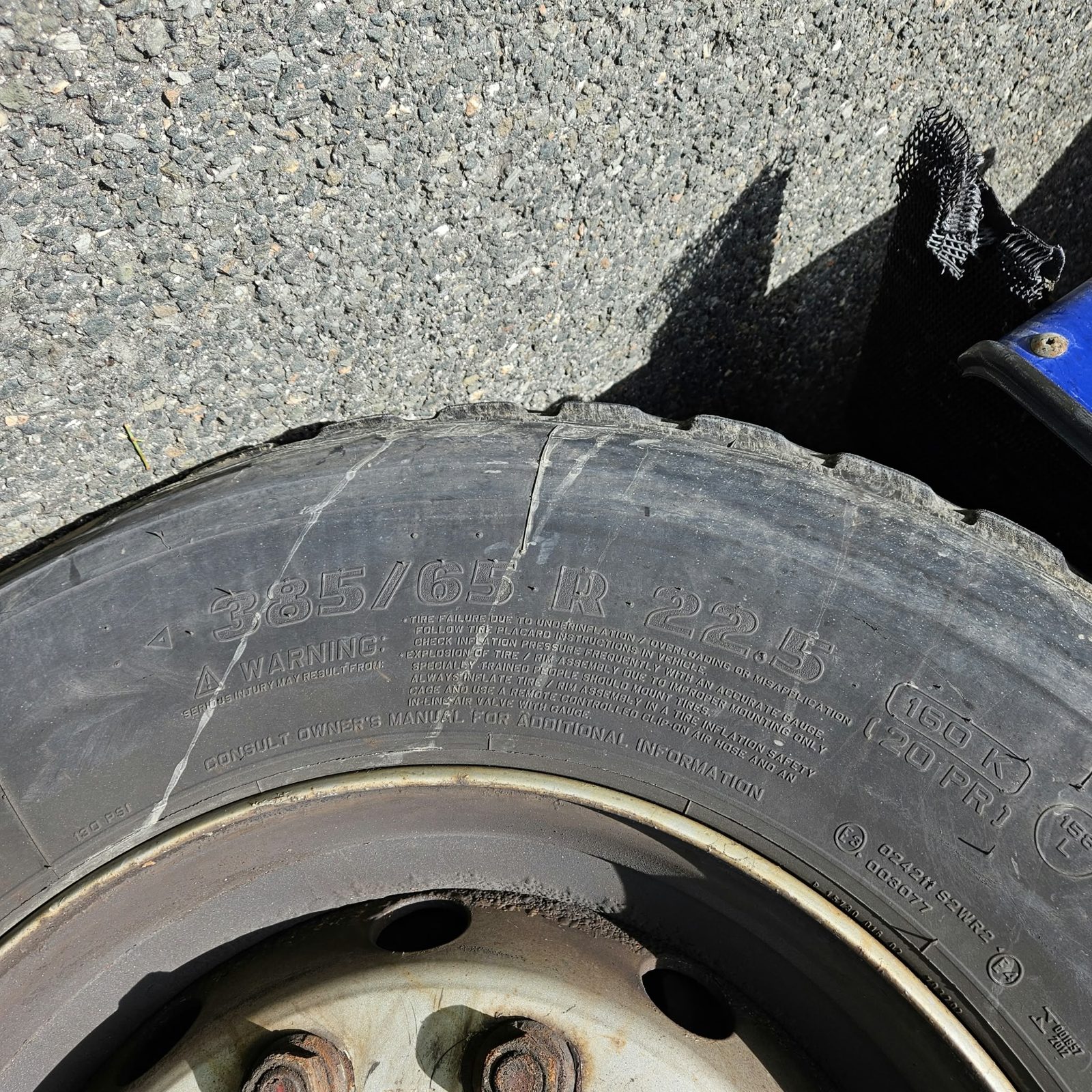
The 385/65 R22.5 tyre involved in this repair is a standard specification for heavy-duty trailer applications in Europe. Let’s break down what each part of the designation means and why it matters for safety and performance.
- 385: This is the nominal section width in millimetres-the width of the tyre’s tread when mounted on a rim. A wider tread improves stability and load distribution, especially at high speeds.
- 65: This is the aspect ratio-the height of the sidewall as a percentage of the width. A 65 series tyre has a sidewall height of 249 mm (65% of 385 mm). Lower aspect ratios provide better handling but are more sensitive to road imperfections.
- R: Indicates radial construction, the standard for modern truck tyres. Radial tyres offer superior durability, fuel efficiency, and heat resistance compared to bias-ply designs.
- 22.5: The rim diameter in inches-this matches the standard 22.5-inch wheel used on most European trailers and heavy trucks.
The markings on the sidewall also carry critical information:
– 160 K: This is the load index and speed rating. A load index of 160 corresponds to a maximum load capacity of 3,500 kg per tyre. The speed rating “K” means the tyre is rated for a maximum speed of 160 km/h-important for motorway use.
– 20 PR: Ply rating of 20, indicating the tyre is built to withstand heavy-duty use. This is not a literal number of plies but a measure of strength.
– 130 PSI: Maximum recommended pressure in pounds per square inch-equivalent to about 8.9 bar. This value should never be exceeded, as overinflation reduces traction and increases the risk of blowouts.
According to ETRTO (European Tyre and Rim Technical Organisation) standards, tyres must meet strict requirements for uniformity, durability, and heat resistance. A tyre with a damaged casing, as seen here, fails these criteria regardless of pressure. Even if the pressure is correct, the structural failure means it cannot safely carry its rated load.
For fleet managers, ensuring that tyres are correctly specified for the vehicle’s load and speed requirements is essential. Using a tyre with a lower load index or speed rating than required can result in fines, insurance claims denial, and increased risk of accidents.
Preventive Measures for Fleet Managers and Hauliers
Preventing breakdowns isn’t just about reacting to problems-it’s about anticipating them. For fleet operators, a structured maintenance programme is the most effective way to reduce downtime and extend asset life. The key lies in data-driven monitoring, consistent checks, and proactive replacement.
First, implement a digital tyre management system. Track tyre pressure, tread depth, and wear patterns using sensors or manual logs. Many modern trailers now come with TPMS (Tyre Pressure Monitoring Systems), which can alert drivers to underinflation in real time. Even without sensors, weekly visual checks should include:
– Measuring tread depth with a tread depth gauge (minimum 1.6 mm required by law)
– Inspecting sidewalls for cracks, bulges, or cuts
– Checking for embedded stones or debris
– Verifying that the rim is clean and free of rust or warping
Second, follow a strict replacement schedule. Even if a tyre appears usable, it should be replaced after six years from the date of manufacture (DOT code on the sidewall). Rubber degrades over time, becoming brittle and more prone to failure-even if the tread is still deep.
Third, train drivers in early detection. A driver who notices unusual vibrations, noise, or steering imbalance should stop safely and inspect the vehicle immediately. Delaying action can turn a minor issue into a major failure.
Finally, standardise tyre brands and sizes across the fleet. Using consistent tyres from trusted manufacturers-such as Michelin, Continental, Goodyear, or Bridgestone-ensures predictable performance, easier procurement, and better warranty support. These brands offer extended warranties, technical support, and data analytics tools for fleet managers.
By adopting these practices, hauliers can reduce unscheduled breakdowns by up to 75%, improve fuel efficiency, and enhance overall safety.
Compliance and Legal Requirements in German Road Traffic Law
Driving with a damaged tyre is not just risky-it’s illegal under German law. The StVZO (Straßenverkehrs-Zulassungs-Ordnung), specifically § 36, sets strict standards for tyre condition and safety. Any tyre with a cracked or split sidewall, exposed cords, or tread separation must be replaced immediately. The regulation also mandates a minimum tread depth of 1.6 mm across the entire circumference and width of the tyre. Failure to comply can result in fines up to €1,500 and vehicle immobilisation.
Additionally, § 15 StVO governs emergency stops on motorways. Drivers must move their vehicle to a safe location, activate hazard lights, and place warning triangles at least 100 metres behind the vehicle. The use of high-visibility vests and reflective clothing is mandatory when working on the hard shoulder.
The StVO § 15a further regulates towing and recovery operations. Only authorised and insured service providers may perform towing or wheel replacement on public roads. This ensures that only qualified personnel handle heavy vehicles and that all procedures follow safety protocols.
For foreign drivers, these rules apply equally. Many international hauliers are unfamiliar with German regulations, which is why LKWHelp24 offers multilingual support. Our dispatchers speak English, Polish, Russian, and other languages commonly used in freight transport.
In this case, the driver followed all legal procedures correctly-pulling off the motorway, securing the site, and calling for help. This reduced the risk of secondary accidents and ensured a smooth intervention. Compliance isn’t just about avoiding fines-it’s about protecting lives.
Summary: Key Facts from the Case
- Vehicle type: Semi-trailer (no make/model)
- Location: A6 near Hockenheim, Baden-Württemberg
- Tyre size: 385/65 R22.5 (trailer)
- Damage: Severe sidewall cracking, exposed casing, frayed tread
- Response time: 65 minutes
- Total repair time: 145 minutes (2h 25m)
- Cost: €960 (net)
- Second-hand damage: None (hub, axle, rim intact)
- Recommendation: Schedule a full inspection at next maintenance
Need Immediate Help? Call Us Now
If your truck breaks down on the motorway, don’t wait. Contact LKWHelp24 for fast, professional, and reliable mobile truck tyre service across Germany.
📞 +49 160 5753826
🌐 www.lkwhelp24.com
📍 24/7 – All of Germany
Keywords: truck tyre service | mobile reifenservice | truck tyre replacement | mobile truck tyre service | truck tyre change | trailer tyre service | truck tyre roadside assistance | truck tyre emergency | truck tyre breakdown service | truck tyre repair | tyre change near me | truck tyre help | truck tyre fitting | truck tyre fitters near me | truck tyre service near me | truck tyre service germany | truck tyre mobile service | truck tyre breakdown germany | truck tyre breakdown | truck tyre blowout | trailer tyre replacement | trailer tyre puncture | trailer flat tyre | reifenwechsel near me | pneuhage truck fleet support | pneuhage truck and bus services | pneuhage roadside assistance
Related Articles:
- Truck Tyre Service After a Trailer Blowout near Berlin: Air Spring Bellows Damaged, LKWHelp24 on the Job
- Winter Tyres for Trucks 2027: Rules, Safety and Breakdown Help
- Mobile Truck Tyre Service in Germany: 24/7 Emergency Help from 7.5t
- Tire Blowout on the Road? Mobile Tire Service 24/7
- Truck Tyre Service Near Me: How LKWHelp24 Replaced a Blown Drive-Axle Tyre in 1 Hour 40 Minutes on the A1 near Bremen