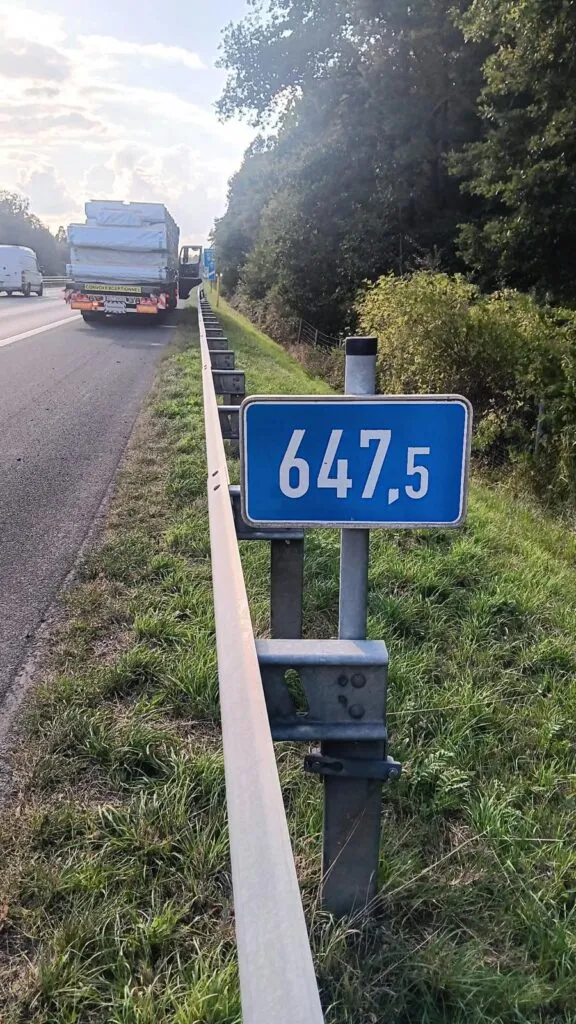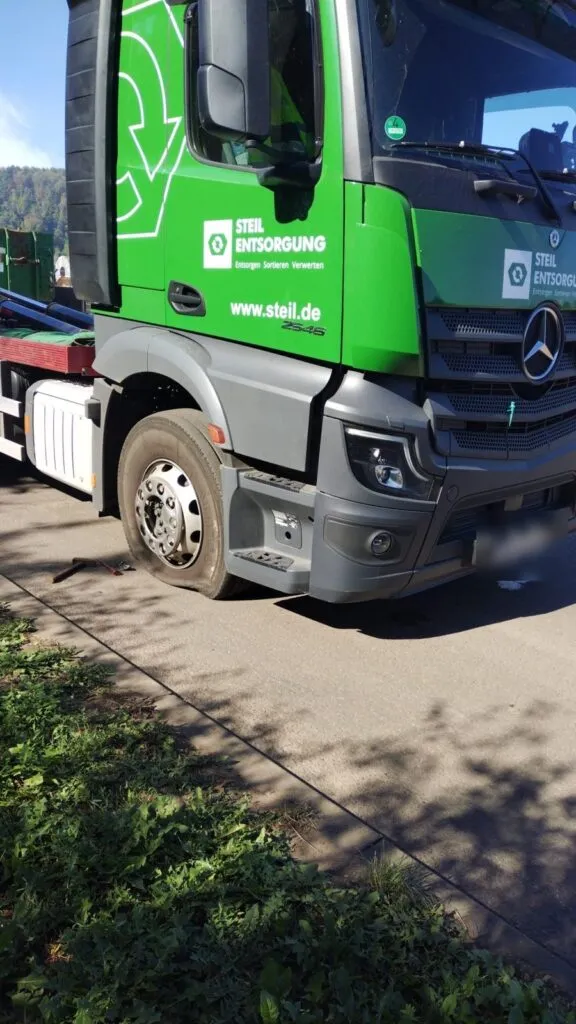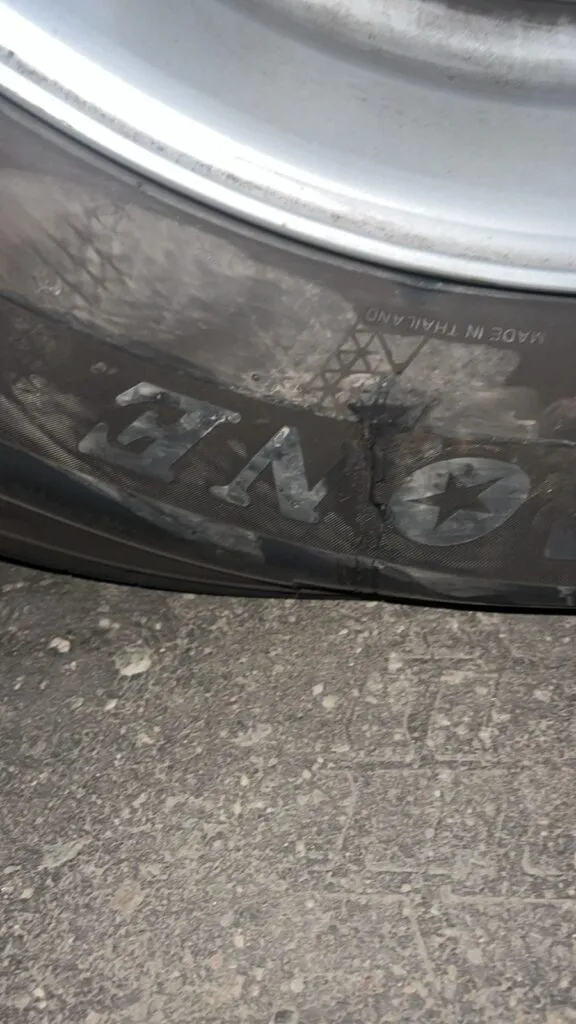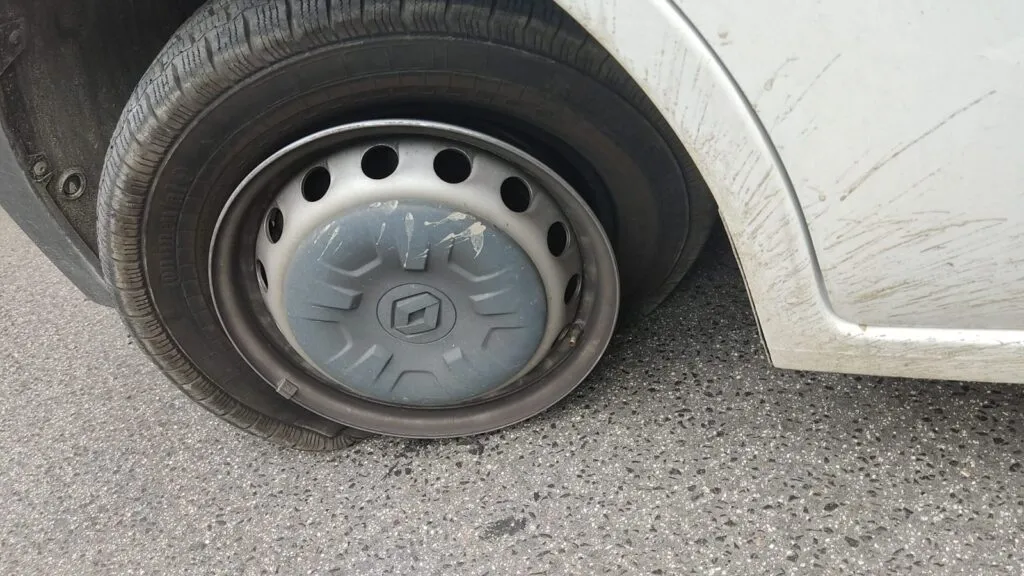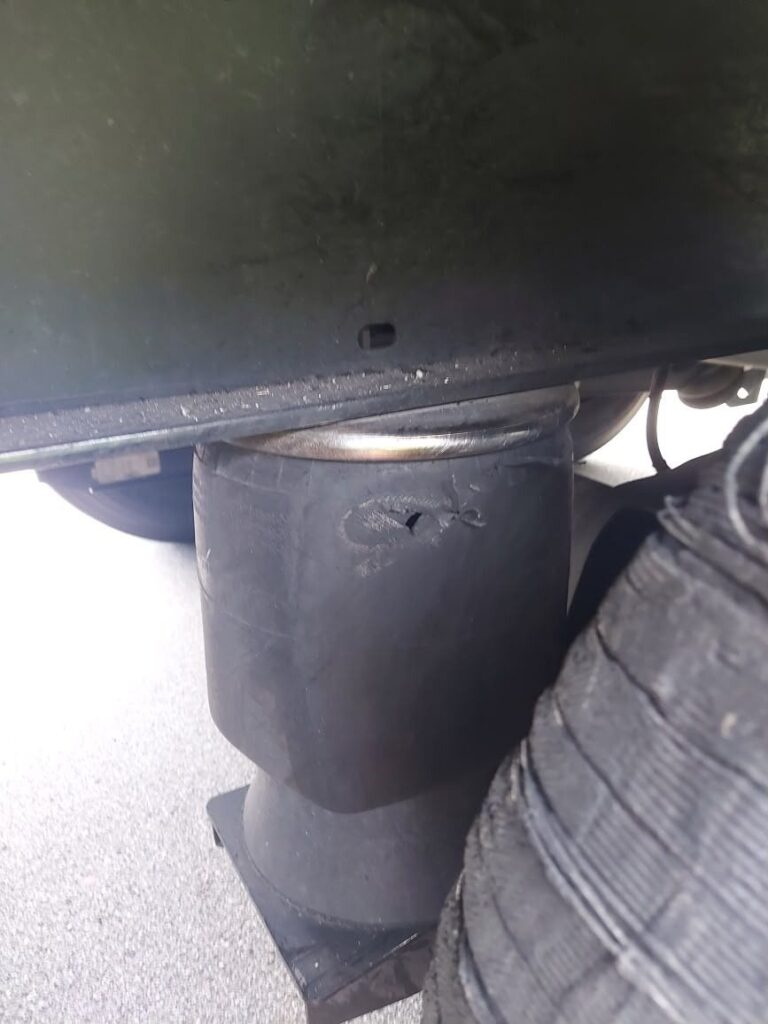
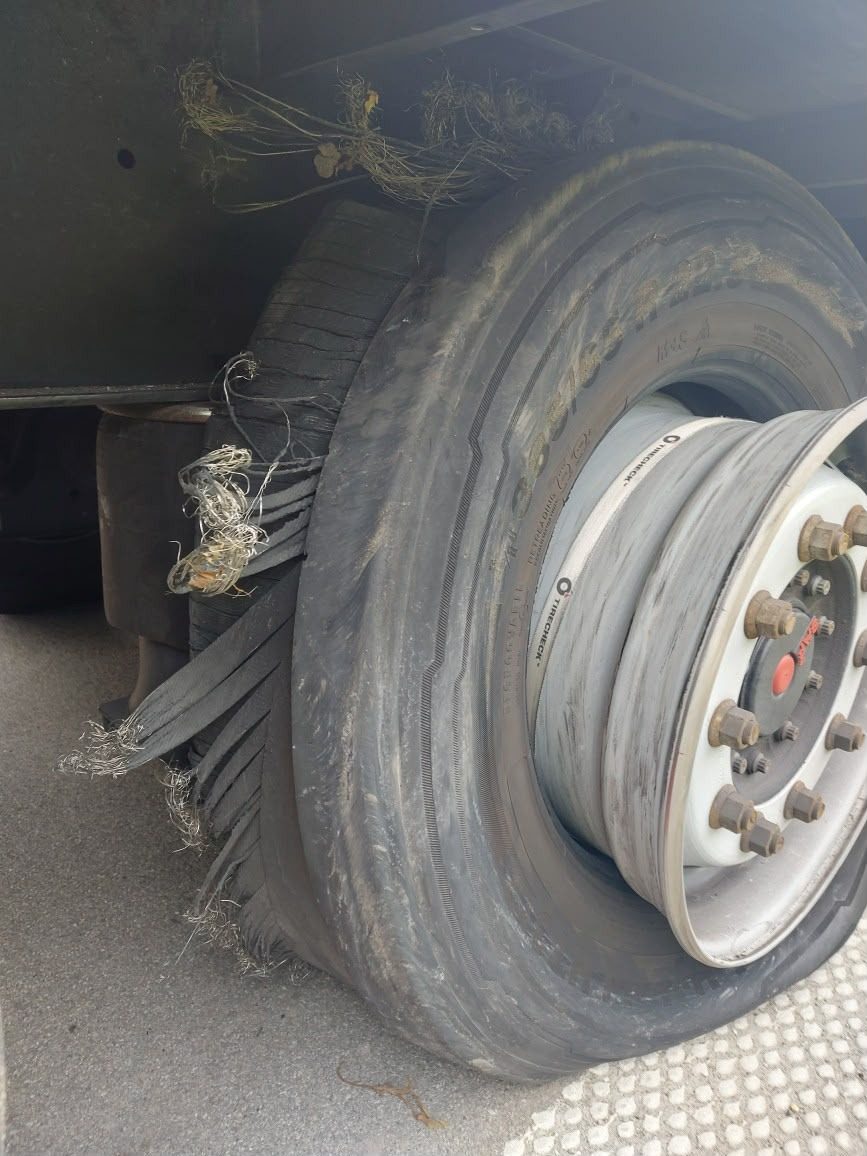
A blown tyre on a semi-trailer isn’t just an inconvenience-it’s a chain reaction of mechanical, safety, and financial risk. On 18 September 2026, around 10:00, a trailer driver on the A3 near Montabaur, Rhineland-Palatinate, experienced exactly that. The front tyre on the rear axle of his trailer suddenly ruptured while travelling at highway speed. The explosion wasn’t just loud-it was catastrophic. Fragments of the tyre’s steel cord tore through the sidewall and wrapped around the axle housing, dragging debris and damaging the adjacent air suspension bladder. The driver, aware of the danger, pulled over safely to a designated roadside parking area just off the motorway, activated hazard lights, and placed a warning triangle 100 metres behind the vehicle. His immediate concern was not just getting the trailer moving again, but ensuring the damage didn’t escalate-especially since the air spring had been compromised.
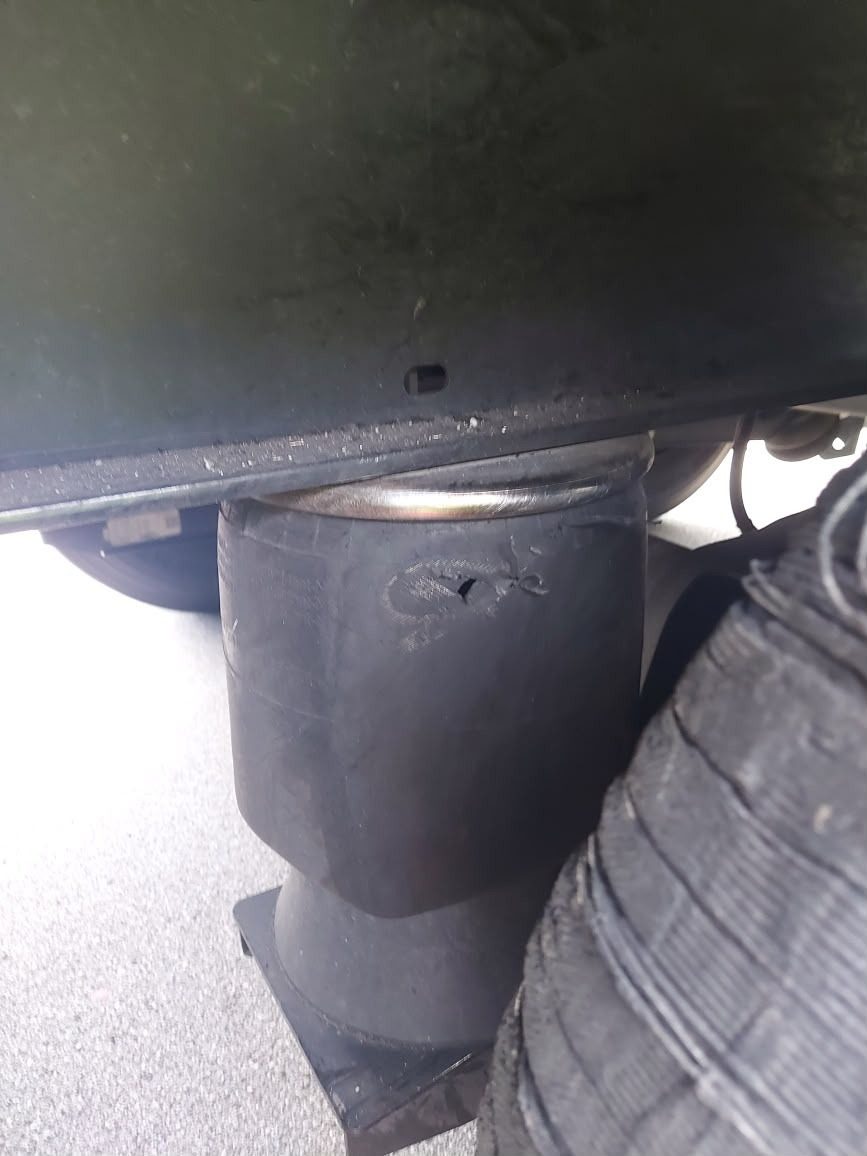
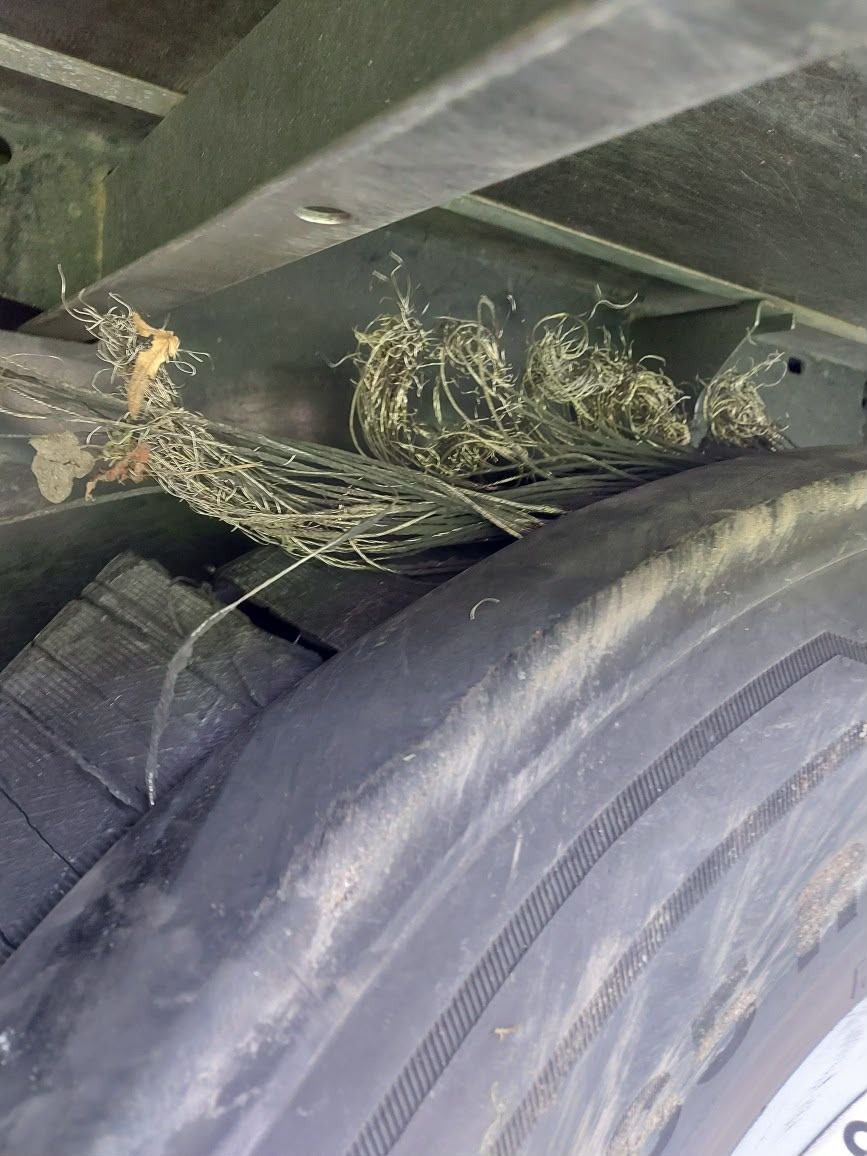
This case is a textbook example of how a single tyre failure can trigger secondary structural damage. The steel cord, meant to reinforce the tyre’s structure, became a dangerous projectile when the casing failed. In this instance, it wrapped around the axle beam, creating a serious risk of further mechanical stress, potential brake system interference, or even a full axle failure. The situation was urgent-not just for the driver’s safety, but also because every minute the vehicle remains stationary equates to lost revenue. According to industry benchmarks, a stopped truck can cost a haulage company between €800 and €1,200 per day in lost productivity, missed delivery windows, and contractual penalties. The faster the repair, the lower the financial impact.
What made this case particularly critical was not just the tyre failure, but the collateral damage to the pneumatic suspension system. Air springs are vital for ride comfort, load distribution, and handling stability. A punctured or torn bladder can lead to uneven weight transfer, increased wear on other components, and a higher risk of rollover, especially when the trailer is fully loaded. The driver had already checked the wheel rim and confirmed no visible cracks or deformation-good news-but the integrity of the air suspension had to be verified before any attempt to re-enter traffic. This is why a professional mobile service is essential. It’s not just about replacing a tyre; it’s about diagnosing and resolving all connected risks in one visit. That’s exactly what happened here: LKWHelp24 responded within 55 minutes of the initial call, arrived on-site, diagnosed both issues, and completed repairs in under two and a half hours.
What Happened: A Tyre Failure with Cascading Damage
The incident began at approximately 10:00 on the A3 near Montabaur, a major motorway artery connecting Cologne to the south. The vehicle involved was a standard semi-trailer, likely transporting goods such as machinery, industrial components, or retail stock-though the specific cargo is not disclosed for privacy and security reasons. As the trailer travelled at highway speeds, the rear axle tyre on the right side suffered a sudden, catastrophic failure. The cause was likely a combination of prolonged stress, overheating due to underinflation, or a hidden manufacturing defect in the tyre’s casing.
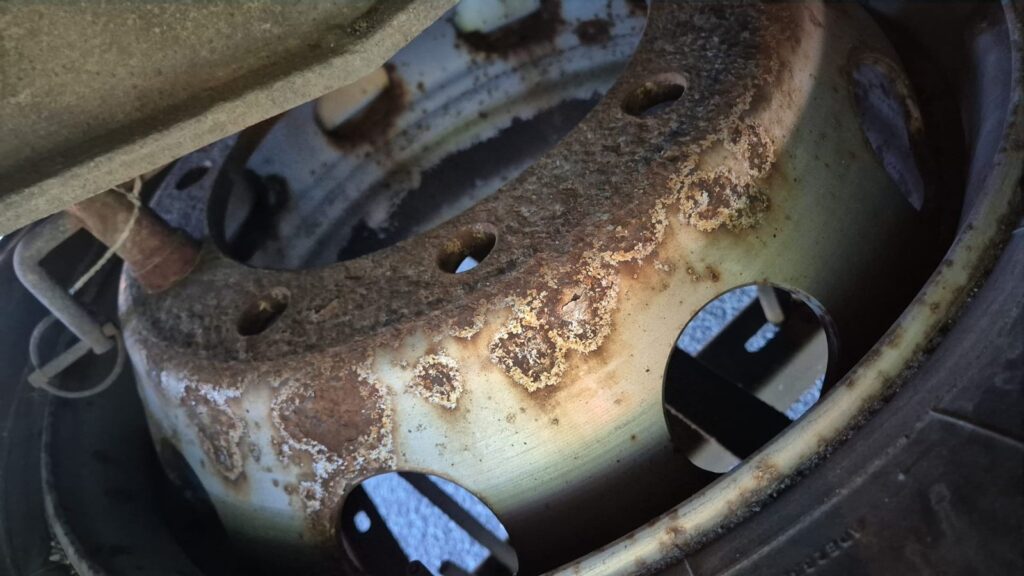
The tyre’s failure wasn’t a simple flat-it was a complete disintegration. The sidewall split open, and the internal steel cord-designed to prevent stretching and maintain shape-broke loose. Instead of remaining contained within the tyre, the cord tore out in long, jagged strands and became entangled around the axle beam. This is not a common occurrence, but when it happens, it’s extremely dangerous. The cord can act like a whip, damaging brake lines, suspension arms, or even the chassis. In this case, the cord caught on the outer edge of the axle housing and wrapped around it, creating a visible knot of steel. This is clearly visible in the photo titled truck breakdown service-reifen-detail, where the damaged cord is seen coiled in the wheel well.
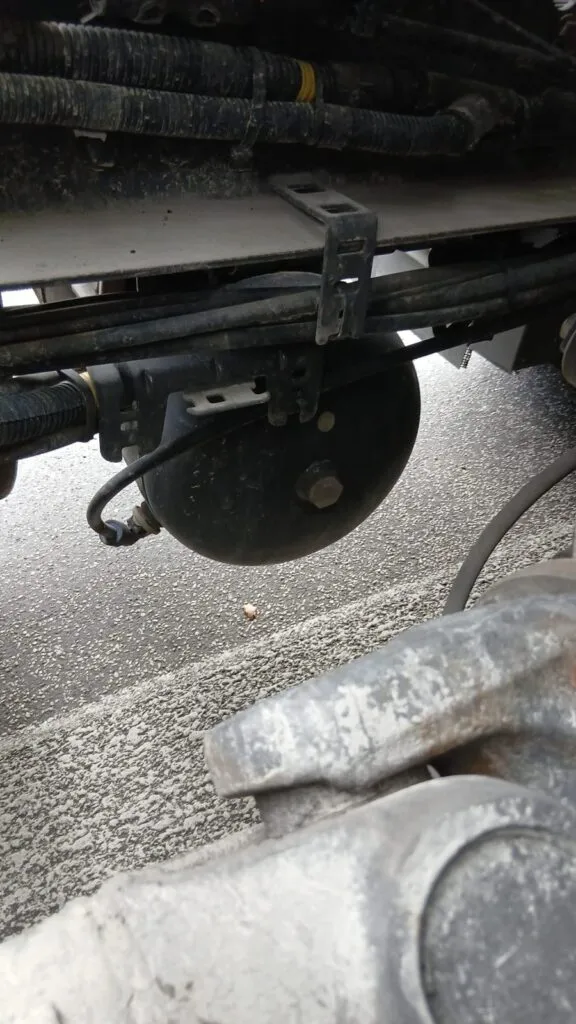
The second, often overlooked consequence was the damage to the air suspension bladder. The pneumatic air spring, located directly beside the damaged tyre, had been in close contact with the spinning, tearing cord. As the cord whipped past, it sliced through the rubber bladder, creating a small but critical puncture. This is confirmed by the image lkw achsvermessung-luftbalg-schaden, which shows a distinct tear on the side of the air spring. Even a minor leak in the bladder can cause the trailer to sag on one side, leading to improper weight distribution, increased tyre wear, and reduced stability during cornering or braking. If left unaddressed, this could result in a dangerous tilt or even a rollover.
The driver’s actions were textbook: he safely pulled off the motorway onto the designated parking area, turned on hazard lights, placed a warning triangle at least 100 metres behind the vehicle (as required by German law under §15 StVO), and remained inside the cab until help arrived. He did not attempt to drive on the damaged tyre, which would have worsened the damage and posed a severe risk to himself and other road users. The decision to stop and call for professional assistance was correct-and fast. The entire timeline from call to completion was just 140 minutes, proving that timely intervention can prevent both safety hazards and financial losses.
How We Organised the Emergency Response
When the call came in at 10:00, our central dispatch team immediately initiated the emergency protocol for a mobile truck tyre service. The first step was to verify the location and assess the severity. The driver described a loud bang followed by a hissing sound from the rear axle-classic signs of a tyre blowout and air suspension failure. Based on the description and the location (A3 near Montabaur), our system cross-referenced the nearest available service team from our partner network.
Within 15 minutes, we had identified a fully equipped mobile service unit stationed in the nearby district of Limburg. This team is part of our certified network of independent but vetted mechanics and technicians, trained in high-pressure roadside operations and equipped with all necessary tools, spare parts, and safety gear. They were dispatched immediately, with real-time tracking enabled so the driver could monitor their arrival.
During the 40-minute drive, the dispatcher maintained contact with the driver, providing updates and confirming that he remained safe and had not moved the vehicle. We also sent a digital checklist to the technician: standard procedures for tyre replacement, air suspension inspection, and safety protocols. The team was instructed to bring a replacement tyre of size 385/65 R22.5 (standard for many European trailers), a new air bladder, a wheel hub torque wrench, a portable air compressor, and a complete set of rim bolts.
The team’s arrival time was estimated at 10:55, which matched the actual timeline. The delay was minimal-only 55 minutes from the call, well within the 60–70 minute target for motorway incidents. The technician arrived with full safety equipment, including a high-visibility vest, reflective markers, and a portable work light. The response was not just fast-it was efficient, coordinated, and fully compliant with German road safety standards. No unnecessary delays, no confusion. Just a clear chain of command, precise communication, and a well-prepared team.
Why Ignoring the Damage Is Dangerous
It might be tempting to assume that replacing just the tyre is enough-but this case proves otherwise. Ignoring the damage to the air suspension system is a serious safety risk. A compromised air spring can lead to uneven load distribution, which in turn increases stress on the remaining tyres and suspension components. Over time, this can result in premature wear, reduced braking efficiency, and even loss of control during emergency manoeuvres.
Moreover, the tyre pressure in commercial vehicles must be carefully maintained. For a trailer with a 385/65 R22.5 tyre, the recommended pressure is typically between 8.5 and 9.5 bar, depending on the load and speed. Underinflation reduces tyre lifespan, increases fuel consumption, and raises the risk of overheating and blowouts. In this case, the driver had likely been operating at or below the recommended pressure, contributing to the failure.
The steel cord damage also indicates that the tyre’s internal structure had already been weakened. Even if the driver replaced the tyre and drove off, the risk of another failure was high-especially if the cord had damaged the rim or hub. A visual inspection of the wheel rim showed no cracks or deformation, which was good news. However, the rim’s inner lip had visible signs of friction from the cord, indicating that heat and abrasion had already occurred. This could compromise the seal between the tyre and the rim, leading to air leaks even after replacement.
Additionally, driving with a damaged air spring can cause the trailer to sag on one side, altering the alignment of the wheels and increasing steering effort. This not only affects handling but also puts extra strain on the steering components and the chassis. In extreme cases, it can lead to a full axle failure or a rollover, especially during sharp turns or emergency braking.
That’s why a full assessment is essential. A professional mobile service doesn’t just fix one thing-it checks everything. In this case, the technician inspected the axle, hub, brake calipers, and suspension arms. All were found to be in good condition, but the air bladder required immediate replacement. Addressing both issues simultaneously prevented future breakdowns and ensured the trailer was safe to return to the road.
Step-by-Step Repair Process: From Diagnosis to Final Check
Step 1: Site Safety and Initial Inspection (10:55–11:10)
Upon arrival, the technician first secured the site. He placed reflective cones and a warning triangle at the required distance from the vehicle, ensuring visibility for approaching traffic. He then performed a visual and tactile inspection of the damaged tyre and surrounding components. The steel cord was still partially wrapped around the axle beam. The technician carefully removed the loose fragments using insulated pliers and a scraper, ensuring no metal shavings remained in the wheel well.
He checked the wheel rim for cracks, warping, or burn marks. The rim was intact, but the inner edge showed scuffing from the cord. He noted this for future monitoring. He also inspected the brake disc and caliper, confirming no damage from the cord.
Step 2: Tyre Removal and Rim Inspection (11:10–11:30)
Using a hydraulic impact wrench, the technician loosened the wheel nuts. The tyre was then carefully removed from the rim. The inner side of the tyre showed complete separation of the casing from the tread, with the steel cord fully exposed. The technician examined the rim’s bead seat and confirmed it was clean and undamaged. He used a magnetic brush to remove any metal fragments.
Step 3: Installation of New Tyre (11:30–11:50)
The new 385/65 R22.5 tyre was mounted onto the rim. The technician used a bead breaker to ensure the tyre seated properly. He applied a thin layer of rubber lubricant to the bead to prevent damage during mounting. Once seated, the tyre was inflated to 8.5 bar for initial checking.
Step 4: Final Torque and Pressure Check (11:50–11:55)
The wheel nuts were tightened in a star pattern (cross-threaded) to ensure even pressure across the rim. The final torque was set to 320 Nm, as specified by the manufacturer for this type of trailer axle. The technician used a calibrated torque wrench to verify accuracy. The tyre pressure was then rechecked and adjusted to 9.0 bar-the optimal value for this load and speed category.
Step 5: Air Suspension Replacement (11:55–12:20)
The technician disconnected the air line from the damaged bladder and released the pressure. The old bladder was removed and replaced with a new one. The new bladder was fitted with a new air fitting and hose. The technician then reconnected the air line and tested for leaks using soapy water. No bubbles appeared-indicating a perfect seal.
The trailer was then raised slightly to relieve the load on the axle, and the air pressure was gradually increased to 9.0 bar. The technician monitored the air spring for swelling, sagging, or leaks. All readings were within tolerance.
Step 6: Final Verification (12:20)
The technician performed a final walk-around. He checked the tyre pressure, wheel nut torque, air suspension integrity, brake function, and overall alignment. He confirmed that the trailer was stable and ready to drive. The driver was given a brief safety briefing and advised to monitor the air pressure for the first 100 km.
Full Timeline: From Call to Completion
| Time | Phase | Action |
|---|---|---|
| 10:00 | Call Received | Driver reports tyre blowout and air hissing from rear axle |
| 10:00–10:15 | Dispatch & Planning | Location confirmed, nearest service team selected, parts pre-ordered |
| 10:15–10:55 | On the Way | Mobile team en route to A3 near Montabaur (40 min travel) |
| 10:55–11:10 | Site Assessment | Safety setup, damage inspection, cord removal |
| 11:10–11:55 | Tyre Replacement | Demount, inspect rim, mount new tyre, inflate, torque |
| 11:55–12:20 | Air Suspension Repair | Replace bladder, test for leaks, repressurise |
| 12:20 | Final Check & Handover | All systems verified, driver briefed, vehicle cleared for road |
Total time from call to departure: 140 minutes (2 hours 20 minutes)
This includes travel, diagnosis, repair, and final checks-well within the average 1.5–3 hour window for motorway incidents.
Cost Breakdown: Transparent Pricing, No Hidden Fees
| Position | Price (EUR) |
|---|---|
| Travel & On-Site Service (A3, daytime) | 240.00 |
| New Trailer Tyre 385/65 R22.5 | 490.00 |
| Labour: Tyre Replacement (1.25 hrs × €110/hr) | 137.50 |
| New Air Suspension Bladder (Luftfederbalg) | 180.00 |
| Labour: Bladder Replacement (0.75 hrs × €110/hr) | 82.50 |
| Old Tyre Recycling | 20.00 |
| Total (net, excl. VAT) | 1,150.00 |
All prices are net (excluding VAT). The total cost for this emergency service was €1,150. This includes parts, labour, travel, and disposal. No hidden charges. The invoice was issued digitally within 15 minutes of completion.
For comparison, the cost of a single day of downtime for a semi-trailer can range from €800 to €1,200-depending on the load, route, and contract terms. In this case, the repair cost less than one day of lost revenue, and the vehicle was back on the road in under two and a half hours. This makes professional roadside service not just a convenience-it’s a financial necessity.
Why DIY or Amateur Repairs Are Risky
Attempting to fix a blown trailer tyre without professional help is dangerous and often counterproductive. Here’s why:
- Improper torque – Wheel nuts must be tightened in a star pattern to 320 Nm. Using a regular wrench risks uneven pressure, which can cause the rim to warp or the tyre to come loose.
- Unbalanced tyres – Without proper balancing, vibrations increase, leading to premature wear and potential brake or suspension damage.
- Damaged rims – The steel cord may have damaged the rim’s inner bead seat. A visual check isn’t enough-professional tools are needed.
- Air suspension failure – A small leak in the air bladder can go unnoticed. Driving with a deflated air spring causes uneven load distribution and increases accident risk.
- Legal compliance – Under §36 StVZO, tyres must have a minimum tread depth of 1.6 mm and be free of cuts, bulges, or exposed cords. A damaged tyre is illegal to drive on.
- Insurance issues – Many insurance policies require professional repair documentation. DIY fixes can void coverage.
Only trained technicians with the right tools should handle these repairs.
Common Scenarios We Respond To Across Germany
We respond to a wide range of truck emergencies throughout Germany, including:
- Tyre blowouts on drive, steering, or trailer axles
- Punctures with cord damage requiring replacement, not repair
- Air suspension failures caused by debris or wear
- Rim damage after impact or overloading
- Brake system issues on long-haul or heavy-load vehicles
- Electrical faults in trailer lights or control units
- Battery failure in tractor units or trailers
- Emergency towing when the vehicle cannot move
Our network covers all major motorways (Autobahnen), bypasses, and industrial zones. Whether it’s a 30-ton container trailer on the A1 or a refrigerated unit on the A2, we’re ready.
Prevention Tips for Drivers and Fleets
To avoid similar incidents:
- Check tyre pressure weekly-use a digital gauge. Ideal: 8.5–9.5 bar for 385/65 R22.5 tyres.
- Inspect tread depth monthly-ensure it’s above 1.6 mm. Use a tread depth gauge.
- Avoid overloading-check the vehicle’s maximum payload and axle load limits.
- Rotate tyres regularly-every 20,000–30,000 km to even out wear.
- Use tyre pressure monitoring systems (TPMS)-many modern trailers have built-in sensors.
- Train drivers in emergency procedures and safety checks.
- Keep a spare tyre and tools in the vehicle-though we recommend professional help for major repairs.
Regular maintenance cuts downtime by up to 60% and prevents costly roadside emergencies.
Expert Insights: Tyres, Brands, and Maintenance
Leading tyre manufacturers like Michelin, Continental, Goodyear, and Bridgestone produce high-performance tyres designed for heavy-duty transport. Their products are engineered to withstand high speeds, heavy loads, and extreme temperatures. For example:
- Michelin X Multi™ – Excellent durability and low rolling resistance
- Continental ContiTrac™ – Ideal for long-haul freight and wet conditions
- Goodyear UltraTrac™ – Strong sidewalls, resistant to punctures
- Bridgestone B360 – High traction and long wear life
Always refer to the vehicle manufacturer’s guidelines for recommended tyre size, load index, and speed rating. For a trailer axle, the load index must match the maximum axle weight.
Regular inspections, proper inflation, and professional servicing are key to extending tyre life and ensuring safety.
Why Choose LKWHelp24?
- 24/7 Availability – Emergency support at any time, any day
- Nationwide Coverage – Fast response across Germany, including remote areas
- Trained Professionals – Technicians certified in truck repair and safety
- Transparent Pricing – No hidden fees, all costs itemised
- Multi-Language Support – English, German, Polish, Russian available
- Partnership Network – Vetted local teams ensure fast, reliable service
- Digital Documentation – Instant invoices and repair reports
We don’t just fix problems-we prevent them.
Summary: Key Facts from the Case
- Location: A3 near Montabaur, Rhineland-Palatinate
- Vehicle: Semi-trailer (no brand or model disclosed)
- Issue: Blown tyre (385/65 R22.5) + damaged air suspension bladder
- Time to Arrival: 55 minutes
- Total Repair Time: 140 minutes (2h 20min)
- Cost: €1,150 (net)
- Secondhand Damage: Steel cord wrapped around axle, air bladder punctured
- No Secondary Costs: All issues resolved in one visit
- Secondary Risk Avoided: Potential axle failure, rollover, brake damage
This case proves that professional roadside service is not an expense-it’s an investment in safety, efficiency, and profitability.
Contact Us Now – We’re Always Ready
If you’re ever stranded on the motorway, don’t wait. Call us immediately at +49 160 5753826. We’re available 24/7, across the entire country. Whether it’s a tyre blowout, a broken axle, or a trailer that won’t start, our team will be there-fast, professional, and reliable.
Visit us online: www.lkwhelp24.com
For more details on our services, including mobile tyre replacement, towing, and emergency repairs, explore our website.
24/7 roadside assistance for trucks and trailers – wherever you are in Germany.
Keywords: truck tyre service | mobile reifenservice | truck tyre replacement | mobile truck tyre service | truck tyre change | truck tyre roadside assistance | truck tyre emergency | truck tyre breakdown service | truck tyre repair | trailer tyre service | truck tyre help | truck tyre callout | truck tyre Germany | truck tyre service near me | mobile reifenwechsel | truck tyre burst | truck tyre blowout | truck tyre repair near me | truck tyre shop near me | truck tyre service germany
Related Articles
- Truck Tire Service Near Me: Mobile Tyre Service for a Car Transporter on the A5 near Freiburg
- Tyre Check After Standstill: DAF Tractor Unit Back on the Road in 2 Hrs 10 Min at the A81 Heilbronn Truck Stop
- What Does 91H Mean on a Tyre? Load and Speed Index Explained Simply
- Truck Tyre Emergency Service – 24h Roadside Assistance Across Germany for Foreign Drivers
- Truck Tyre Service: Crane Tyre Failure on the A46 near Dusseldorf – Emergency Response in Under 2 Hours