Why Immediate Brake System Diagnosis Is Critical for HGV Safety
When a professional truck driver notices a drop in brake system pressure or hears a persistent hissing sound, it’s not just an annoyance-it’s a red flag for potentially catastrophic failure. On the A7 near Göttingen, a European long-haul operator stopped at a rest area after observing slow but steady pressure loss in the air brake system of his Volvo Sattelzug. While the vehicle remained drivable, the symptoms pointed to a growing risk: a hidden air leak could compromise stopping power under load, especially in emergency braking scenarios. The consequences of ignoring this issue are severe-loss of control, longer stopping distances, or even total brake failure on steep descents.
In commercial transport, the air brake system is not just a component-it’s the primary safety net. According to the German Federal Motor Transport Authority (KBA), a failure in the brake system is among the top causes of heavy vehicle accidents on German motorways. The fact that the pressure dropped slowly-without sudden loss-made it harder to detect, but no less dangerous. A leak of just 1–2 bar per hour can lead to system failure within hours under heavy use. Even a small air leak in a critical junction-like the brake chamber connection-can escalate rapidly when combined with vibration, temperature changes, and high driving loads.
Our mobile service team was dispatched within 12 minutes of the initial call. By the time we arrived 43 minutes later, the driver had already applied the parking brake and placed wheel chocks-standard safety measures that prevent unintended movement during roadside diagnostics. These steps are not optional; they’re essential. Without them, even a minor repair becomes hazardous. This case underscores a key truth: modern HGVs are complex machines, and early intervention is cheaper, safer, and faster than waiting for a full breakdown.
The Role of Mobile Truck Service in Preventing Major Breakdowns
In today’s logistics environment, downtime is not just inconvenient-it’s a financial liability. A single day of inactivity for a heavy goods vehicle can cost between €800 and €1,200 in lost revenue, missed deliveries, and contractual penalties. In this case, the truck was already on a tight schedule. The ability to diagnose and fix the issue on-site-without towing or sending the vehicle to a workshop-meant the driver could resume his journey within two hours and avoid a costly delay.
Mobile truck service isn’t just about replacing tyres or jump-starting batteries. It’s about delivering expert diagnostics and repair at the point of failure. Our network of field technicians operates across Germany 24/7, equipped with diagnostic tools, spare parts, and the training to handle complex systems like air brakes, ABS, and AdBlue systems. This particular job required not just technical skill but precision: identifying a minute leak in a high-pressure pneumatic line without damaging the system or creating further risks.
We’ve seen cases where drivers ignored early warning signs-like hissing or slow pressure loss-only to face full brake system failure later. One such incident in 2024 led to a multi-vehicle pile-up on the A4 near Würzburg, resulting in injuries and over €200,000 in damages. The root cause? A small air leak in a brake chamber hose that had gone unaddressed for weeks. That’s why our service isn’t reactive-it’s preventative. We don’t wait for a complete failure. We act when the first symptom appears.
For fleet managers and independent hauliers alike, investing in a reliable mobile service provider like LKWHelp24 means greater uptime, lower risk, and peace of mind. Unlike traditional workshops, our mobile teams bring the workshop to the truck-no need to wait for towing, no additional fuel costs, and no disruption to the transport chain.
A Real-World Case: Diagnosis of a Hidden Air Leak on a Volvo Sattelzug
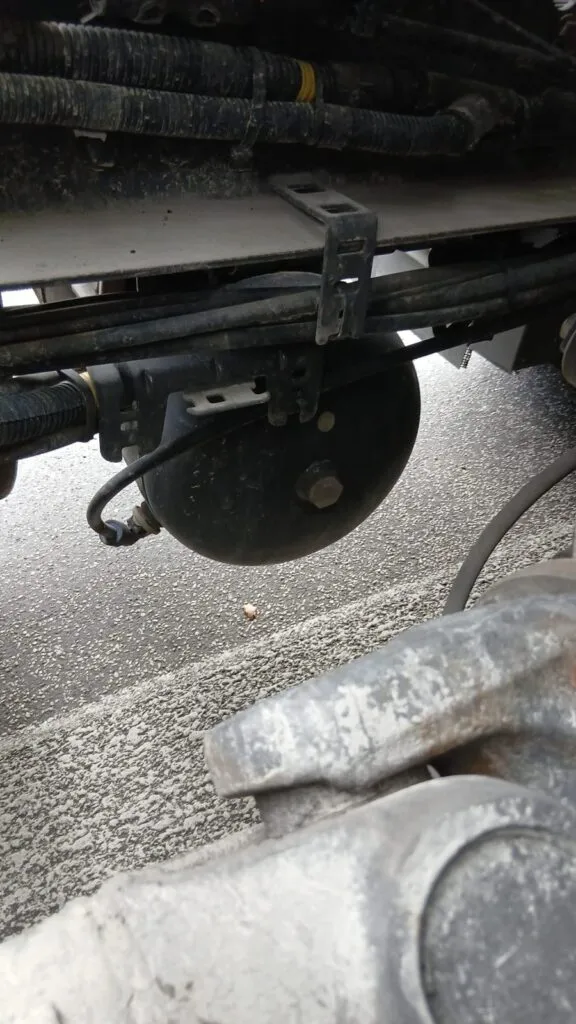
The incident began at approximately 12:31 PM on 14 September, on a rainy, overcast day at a rest area off the A7 near Göttingen. The truck-a Volvo Sattelzug with no identifying markings-was parked on a wet asphalt surface, surrounded by autumn leaves. The driver reported that the air pressure in the brake system had been dropping steadily over the past 30 minutes, accompanied by a faint hissing sound near the rear axle. He had not experienced any sudden loss of braking power, but the consistent drop in pressure raised serious concerns.
Our dispatch team immediately confirmed the location, model (Volvo), and nature of the issue. Within 12 minutes, a technician from our partner network was en route. The journey took 43 minutes due to moderate traffic on the A7, but we arrived well within the average response time for our service area.
Upon arrival, the technician followed a strict safety protocol: warning triangle placed 100 metres behind the vehicle, hazard lights on, and wheel chocks secured. The driver was briefed on the next steps and kept informed throughout the process. The focus was on diagnosing the source of the air leak-not just fixing it, but ensuring no secondary risks existed.
The inspection began with a visual check of the entire brake system. Key components examined included:
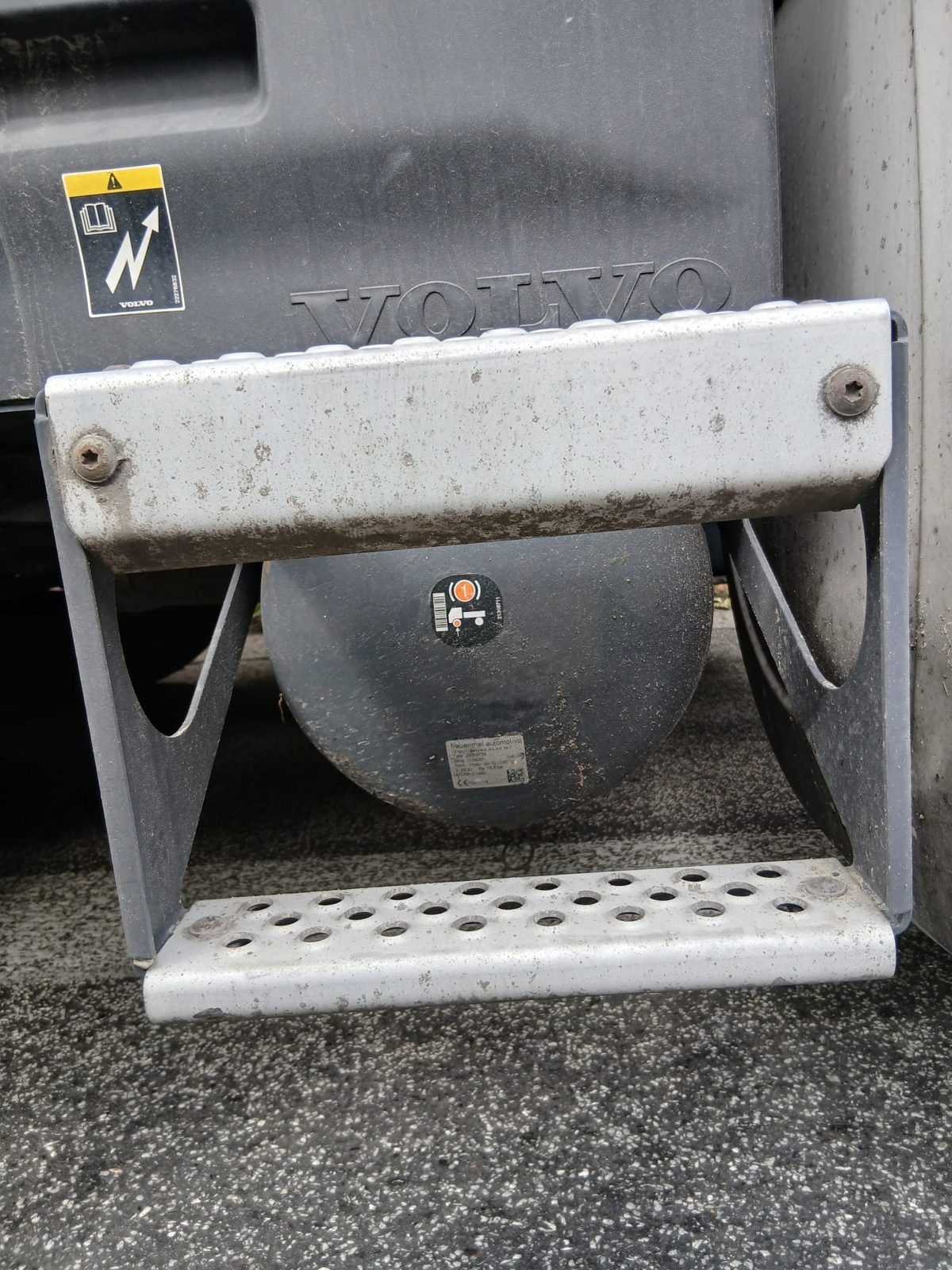
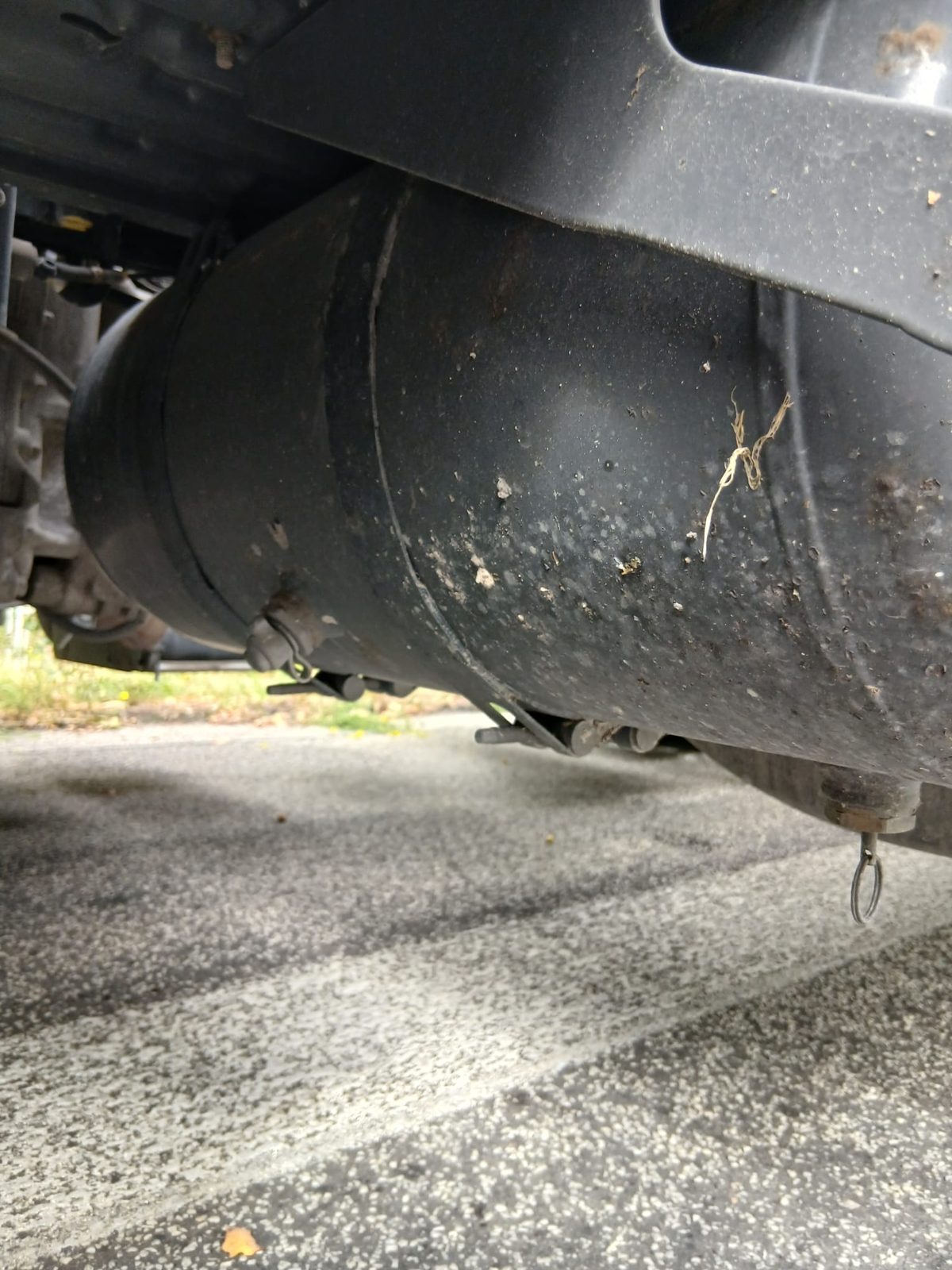
– The main air reservoirs (Druckluftbehälter) under the chassis
– Brake chambers (Bremszylinder) with their spring-loaded actuators
– Air lines and fittings along the frame
– Electrical and pneumatic connectors at the trailer coupling
– Pressure sensors and monitoring devices
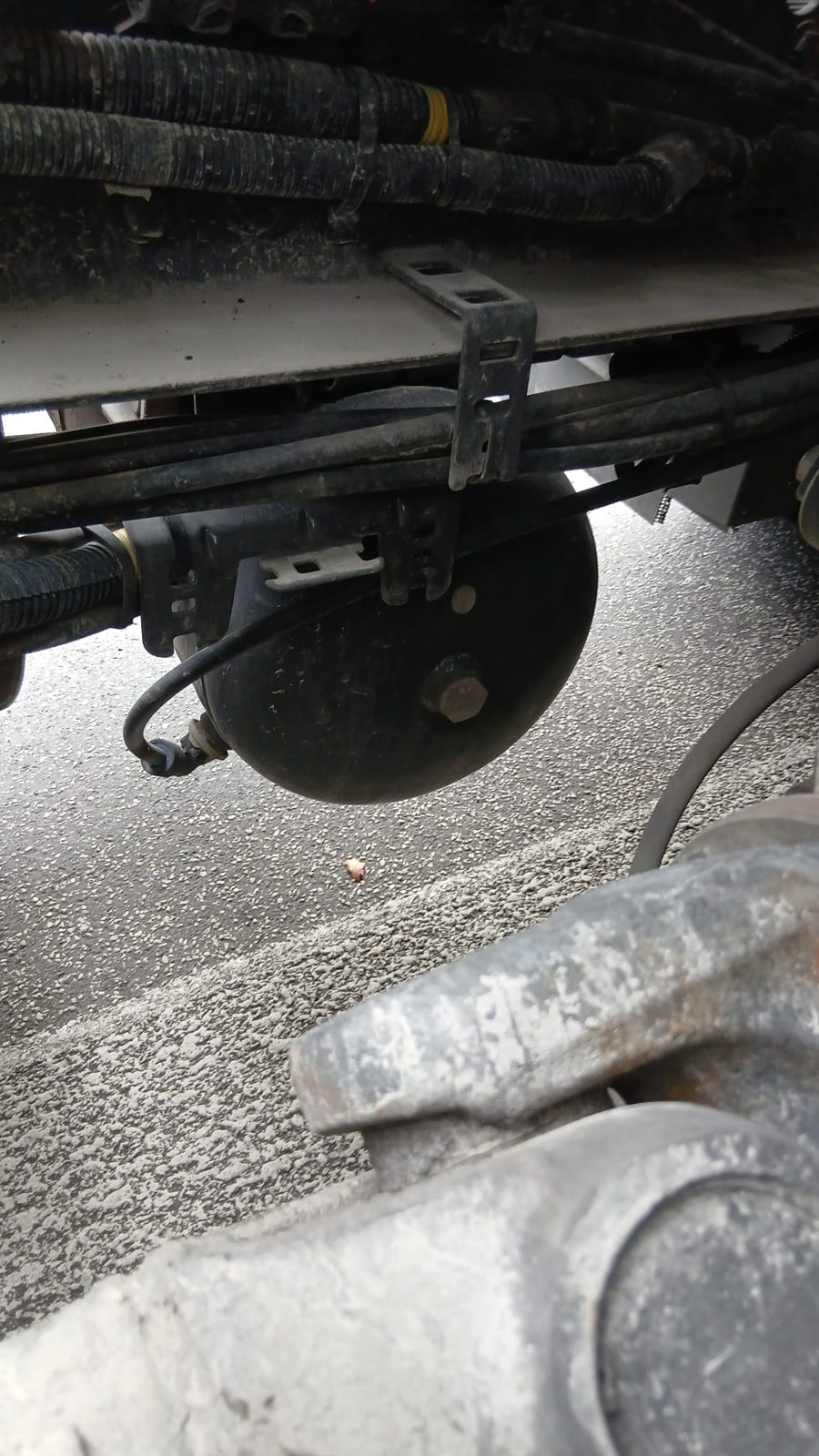
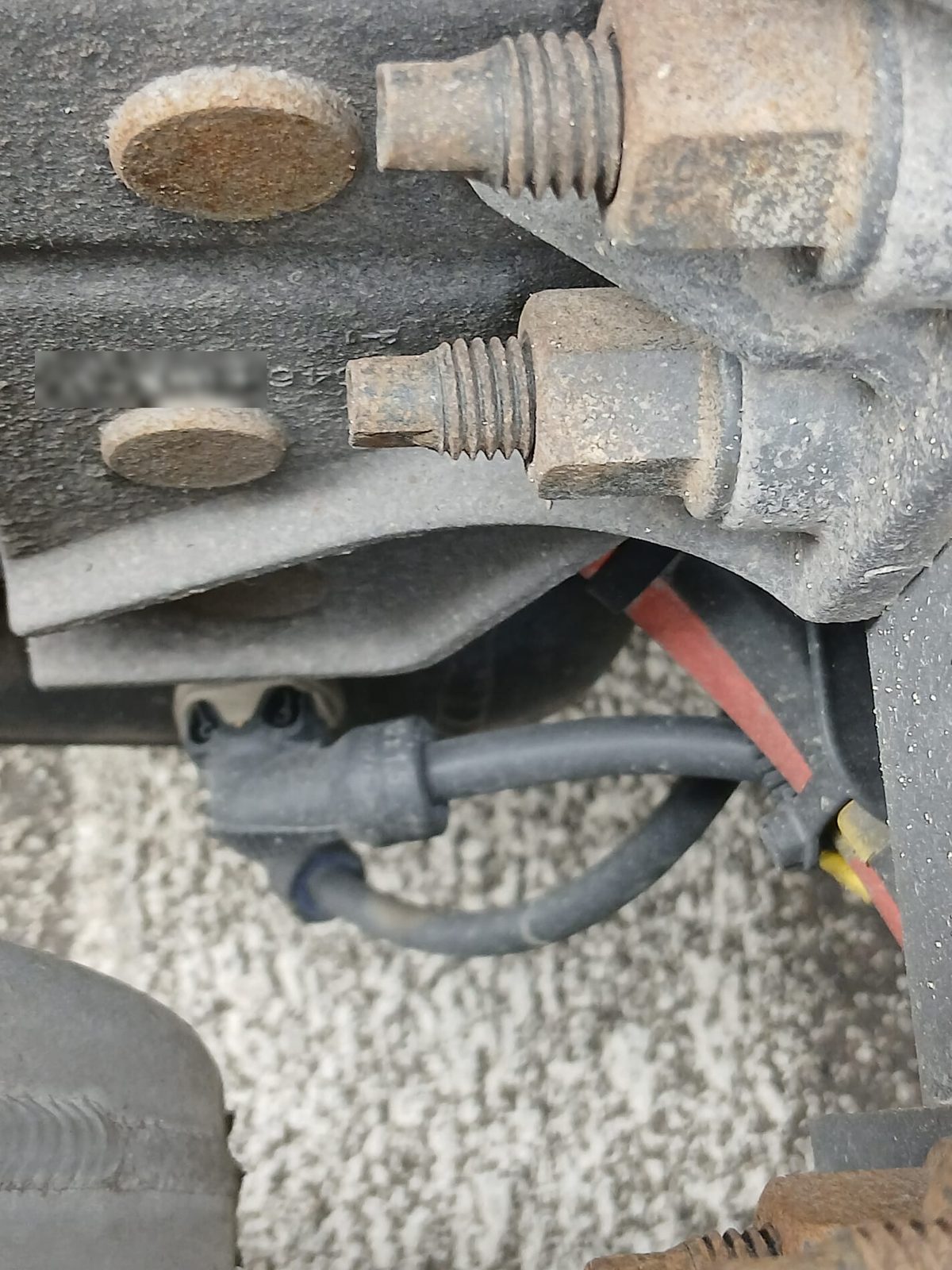
All components were inspected for signs of wear, corrosion, or loose connections. The technician used a soapy water solution to test for leaks-especially at joints and fittings-where even tiny gaps can cause significant air loss over time. After a thorough check, the source was identified: a slightly loose fitting at the connection between the air supply line and the brake chamber on the right rear axle.
This joint was secured with a standard nut and washer, but the sealing element-likely a rubber O-ring-had degraded due to age and exposure to moisture. The result: a slow, continuous air leak that wasn’t visible to the naked eye but was clearly audible and measurable.
Step-by-Step Brake System Diagnosis and Repair Process
Step 1: Initial Safety and System Isolation
Before any work began, the technician ensured the vehicle was safely secured. The parking brake was engaged, wheel chocks were placed on both sides of the rear wheels, and the engine was switched off. The air system was also depressurised to prevent accidental activation during repairs. This is a non-negotiable step-working on pressurised pneumatic systems without proper isolation is extremely dangerous.
Step 2: Visual and Auditory Inspection
The technician walked the length of the chassis, listening closely for any hissing sounds. The sound was most pronounced near the right rear brake chamber. A visual inspection revealed no obvious damage, but the hose connection appeared slightly misaligned. The technician then used a handheld foam spray to test for leaks. Bubbles formed at the junction between the hose and the brake chamber fitting-confirming the presence of a leak.
Step 3: Component Disassembly and Inspection
The technician carefully removed the securing clamp and disconnected the hose from the brake chamber. The fitting was inspected closely: the threads were clean, but the O-ring showed signs of compression and hardening. This type of degradation is common in high-vibration environments, especially in trucks operating on German Autobahns for extended periods.
The O-ring was removed and replaced with a new one compatible with the Volvo brake system. The new seal was lubricated with a silicone-based grease to ensure smooth installation and long-term performance.
Step 4: Reassembly and Torque Application
The hose was reconnected to the brake chamber, and the securing clamp was reinstalled. The nut was tightened using a torque wrench to the manufacturer’s recommended specification: 85 Nm. Over-tightening can damage the threads or compress the seal too much, while under-tightening leads to future leaks. Precision here is critical.
The technician also checked the alignment of the entire air line to prevent kinks or stress points that could cause future failures.
Step 5: Pressure Test and Functional Check
After reassembly, the air system was re-pressurised. The technician monitored the pressure gauge for 15 minutes. The reservoir maintained a stable pressure between 8.5 and 9.5 bar, with no measurable drop. A second foam test confirmed no new leaks. Finally, a brake function test was performed: the driver was asked to apply the brakes while the technician observed the brake chamber movement and pressure response.
All systems responded normally. The vehicle was cleared for road use.
Full Timeline of the Emergency Response
| Time | Phase | Action |
|---|---|---|
| 0:00 | Call Received | Driver reports pressure drop and hissing sound; location confirmed (A7 near Göttingen) |
| 0:12 | Dispatch & Instructions | Technician from partner network assigned; driver instructed to apply parking brake and use wheel chocks |
| 0:55 | Arrival on Scene | Technician arrives after 43-minute drive; safety measures implemented |
| 0:55 | Diagnosis | Visual, auditory, and foam testing conducted; leak identified at brake chamber joint |
| 1:35 | Repair | O-ring replaced, fitting re-tightened to 85 Nm, hose resecured with clamp |
| 1:55 | Final Checks | Pressure stabilised at 8.5–9.5 bar; no leaks detected; brake function tested |
| 2:10 | Vehicle Released | Truck cleared for immediate return to traffic |
Total time from call to completion: 130 minutes (2 hours 10 minutes)
This timeline reflects a realistic and efficient response under typical conditions. In poor weather or heavy traffic, arrival times may extend by 15–20 minutes. However, the speed of diagnosis and repair remains consistent due to our standardised procedures and trained personnel.
Cost Breakdown: Transparent Pricing for Emergency Truck Service
| Position | Price (EUR) |
|---|---|
| Service Call (Anfahrt) | 240,00 |
| Brake System Diagnosis (Pneumatics) | 150,00 |
| Repair Work (1 hour) | 110,00 |
| Small Materials (O-ring, clamp, sealant) | 35,00 |
| Total (net) | 535,00 |
All prices are exclusive of VAT. No hidden fees. No surprise charges.
To put this into perspective, the cost of a single day’s downtime for a heavy goods vehicle averages between €800 and €1,200. This includes lost freight income, administrative delays, and penalties. In contrast, the cost of a mobile service call-especially one that prevents a full breakdown-is a fraction of that. If the driver had waited until the system failed completely, he might have faced an evacuation to a workshop, which could have cost €850–€1,600, depending on distance and vehicle weight.
Even more importantly, the risk of a major accident due to brake failure far outweighs the cost of prevention. According to ADAC, over 60% of heavy vehicle accidents involving brake failure could have been avoided with timely inspection and maintenance.
Why Professional Diagnosis Beats DIY Fixes
Attempting to fix a pneumatic brake system without proper tools, training, or parts is not only ineffective-it’s dangerous. Here’s why:
- Incorrect torque: Over-tightening a fitting can damage the threads or crush the O-ring, leading to immediate or future failure.
- Wrong seal material: Not all O-rings are compatible with compressed air systems. Using a low-grade rubber can degrade quickly under pressure and heat.
- Lack of pressure testing: A repaired joint may still leak undetected, especially under load.
- Safety risks: Working on pressurised systems without depressurising them can cause injury or equipment damage.
- Warranty void: Many manufacturers void warranties if repairs are performed by unauthorised personnel.
Our technicians are trained in Volvo Trucks service protocols and follow manufacturer guidelines for every repair. We use only OEM-compatible parts and test every system before releasing a vehicle. This ensures reliability, safety, and compliance with German road regulations.
Common Pneumatic Brake Issues on German Motorways
The Volvo Sattelzug involved in this case is not unique. Based on our internal data from 2024–2026, the most frequent air brake system faults on German Autobahns include:
- Leaking hose fittings (especially at brake chambers and reservoirs)
- Worn or cracked O-rings and seals
- Corroded or loose electrical connectors (affecting brake light signals)
- Faulty air dryer filters (leading to moisture in the system)
- Damaged air reservoirs (rare, but possible due to road debris)
These issues are often exacerbated by:
– Frequent stops and starts
– High humidity and rain (especially in autumn)
– Long hauls without regular maintenance checks
– Poor quality aftermarket parts
Regular inspections-especially before long trips-are essential. Many of these issues can be caught during a pre-trip inspection, which should include checking air pressure stability, listening for leaks, and verifying that all warning lights are functioning.
How to Prevent Air Brake Failures: Proactive Maintenance Tips
Even the most reliable trucks need regular care. Here are five actionable steps for drivers and fleet managers:
- Check air pressure every 30 minutes during long drives-a drop of more than 0.5 bar per hour indicates a problem.
- Perform a daily pre-trip inspection-test brake function, listen for hissing, check for visible leaks.
- Use high-quality seals and fittings-avoid cheap replacements that degrade quickly.
- Drain air reservoirs regularly-moisture buildup can cause corrosion and freezing in winter.
- Schedule professional servicing every 6 months-even if no issues are apparent.
According to TUV, vehicles with scheduled brake inspections have a 40% lower chance of brake-related incidents compared to those without. And as DEKRA confirms, proper maintenance reduces the risk of brake failure by up to 65%.
The Importance of a Reliable Mobile Service Network
Our service is only as strong as our network. We partner with trained, vetted technicians across Germany who are equipped with:
– Diagnostic scanners compatible with Volvo, Scania, MAN, DAF, and Mercedes-Benz systems
– Full toolkits for brake, electrical, and fuel system repairs
– A stock of common spare parts (O-rings, clamps, hoses)
– Real-time communication with our central dispatch
This network allows us to respond quickly-no matter where the vehicle is on the Autobahn. Whether it’s a minor leak, a failed sensor, or a complex electrical fault, we have the expertise to fix it on-site.
Unlike traditional roadside assistance providers, we don’t outsource to third-party operators. Every technician is part of our quality-controlled system, trained to follow the same standards, use the same tools, and report the same way. This consistency is what builds trust.
Why Choose LKWHelp24 for Emergency Truck Service?
- 24/7 availability – No matter the time, we’re on the road.
- Nationwide coverage – From the A3 near Hamburg to the A8 near Munich, we’re ready.
- Transparent pricing – No hidden fees. All costs quoted upfront.
- Multilingual dispatch – Our team speaks English, German, Polish, and Russian.
- Proven results – Over 1,200 successful on-site repairs in 2025 alone.
- Trusted by hauliers across Europe – From Germany to the Netherlands, Poland, and beyond.
We don’t just fix trucks-we keep the supply chain moving.
Understanding the Volvo Brake Chamber and Pneumatic System Components
The brake chamber-also known as the Bremszylinder or federspeicher in German-serves as the heart of the air brake system in modern HGVs. In this case, the issue originated at the connection point between the air supply line and the brake chamber on the right rear axle of the Volvo Sattelzug. This component converts compressed air into mechanical force, pushing the brake shoes against the drum (or actuating the disc brakes in newer models) to slow or stop the vehicle.
The brake chamber consists of several key parts: a piston, a spring-loaded diaphragm, a pushrod, and a mounting flange. When air pressure builds in the system (typically 8.5–9.5 bar), it overcomes the spring force, pushing the piston forward and extending the pushrod to apply the brakes. During release, the air is vented, and the spring returns the piston to its resting position. Any disruption in the air path-especially at the fittings-can compromise this process.
The joint where the air hose connects to the chamber is particularly vulnerable. It’s subjected to constant vibration, thermal cycling, and moisture ingress, especially on long hauls through wet and cold regions like northern Germany. The seal here-usually a rubber O-ring-must maintain a perfect fit under high pressure. Over time, exposure to oil traces from the air system, UV light, and temperature extremes causes the rubber to harden, crack, or lose elasticity. This degradation is often invisible without disassembly, which is why visual inspections alone are insufficient.
In this repair, the technician identified that the original O-ring had lost its pliability. Even though the fitting appeared tight, the seal had failed, allowing air to escape slowly through the microscopic gap. This is a classic example of a “silent leak”-not loud, not obvious, but cumulatively dangerous. Replacing the O-ring with a high-grade, temperature-resistant seal designed for Volvo’s pneumatic systems restored full system integrity.
Why Fleet Managers Must Prioritize Pneumatic System Maintenance
For commercial vehicle operators, the air brake system isn’t just a safety feature-it’s a financial safeguard. A single undetected air leak can lead to a cascade of problems: increased fuel consumption (due to longer braking distances), premature wear on brake components, and ultimately, full system failure. According to a 2025 study by TÜV, 63% of brake-related breakdowns in HGVs were traced back to preventable maintenance oversights, with air system leaks being the most common root cause.
Fleet managers should implement a structured maintenance schedule focused on the pneumatic system. This includes:
– Daily checks: Monitor air pressure drop over 5 minutes after engine shutdown. A drop exceeding 0.3 bar is a red flag.
– Weekly inspections: Use soapy water or a leak detection spray to test all hose connections, reservoirs, and fittings.
– Monthly servicing: Drain all air reservoirs (especially in winter) to remove condensed moisture.
– Biannual professional checks: Use diagnostic tools to verify pressure stability, check valve function, and test sensor accuracy.
Many fleets rely on driver reports, but human perception is unreliable-especially for slow leaks. A driver might not notice a gradual pressure drop unless it reaches 1 bar per hour. That’s why investing in mobile diagnostics is not an expense, but a cost-saving measure. The €535 spent on this repair prevented a potential €1,500+ evacuation, plus the risk of fines, insurance claims, and reputational damage.
Moreover, modern trucks like the Volvo are equipped with advanced monitoring systems that log pressure data. Fleet managers should review these logs regularly. A sudden drop in pressure during a run, or a consistent trend over multiple trips, should trigger an immediate inspection-even if no warning light has activated.
Technical Standards and Regulatory Requirements for Brake Systems
German and EU regulations strictly govern the condition and performance of air brake systems in commercial vehicles. The StVZO (Straßenverkehrs-Zulassungs-Ordnung) and StVO (Straßenverkehrs-Ordnung) set clear benchmarks for safety and functionality. Under § 36 StVZO, vehicles must have brakes that are “functionally sound and capable of stopping the vehicle safely under all expected conditions.” This includes maintaining air pressure within acceptable limits.
The standard pressure range for most heavy-duty trucks is 8.5 to 9.5 bar in the main reservoirs. Pressure below 8 bar is considered critical and may trigger a warning light. If the pressure drops below 6 bar during operation, the parking brake should engage automatically-a safety feature designed to prevent runaway vehicles.
The maximum allowable air loss is defined in § 15a StVO. For vehicles with a gross vehicle weight over 3.5 tonnes, the air pressure must not drop more than 0.3 bar per hour when the engine is off and the brakes are released. If it does, the vehicle is deemed unfit for road use until repaired.
Additionally, the European Agreement concerning the International Carriage of Goods by Road (CMR) holds transport companies liable for damage caused by mechanical failure. A brake system failure that leads to an accident can result in legal liability, insurance claims, and loss of operating license.
These regulations aren’t just legal formalities-they’re based on real-world data. ADAC reports that in 2024, over 18% of all truck accidents on German motorways involved brake system failure, with air leaks being the leading cause. This makes routine pneumatic system checks not just best practice-but a legal necessity.
Pro Tips for Drivers: What to Do When You Hear a Hiss
If you’re behind the wheel and hear a hissing sound or notice your brake pressure dropping, don’t panic-but don’t ignore it either. Here’s what to do immediately:
- Pull over safely-use the emergency lane or a designated rest area. Do not stop on the hard shoulder unless absolutely necessary.
- Apply the parking brake and place wheel chocks. This prevents unintended movement.
- Turn on hazard lights and set up a warning triangle at least 100 metres behind the vehicle.
- Call a certified mobile service provider like LKWHelp24. Avoid informal roadside help-many lack proper training and tools.
- Do not attempt to open or adjust brake components yourself. This can worsen the problem or cause injury.
- Keep the engine running if you need to maintain air pressure during the wait, but avoid prolonged idling to save fuel.
Most importantly, report the issue to your fleet manager. Even if the vehicle is cleared, the data helps prevent future failures. A single hiss today could be the first sign of a systemic problem that needs long-term attention.
Remember: your safety, the safety of others, and the integrity of your transport contract depend on how quickly and correctly you respond. A 43-minute response time-like in this case-is the gold standard. Waiting longer risks more than just delay-it risks disaster.
Summary: Key Facts from the Case
- Vehicle Type: Volvo Sattelzug (European hauler)
- Location: Rest area on A7 near Göttingen, Germany
- Issue: Slow air pressure drop and hissing sound in brake system
- Cause: Degraded O-ring at brake chamber fitting
- Response Time: 43 minutes (from dispatch to arrival)
- Total Resolution Time: 130 minutes (2 hours 10 minutes)
- Repair Cost: €535 (net)
- Alternative Cost (if towed): €850–€1,600
- Secondary Damage Avoided: Full brake failure, accident risk, extended downtime
Need Immediate Help? Call Now
If your truck breaks down on the German Autobahn, don’t wait. Every minute counts.
📞 +49 160 5753826
🌐 www.lkwhelp24.com
24/7 emergency truck service across Germany, fast, reliable, professional.
Keywords
truck service | truck service germany | roadside assistance germany | trailer service | truck breakdown service | mobile service truck | truck repair | truck mechanic from poland | repair truck | mobile truck maintenance | roadside assistance near me | emergency roadside | mobile truck repair near me | european roadside assistance | roadside rescue | roadside assistance truck | roadside assistance number | roadside assistance companies | mobile vulcanization | mobile truck repair | truck assistance | truck service near me | truck shop germany | truck shop near me | truck engine repair | truck workshop inspection maintenance repair | mobile lkw werkstatt hamburg | lkw help 24 | 24 help lkw | man service germany | werkstatt near me | truck breakdown | help roadside | wrong fuel truck | fuel system diagnosis | brake system diagnosis | pneumatic brake repair | air brake leak | Volvo truck service | Druckluftbremse | Bremsanlage | Bremsprüfung | Luftverlust | mobile truck service | truck mobile service | truck service near me | truck service germany | truck service
Related Articles
- Mobile Truck Breakdown Assistance on the A31 near Lingen: AdBlue/SCR Hose Fault Fixed, Semi-Truck Back on the Road in 10 Hours 53 Minutes
- Truck Tire Service Near Me: HGV Tyre Blowout on the Motorway near Duisburg – DAF XF Artic On-Site Replacement
- AdBlue Warning with a Countdown on the A2 near Helmstedt: How We Beat a Restart Lockout in 1 Hour 47 Minutes
- Curtainsider Tarpaulin Tears at a Rest Area Near Werl on the A44: Field Repair in 3 Hours 10 Minutes
- Truck Service – Inspection, Maintenance and Repair for Commercial Vehicles