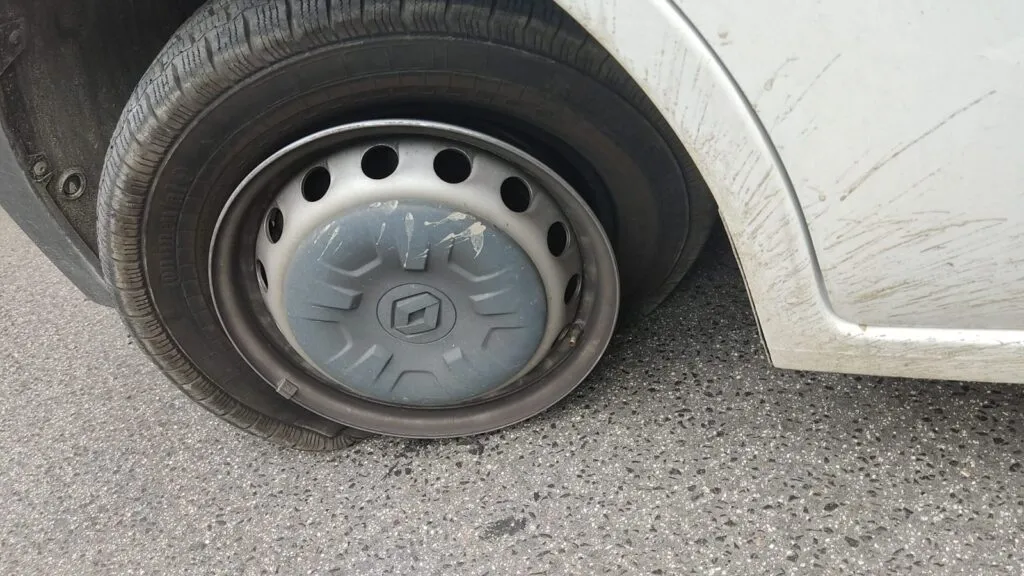
A blown tyre on a heavy goods vehicle isn’t just an inconvenience, it’s a safety hazard, a logistical nightmare, and a financial time bomb. On the evening of 8 September 2026, a lorry stopped at a rest area on the A7 near Hildesheim, in Lower Saxony, after a catastrophic failure in one of its rear tyres. The driver reported a sudden loss of control, followed by a loud bang, the unmistakable sound of a tyre bursting. Upon inspection, the sidewall had ruptured completely, exposing the steel cord beneath. Without immediate intervention, the risk of wheel detachment, axle damage, or even a full rollover was real. This is where professional roadside assistance becomes not just helpful, it becomes essential.
The situation was complicated by timing: it was late afternoon, the sky was overcast, and a recent downpour had left the road surface slick. The lorry was parked on a service area shoulder, which offered limited space and no hard shoulder for safe work. But despite the challenging conditions, the response from LKWHelp24 was swift and precise. From the first call at 18:50 to final handover at 20:40, the entire operation took exactly 110 minutes, under two hours from crisis to recovery. The vehicle, a semi-trailer with a load of goods, was back on the road, fully operational, with a new tyre fitted and pressure checked to legal standards.
This case study details every step of the process, from emergency call to final inspection, with full transparency on time, cost, and technical precision. No client names, no vehicle registration numbers, no brand-specific references. Just a real-world example of how mobile truck tyre service can prevent disaster, reduce downtime, and keep freight moving.
What Happened: A Failed Sidewall Under Pressure
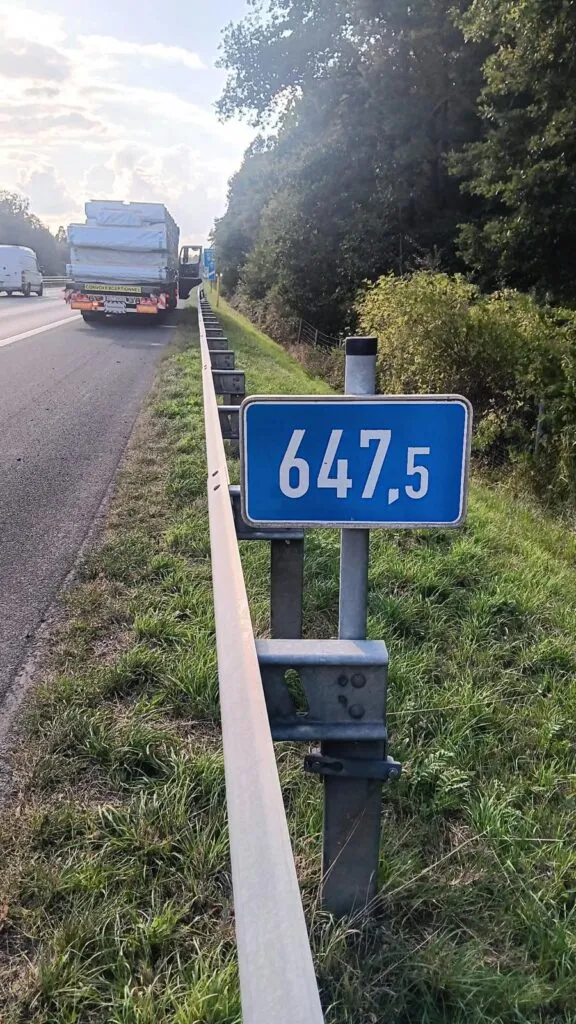
The incident began around 18:45 when the driver of a heavy-duty trailer noticed a sharp vibration through the steering wheel and a sudden drop in handling. The vehicle was travelling at approximately 80 km/h on the A7, near the Hildesheim rest area, when the rear tyre on the drive axle exploded. The blowout caused the lorry to swerve slightly, but thanks to the driver’s quick reaction, no collision occurred. The vehicle was brought to a controlled stop on the service area’s hard shoulder, where the driver immediately activated the hazard lights and placed a warning triangle 100 metres behind the vehicle.
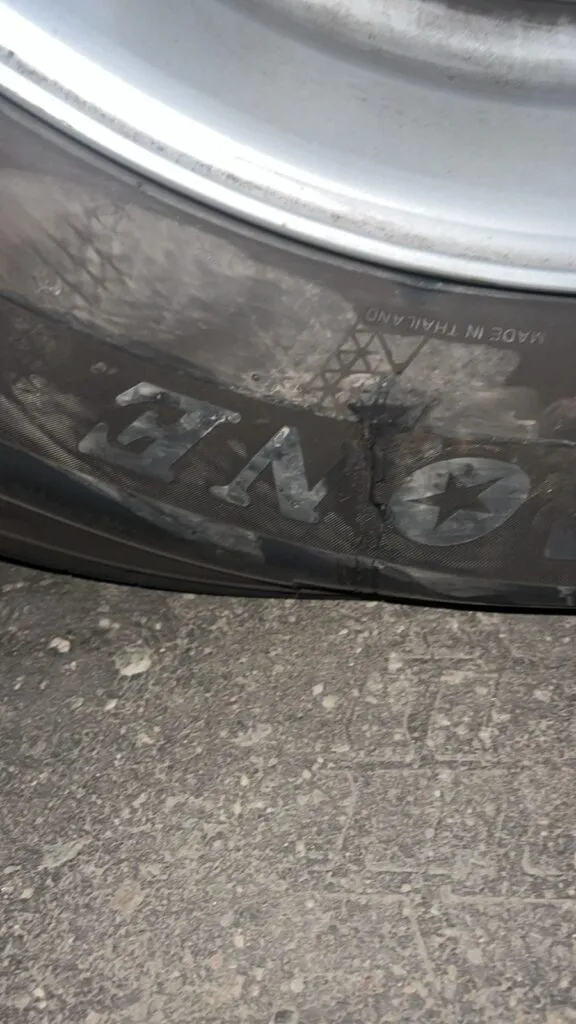
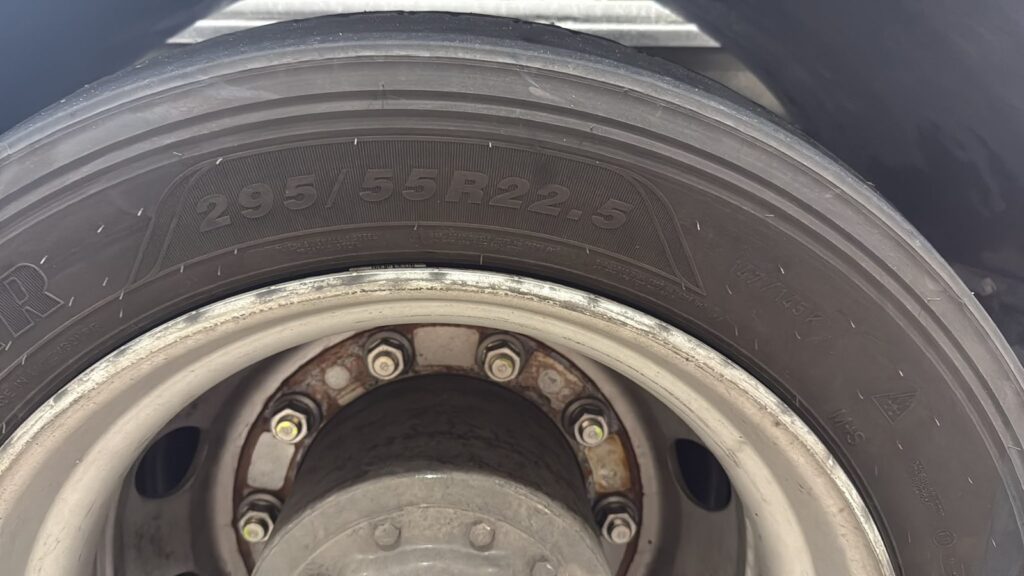
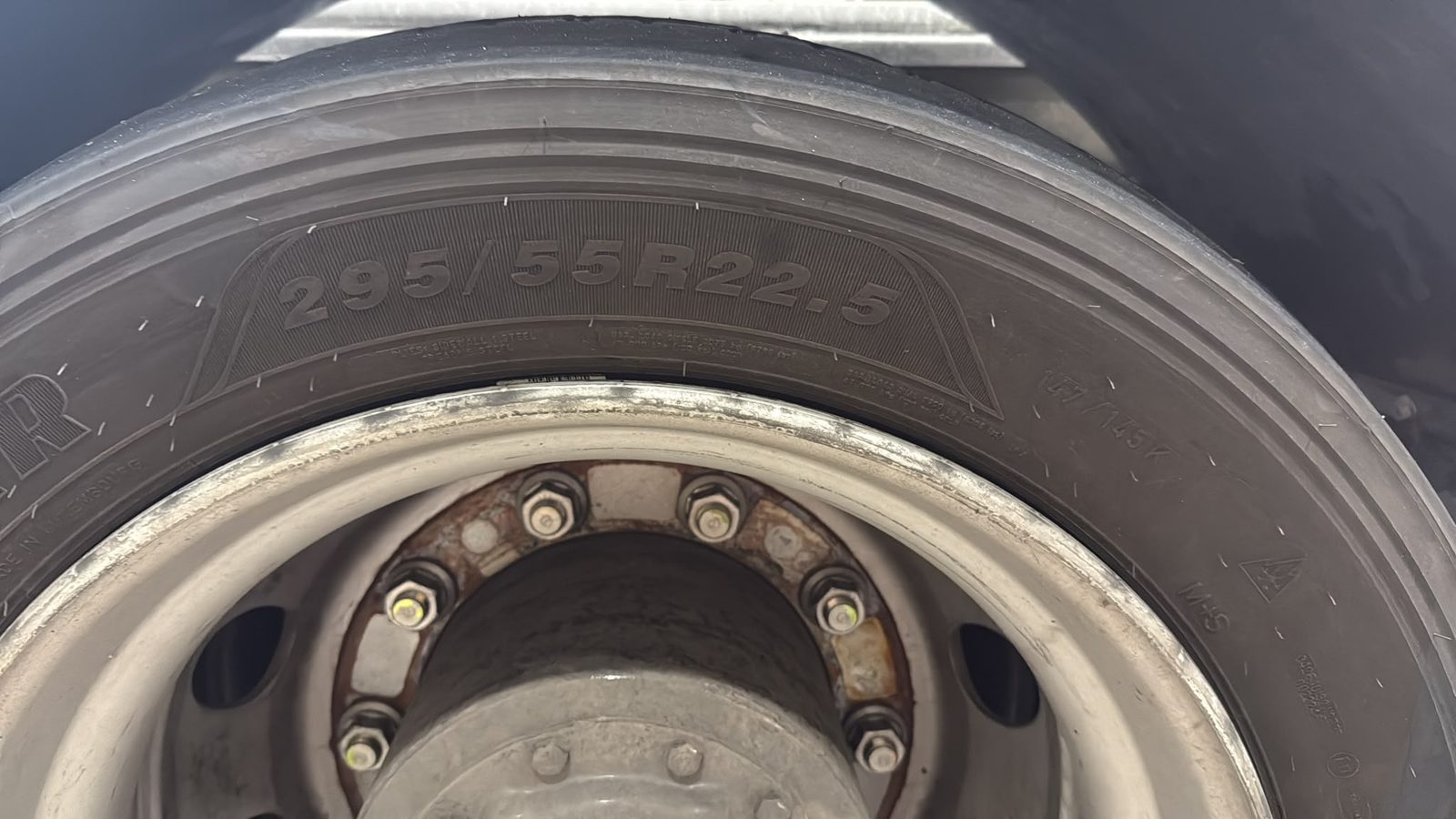
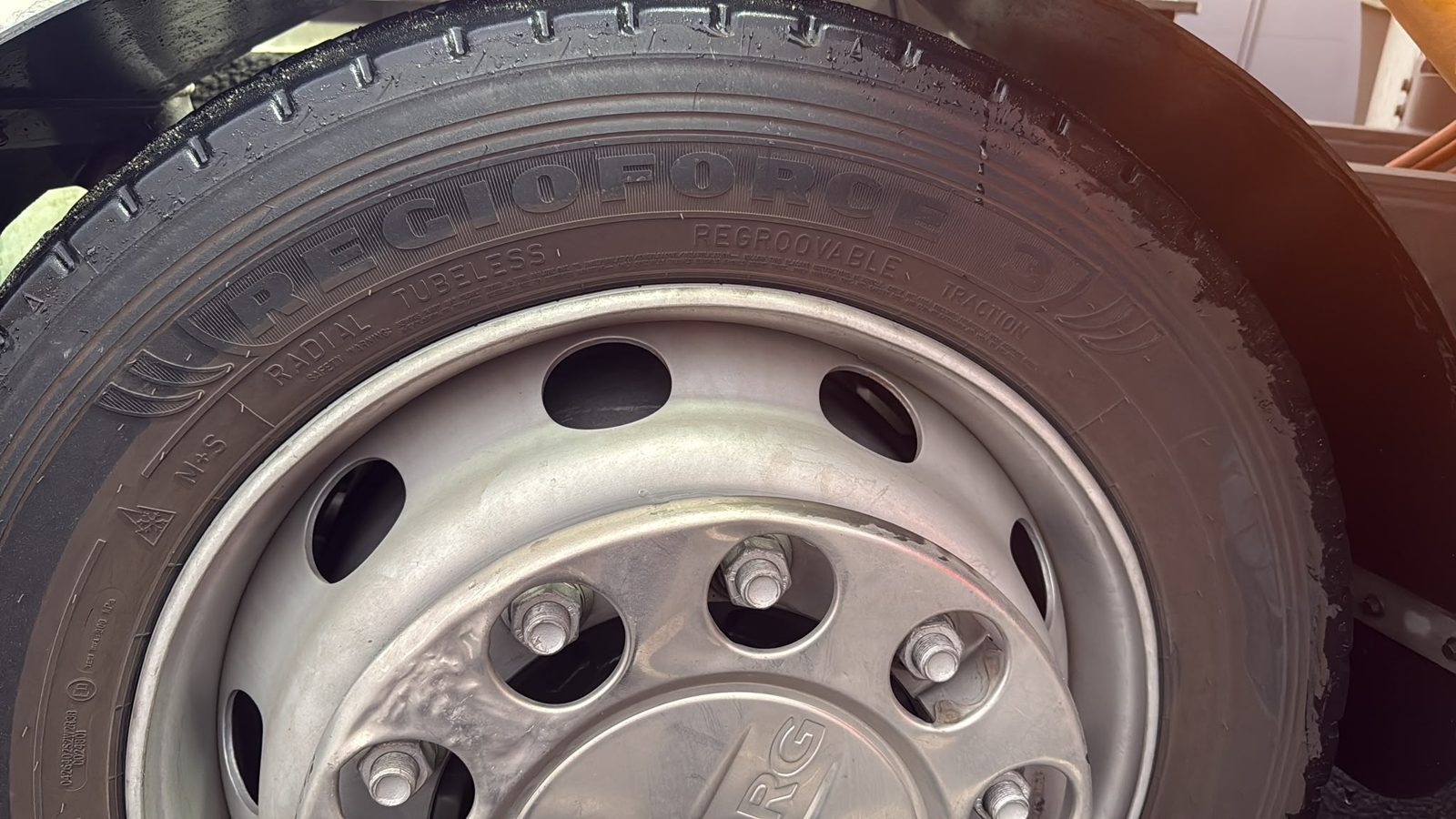
Upon inspection, the tyre’s sidewall had suffered a complete rupture. The damage was not a simple puncture, it was a structural failure. The reinforced steel cord, which normally forms the backbone of the tyre’s casing, had snapped. This kind of failure is often caused by prolonged overloading, high-speed driving on uneven roads, or a combination of both. The tyre in question was a 295/55 R22.5, a common size for semi-trailers, and rated for heavy loads with an index of 147/145 K (equivalent to 5,300 kg per tyre). It was fitted with the M+S marking, indicating it was designed for all-season use, including light snow.
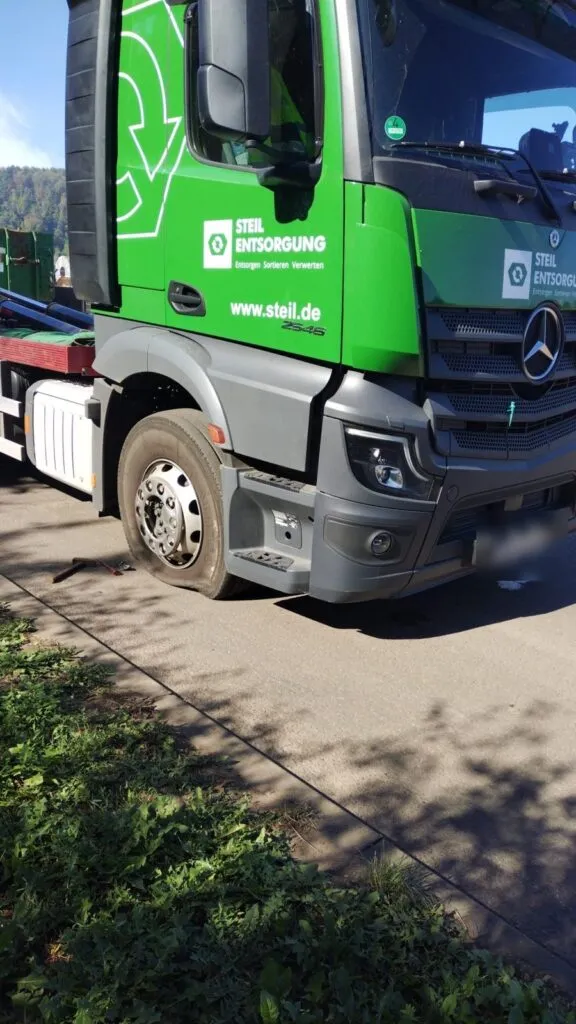
The damage was clearly visible on the side of the tyre, where the rubber had peeled back to expose the steel cord. This is not a repairable fault, the integrity of the tyre has been permanently compromised. Continuing to drive on such a tyre would risk catastrophic failure, including wheel detachment, damage to the axle, and potential injury to the driver or other road users. Even if the wheel stayed on, the uneven weight distribution could cause the trailer to pull to one side, increasing the risk of a skid or jackknife, especially on wet or sloped surfaces.
According to § 36 StVZO, tyres must be free from visible damage, cracks, bulges, or cuts. A sidewall rupture is a clear violation of this regulation. Driving with such a tyre is not only dangerous, it’s illegal. In Germany, fines for driving with damaged tyres can exceed €1,000, and the vehicle may be seized until repaired. For a logistics company, this means not just a fine, but a full day of downtime, lost delivery windows, and potential penalties from clients.
The Immediate Response: Dispatching the Right Team
At 18:50, the driver called LKWHelp24’s 24/7 emergency line. The call was answered within seconds by a trained dispatcher who immediately asked a series of critical questions: location, vehicle type, nature of the breakdown, and tyre size. The driver confirmed the location as the A7 near Hildesheim, and the tyre size as 295/55 R22.5. This information was crucial, it allowed the system to check real-time availability of the correct replacement tyre in the nearest depot.
Within 12 minutes, the dispatcher had located a matching REGIOFORCE tyre in stock at a partner workshop in the region. This brand is known for durability and performance in long-haul transport, particularly in mixed weather conditions. The tyre was already packed and loaded onto a mobile service van, which was dispatched to the site. The team consisted of two qualified technicians, equipped with a hydraulic jack, torque wrench, wheel chocks, and full safety gear.
The dispatch process relied on LKWHelp24’s network of verified partner teams across Germany. These are not subcontractors with no oversight, they are vetted professionals who undergo regular training, carry full insurance, and use only approved tools and materials. The system prioritises proximity, availability, and skill level, ensuring that the nearest qualified team is always sent.
The journey from the workshop to the rest area took 44 minutes. This included a 30-minute drive through rural Lower Saxony, with multiple intersections and speed checks. Traffic was moderate, but the team adhered strictly to speed limits, safety comes before speed, even in emergencies. They arrived at the site at 19:46, just under 100 minutes after the initial call.
Safety First: Setting Up the Work Zone
Arriving at the scene, the team’s first priority was safety. The vehicle was parked on a service area shoulder, but the A7 is a high-speed motorway, and traffic was still flowing at 100–120 km/h. The risk of a secondary collision was real.
The technicians immediately placed three wheel chocks under the front wheels of the trailer to prevent rolling. They then deployed a warning triangle 100 metres behind the vehicle, in accordance with German regulations. The driver was instructed to wear a high-visibility vest, and both technicians put on theirs before beginning work.
The area was assessed for stability and space. The service area was not wide enough to allow full access to the rear axle, so the team had to work in tight quarters. The ground was damp from the earlier rain, increasing the risk of slipping. To prevent this, the team used non-slip mats under the jack base and ensured the ground was level before lifting the axle.
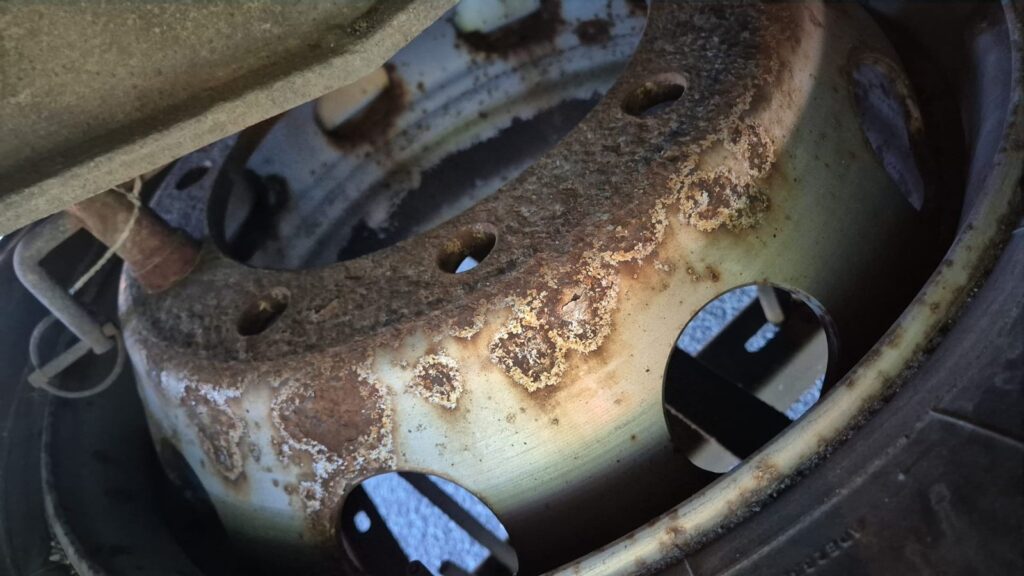
The technician then performed a visual inspection of the wheel assembly. The steel disc (Felge) was examined for warping or corrosion. The hub (Radnabe) was checked for damage, and the 10 wheel nuts (Radmuttern) were inspected for signs of loosening or thread damage. All components were found to be intact, no secondary damage had occurred during the blowout. This was critical: it meant the repair could proceed without needing to replace the wheel or hub.
The pressure in the remaining tyres was also checked. All were within the recommended range of 8.5–9.0 bar, a key safety threshold for heavy-duty tyres under load. Excessive pressure increases the risk of blowouts, while low pressure leads to overheating and premature wear. Maintaining correct pressure is not optional, it’s a legal requirement.
The Demolition: Removing the Damaged Tyre
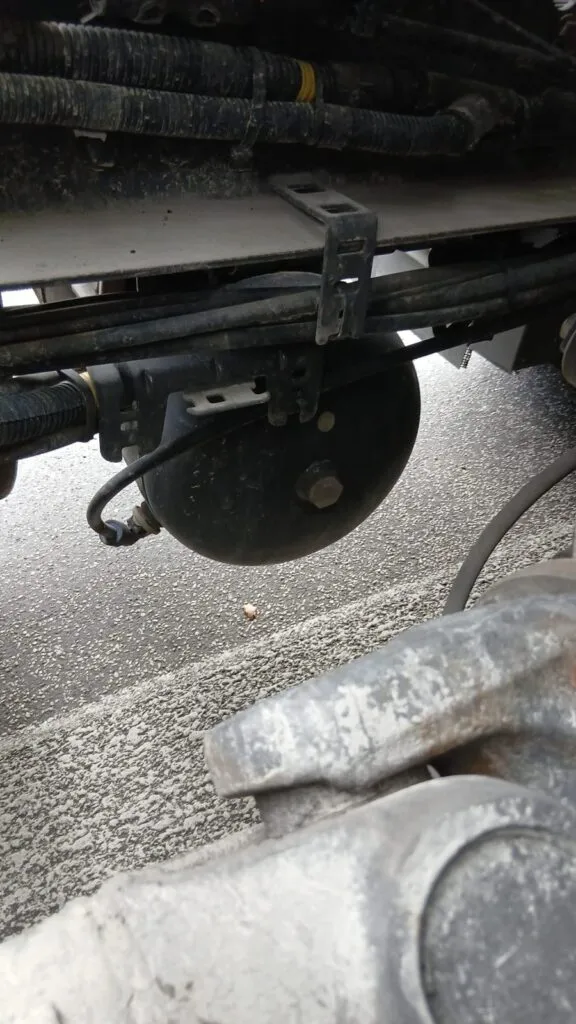
At 19:54, the team began the actual repair. The first step was to raise the axle using a hydraulic jack. The jack was positioned under the rear axle beam, and the lift was performed slowly and steadily. The load was transferred safely to the jack, and the wheel was fully off the ground.
Next came the removal of the 10 wheel nuts. These were tightened to a torque of 300 Nm, so a high-powered impact wrench was used. The nuts were removed one by one, placed into a container to avoid loss, and stored for reuse. Each nut was checked for wear or thread damage, none showed signs of deformation.
With the nuts gone, the technician carefully removed the damaged tyre from the steel disc. The sidewall had torn open, and the steel cord was clearly visible, a jagged, broken edge that had been stressed beyond its limit. The inner liner was also compromised, and the tread was unevenly worn on the side. This confirmed that the failure was not due to a single puncture, but to progressive structural fatigue.
The old tyre was then placed on a tarp for transport. It was not simply discarded, it was scheduled for professional recycling. In Germany, all used tyres must be disposed of through certified facilities. The cost of this is included in the final invoice.
The technician then cleaned the mounting surface of the steel disc using a wire brush and compressed air. Any rust, debris, or old rubber residue was removed to ensure a perfect seal when the new tyre was mounted. Even a small particle can compromise the air seal and lead to slow leaks.
The Installation: Mounting the New Tyre
At 20:17, the team began installing the new REGIOFORCE tyre. This is a radial, tubeless, regroovable tyre designed for heavy-duty long-haul transport. The tyre was inspected before mounting: the tread pattern was intact, the sidewall was smooth, and the ETRTO (European Tyre and Rim Technical Organisation) markings were legible. The tyre was rated for 315/55 R22.5, but the 295/55 R22.5 version is a standard size for many trailers and is compatible with the same rims.
The technician applied a light coating of tyre lubricant to the bead of the tyre and the rim. This helps the tyre seat properly and prevents damage during mounting. The tyre was then carefully placed onto the disc, ensuring the valve stem was aligned with the hub opening.
Using a tyre mounting machine (portable version), the technician pressed the bead into place. The process required precision, too much force could damage the bead, too little could result in poor seating. Once the tyre was fully seated, the technician used a pneumatic pump to inflate it to 8.5 bar. This is the standard pressure for this size of tyre under normal load conditions.
The tyre was then checked for balance. While not always necessary for a single replacement, it’s a best practice, especially when replacing a tyre on a drive axle. The technician used a dynamic balancer to identify any imbalance. No significant imbalance was found, so the tyre was deemed balanced.
Final Checks: Torque, Pressure, and Handover
At 20:32, the team began the final phase: reassembly and verification. The wheel was lowered back onto the axle, and the 10 wheel nuts were reinstalled. But this was not done randomly, they were tightened using a star pattern (also known as the “criss-cross” method), which ensures even pressure distribution across the disc.
A dynamometer torque wrench was used to tighten each nut to 300 Nm, the manufacturer’s recommended value. This is critical: under-tightening risks the wheel coming loose; over-tightening can damage the threads or warp the disc. The torque was verified for each nut.
After tightening, the technician performed a final pressure check. The tyre was re-inflated to 8.7 bar, within the legal and safety range of 8.5–9.0 bar. The valve was tested for leaks using soapy water, no bubbles appeared.
The vehicle was then given a final visual inspection. The wheel was aligned, the tyre was seated properly, and the warning triangle was removed. The driver was briefed on the work done, the cost, and the importance of regular tyre checks.
The job was completed at 20:40, 110 minutes after the initial call. The lorry was cleared to drive, and the driver resumed his journey without further delay.
Full Timeline: From Call to Completion
| Time | Phase | Action |
|---|---|---|
| 18:50 | Call Received | Driver reports blown tyre on A7 near Hildesheim, size 295/55 R22.5 |
| 18:50–19:02 | Dispatcher & Coordination | Verified tyre size, located matching REGIOFORCE tyre in partner depot, assigned nearest team |
| 19:02–19:46 | Travel to Site | Mobile team drove 44 minutes to rest area near Hildesheim |
| 19:46–19:54 | Site Safety & Inspection | Warning triangle placed, wheel chocks applied, disc and hub inspected |
| 19:54–20:14 | Demounting | Hydraulic jack used, 10 wheel nuts removed, damaged tyre extracted |
| 20:14–20:17 | Photo Documentation | Images captured of damaged tyre and new tyre on disc |
| 20:17–20:32 | Mounting | New REGIOFORCE tyre installed, inflated to 8.5 bar, balanced |
| 20:32–20:40 | Final Assembly & Handover | Wheel nuts tightened in star pattern to 300 Nm, pressure rechecked |
| 20:40 | Job Complete | Vehicle cleared, driver informed, team departed |
Total time from call to completion: 110 minutes (1 hour 50 minutes)
Cost Breakdown: Transparent Pricing, No Hidden Fees
| Position | Price (EUR) |
|---|---|
| Roadside Call-Out (Anfahrt) | 280 |
| Evening Service Surcharge (Notdienst-Zuschlag) | 60 |
| Labour (1.5 hours × €110/hour) | 165 |
| New 295/55 R22.5 REGIOFORCE Tyre | 460 |
| Disposal of Old Tyre | 20 |
| Total (net, excl. VAT) | 985 |
All prices are net (zzgl. MwSt.). VAT will be added at the standard rate. The total cost for this service was €985.
For comparison, a single day of downtime for a lorry typically costs between €800 and €1,200, depending on the load, contract terms, and freight rates. This includes lost revenue, fuel, driver pay, and penalties. In this case, the repair cost less than one day’s lost productivity, and it was completed in under two hours.
Why Professional Help is Non-Negotiable
Attempting to fix a blown tyre yourself, especially on a trailer or semi-trailer, is extremely risky. Here’s why:
- Incorrect torque can cause the wheel to come loose while driving.
- Poor seating of the tyre bead can lead to slow leaks or sudden blowouts.
- Damaged disc or hub may not be visible without proper inspection.
- Lack of safety gear increases the risk of injury on a busy motorway.
- Improper storage of old tyres can lead to environmental violations.
Even experienced drivers are not trained in tyre replacement procedures. A single mistake can cost thousands in repairs, or worse, a life.
Common Scenarios We Handle Across Germany
We respond to a wide range of tyre-related emergencies, including:
– Tyre blowouts on drive or steer axles
– Sidewall cuts or bulges
– Punctures with large debris
– Bead separation due to corrosion or impact
– Rim damage requiring straightening
– Flat tyres in remote areas without access to workshops
We operate 24/7 across all federal states, from the Baltic coast to the Bavarian Alps.
Proactive Maintenance Tips for Drivers and Fleets
- Check tyre pressure weekly, never rely on visual inspection alone.
- Inspect tread depth regularly: minimum 1.6 mm (per § 36 StVZO).
- Avoid overloading, use only tyres rated for the load.
- Rotate tyres every 20,000 km to even out wear.
- Store spare tyres in a dry, cool place, away from sunlight and chemicals.
- Train drivers to recognise early signs: vibration, pulling, unusual noise.
The Importance of Tyre Quality and Standards
The tyre used in this case, REGIOFORCE, is a trusted brand in European freight transport. It features a tubeless design, steel-belted construction, and regroovable tread for extended life. It meets ETRTO standards, ensuring compatibility with German and EU vehicles.
Other leading brands include:
– Michelin – known for longevity and fuel efficiency
– Continental – excellent wet grip and durability
– Goodyear – strong performance in high-load conditions
– Bridgestone – reliable in extreme temperatures
Always check the load index, speed rating, and ETRTO code before purchasing.
Why Choose LKWHelp24?
- 24/7 emergency service – we’re always ready
- Nationwide network – fastest response in Germany
- Transparent pricing – no hidden costs
- Multilingual dispatchers – clear communication
- Certified technicians – fully trained and insured
- Mobile service – no need to tow to a workshop
We don’t just fix tyres, we keep the supply chain moving.
Summary: Key Facts from This Case
- Service: Mobile truck tyre service
- Location: A7 near Hildesheim, Lower Saxony
- Tyre Size: 295/55 R22.5
- Failure Type: Sidewall rupture, steel cord exposed
- Time to Arrival: 44 minutes
- Total Time to Completion: 1 hour 50 minutes
- Cost: €985 (net)
- Secondary Damage: None detected
- Second Chance: Vehicle back on the road within 2 hours
Need Immediate Help? Call Now
Don’t wait for a breakdown to become a disaster. If you’re stranded on the motorway, call +49 160 5753826, we’re available 24/7 across Germany. Visit www.lkwhelp24.com for more information on our services, including truck tyre service, mobile truck service, and emergency towing.
Keywords:
truck tyre service | mobile reifenservice | truck tyre replacement | truck tyre change | truck tyre callout | truck tyre roadside assistance | truck tyre repair | mobile reifenwechsel | truck tyre germany | mobile truck tyre service | trailer tyre service | truck tyre burst | truck tyre breakdown service | truck tyre emergency | mobile truck tyre service near me | truck tyre help | truck tyre fitting | truck tyre fitters near me | truck tyre breakdown germany | truck tyre blowout | truck tyre repair near me | truck tyre near me | truck tyre mobile service | truck tyre service near me | truck tyre service germany | tyre change near me | truck wheel repair | truck wheel change | truck tyres near me | truck tyre shop near me | truck tyre service near me
Related Articles:
- Truck Tyre Service on the B188 near Wolfsburg: Wheel Change on a Bare Verge Without a Hard Shoulder in 2 Hours
- Truck Tyre Blowout on the A4 Near Dresden: How LKWHelp24 Got a Scania Back on the Road in Under Two Hours
- Mobile Truck Tire Wheel Change – 24/7 Roadside Service
- Truck Tyre Service Near Me: HGV Tyre Blowout on the Motorway near Duisburg – DAF XF Artic On-Site Replacement
- Truck Tyre Service Ingolstadt (85049): Mobile Tyre Change on a Trailer – Mercedes-Benz Actros Back on the Road in 2 Hours