Skip to content
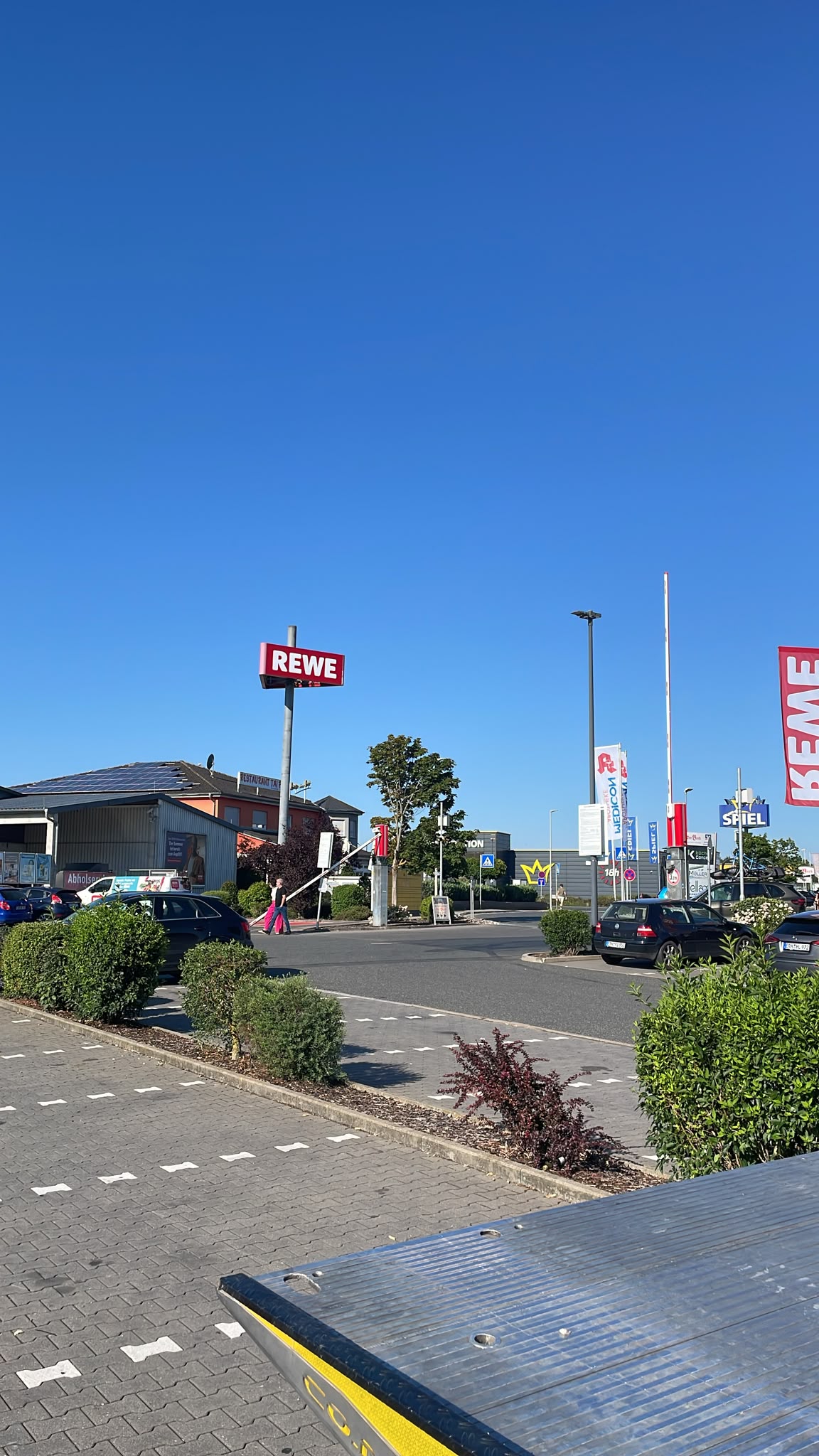
When a trailer tyre gets cut open on a kerb during an unloading manoeuvre, the driver rarely has time to worry about anything beyond the dock slot he is about to miss. That is exactly what happened on the evening of 11 July 2026 in Gütersloh, when an articulated truck delivering to a major retail chain’s distribution centre found itself with a badly damaged trailer tyre in the middle of the yard. This is the story of that callout, and a closer look at why urban truck tyre service for delivery fleets is a different discipline from the classic autobahn breakdown.
The vehicle was not broken down on the hard shoulder. It was parked, loaded, waiting to reverse onto a dock, going about the ordinary business of retail logistics — the kind of low-drama, high-pressure work that keeps supermarket shelves full. A damaged tyre on a trailer axle in that setting is not a dramatic roadside emergency. It is, however, a real operational threat, because every minute the vehicle sits idle in the yard is a minute closer to losing its unloading window.
The situation: a damaged trailer tyre on a delivery run
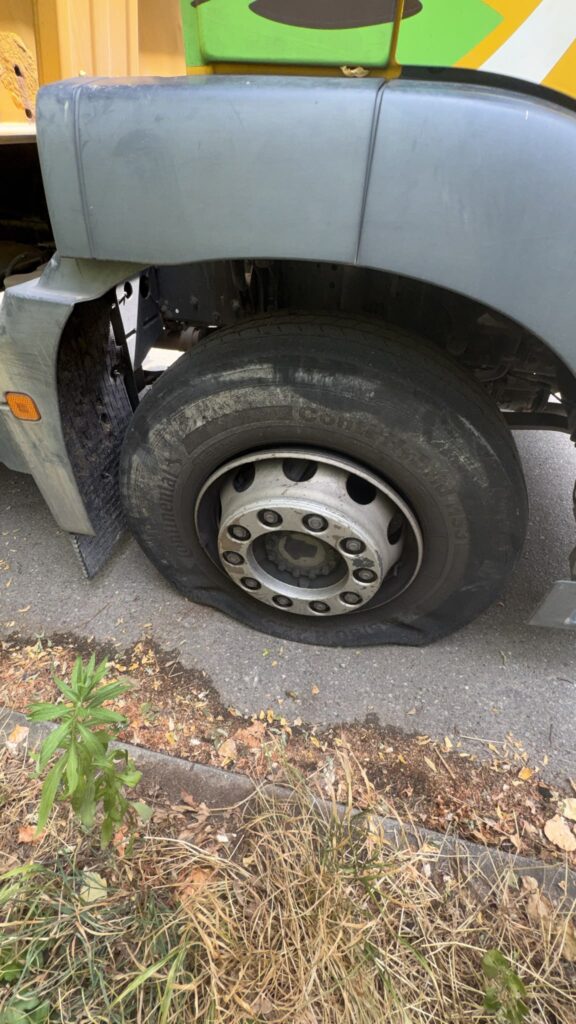
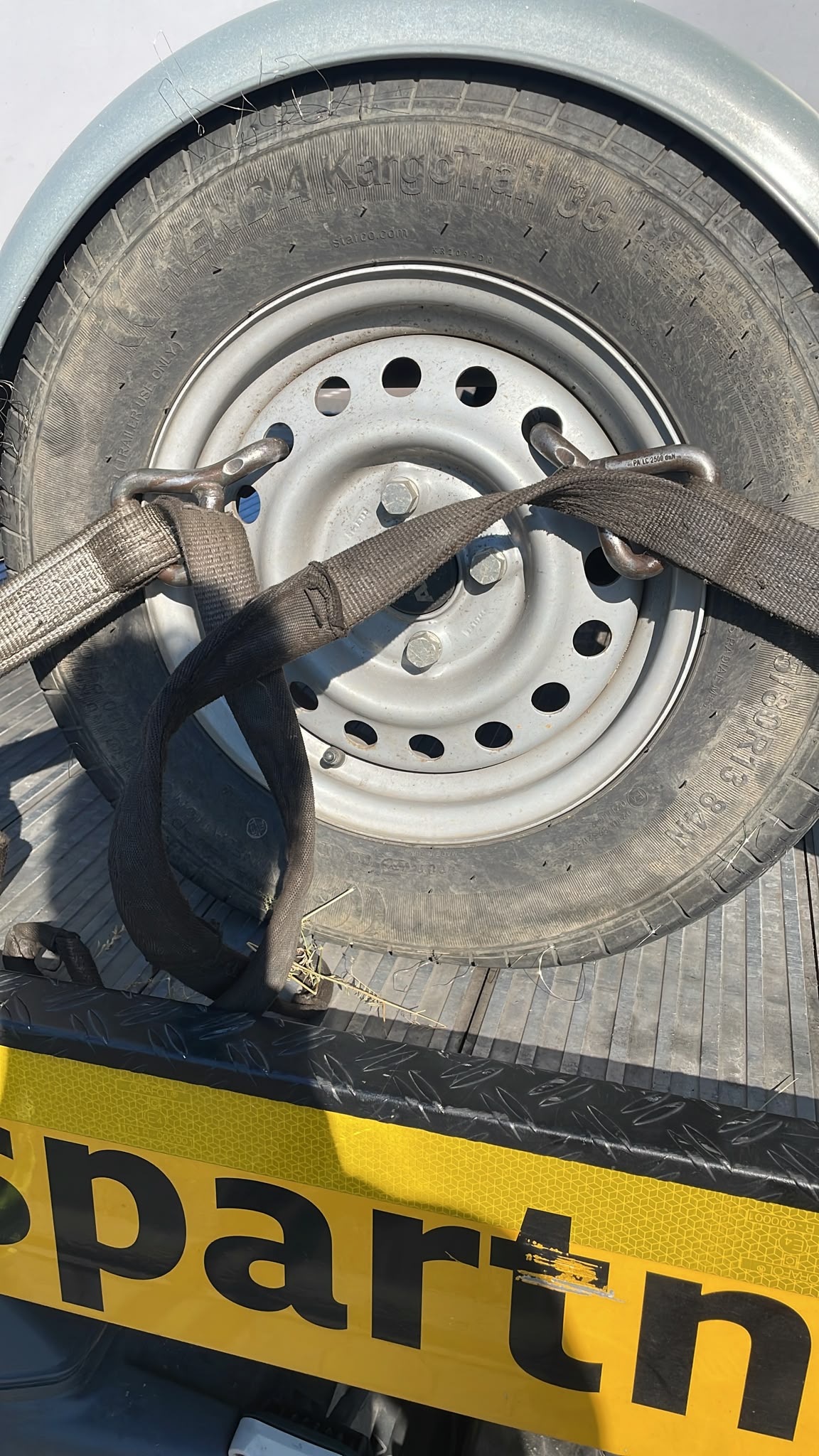
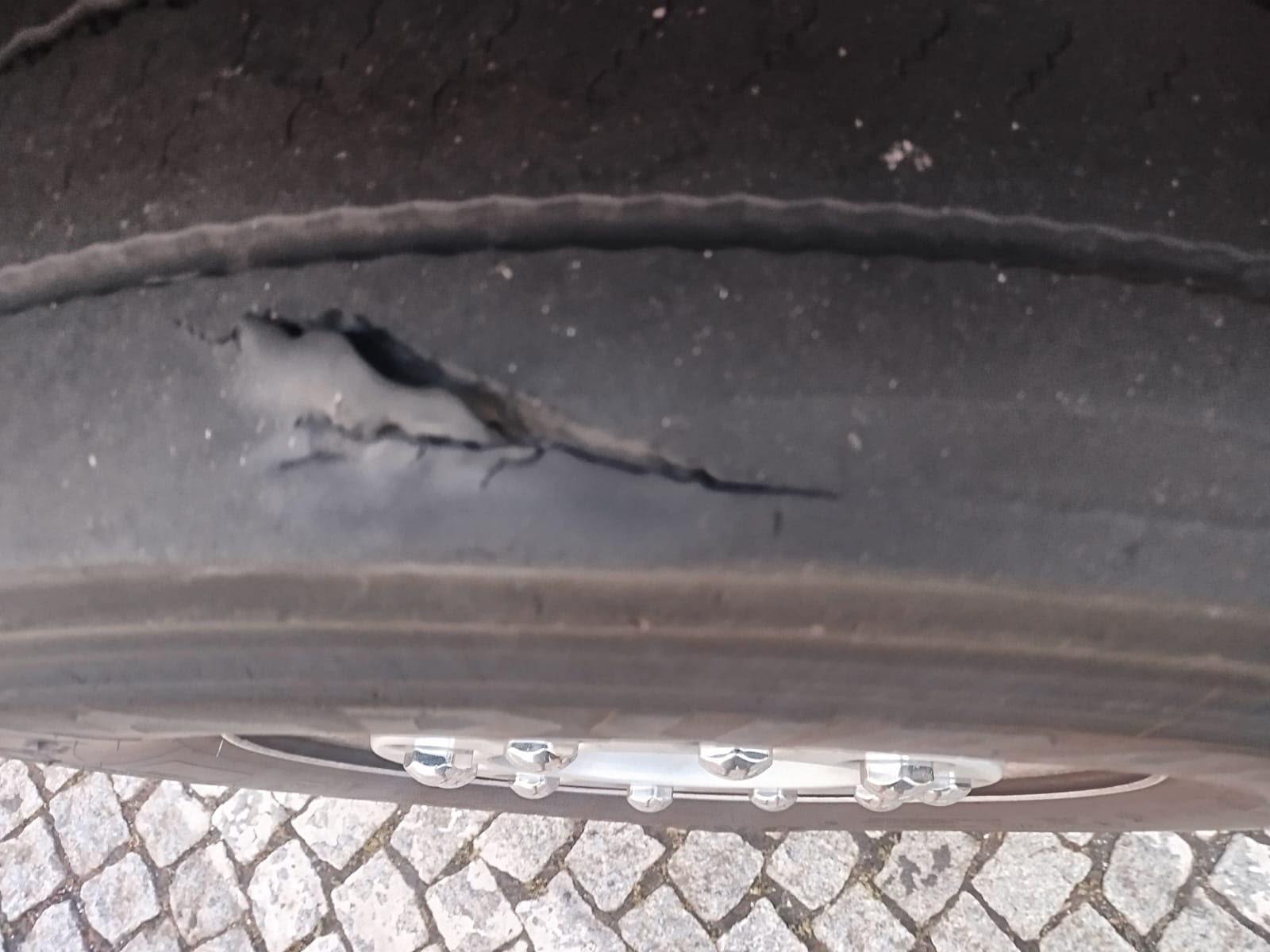
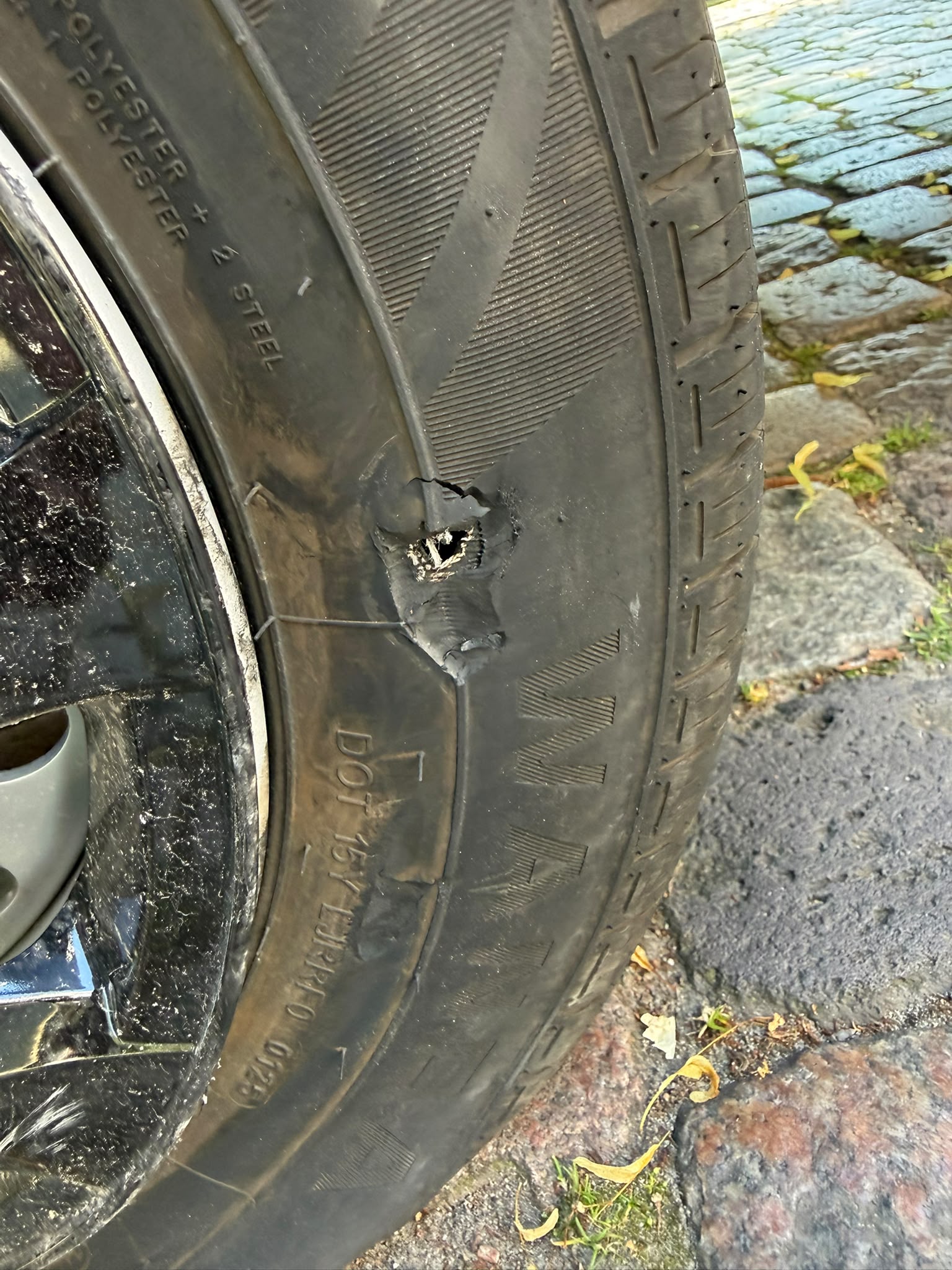
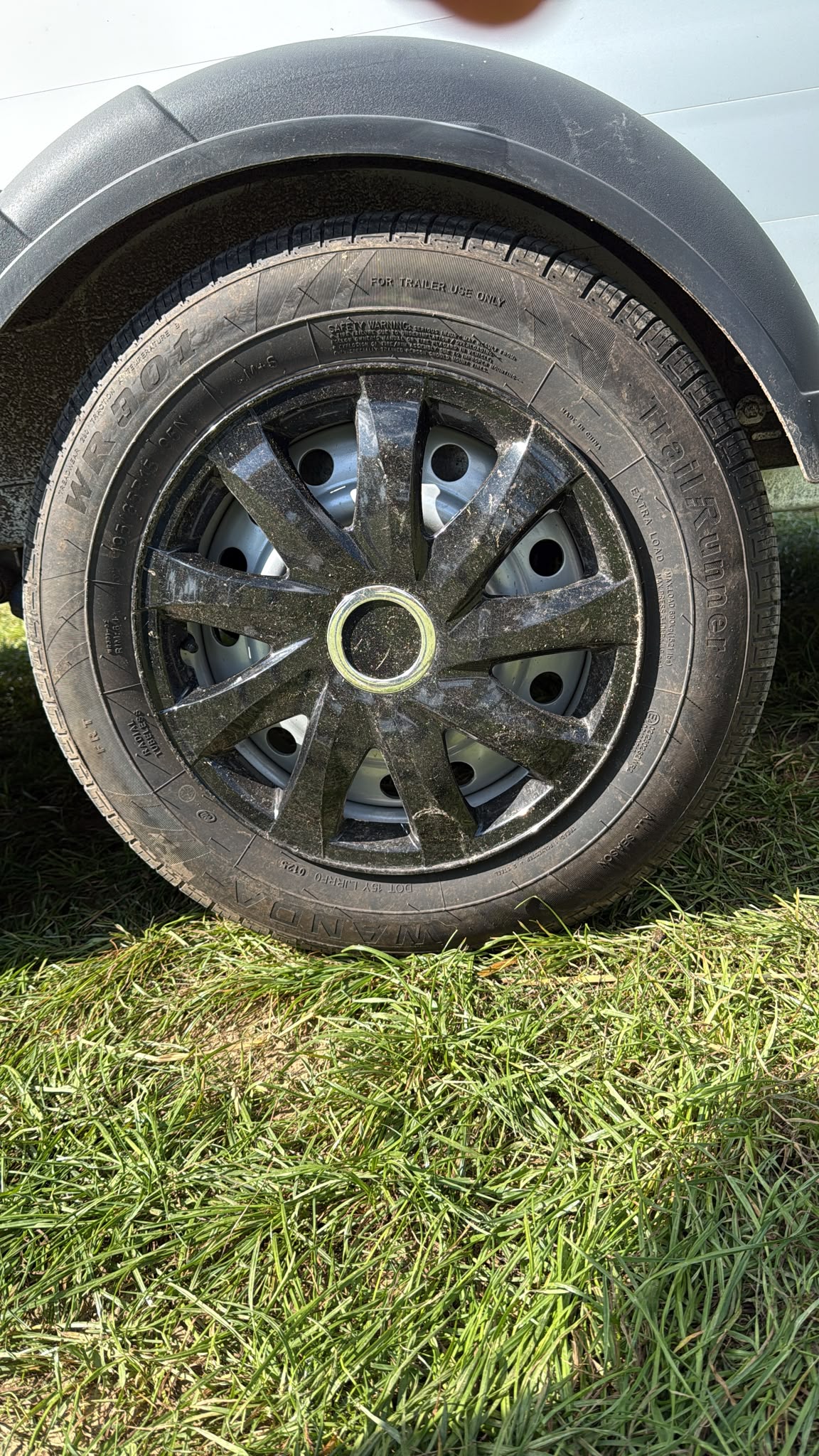
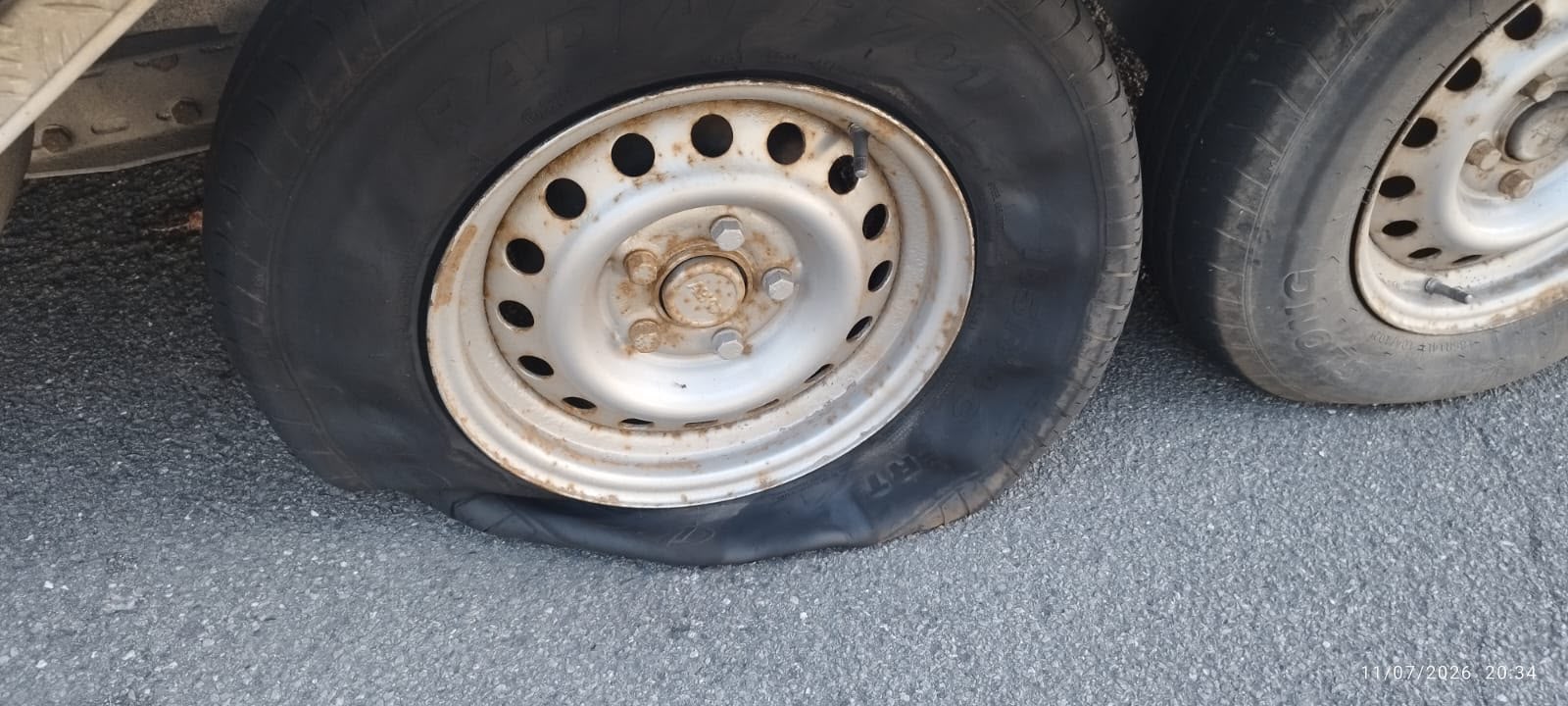
The driver had pulled the articulated combination — tractor unit plus semi-trailer — into the yard of the distribution centre to begin unloading. During the final manoeuvring into position, one of the trailer tyres caught a kerb edge hard enough to open the tread and sidewall. When the driver walked round for a routine check before backing onto the dock, he found a visible cut running from the tread into the sidewall, with the cord showing through in places. That is not a tyre you drive on again, not even for the short hop across the yard.
This is a genuinely common failure pattern for delivery fleets. Distribution centre yards are tight, kerbs are everywhere, and a trailer’s rear axles do not always follow the same line as the tractor unit through a turn. A moment’s misjudged angle, a wet kerb edge, a driver focused on the reversing camera rather than the wheel arch — and the tyre pays for it. Unlike a blowout on the autobahn, this kind of damage often shows up as a slow discovery: someone spots it during a walk-round, not with a bang.
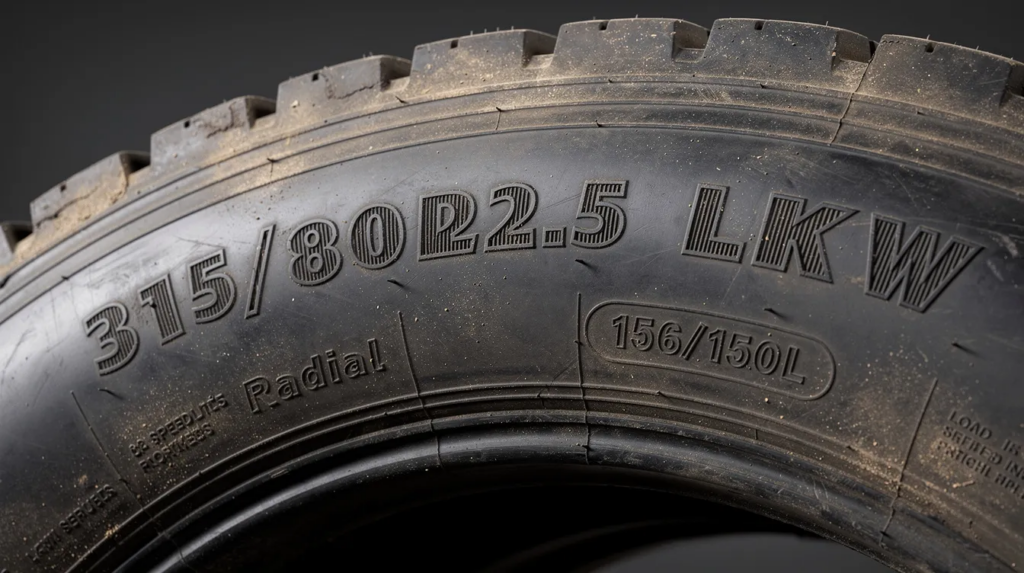
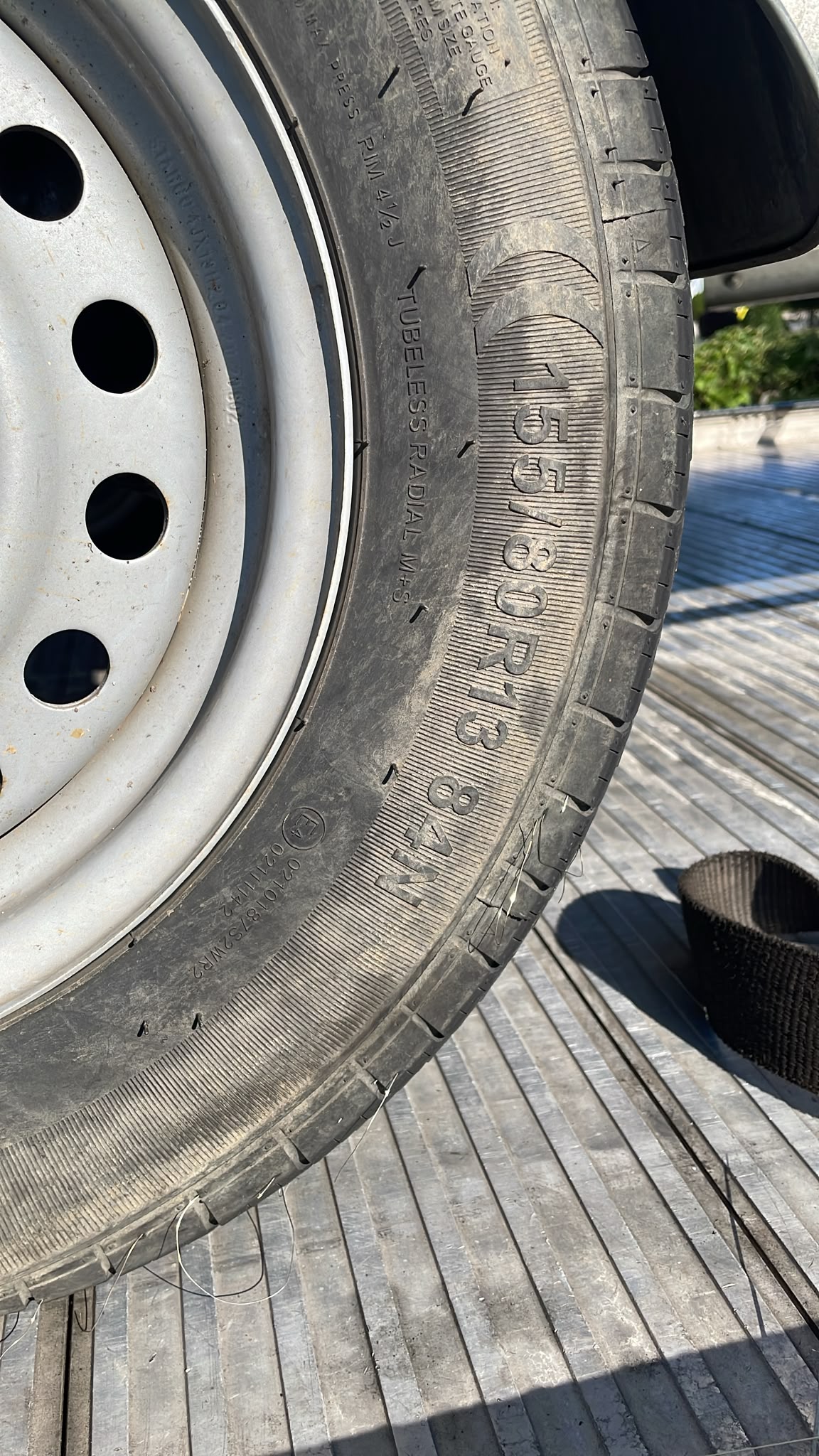
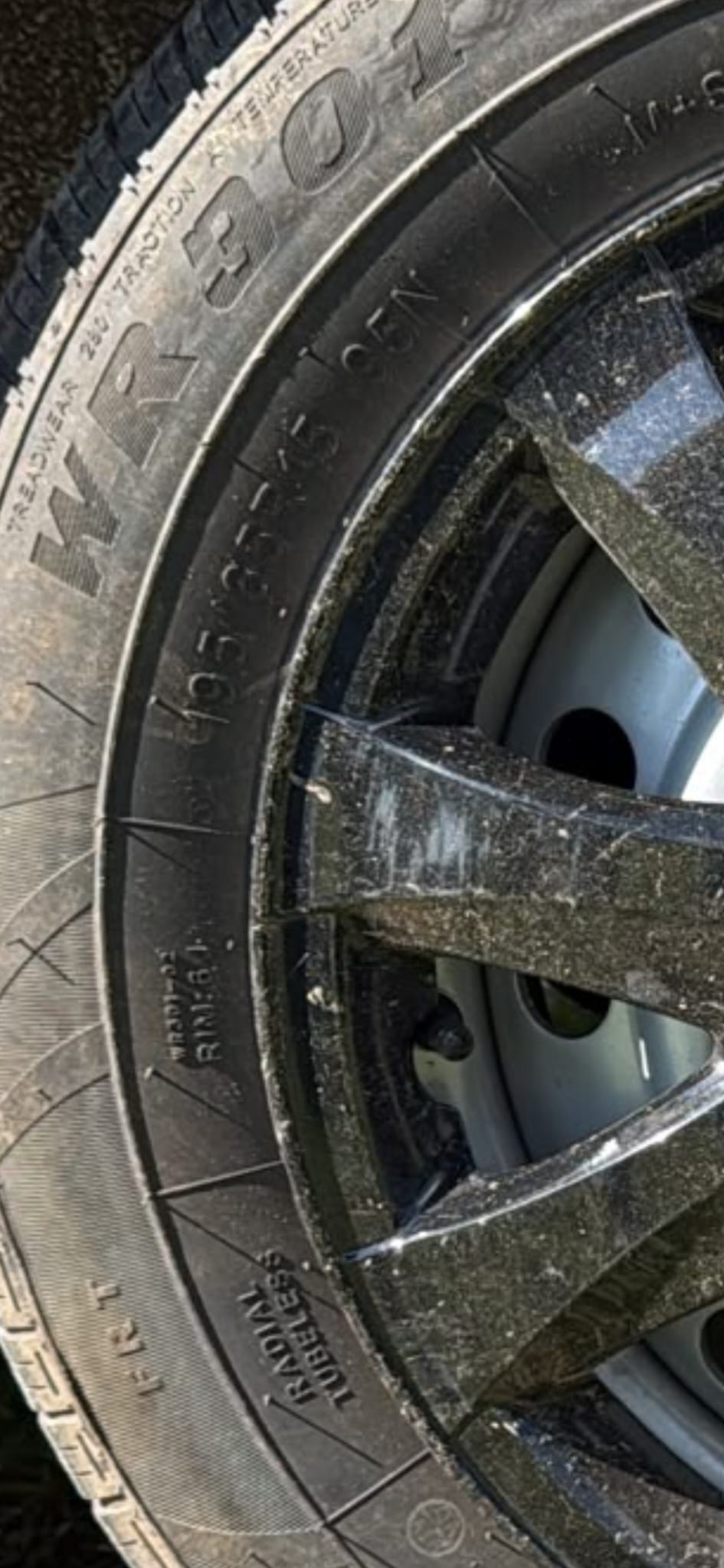
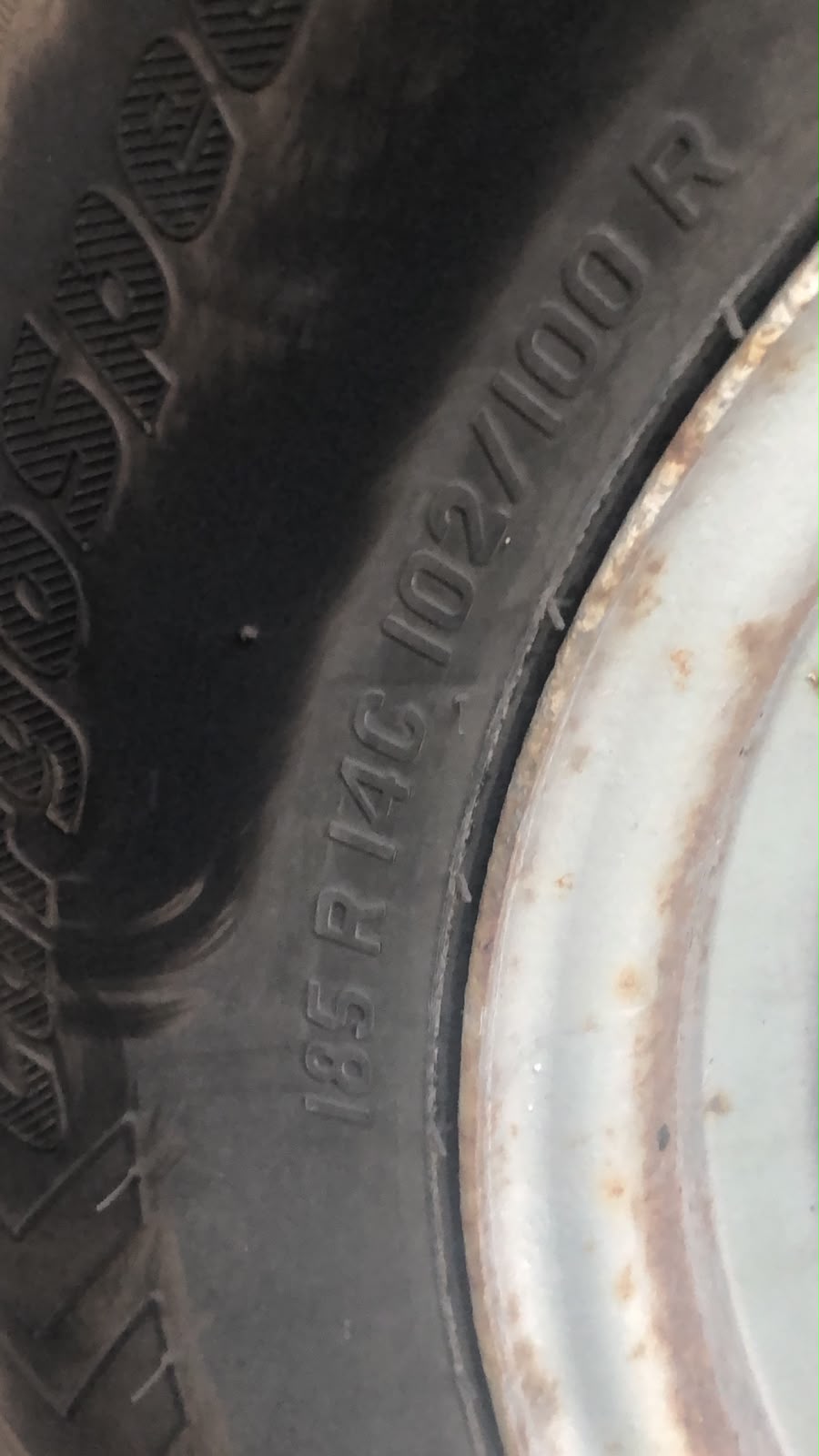
The tyre in question was a 245/70 R19.5, the standard trailer size for this class of articulated combination. With tread and sidewall compromised and cord exposed, there was no question of limping it to a workshop. It had to be changed on the spot.
Why the vehicle stays put and the service comes to it
This is the point where urban delivery breakdowns diverge sharply from the autobahn scenario most people picture when they think “truck breakdown assistance.” On the motorway, the truck is usually already stationary somewhere it should not be, and the priority is to clear the running lane. In a distribution centre yard, the truck is exactly where it is supposed to be — it just cannot move on to the next stage.
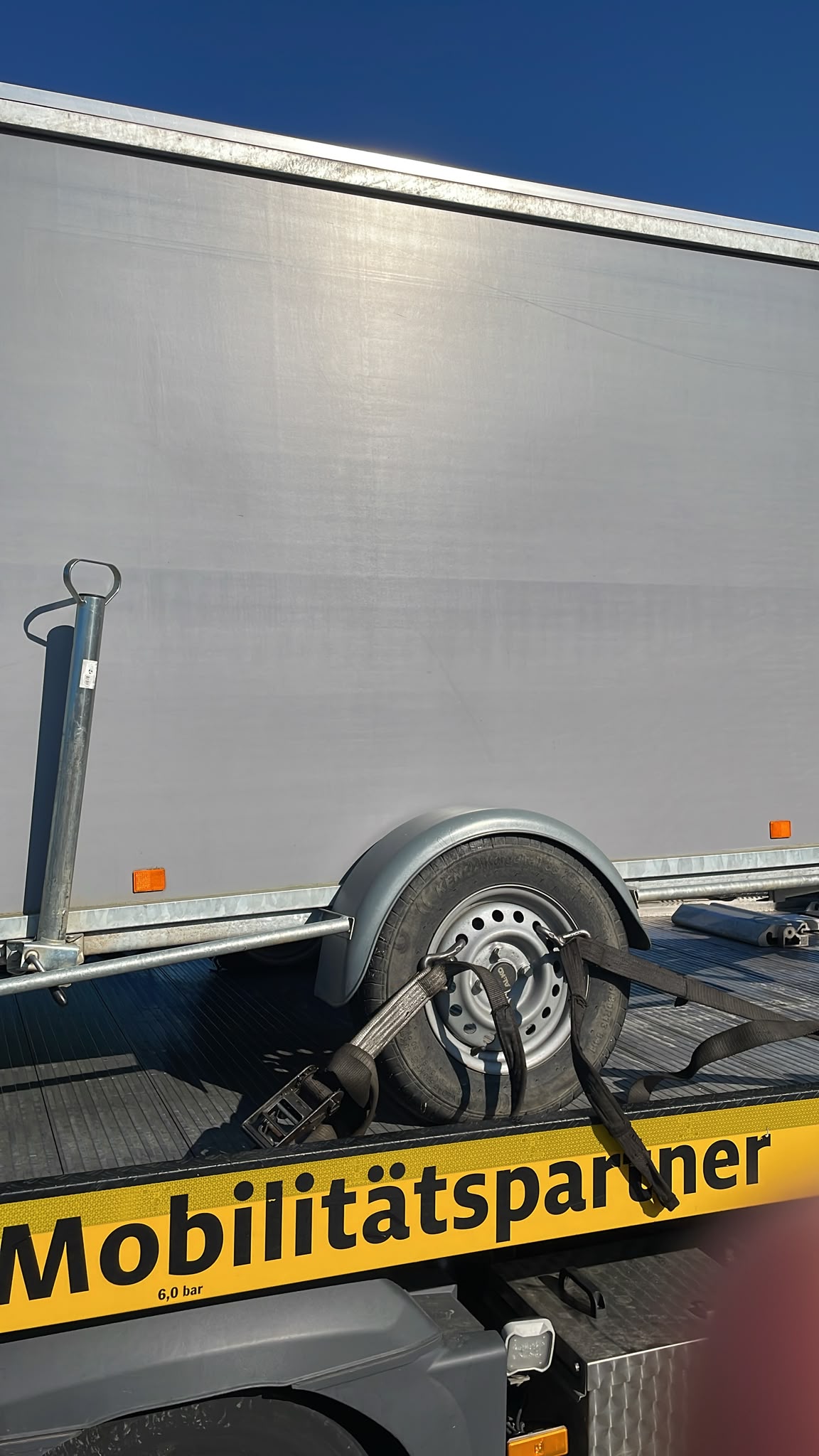
A loaded articulated trailer with a cut tyre cannot be driven across town to a workshop. Even a few hundred metres on a compromised carcass risks a full failure, potential rim damage, and — if the tyre lets go while manoeuvring near the dock or near staff on foot — a genuine safety incident. There is also the practical matter of the delivery schedule: pulling the vehicle out of the yard to find a workshop means giving up the dock slot, and dock slots at large retail distribution centres are not casually rebooked. Miss the window and the load may sit until the next day, with knock-on effects across the whole route.
So the only workable answer is mobile truck tyre service: bring the wheel, the tools, and the fitter to the yard, and get the vehicle back on its wheels without it ever leaving the site. That is the model this callout followed, and it is the model that most fleet operators running retail delivery routes now build into their contingency planning as standard.
How help was organised
The call came in during the evening, a weekday, around 20:34. Dispatch had the location, vehicle type, axle position and tyre size within minutes and began coordinating with our regional partner network for the Gütersloh area.
Steps taken:
- Driver call logged — location (distribution centre yard), vehicle configuration, tyre size 245/70 R19.5, damage description confirmed by phone.
- Nearest available fitter from our local partner team identified and dispatched — under 10 minutes from call to dispatch.
- Site access coordinated — because this was a working logistics yard, not open ground, the driver and site security cleared vehicle access for the service vehicle before arrival.
- Fitter en route with a matching replacement tyre already loaded, confirmed by phone with the driver during the approach.
- Arrival, inspection, repair, sign-off.
Because the distance involved was a short urban leg rather than a motorway diversion, the callout price for this job was 170 EUR net — noticeably below the 180–320 EUR range typical of an autobahn callout, where crews often have to cover much greater distances and deal with hard-shoulder access.

On site: yard conditions and safety considerations
Working inside an active distribution centre car park brings its own set of constraints that do not apply to a roadside job. The yard was still live with other trucks manoeuvring for loading and unloading, and warehouse staff were moving between vehicles on foot. Before any tools came out, the fitter and driver agreed a safe working position for the trailer, well clear of the main manoeuvring lanes, with hazard lights on and a warning triangle placed to alert other yard traffic.
Space for the jack was tighter than it would have been on a hard shoulder — yard surfaces are often uneven near loading bays, with drainage channels and raised kerbs nearby, so the fitter had to choose the jacking point carefully to keep the trailer stable. Because this is a food-logistics site, general yard cleanliness rules applied too: no loose debris left behind, old tyre and packaging removed rather than left at the kerb.
A quick check confirmed tyre pressure on the remaining trailer tyres sat within the normal 8.5–9.5 bar range expected for this axle load, which ruled out any wider pressure-related issue across the axle set. The rim was inspected closely for damage from the kerb strike, since a bent or cracked rim would have turned a straightforward wheel change into a bigger job — fortunately it came back clean.
Step-by-step: the wheel change
Step 1 — Inspection. The fitter confirmed the extent of the damage: a tread-to-sidewall cut with cord visible, unsuitable for any further driving. Rim, wheel hub and wheel bolts were checked for secondary damage from the kerb impact.
Step 2 — Securing the site. Warning triangle out, hazard lights on, hi-vis vest worn throughout, chocks placed, and a clear line agreed with the driver so neither of them stood in the path of other yard traffic during the work.
Step 3 — Wheel removal. Wheel bolts loosened in sequence, trailer raised on the jack at a stable point, damaged wheel removed and set aside for disposal.
Step 4 — Fitting the replacement. The new 245/70 R19.5 tyre was mounted and balanced, then fitted to the hub.
Step 5 — Final check. Wheel bolts tightened in a star pattern to the correct torque setting, tyre pressure set to spec, and a full visual check of the axle and surrounding wheel arch completed before the trailer was lowered and cleared for movement.
Timeline
| Time | Phase | Action |
|---|---|---|
| 20:34 | Call received | Driver reports trailer tyre damage in yard, unable to proceed to dock |
| 20:44 | Dispatch complete | Local partner team fitter assigned and en route with matching tyre |
| 21:09 | Arrival | Fitter on site, inspection begins |
| 21:09–22:04 | Repair | Wheel change carried out (approx. 55 minutes) |
| 22:04 | Complete | Trailer cleared, driver resumes to dock slot |
Total time from call to finish: around one hour thirty minutes — noticeably quicker than a comparable motorway callout, largely because the urban distance to site was short and access, once cleared by the yard, was straightforward.
Costs
| Item | Price (EUR, net) |
|---|---|
| Callout (Anfahrt) | 170 |
| Labour (1 hour) | 110 |
| Tyre 245/70 R19.5 | 360 |
| Old tyre disposal | 20 |
| Total (net, zzgl. VAT) | 660 |
What drives the price — and what downtime actually costs
Three things set the price on a job like this: the tyre itself, the labour, and the callout distance. Trailer tyres in the 245/70 R19.5 size are not cheap items — they carry heavy axle loads over long distances and need to be from a reputable manufacturer to hold up under continuous fleet use. The callout fee reflects the fitter’s time getting to site with the right stock already loaded, and the labour reflects the specialist nature of roadside — or in this case, yard-side — wheel changes carried out safely without a lift or pit.
It is worth setting 660 EUR net against what a stranded lorry actually costs a haulier or fleet operator per day of downtime. Industry estimates typically put lost revenue, driver hours, and contractual penalties for a truck out of service at somewhere between 800 and 1,200 EUR per day. A same-evening fix that keeps the delivery route on schedule is, in that light, cheap insurance rather than an unwelcome expense.
Why you need a professional, not a DIY fix
A driver carrying a spare and a jack can, in theory, attempt a wheel change alone. In a distribution centre yard, with other vehicles manoeuvring and staff on foot nearby, that is a genuinely bad idea. Wheel bolts on heavy trailer axles need to be tightened to a specific torque in a star pattern — get that wrong and the wheel can work loose within a few hundred kilometres, with consequences no haulier wants to think about. Jacking a loaded trailer on an uneven yard surface without the right equipment risks the jack slipping. And working roadside or yard-side without hi-vis, a warning triangle, and a clear line of sight to moving traffic is how minor breakdowns turn into serious incidents.
Professional tyre service brings the right tools, the right stock, and — just as importantly — the judgement to assess whether a rim, hub, or axle needs a closer look before the vehicle moves again.
Typical situations we respond to across Germany
Delivery and distribution work throws up a fairly predictable range of tyre problems, and our mobile truck service covers all of them, wherever in Germany they happen:
- Trailer tyre sidewall cuts from kerb strikes during tight yard manoeuvring.
- Slow punctures picked up on industrial estate access roads, discovered only at the next stop.
- Tread separation on high-mileage drawbar combination tyres running short, heavy legs.
- Steering axle damage on tractor units caused by potholes on unmade yard surfaces.
- Full towing service recovery where a wheel or axle fault goes beyond a straightforward tyre swap.
Prevention: reducing trailer tyre risk on delivery routes
A few habits make a measurable difference for fleets running frequent yard manoeuvres:
- Walk round the trailer at every stop, not just at the start and end of the shift, checking tread depth and sidewalls for early signs of kerb contact.
- Keep tyre pressure within the manufacturer’s recommended range for the axle load — under-inflation is a major contributor to sidewall damage on tight turns.
- Brief drivers specifically on trailer swing during reversing manoeuvres; the trailer’s rear axles cut a tighter or wider line than the cab, depending on the turn, and misjudging that is the single most common cause of kerb strikes.
- Have axle and brake components checked periodically — BPW trailer axle systems are widely used across German fleets and benefit from regular inspection alongside tyre checks.
- Keep a record of tread depth readings; German road traffic law sets a minimum legal tread depth, and §36 StVZO is worth every fleet manager’s attention.
Fleet service contracts: why hauliers keep a number on speed-dial
For operators running regular retail delivery routes, one-off callouts add up. Many hauliers and logistics operators now hold standing agreements with mobile tyre services that cover their whole fleet, and the appeal is straightforward:
- Fixed callout rates agreed in advance, removing price uncertainty from an already stressful moment.
- Priority dispatch, so a fleet vehicle at a dock slot does not wait behind other jobs in the queue.
- Reporting on tyre failures across the fleet, which helps identify recurring problems — a particular yard, a particular driver habit, a batch of tyres wearing faster than expected.
- A single point of contact for truck service needs beyond tyres, from lighting faults to minor mechanical issues discovered during a delivery run.
Retail distribution centres themselves increasingly favour hauliers who can demonstrate this kind of contracted breakdown cover, simply because a supplier who can guarantee a fast fix keeps dock schedules intact for everyone using the site that day.
Trailer tyres and delivery-fleet wear patterns
Delivery fleet tyres live a harder life than long-haul autobahn tyres in some respects, even though they cover fewer kilometres. Short legs mean more starts, stops, and turns per kilometre travelled. Heavy manoeuvring in tight yards means more sidewall exposure to kerbs, bollards and loading equipment. The combination of a loaded trailer, low speed, and sharp steering angles puts real stress on the tyre’s shoulder and sidewall — exactly where this Gütersloh tyre failed.
Reputable brands such as Michelin, Continental, Goodyear and Bridgestone all produce trailer-specific tyres designed with reinforced sidewalls for exactly this kind of urban delivery use, and fleets running frequent yard work do well to specify these ranges rather than a general-purpose long-haul carcass. A tyre’s carcass construction, load rating and speed rating all matter here — a trailer tyre rated for sustained high-speed autobahn running is not automatically the best choice for a fleet doing dozens of tight low-speed manoeuvres a day, and vice versa. Regular TÜV checks as part of a fleet’s maintenance schedule catch wear patterns before they become roadside failures.
Wheel balancing after any tyre change is not optional either — an unbalanced trailer wheel vibrates at speed, accelerates wear on the new tyre, and can loosen wheel bolts over time if left unaddressed. Every fitting our partner teams carry out includes a balance check as standard.
Why choose our service
Fleets and individual drivers across Germany call us for a few consistent reasons:
- 24/7 availability — a tyre does not check the clock, and neither do we; this callout came in at 20:34 on a weekday evening and was resolved before 22:04.
- A verified network of local partner teams covering both motorway and urban/industrial locations, so response times stay realistic whether the vehicle is on the A2 or in a distribution centre yard.
- Transparent pricing agreed before work begins, with net costs broken down item by item as shown in the table above.
- Multilingual dispatch, recognising that drivers on German roads come from right across Europe and need to explain a breakdown in their own language.
Frequently asked questions
How quickly can you reach a distribution centre or industrial yard?
Urban and off-motorway callouts are often faster than autobahn jobs because the distances involved tend to be shorter. In this Gütersloh case, dispatch took 10 minutes and arrival followed 25 minutes later — about 35 minutes from call to fitter on site.
Can you access private or restricted logistics sites?
Yes, provided the driver or site security grants access, which we coordinate as part of the callout. Most distribution centres are used to breakdown vehicles entering briefly for exactly this kind of job.
Why was the callout fee lower than a typical motorway job?
Callout pricing reflects distance and access conditions. A short urban leg to a yard within town, as in this case, costs less than a longer haul out to an isolated stretch of autobahn, which is why this callout came to 170 EUR net rather than the 180–320 EUR range typical of motorway jobs.
What happens if the rim is damaged too, not just the tyre?
The fitter checks the rim during inspection before fitting a replacement tyre. If damage is found, we advise the driver immediately and arrange further support, which may include towing if the wheel cannot be safely fitted.
Do you carry trailer tyre sizes like 245/70 R19.5 as standard stock?
Yes, this is one of the most common trailer sizes on German roads, and our partner teams carry it routinely, which is why the replacement here was ready and loaded before the fitter even arrived on site.
Do you offer fleet contracts for recurring delivery routes?
Yes — many haulage and logistics operators running regular retail delivery routes hold standing agreements with us covering fixed rates, priority dispatch, and fleet-wide reporting. Contact us via our contacts page to discuss terms.
Summary
On the evening of 11 July 2026, an articulated truck delivering to a major retail chain’s distribution centre in Gütersloh suffered a trailer tyre cut during yard manoeuvring — tread and sidewall damage with cord exposed, tyre size 245/70 R19.5. Rather than the vehicle travelling to a workshop and losing its dock slot, our regional partner network brought the fix to the yard: dispatch in 10 minutes, arrival in 25, and the wheel change completed in 55 minutes, for a total call-to-finish time of about one hour thirty minutes. Total cost came to 660 EUR net, against a stranded-truck downtime cost typically estimated at 800–1,200 EUR per day — a straightforward case for keeping a mobile truck tyre service on call for any fleet running tight delivery windows.
Whether it is a distribution centre yard, an industrial estate, or the hard shoulder of the autobahn, the principle stays the same: get the right tyre and a qualified fitter to the vehicle, safely and fast, and keep the route moving.
Get help now
Call us any time, day or night: +49 160 5753826. We cover truck and trailer breakdowns across all of Germany, 24 hours a day, seven days a week. More information at www.lkwhelp24.com.
Keywords: truck tyre service | trailer tyre change | mobile truck tyre service Germany | articulated truck breakdown | distribution centre tyre repair | fleet tyre service | 245/70 R19.5 | Gütersloh truck service | 24/7 truck breakdown assistance | delivery fleet tyre damage