Skip to content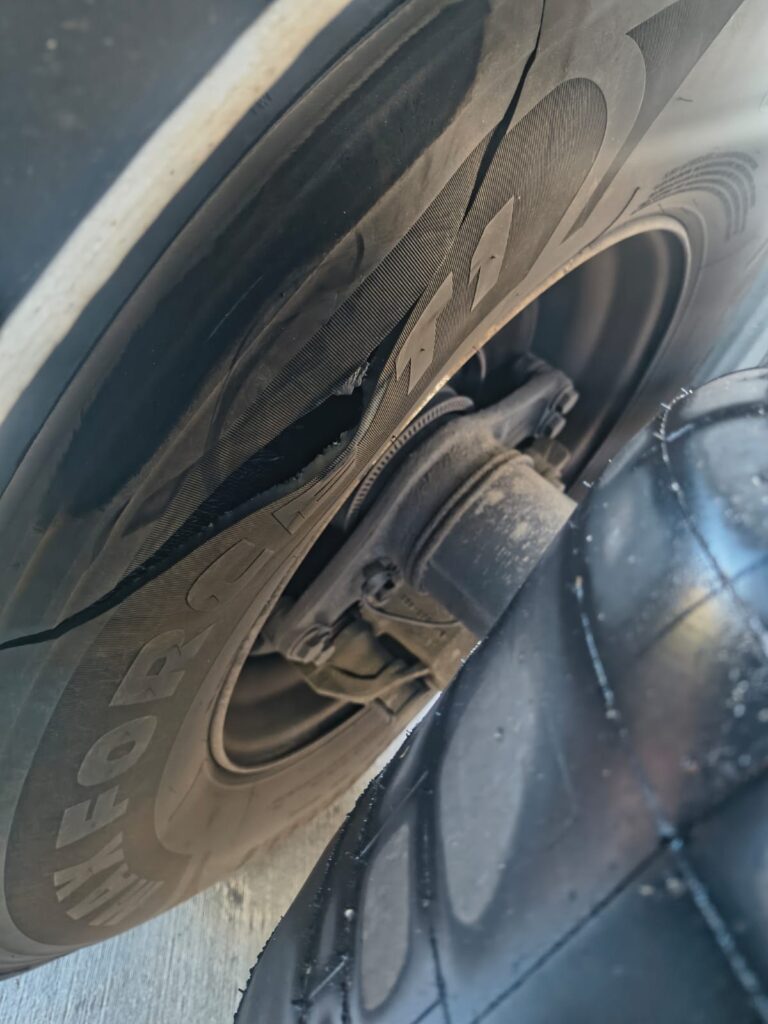
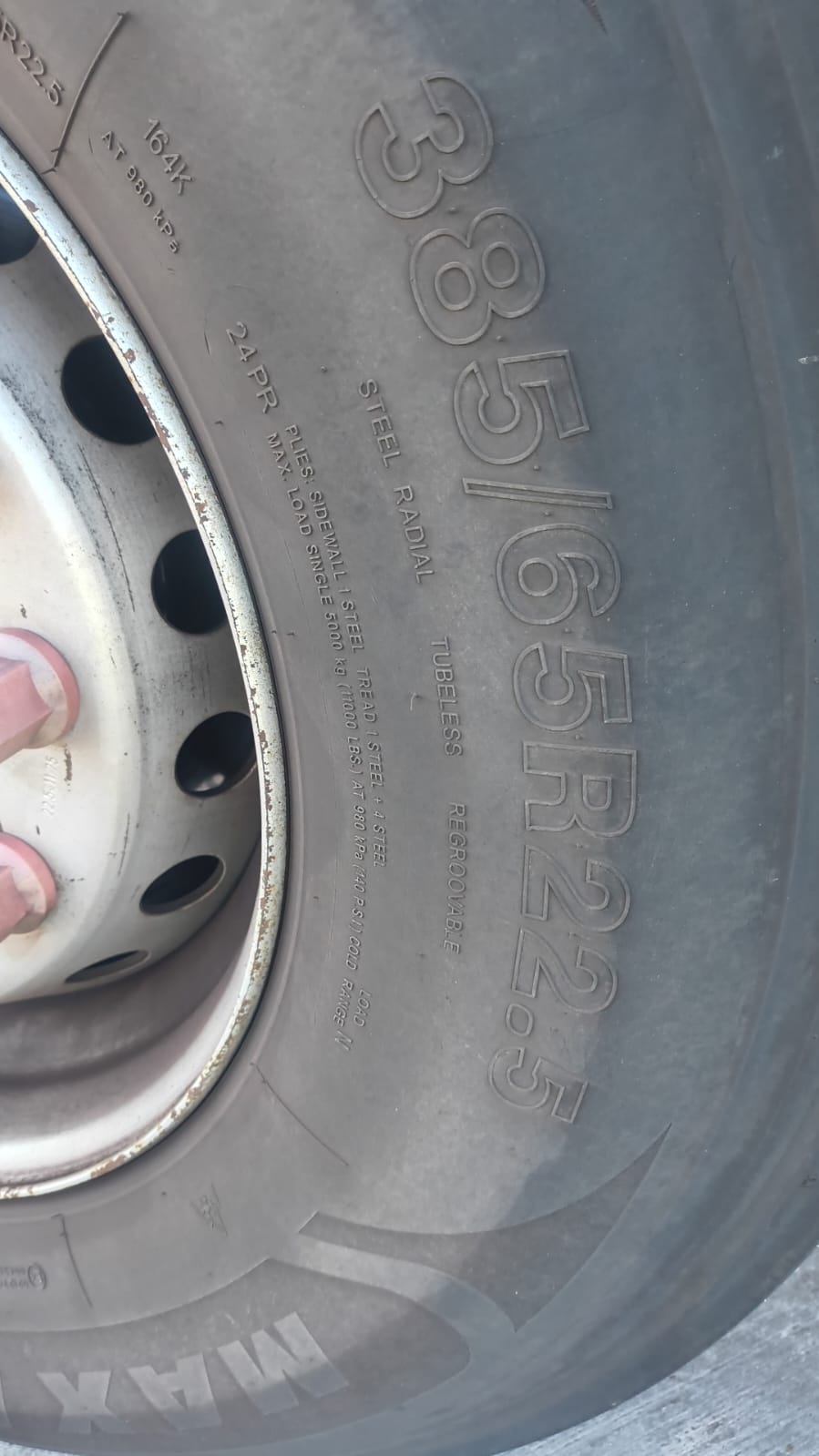
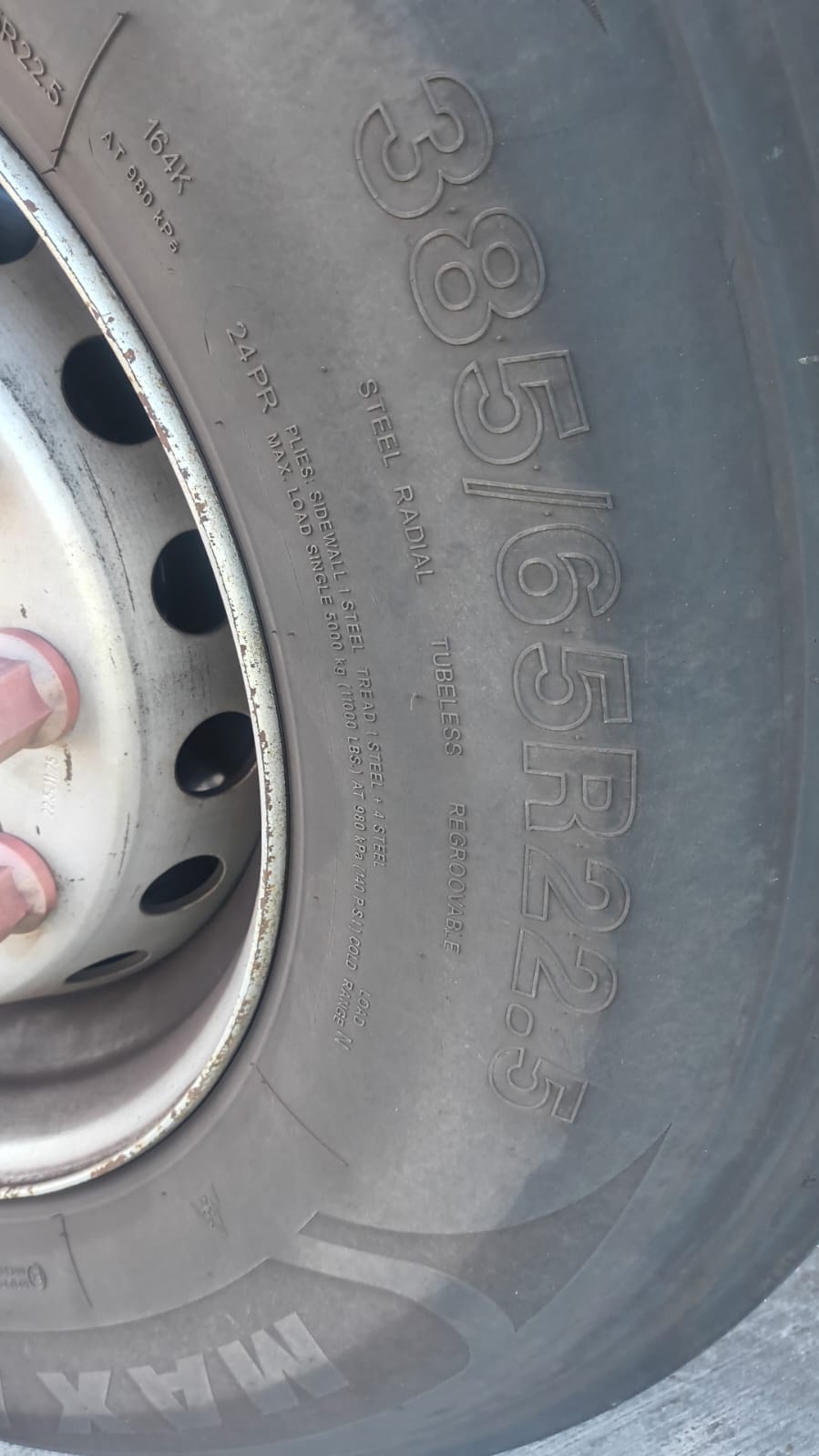
TL;DR: On 13 August 2026, a driver doing a pre-departure walkaround at a logistics terminal in Duisburg found a deep cut in a trailer tyre, size 385/65 R22.5, running right down to the cord. From the call at 11:11 to the lorry being roadworthy again, 1 hour 45 minutes passed. Repair was not an option once the steel cord was exposed, so the tyre was replaced. Total net cost: €810.
A tyre defect spotted in a yard is an inconvenience. The same defect discovered on the motorway at speed can cost a wheel, a rim, and in the worst case, control of the trailer. The difference between the two outcomes usually comes down to a three-minute walkaround before pulling out of the gate.
That is exactly what happened on 13 August. Instead of a blowout on the carriageway, a technician from our partner network arrived at a logistics yard, swapped the wheel, and sent the driver on his way — no hazard lights on the hard shoulder, no risk to passing traffic, just a routine call-out that shows what a daily tyre check is actually worth.
What Happened: A Cut Down to the Cord, Found Before Departure
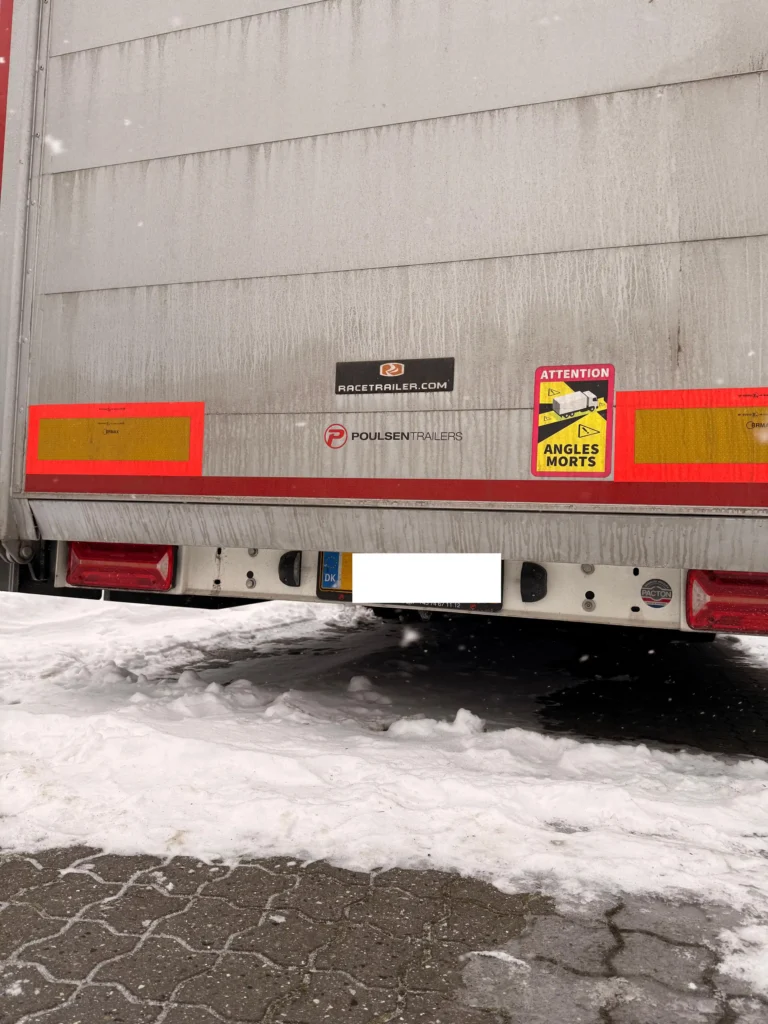
A semi-trailer was loading at a logistics terminal in the Duisburg area, in the heart of the Ruhr region. Before pulling out towards the motorway, the driver carried out the walkaround he is required to do — checking tyres, lights, and load securing.
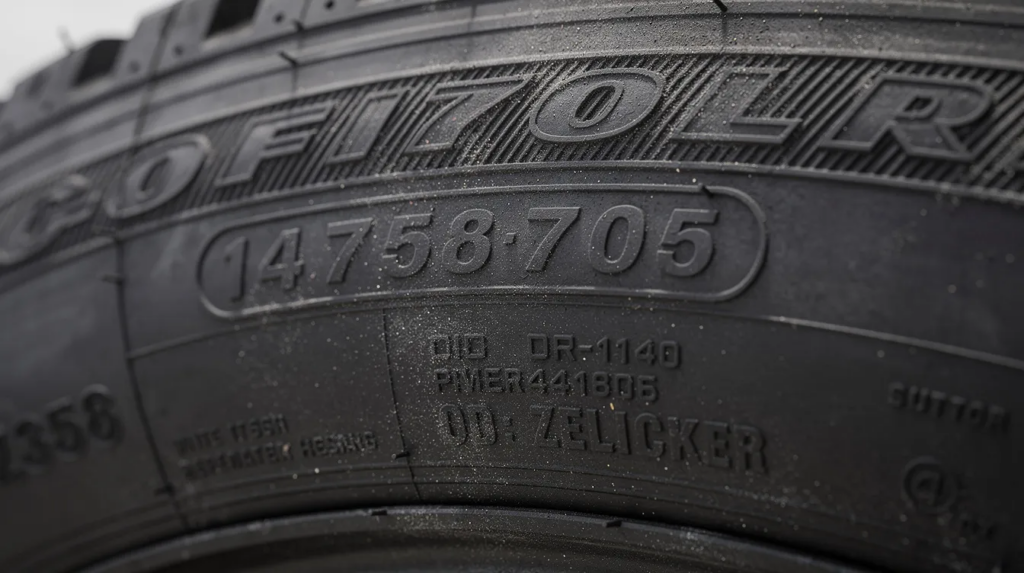
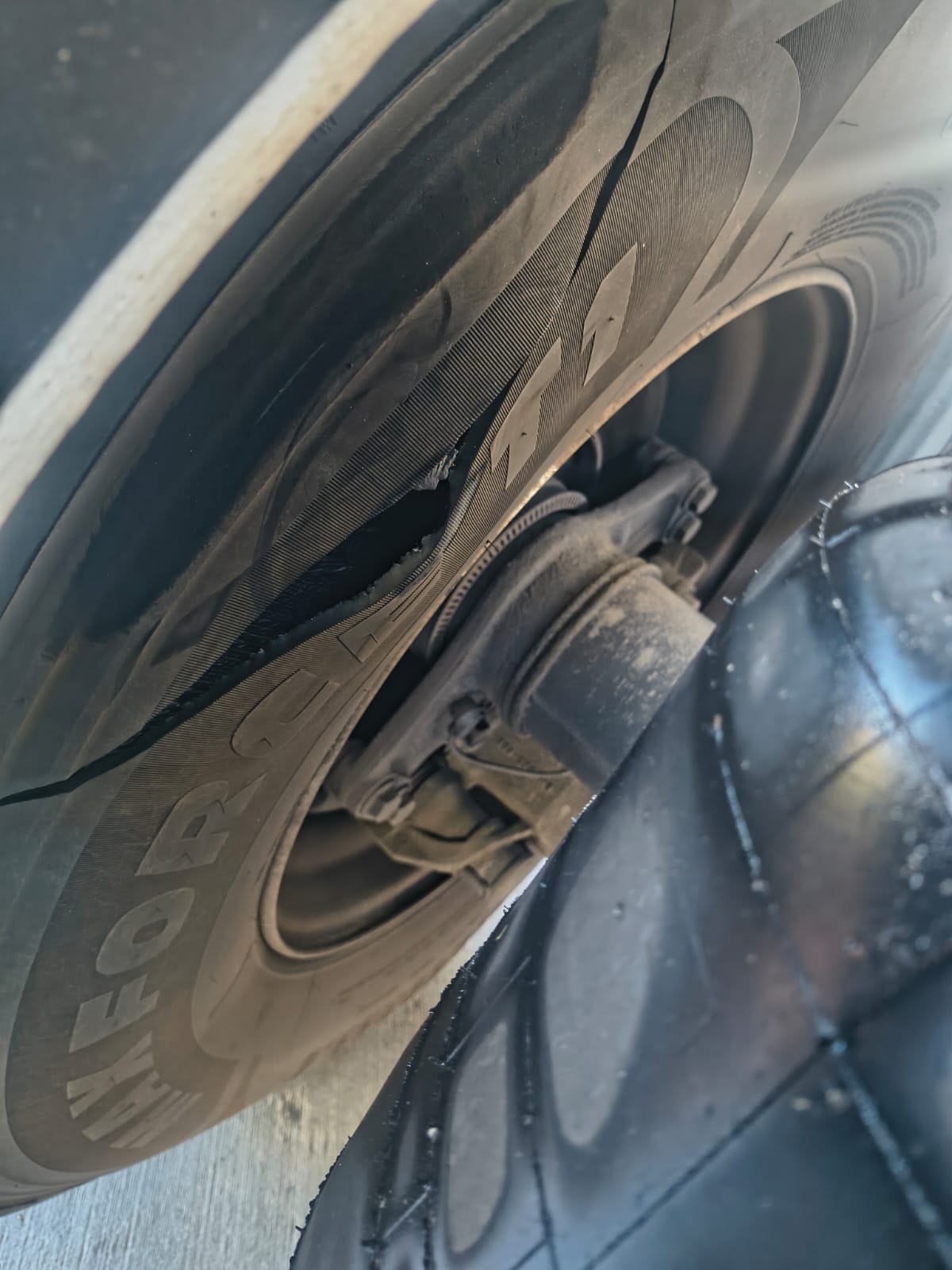
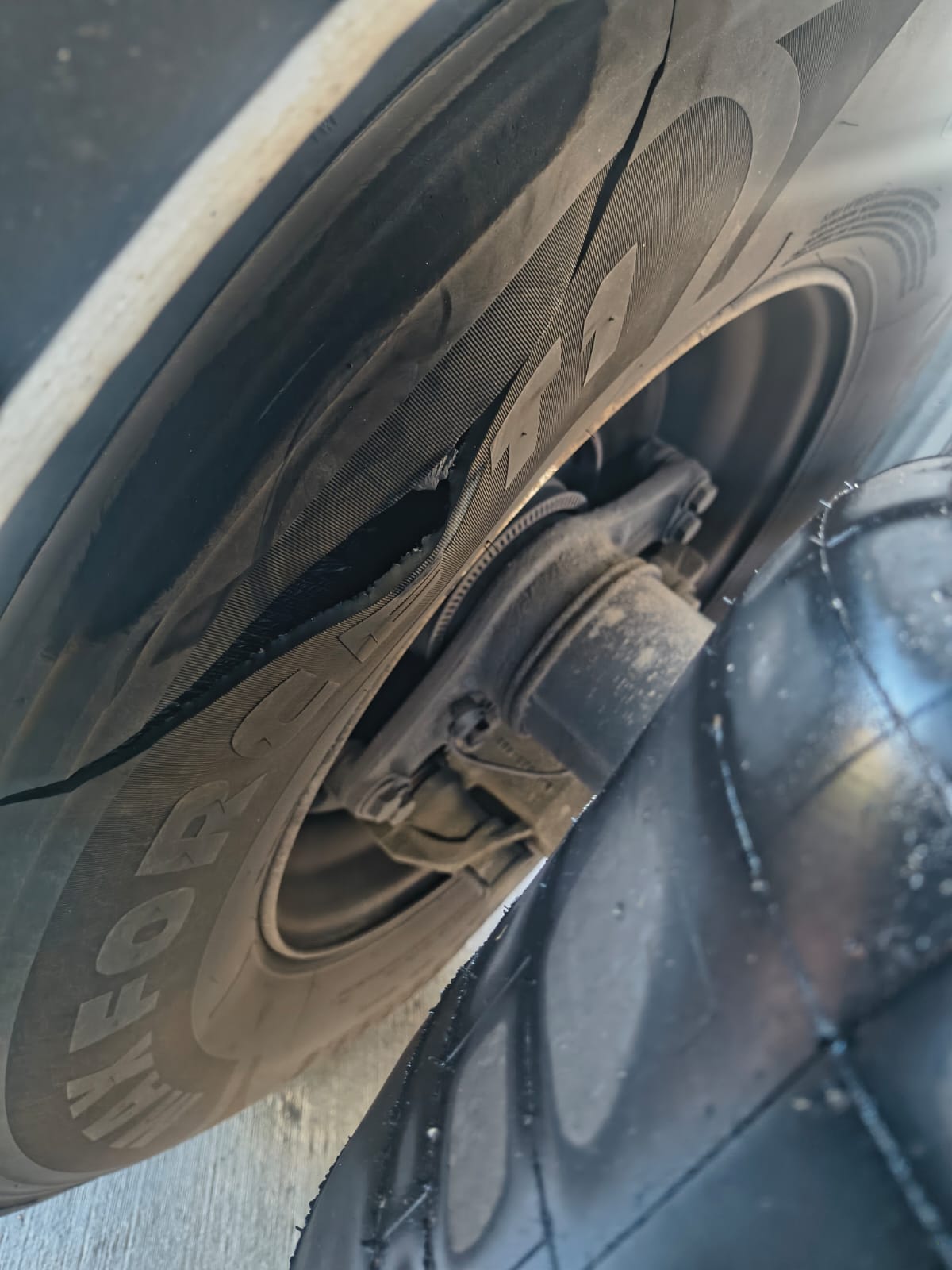
On the trailer axle tyre, size 385/65 R22.5, he found a deep cut running across the tread. Not a shallow scuff, but a cut deep enough to expose the steel cord underneath. A sharp object on the yard or in the loading area had sliced straight through the rubber.
He knew what that meant: a tyre in that state does not belong on the autobahn. He called our 24/7 breakdown line at 11:11.
How We Organised the Response
Our dispatch team works around the clock across Germany and handles calls in several languages; this call was managed in German. The workflow for every call follows the same pattern:
- Take the call and log the damage — location, tyre size, vehicle type, yard accessibility.
- Request a photo — a phone picture of the cut tells us instantly whether repair is even a possibility or whether a replacement tyre needs to come out with the technician.
- Activate a partner workshop in the area — our network around Duisburg and the wider Ruhr region is dense enough to keep travel times short.
- Reserve the correct tyre — once cord exposure was confirmed, a matching tyre was pulled from the partner’s stock immediately, avoiding a second trip.
- Confirm ETA with the driver — so the haulier can plan the standing time realistically.
Those five steps took 15 minutes in this case. The technician was on the road shortly after.
Why a Tyre Defect Found on the Yard Is Still Serious
At first glance, damage found on private ground looks less dramatic than a defect discovered on the motorway — no speed, no traffic, no rush. That does not make it any less of a safety issue.
The relevant German rule is § 36 of the StVZO, which sets requirements for tyre condition: tyres must be fit for the vehicle’s maximum speed and axle load and must not carry damage that compromises roadworthiness. A tyre with exposed steel cord no longer meets that bar — continuing the journey is not permitted.
A few technical basics worth keeping in mind for any HGV tyre:
- Tyre pressure: heavy-goods tyres typically run at 8.5–9.5 bar, depending on axle load and tyre type.
- Axle load: a trailer axle fitted with 385/65 R22.5 tyres commonly carries several tonnes per axle — each tyre is working close to its rated limit constantly.
- Rim risk: if an already-damaged tyre fails at speed, the sudden pressure loss can bend or crack the rim, adding significantly to the repair bill.
A defect found on the yard can be fixed calmly. The same defect at 85 km/h on the autobahn means uncontrolled pressure loss, a real risk of losing control of the trailer, and potentially a full carriageway closure.
Repair or Replace? The Rule That Decides Both Cost and Safety
Whether a lorry tyre can be repaired depends on two things: where the damage sits and how deep it goes. Only the central tread zone is repairable — the shoulder area and the sidewall are not, as a rule.
That boundary is not an arbitrary workshop convention; it follows the physics of a rolling tyre. In the central tread, the carcass flexes fairly evenly as the tyre rotates. In the shoulder and sidewall, the material bends far more with every rotation and generates more heat through flex work. A repair patch sitting exactly where the stress is highest simply will not hold up under that continuous load.
For sizing, the general rule of thumb on lorry tyres is: a puncture in the central tread up to roughly 6 mm in diameter is repairable, provided it sits centrally and hasn’t cut through the fabric ply. Anything larger, and any cut that severs the cord, almost always means replacement.
Exposed cord is the clearest reason to replace, not repair. Once the steel plies are visible, moisture gets in. The steel starts to corrode and the bond between cord and rubber begins to fail from the inside — a process that is invisible from the outside until the tyre suddenly gives way. Even a cosmetically neat outer patch would not stop that internal decay. That is exactly the situation with this trailer tyre in Duisburg: the cut went through to the fabric ply, so repair was never on the table.
What a Proper Tyre Repair Actually Involves
When damage does sit within the repairable zone, a correct repair follows this sequence:
- Remove the tyre from the rim — repairing a puncture from the outside without demounting the tyre is not an acceptable method for a through-cut.
- Inspect the carcass from the inside for hidden damage that wasn’t visible externally.
- Buff and clean the damaged area from the inside so the repair material can bond properly.
- Fit and vulcanise a mushroom plug/patch combination — heat and pressure fuse the repair material to the rubber permanently.
- Balance and check final pressure before remounting.
An externally applied string plug, sometimes called a rope repair, is at best a temporary fix to limp to the next workshop — it is not a lasting repair. It seals the tread surface but does not bond the damaged fabric plies inside and does nothing to stop further moisture reaching the cord. Manufacturers such as Continental and Michelin specify internal repair as the only accepted method for commercial vehicle tyres in their technical guidelines. It’s also standard practice that a repaired tyre never goes back on a steering axle — only on drive or trailer axles.
The On-Site Process: Five Steps to Getting Back on the Road
For this trailer in Duisburg, repair was ruled out the moment the cord was visible. The technician still followed the same structured sequence used on every call-out:
- Visual inspection and photo documentation of the damage, checked against the earlier phone assessment.
- Secure the vehicle — wheel chocks in place, parking brake confirmed, hi-vis on, work area around the trailer marked out.
- Loosen the wheel nuts, lift the trailer, remove the wheel — on an air-suspended trailer axle, the air spring is deflated before lifting to avoid damaging the suspension.
- Fit the new 385/65 R22.5 tyre, balance it, refit the wheel.
- Torque the wheel nuts in a star pattern to the specified figure with a torque wrench, set final pressure to 8.5–9.5 bar, and log it.
That last step is not a box-ticking exercise. Unevenly torqued nuts can throw a brake disc or drum out of true and can work loose while driving — precisely the kind of failure a morning walkaround is meant to prevent.
The Full Timeline
| Time | Phase | Action |
|---|---|---|
| 11:11 | Call received | Driver reports the damage during the pre-departure check, calls the breakdown line |
| 11:11–11:26 | Dispatch (15 min) | Damage logged, photo reviewed, partner workshop and tyre confirmed |
| 11:26–12:11 | Travel (45 min) | Technician drives to the terminal in Duisburg |
| 12:11–12:56 | Tyre replacement (45 min) | Inspection, wheel removal, new tyre fitted, torque and pressure check |
| 12:56 | Job complete | Trailer roadworthy, driver continues the journey |
Total time from the call to being back on the road: 1 hour 45 minutes.
What the Call-Out Cost
| Item | Price (net, EUR) |
|---|---|
| Call-out fee | €220 |
| Labour (0.75 hr) | €90 |
| Lorry tyre 385/65 R22.5 | €480 |
| Old tyre disposal | €20 |
| Total | €810 |
All figures net, plus VAT. For comparison: had the damage sat within the repairable central tread and been small enough, a proper vulcanised repair would have cost somewhere in the region of €60–120 — a fraction of the replacement price. That is exactly why a daily walkaround pays off: catching a small defect early usually means paying a fraction of what a large one costs later.
The alternative to a quick call-out is downtime. A stationary artic realistically costs €800–1,200 per day, depending on load, contract terms, and any late-delivery penalties — that’s before factoring in missed loading slots. Against that backdrop, €810 for a tyre swap looks like a modest outlay.
Why This Job Needs a Professional
Swapping a wheel on a trailer axle sounds routine, but it’s more technically demanding than it looks:
- Incorrect torque leads to vibration, imbalance or, in the worst case, wheel nuts working loose while driving.
- Skipping the internal carcass check misses secondary damage that later causes a blowout.
- Wrong tools for HGV wheels (well over 100 kg per wheel on twin-tyre setups) put whoever is doing the job at real risk.
- Missing tyre documentation (DOT date, load index, speed rating) can trigger issues at a roadside check if the replacement doesn’t match the axle load.
- No access to the right tyre size on site — without a partner network, standing time can stretch to hours.
A certified technician backed by a regional stock network cuts every one of those risks down to almost nothing.
Common Call-Outs We Handle Across Germany
Our mobile truck tyre service covers a wide range of damage reported to us every day:
- Blowouts on the motorway while driving, often combined with rim damage — as in this call-out near Trier.
- Tread cuts and punctures found during pre-departure checks in yards and terminals — as in this case.
- Nail or debris punctures on construction sites or terminal grounds.
- Air spring damage around the trailer axle, which often shows up alongside tyre damage — see our report from near Berlin.
- Winter-related tyre emergencies during cold snaps, covered in our article on winter tyre rules for HGVs.
- Sudden pressure loss picked up by TPMS before the driver even notices anything visually.
Our 24/7 truck tyre service is reachable across Germany, whether the problem shows up on the motorway, a company yard, or a terminal like the one in Duisburg.
Prevention Beats Repair: Practical Steps for Fleets
The most effective way to cut expensive tyre failures is prevention, not reaction. Concrete recommendations for drivers and fleet managers:
- Do a daily walkaround before every departure, not just when something looks obviously wrong. That is precisely how this defect in Duisburg was caught.
- Check the full circumference, not just the visible side — on twin-tyre setups, check the inner tyre with a torch, since it’s barely visible from outside.
- Clear stones and debris from the tread grooves. A wedged stone can hide a cut underneath and often goes unnoticed until the next workshop inspection.
- Check pressure with a gauge regularly, not by eye — under-inflation increases flex work and raises the risk of damage significantly.
- Log tread depth and replace tyres before they reach the legal minimum, rather than running them right down to the limit.
- Stick to fleet maintenance intervals — axle alignment and tyre rotation measurably extend service life.
Terminal grounds with heavy shunting traffic, loading rails, and stray packaging debris carry a higher risk of cut damage than the open motorway. A methodical check before pulling out isn’t red tape — it’s the cheapest insurance a fleet has.
Tyres, Brands and Fleet Care: What Dispatchers Should Know
Replacement tyres for trailers and tractor units on the German market are dominated by manufacturers such as Continental, Michelin, Goodyear and Bridgestone. For 385/65 R22.5, typically fitted to trailer axles, all four offer both new and retreaded options — retreads work well technically on non-driven trailer axles and cost less upfront.
Key figures worth knowing when choosing a tyre:
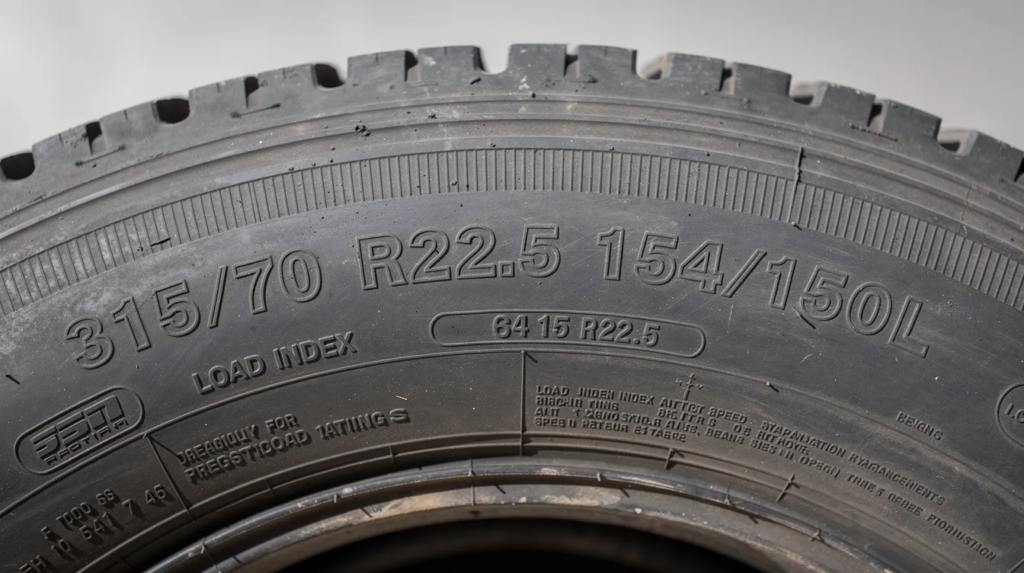
- Load index: states the maximum load a single tyre can carry; on trailers it must match the axle load, or premature wear and even failure become likely.
- Speed rating: defines the tyre’s maximum permitted speed; mixed axle fitments must stay compatible across all positions.
- Tread depth: the legal minimum for lorry tyres in Germany sits below the passenger-car minimum, but grip drops noticeably as wear progresses, especially in wet conditions.
Fleets that build tyre checks into their standard departure checklist see a measurable drop in unplanned downtime — an investment that pays for itself after just a handful of avoided call-outs.
Why Hauliers and Drivers Choose Us
We’ve been running a mobile truck tyre service across Germany for years and know exactly what commercial road transport demands:
- Reachable 24/7, including weekends and public holidays, with no long hold queue.
- Vetted partner network with short travel times across all regions of Germany, including dense industrial areas like the Ruhr region.
- Transparent pricing upfront, no surprises on the invoice.
- Multilingual dispatch for international drivers and hauliers.
- Direct access to tyre stock, keeping standing times short even for less common sizes like 385/65 R22.5.
Frequently Asked Questions
Can a cut down to the cord be repaired?
No. Once the steel cord is exposed, moisture gets in and the tyre corrodes from the inside. Repairing the outer surface would not stop that process. The tyre has to be replaced, regardless of how small the visible cut looks.
What does a lorry tyre replacement cost on a terminal or the motorway?
In this case the total was €810 net for call-out, labour, the 385/65 R22.5 tyre, and disposal. A typical roadside tyre replacement runs €750–1,400, depending on size, time of day, and travel distance.
How long does a wheel change take on a semi-trailer?
From the call to being roadworthy again, this job took 1 hour 45 minutes: 15 minutes dispatch, 45 minutes travel, 45 minutes on-site work.
Why isn’t a tyre with visible cord just patched up?
Because moisture in the exposed steel cord causes corrosion that spreads from the inside and stays invisible until the tyre fails. On top of that, a load-bearing repair is only permitted in the central tread — not for damage reaching the deeper fabric plies.
Who pays when the damage is found on company premises?
That depends on the contract between haulier and vehicle owner, or the vehicle insurance policy. Regardless of who pays, calling the breakdown line immediately keeps standing time to a minimum.
Does a tyre change on a terminal require any permit?
No, as long as the site operator allows access. On public roads and motorways, additional safety requirements apply under § 15 of the StVO; on private terminal ground, these typically don’t apply to the same extent.
Summary: Key Facts at a Glance
- Location: Logistics terminal in Duisburg, Ruhr region
- Vehicle: Semi-trailer
- Tyre size: 385/65 R22.5
- Damage: Deep tread cut down to the cord, found during the pre-departure check
- Response time: 15 minutes from call to dispatch confirmed
- Total duration: 1 hour 45 minutes from call to roadworthy
- Cost: €810 net (call-out, labour, tyre, disposal)
- Alternative repair cost (if it had been possible): €60–120
- Secondary damage avoided: No motorway blowout, no downtime running €800–1,200 per day
Call Us Before a Small Defect Becomes a Big One
A cut in the tread doesn’t heal itself. Whether it’s found on a terminal, a company yard, or halfway down the motorway, the sooner our team knows, the shorter the standing time and the lower the risk. Our breakdown line is staffed around the clock, for every tyre size and vehicle type.
Call us: +49 160 5753826
www.lkwhelp24.com
24/7, across the whole of Germany.
Keywords: truck tyre service Duisburg | mobile truck tyre service | trailer wheel change | exposed tyre cord | 385/65 R22.5 | HGV tyre repair | 24/7 tyre breakdown service | tread cut lorry tyre
Related Reading
- Truck Tire Service Near Me: HGV Tyre Blowout on the Motorway near Duisburg – DAF XF Artic On-Site Replacement
- Truck Tire Service Near Me
- 24/7 Mobile Truck Tire Service Near Me — Fast Emergency Tire Change & Repair Across Germany
- Mobile Truck Tire Service in Germany 24/7 – We Arrived and Helped
- Trucks Out 24 – 24/7 Heavy-Duty Truck Roadside Assistance in Germany