Skip to content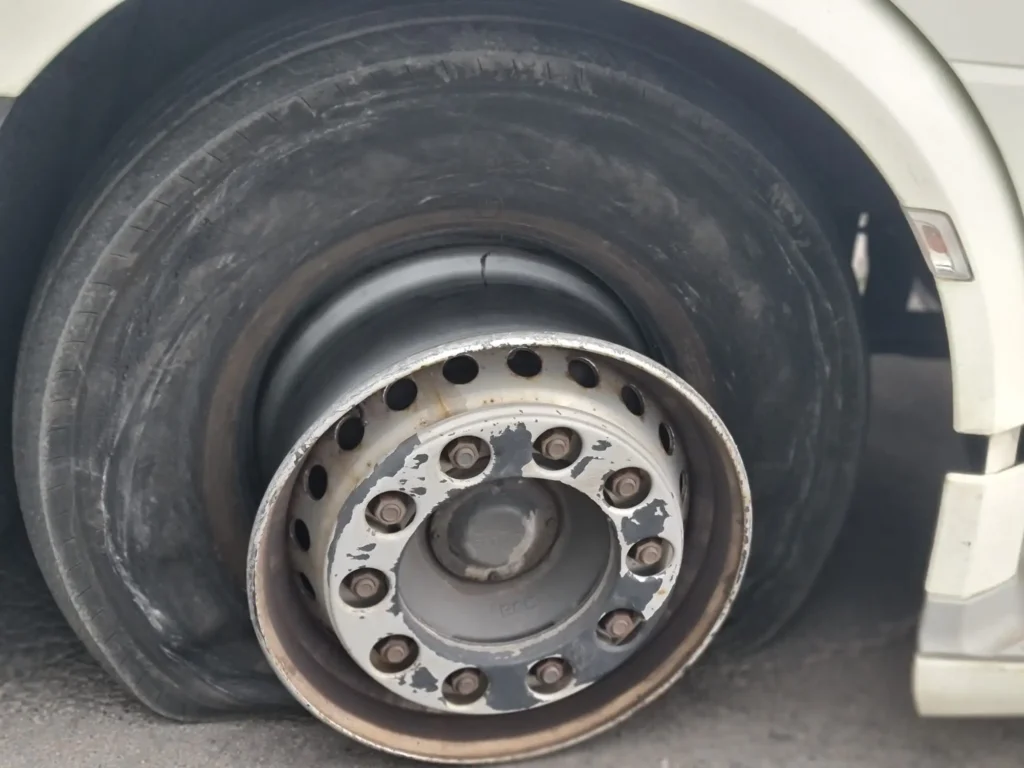
A steer-axle blowout on a motorway hard shoulder is one of the most dangerous situations a truck driver can face. It happens without warning, usually at motorway speed, and it strips the driver of the one thing that keeps a forty-tonne artic pointed in a straight line: steering control on the front axle. When it happens on the A14 near Leipzig, at just before six in the morning, with traffic building and no room to manoeuvre, the driver’s only real option is to get the rig stopped safely and call for professional help.
This is the story of exactly that call, and how LKWHelp24’s partner network had the truck rolling again in under two hours.
For any fleet manager or owner-driver reading this, the numbers matter as much as the story. We are publishing the full timeline and the full invoice, because that transparency is the whole point of what we do. No hidden call-out surcharges, no “we’ll tell you the price when we’re already there” games. Just a clear record of what a professional truck tyre service on the autobahn actually costs and how long it actually takes.

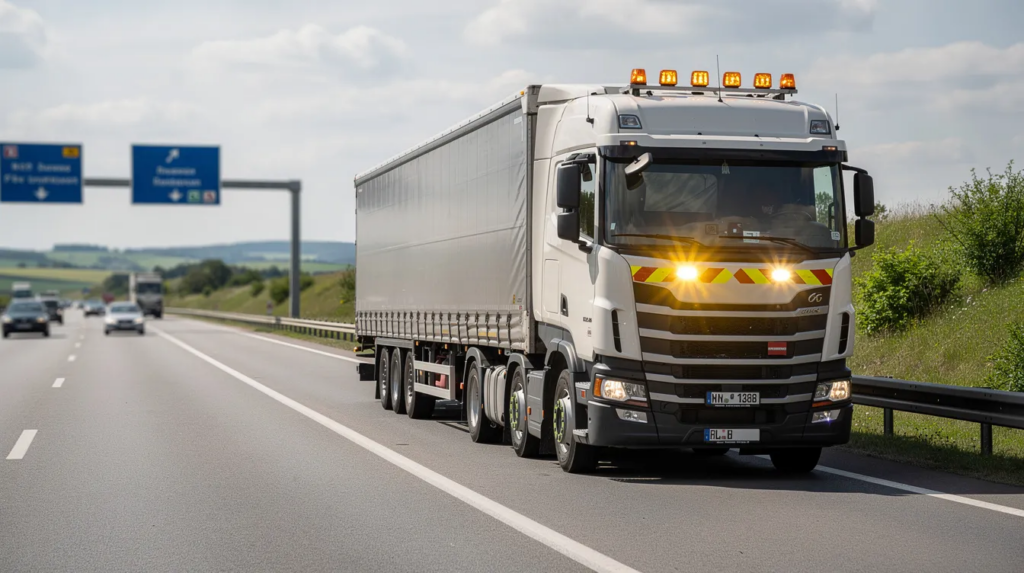
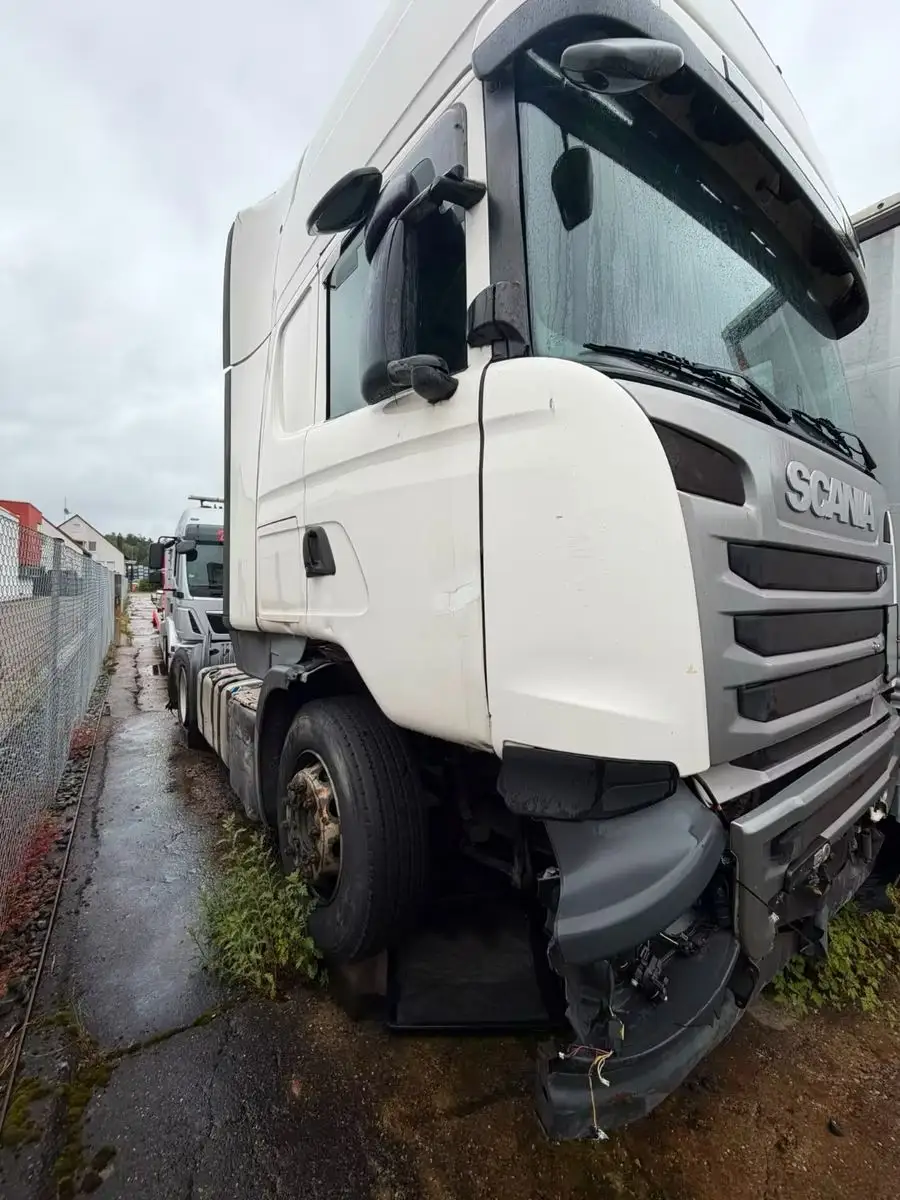
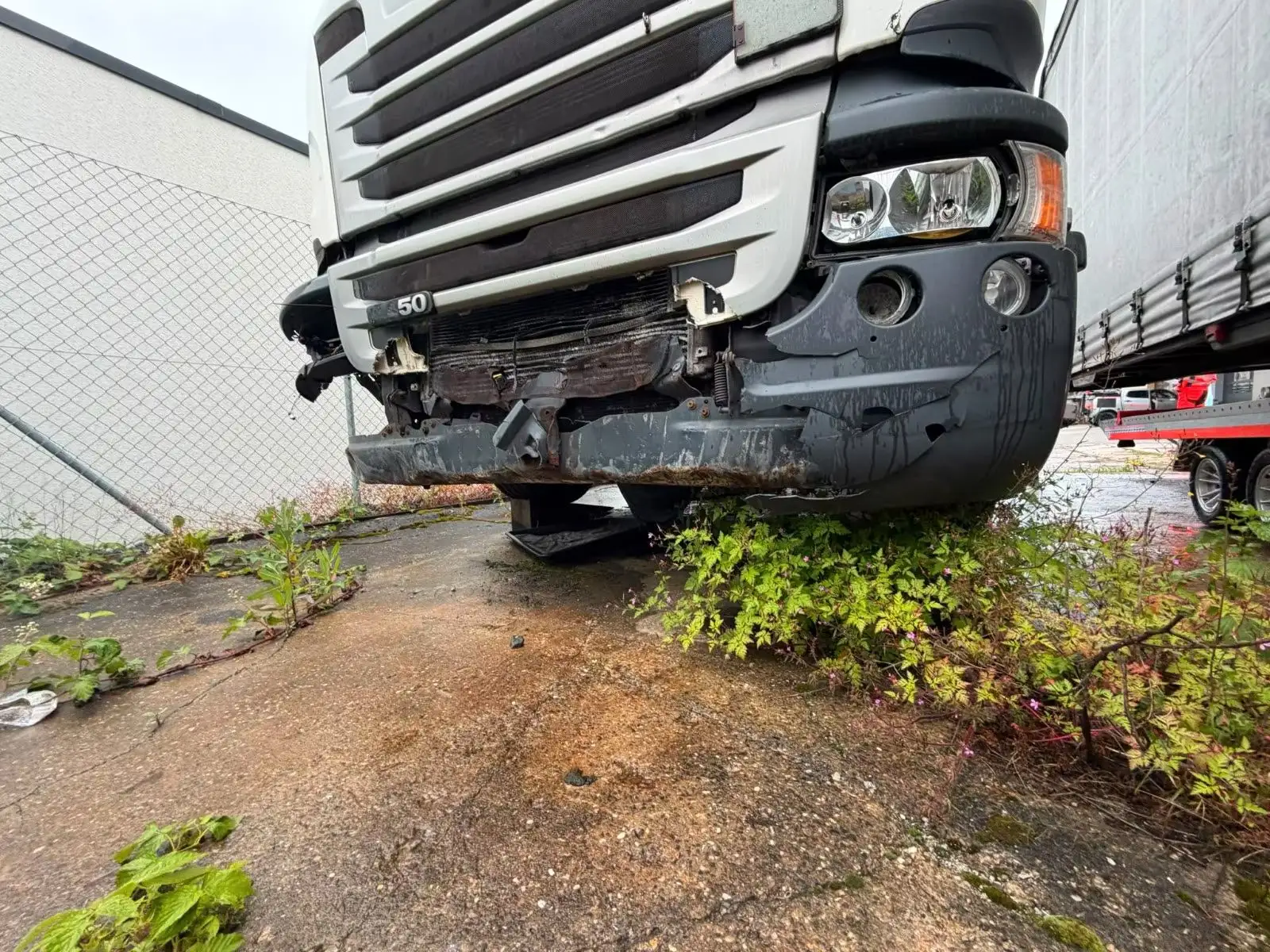
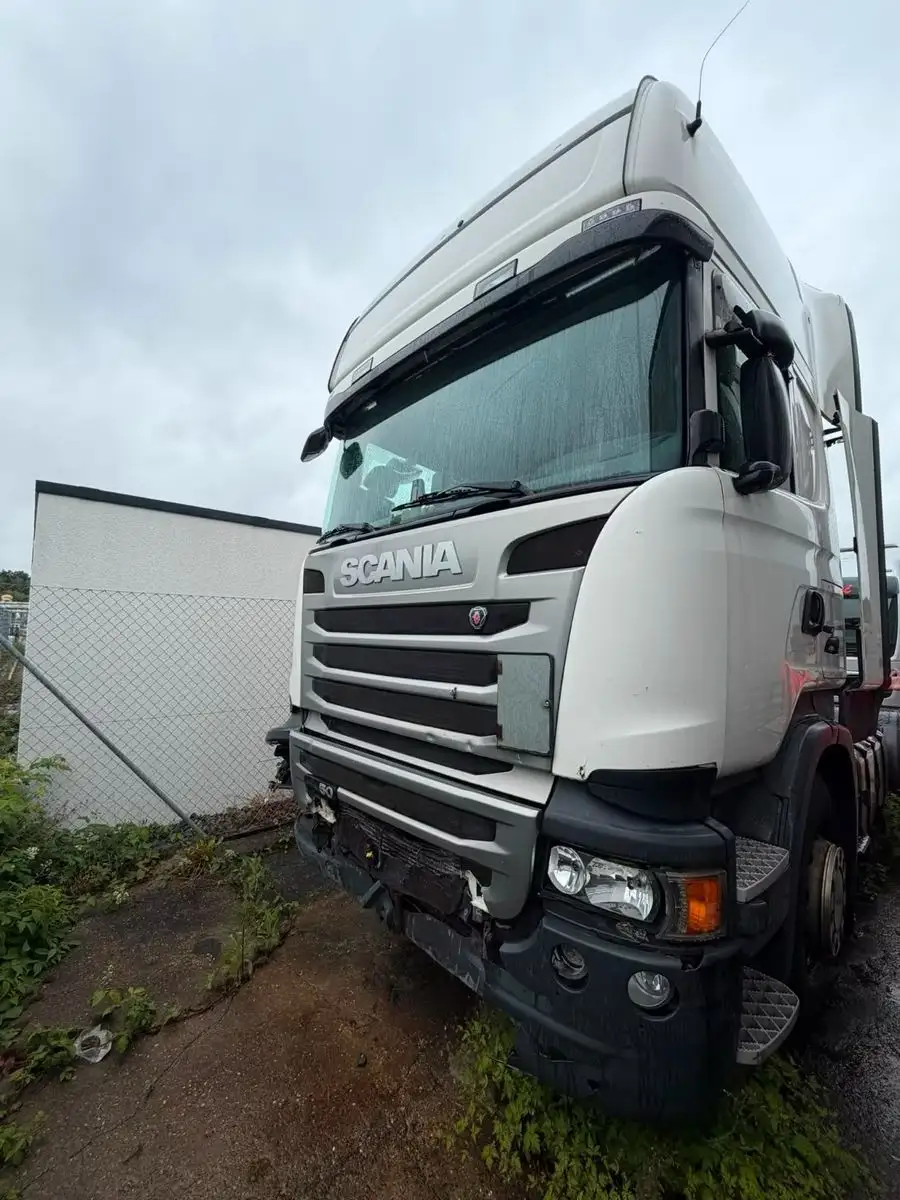
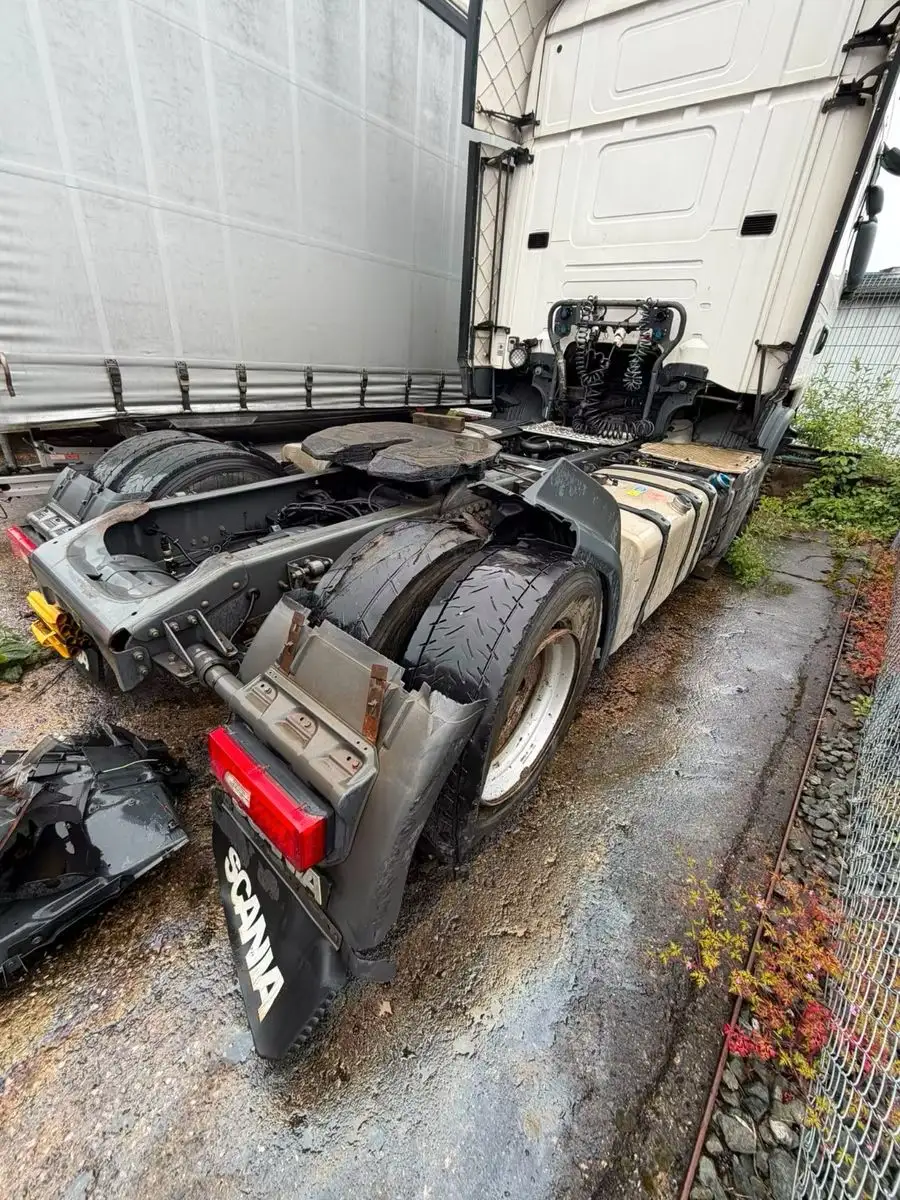
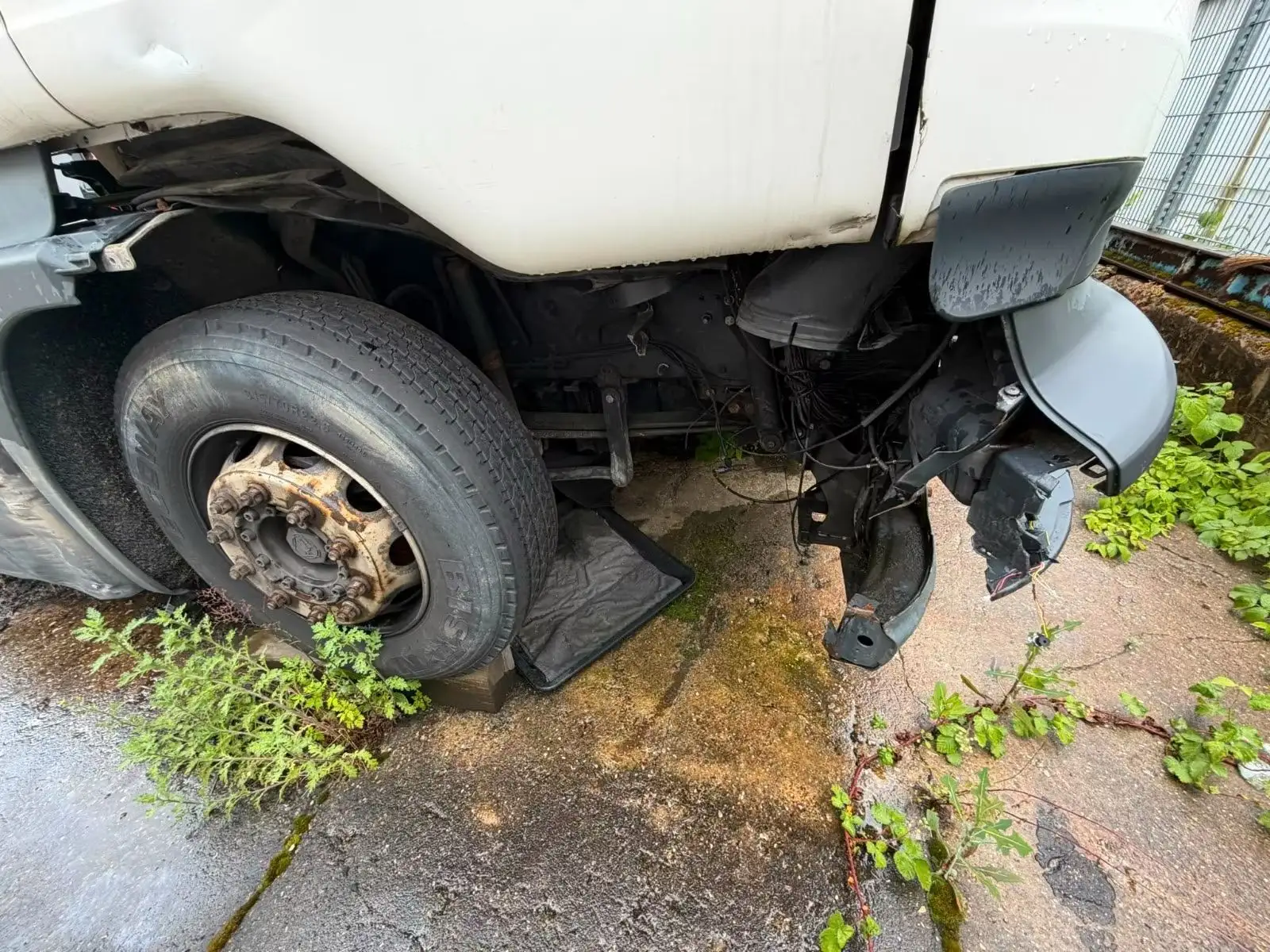
Lenkachs-Reifenplatzer (315/70 R22.5) auf der A14 bei Leipzig – mobiler LKW-Reifenservice von LKWHelp24.
The Emergency
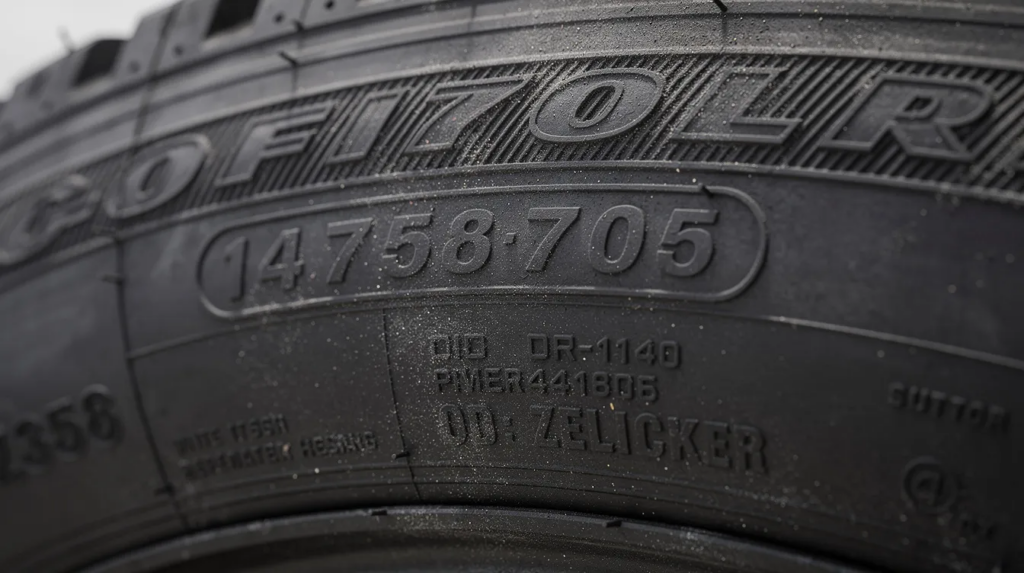
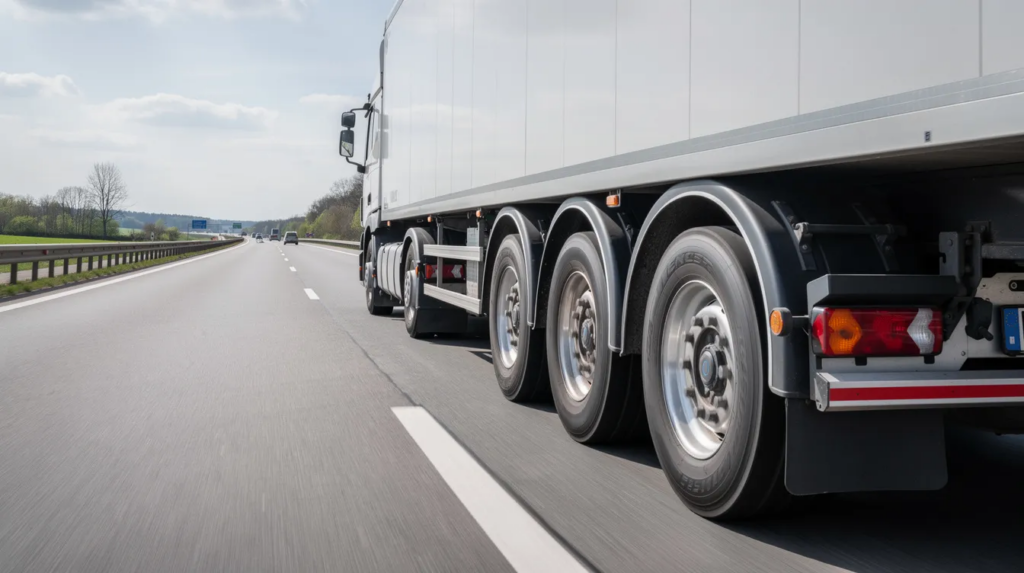
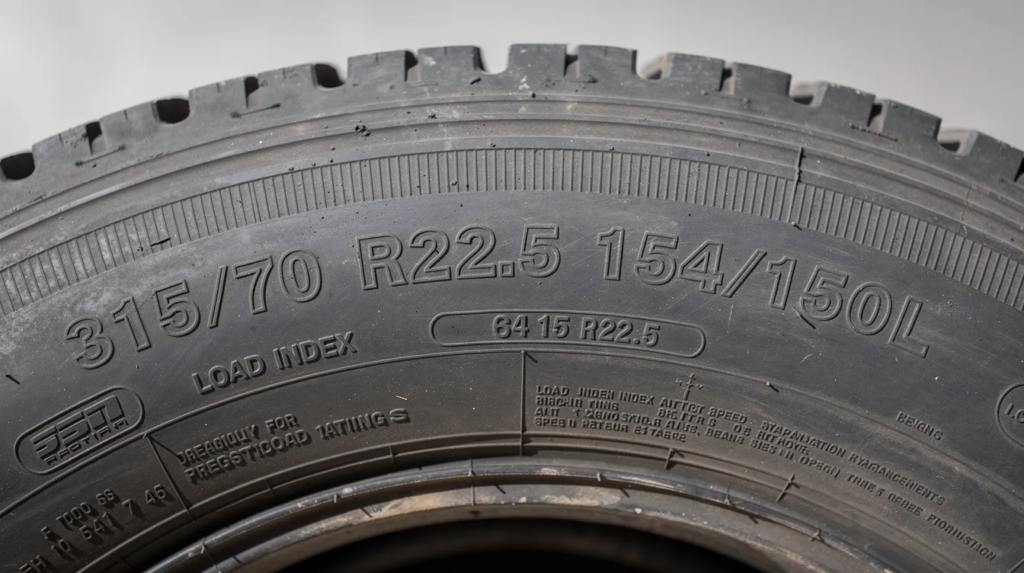
The vehicle was a white articulated tractor unit on a long-haul run, grossing roughly 40 tonnes with its trailer. Shortly before 06:00, the driver felt the cab pull hard to one side. Within seconds the tread had separated from the steer-axle tyre — a size 315/70 R22.5 — and the casing was destroyed. This is what tyre technicians call a “blowout” rather than a simple puncture: the tyre doesn’t just lose pressure, it fails structurally and violently, often shredding the sidewall and flinging debris across the carriageway.
The driver did exactly what he should have done. He kept the wheel steady, avoided braking hard, and eased the truck onto the hard shoulder of the A14, heading in the direction of Dresden, just outside Leipzig. He set out a warning triangle, put on his hi-vis vest, and stood well clear of the running lanes before making the call.
A steer-axle tyre failure is not something any driver should attempt to handle alone, and for good reason we’ll come back to later in this article. The truck was immobile, blocking part of the hard shoulder in low visibility conditions on a road carrying heavy freight traffic even at that hour. Every minute the vehicle sat there increased the risk to the driver and to other road users.
How Help Was Organised
LKWHelp24 operates a nationwide dispatch network of certified truck tyre and roadside assistance partners across Germany, which means that wherever a breakdown happens — on the A14 near Leipzig, or two hundred kilometres away — there is almost always a qualified technician within a short drive.
Here’s how the call was handled from the moment the phone rang:
● The driver called LKWHelp24’s 24/7 emergency line at 05:55, gave the exact motorway kilometre marker, direction of travel, and confirmed the tyre position (steer axle) and size (315/70 R22.5).
● Our dispatcher immediately cross-referenced the location against the live partner map for the Leipzig region and identified the nearest available mobile tyre technician.
● By 06:07 the local truck tyre partner was dispatched, with a confirmed estimated time of arrival and the correct spare tyre already loaded on the service vehicle — no wasted trip back to a depot.
● The dispatcher relayed the vehicle’s exact position, safety status, and driver contact details to the technician en route.
● The driver was kept informed by phone of the technician’s progress, so there was no uncertainty standing on the hard shoulder waiting.
That kind of coordination is the entire value proposition of a professional roadside assistance service: matching the right technician, with the right stock, to the right location, in minutes rather than hours.
The Situation On-Site
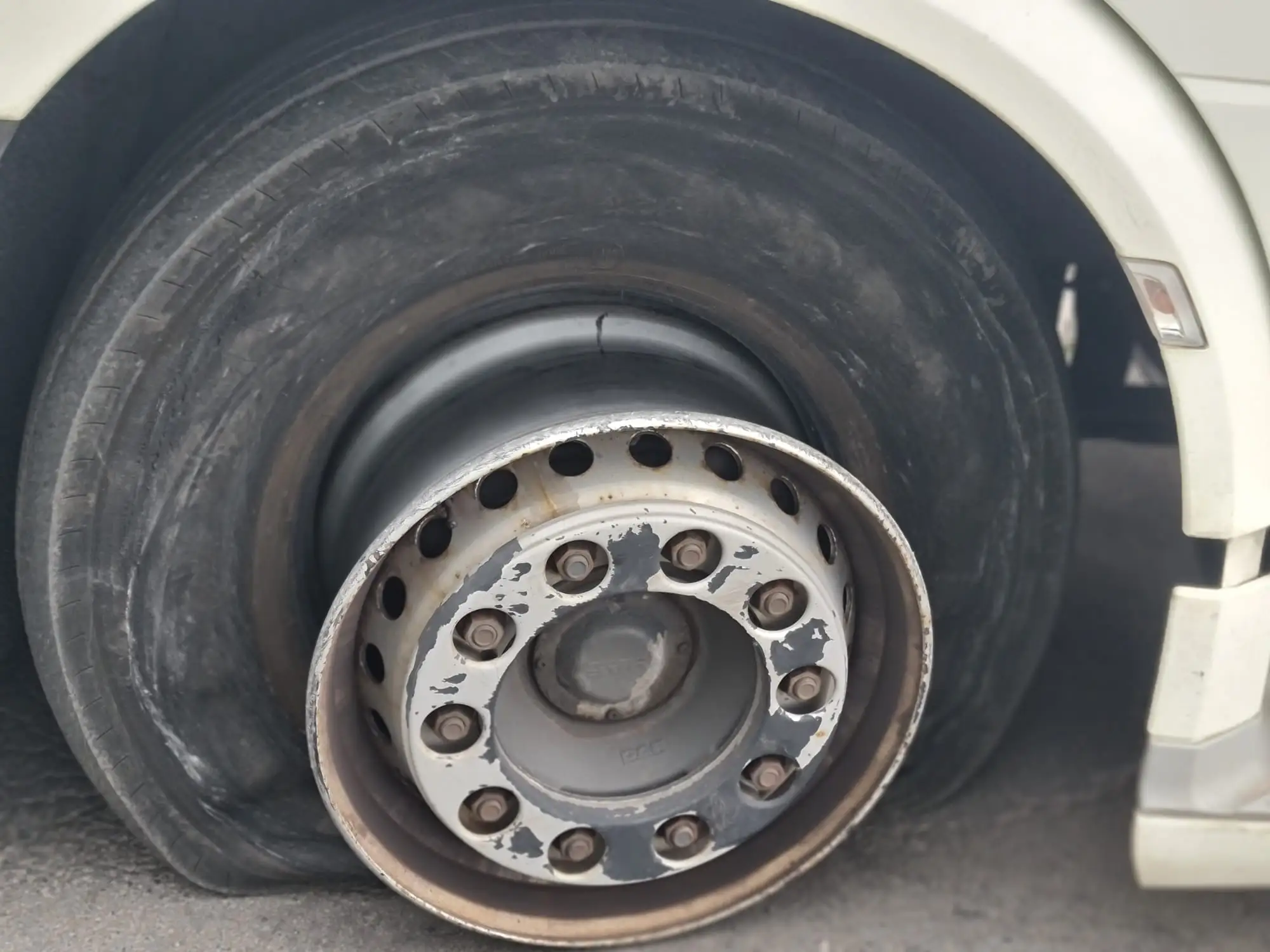
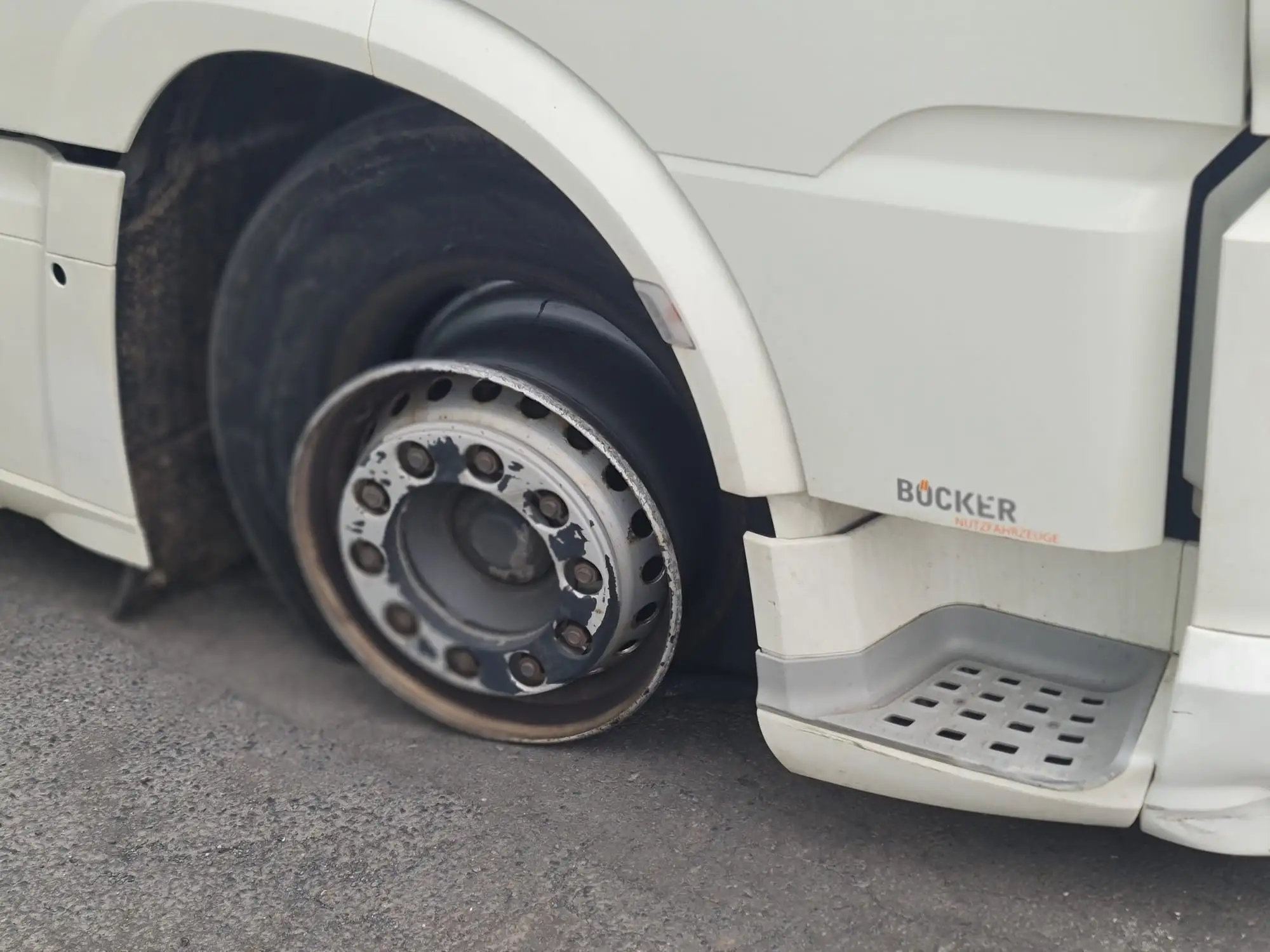
The technician arrived at 06:45, roughly fifty minutes after the initial call — a strong result for a rural stretch of the A14 at that hour. What he found was consistent with the driver’s account: a completely destroyed steer-axle tyre, tread separated from the casing, with the wheel still mounted but clearly unsafe to move on.
Steer-axle tyres carry a different risk profile from drive-axle or trailer tyres. They govern directional control, and German heavy goods vehicles typically run steer-axle tyres at pressures between 8.5 and 9.5 bar depending on load and axle configuration — considerably higher than a car tyre, and not something that can be safely checked or adjusted with ordinary garage equipment. A technician working on a steer axle at the roadside also has to be alert to rim damage, since a violent blowout can bend or crack an alloy or steel wheel, which would turn a same-day repair into a much longer, more expensive job. Fortunately, in this case, the wheel itself had escaped serious damage.
Step-by-Step: What the Technician Did
Step 1 — Assessment and safety. The technician confirmed the truck was correctly positioned on the hard shoulder, added additional warning triangles and cones further back along the carriageway to extend the safety buffer, and briefed the driver to remain behind the barrier while work was carried out.
Step 2 — Stabilisation. By 06:53 the vehicle had been secured and the front axle jacked and supported, so the destroyed tyre could be removed without shifting weight onto the technician or into the live lane.
Step 3 — Wheel removal and inspection. At 07:13 the shredded tyre was fully demounted from the rim. The wheel was inspected for cracking, bead-seat damage, and rim distortion — all critical checks on a steer axle, where even minor deformation can cause vibration or handling problems at speed.
Step 4 — Fitting the replacement. A new 315/70 R22.5 tyre — a Continental Conti Hybrid HS3, chosen for its balance of mileage and wet-grip performance on long-haul steer applications — was mounted and inflated to the correct 8.5 bar by 07:31.
Step 5 — Torque and final check. Wheel nuts were tightened in the correct star pattern to the manufacturer’s specified torque, a method that ensures even clamping force across the hub and prevents the disc from warping. By 07:41 the torque sequence and a full final inspection, including a check of tyre balance and a visual sweep of the surrounding running gear, were complete. The truck was declared roadworthy at 07:44.
Full Timeline
| Time | Phase | Action |
|---|---|---|
| 05:55 | Call received | Driver reports steer-axle blowout, gives location and tyre size |
| 06:07 | Dispatch | Local partner assigned, ETA confirmed, correct tyre loaded |
| 06:45 | Arrival | Technician on-site on the A14 hard shoulder near Leipzig |
| 06:53 | Secured | Vehicle stabilised and jacked |
| 07:13 | Wheel off | Destroyed tyre demounted, rim inspected |
| 07:31 | Tyre fitted | New tyre mounted, inflated to 8.5 bar |
| 07:41 | Torque check | Wheel nuts torqued in star pattern, final inspection |
| 07:44 | Roadworthy | Truck cleared to continue journey |
Total elapsed time: approximately 1 hour 49 minutes from call to roadworthy. Time on-site: approximately 55 minutes.
Cost Breakdown
| Item | Price (EUR) |
|---|---|
| Call-out / 24/7 motorway emergency service | 190 |
| Tyre 315/70 R22.5 (Continental Conti Hybrid HS3) | 330 |
| On-site fitting and balancing | 90 |
| Old tyre disposal | 20 |
| TOTAL | 630 EUR |
Alternative tyre brands the partner network can supply for this size include Michelin X Line and Goodyear KMAX S, depending on stock and the customer’s preference. Prices vary slightly by brand and by region, but this invoice is a realistic benchmark for a steer-axle roadside tyre replacement anywhere in Germany.
For comparison, the cost of towing a fully-laden articulated truck to the nearest workshop — a common alternative when no mobile tyre service is available — typically runs well into four figures once recovery, workshop labour, and lost transit time are factored in, before the tyre itself is even paid for. A mobile call-out at 630 EUR, with the truck back on the road in under two hours, is very often the cheaper and faster route by a wide margin.
Why a Professional Service Is Essential
It might be tempting for an experienced driver to think about changing a steer-axle tyre themselves, particularly if a spare and basic tools happen to be on board. We would strongly advise against it, for several reasons:
- Weight and pressure risk. A truck tyre and rim assembly of this size weighs in the region of 80–100 kg, and the tyre must be inflated to 8.5–9.5 bar. Without a proper cage or restraint system, an incorrectly seated bead can fail explosively during inflation, causing serious injury.
- Roadside exposure. Changing a wheel on a live motorway hard shoulder without professional signage, lighting, and positioning dramatically increases the risk of being struck by passing traffic — this is one of the leading causes of secondary accidents on German motorways.
- Torque accuracy. Wheel nuts that are under-torqued, over-torqued, or tightened in the wrong sequence can cause a wheel to work loose within hours, or warp the brake disc — either of which risks a second, far more serious failure further down the road.
- Rim and axle damage detection. A blowout can hide underlying damage to the rim, hub, or steering components that only a trained eye will catch during a proper inspection.
- Insurance and liability. Many fleet insurance policies require that emergency repairs be carried out or verified by a certified provider, particularly for steer-axle work, in order for the claim to remain valid.
Typical Breakdown Situations We Handle
LKWHelp24’s partner network responds to the full range of heavy goods vehicle breakdowns across Germany, including:
- Steer-axle and drive-axle tyre blowouts and punctures
- Trailer tyre failures on multi-axle semi-trailers
- Mobile tyre replacement and repair on autobahns, rest areas, and industrial sites
- Emergency towing and recovery for trucks, buses, and construction vehicles
- Battery jump-starts and replacement for trucks and refrigerated trailers
- Engine and electrical fault diagnosis at the roadside
- Fuel delivery for vehicles that have run dry
- Lockout assistance and key-related breakdowns
- Air-conditioning and refrigeration unit faults on temperature-controlled loads
- Coordination with recovery services when a vehicle cannot be repaired on-site
Whatever the nature of the breakdown, our dispatch team’s job is the same: get the right specialist to the right location as fast as possible, with clear pricing and a clear timeline from the first phone call.
Prevention Tips for Drivers and Fleet Managers
While a steer-axle tyre can fail without warning, a number of simple habits reduce the odds significantly:
- Check tyre pressure cold, before departure, using a calibrated gauge rather than by eye — steer-axle tyres in particular should never be run below the manufacturer’s recommended pressure.
- Inspect the tread and sidewalls at every fuel stop for cuts, bulges, or embedded debris; a bulge on the sidewall is often the last visible warning before a blowout.
- Rotate and replace steer-axle tyres proactively based on mileage and age, not just visible tread depth — rubber compounds harden and become brittle with age even when the tread pattern still looks acceptable.
- Avoid mixing tyre brands or tread patterns on the same axle, as this can create uneven wear and handling inconsistencies.
- Keep a record of tyre installation dates and DOT codes for each vehicle, and build tyre condition checks into routine maintenance schedules rather than leaving them to chance.
- Save an emergency roadside assistance number in the cab and brief every driver on the correct procedure for a motorway breakdown: hazard lights, hard shoulder, warning triangle well back, hi-vis vest, and standing behind the barrier while waiting.
Fleet Maintenance and Tyre Brand Options
For fleet operators managing dozens or hundreds of vehicles, tyre strategy is as much a cost-control exercise as a safety one. Premium brands such as Michelin, Continental, and Goodyear dominate the long-haul steer-axle segment in Germany for good reason: their casings are designed for retreading, which significantly lowers the total cost of ownership over the tyre’s working life, and their compounds are engineered specifically for the high, sustained loads that steer axles carry on motorway journeys.
Continental’s Conti Hybrid range, fitted in this case, is a popular choice among German fleets because it is built to perform across both motorway and regional routes without needing separate tyre sets, which simplifies stock management for operators running mixed schedules. Michelin’s X Line range is frequently specified where maximum mileage per euro is the priority, while Goodyear’s KMAX S is a common choice for operators who prioritise wet-weather grip on winter routes through central Germany.
Whichever brand a fleet standardises on, the more important factor from an operational standpoint is having a reliable emergency partner who can source the correct size and specification at short notice, anywhere in the country, rather than being tied to a single depot’s stock. That flexibility is exactly what our partner network exists to provide.
LKWHelp24: Your Truck Emergency Partner
Breakdowns don’t operate on a schedule, and neither do we. LKWHelp24 was built around a simple idea: a truck driver stranded on the hard shoulder at any hour of the day or night should be able to reach a real person, get a real technician dispatched, and know exactly what it will cost before the work begins.
- 24/7 availability, every day of the year, across the whole of Germany
- A certified partner network of tyre technicians, recovery services, and roadside engineers, vetted for response time and quality of work
- Transparent pricing, with itemised invoices like the one shown above — no surprise call-out fees added after the fact
- Multilingual dispatch, so drivers from anywhere in Europe can explain their situation clearly and quickly
- Fast average response times, built on a dense partner map rather than a single central depot
- Support across the full range of heavy vehicle types: articulated trucks, rigid trucks, buses, coaches, and construction plant
Summary
- Tyre size: 315/70 R22.5 (steer axle)
- Location: A14, hard shoulder near Leipzig, direction Dresden
- Response time: 50 minutes from call to technician on-site
- Total time to roadworthy: approximately 1 hour 49 minutes
- Time on-site: approximately 55 minutes
- Total cost: 630 EUR
- Secondary damage: none
Request Emergency Assistance Now
If you’re facing a truck breakdown anywhere in Germany, don’t wait and don’t attempt a risky roadside repair alone. Call LKWHelp24 now on +49 160 5753826 or visit lkwhelp24.com. Available 24/7 across all of Germany.
You might also be interested in
- Truck Tyre Service A9 Nuremberg: Volvo FH 460 Steer-Axle Emergency
- Truck Tyre Blowout on the A4 near Dresden: Scania Emergency Callout
- Truck Tyre Blowout A1 Bremen: Drive-Axle Emergency Repair
- Continental Truck Tyres — full technical range: https://www.continental-reifen.de/
- ADAC Truck Breakdown Assistance — official guidance: https://www.adac.de/