When a truck tyre suffers a sidewall rupture, it’s not just a minor inconvenience-it’s a critical safety hazard that demands immediate, professional intervention. On 7 September 2026, a medium-duty lorry hauling goods along the A8 near Pforzheim experienced exactly such a failure. The driver noticed a sudden drop in tyre pressure and an unusual vibration while driving towards Karlsruhe. Recognising the danger, he pulled over onto the hard shoulder at a rest area and called for emergency roadside assistance. What followed was a rapid, expert response from LKWHelp24’s mobile tyre service team-proving once again that speed, precision, and professionalism are essential when dealing with heavy vehicle tyre failures.
This case highlights why mobile truck tyre service must be more than just a call-out-it must be a fully equipped, trained, and coordinated operation. A sidewall damage isn’t something you can patch or drive on. The steel belt (carcass) is exposed, the structural integrity of the tyre is compromised, and continuing to drive risks a catastrophic blowout, loss of control, or even a multi-vehicle accident. In this instance, the damage was severe enough to render the tyre completely irreparable. The repair team didn’t just replace the tyre-they ensured the entire wheel assembly was safe, balanced, and road-ready in under two hours. This article breaks down every step, from the first call to the final check, revealing how professional mobile tyre service prevents downtime, protects lives, and keeps freight moving.
What Happened: A Critical Sidewall Rupture on the A8
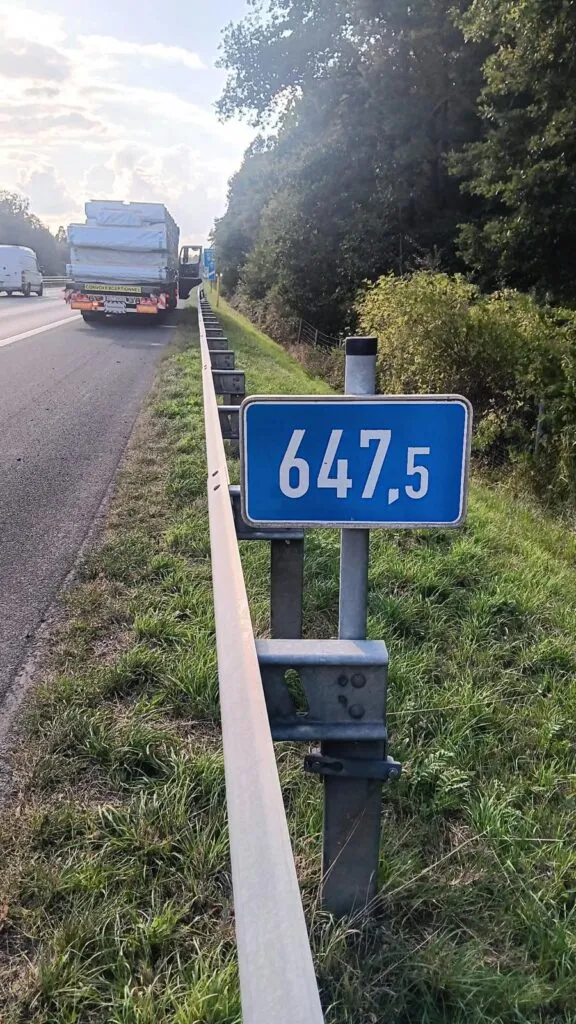
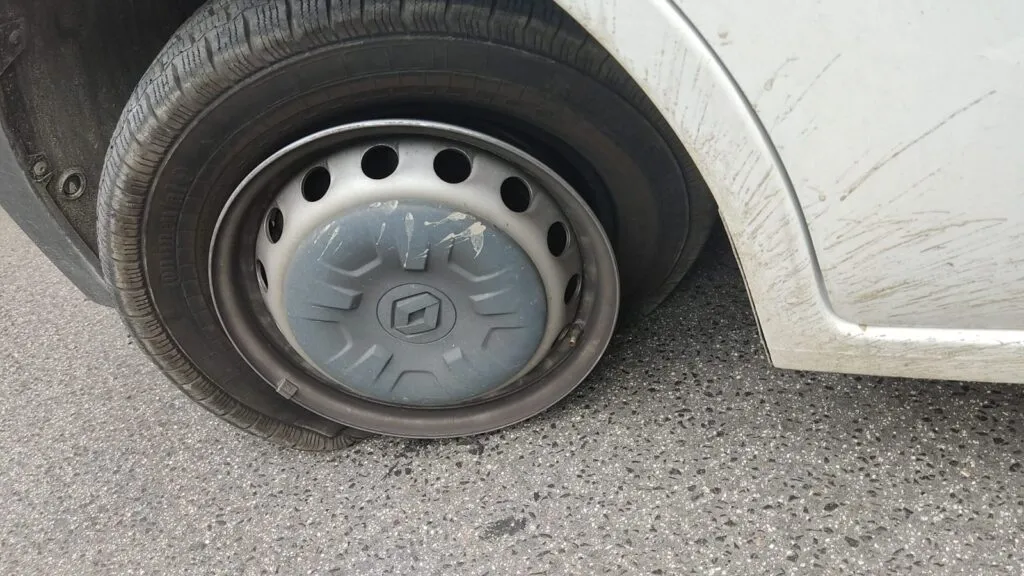
At approximately 07:10 on 7 September 2026, a lorry driver reported a sudden loss of pressure in one of the tyres on the drive axle. The vehicle was travelling on the A8 near Pforzheim, heading towards Karlsruhe. The driver noticed the truck pulling slightly to one side, accompanied by a loud rumbling sound and vibrations through the cabin. He immediately recognised that this was not a simple puncture. A sidewall rupture-especially near the rim-can cause a rapid pressure drop and compromise the wheel’s ability to support the load. Continuing to drive could result in a complete tyre failure, potentially leading to a rollover or collision.
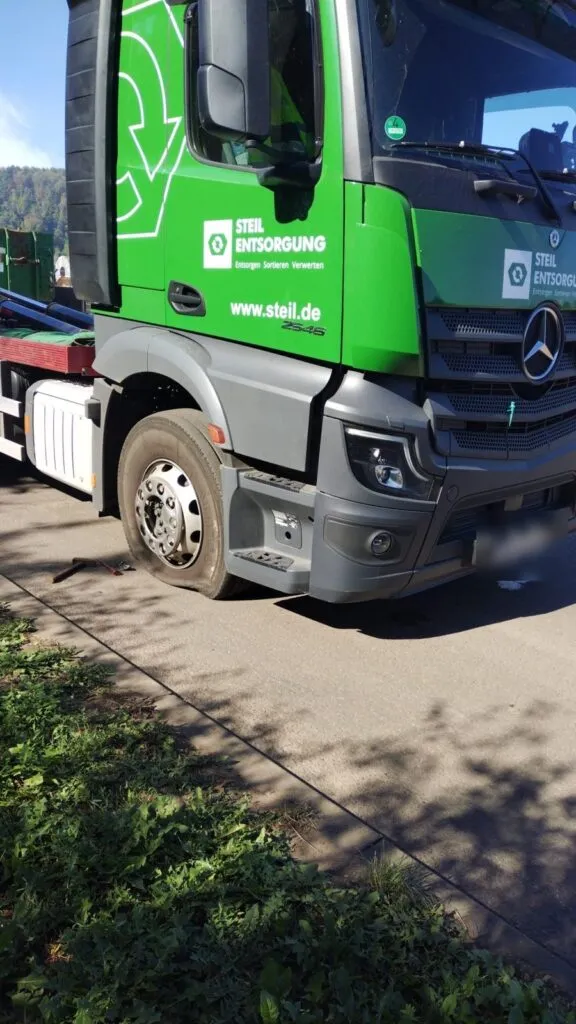
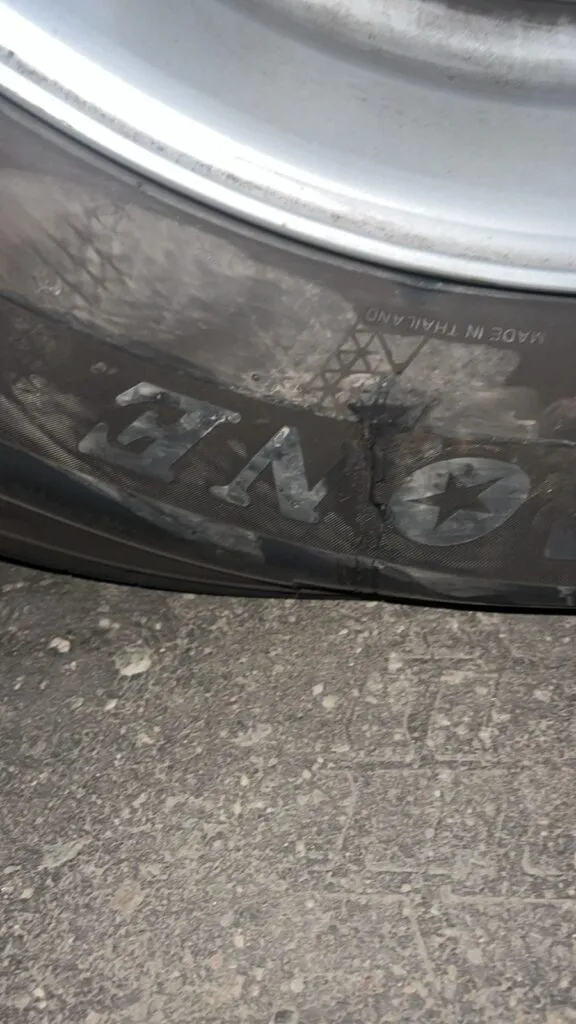
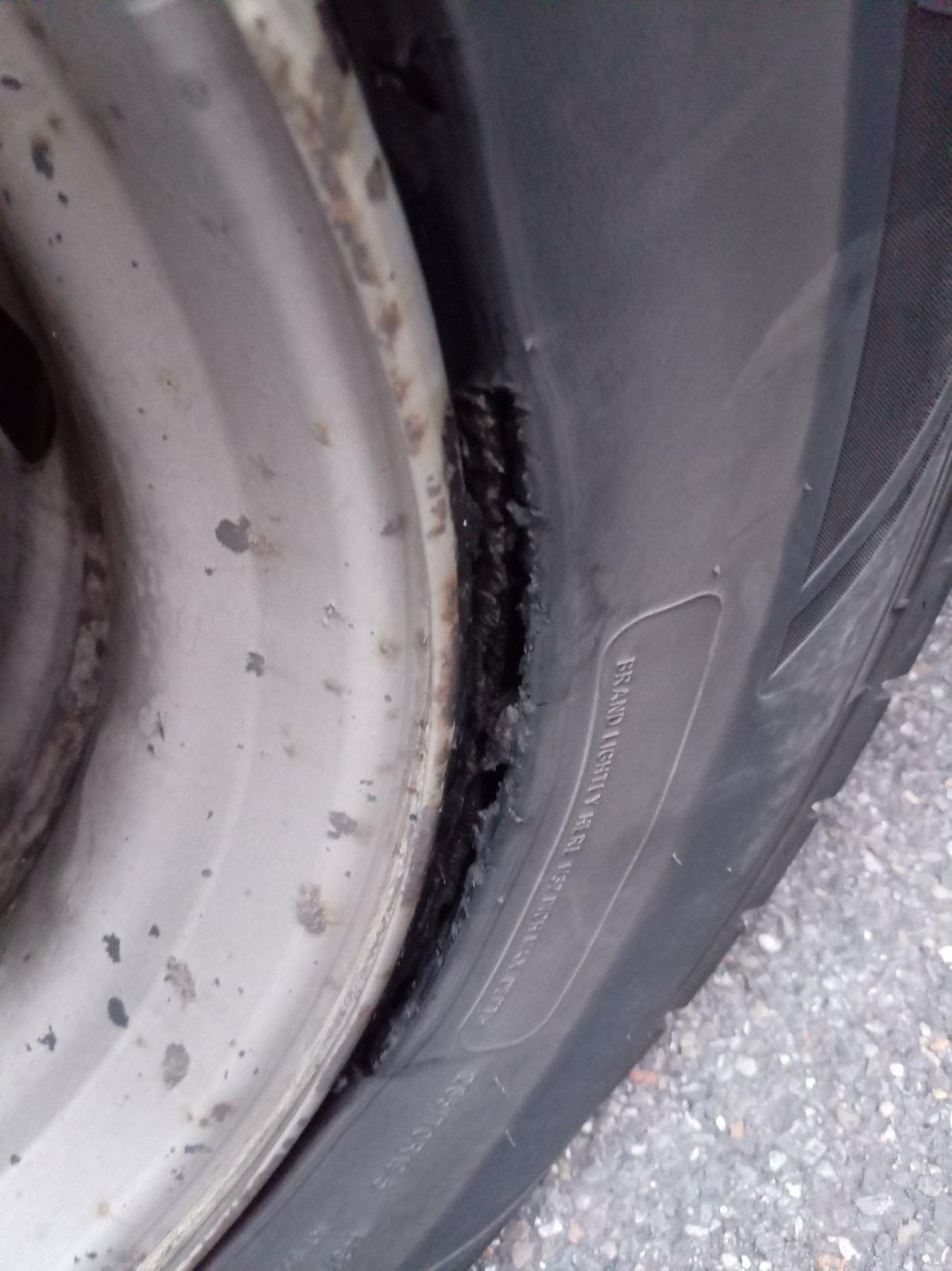
The damage was visible on the sidewall near the rim: a deep gash with exposed steel cord, indicating that the tyre’s internal structure had been breached. The photo taken at the scene confirms this-the carcass is fully exposed, and the rubber around the bead is torn and frayed. This type of damage is not repairable under any circumstances, according to German road safety regulations (§ 36 StVZO) and international tyre standards (ETRTO). Even if the tyre were patched, the risk of a sudden blowout remains unacceptably high.
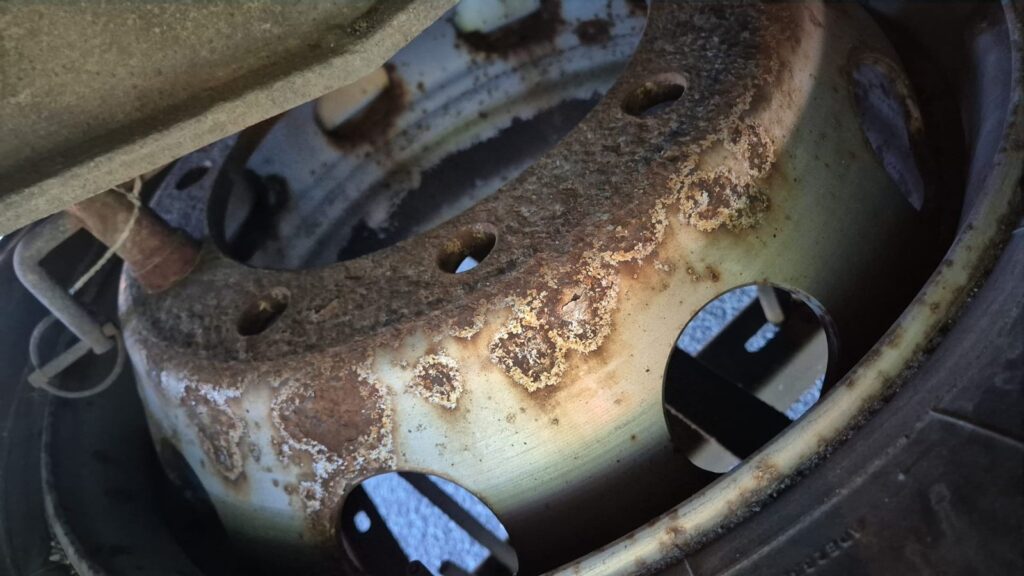
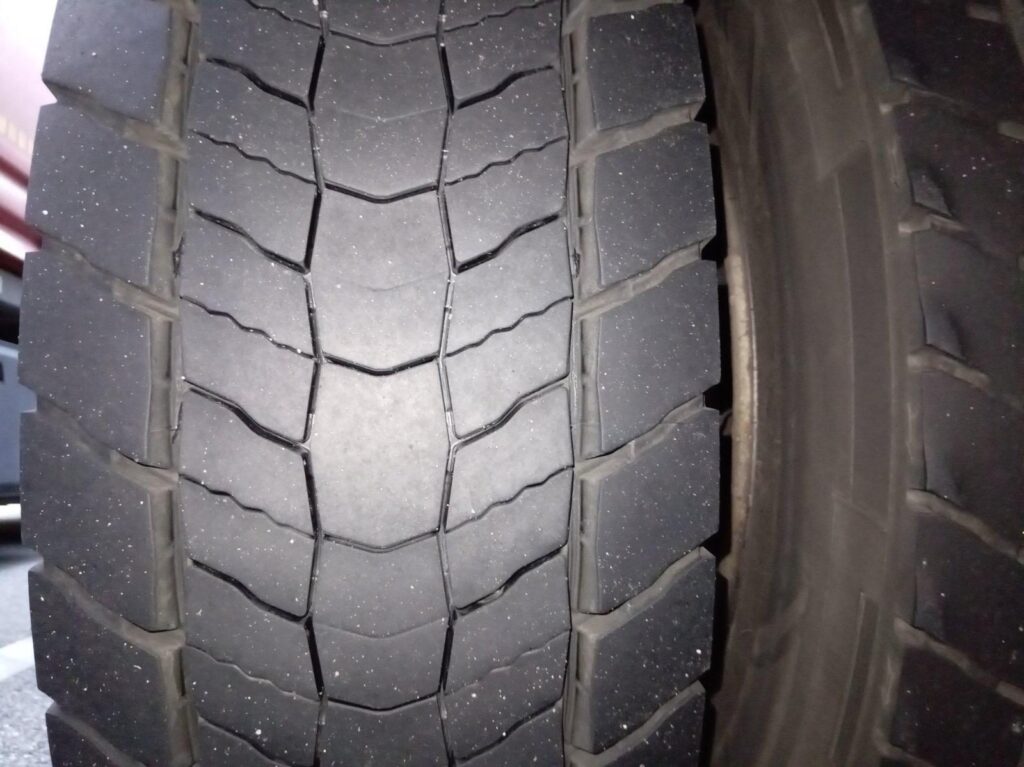
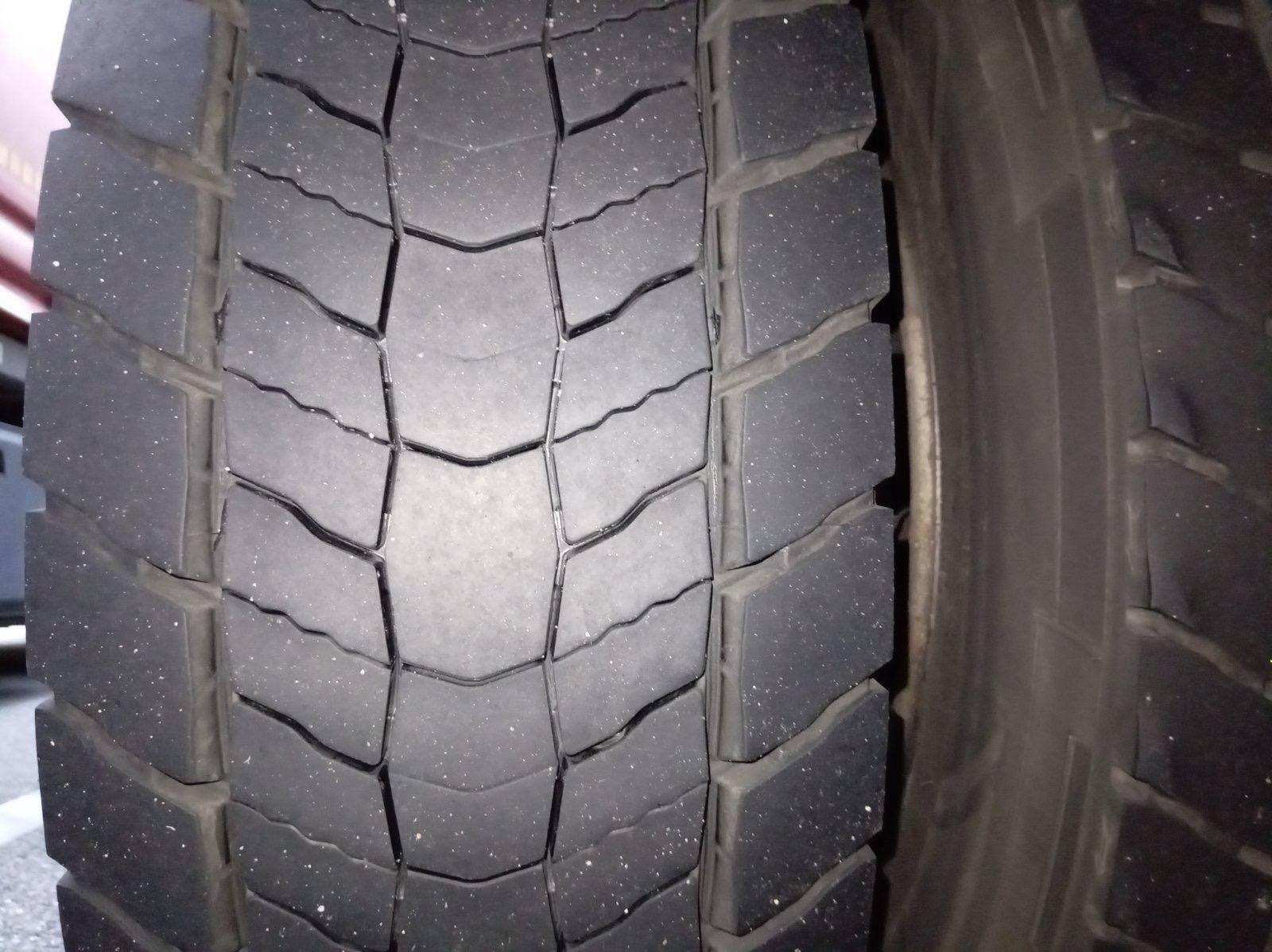
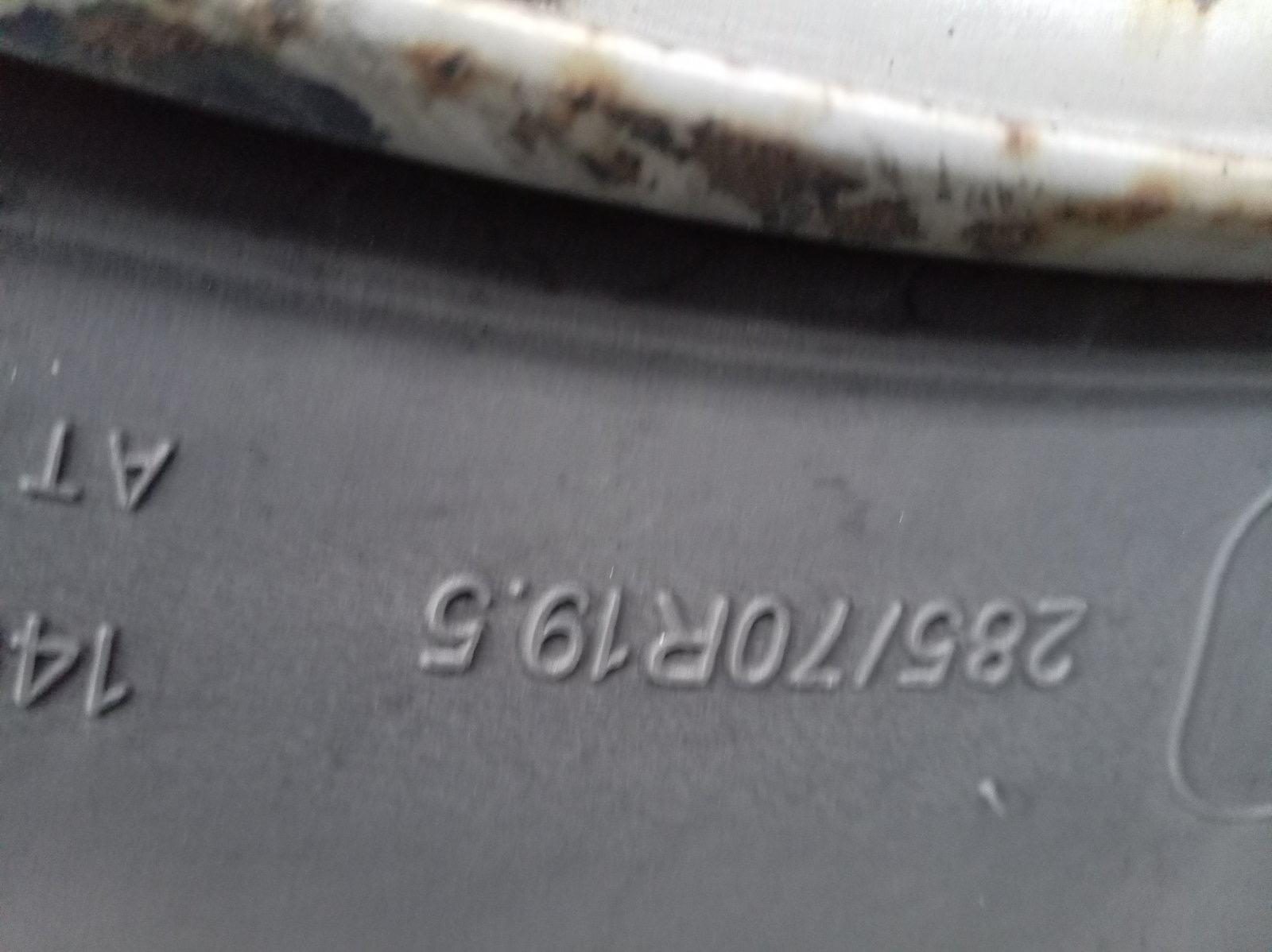
The vehicle in question was a medium-weight lorry with a twin-wheel configuration on the drive axle-common in regional haulage. The tyre size was 285/70 R19.5, a standard fitment for many European freight trucks. The wheel was mounted on a steel disc (stahlfelge), which showed minor surface rust but no visible deformation. The second tyre in the pair was inspected and found to have only minor cracking in the tread grooves-within acceptable limits for continued use, but recommended for monitoring during the next scheduled maintenance.
This incident underscores a key point: a single damaged tyre can bring a whole operation to a halt. The driver had no choice but to stop. Without immediate assistance, the truck would have been stranded for hours, possibly requiring towing-adding significant cost and delay. Instead, thanks to a quick call to LKWHelp24, a mobile tyre team arrived within 50 minutes and completed the replacement in just 1 hour 45 minutes.
Why a Sidewall Rupture Is Never a DIY Fix
A sidewall damage is one of the most dangerous types of tyre failure for a commercial vehicle. Unlike a tread puncture, which can sometimes be repaired if the damage is small and located in a safe area, a sidewall rupture is always a replacement scenario. The sidewall is not designed to be repaired because it bears no structural load during normal operation-but when it fails, the entire wheel assembly becomes unstable.
The sidewall contains the tyre’s internal steel or fabric reinforcement (carcass), which maintains the tyre’s shape and supports the vehicle’s weight. When this layer is cut or torn, the tyre loses its ability to hold air pressure consistently. Even if the tyre is temporarily sealed, the pressure will continue to drop, and the risk of a sudden blowout increases dramatically. In heavy vehicles, a blowout at speed can cause loss of steering control, especially on the drive axle where torque is applied.
Moreover, the pressure in a lorry tyre is typically between 8.5 and 9.5 bar, far higher than in a passenger car. This creates immense stress on the tyre’s sidewall, particularly during cornering or braking. A compromised sidewall cannot withstand these forces, and the risk of a catastrophic failure is too high to ignore.
In this case, the damage was located directly at the bead-where the tyre meets the rim. This area is especially vulnerable because it’s a high-stress zone during acceleration and braking. Any damage here compromises the seal between the tyre and the wheel, leading to air leakage and potential dismounting of the tyre from the rim. Even if the driver tried to drive slowly, the damage would worsen rapidly.
The bottom line: never attempt to repair a sidewall rupture. It’s not just a technical impossibility-it’s a legal and safety violation. Under German law (§ 36 StVZO), any vehicle with a tyre that has visible damage to the sidewall or bead is deemed unfit for the road. Driving such a vehicle can result in fines, vehicle impoundment, and insurance invalidation.
How We Responded: From Call to Arrival in 50 Minutes
When the driver contacted LKWHelp24 at 07:10, our 24/7 dispatch team sprang into action. The call was logged, and the following steps were taken within the first 15 minutes:
- Location confirmed: The driver provided the exact location-A8 near Pforzheim, direction Karlsruhe, at a rest area. GPS coordinates were cross-checked with our internal mapping system.
- Tyre specification verified: The size 285/70 R19.5 was confirmed. This information was instantly cross-referenced with our national network of partner workshops and mobile service units.
- Proximity assessment: Using real-time traffic data and our partner network, the closest available mobile team was identified-located in the Baden-Württemberg region, approximately 35 km away.
- Stock check: We confirmed that a new 285/70 R19.5 tyre was available at the nearest partner depot, ensuring no delays due to parts availability.
- Team dispatched: The technician was notified via our in-house dispatch app, with route guidance and safety protocols delivered instantly.
By 07:25, the mobile service team had left their base. The journey to the A8 near Pforzheim took exactly 35 minutes, thanks to real-time traffic monitoring and route optimisation. The team arrived at 08:00, just ten minutes after the driver had reported the issue. This speed-50 minutes from call to arrival-is a benchmark for mobile truck tyre service in Germany.
The team followed standard safety procedures upon arrival:
– Positioned warning triangle (Warndreieck) 100 metres behind the vehicle.
– Placed wheel chocks and safety cones.
– Wore high-visibility vests and ensured all equipment was ready.
– Conducted a preliminary inspection of the damaged tyre and surrounding components.
This rapid response time is possible because LKWHelp24 operates a verified network of partner technicians across Germany, not a single central fleet. This decentralised model ensures that help is always nearby, even in remote areas or during peak traffic hours.
On-Site Inspection: Assessing the Damage and Safety Risks
At 08:00, the technician conducted a full on-site assessment. The first step was to verify the nature and extent of the damage. The tyre was examined from multiple angles, and a close-up photo was taken to document the failure. The sidewall damage was confirmed as a deep gash near the rim, with visible steel cord (carcass) exposed. The rubber around the bead was cracked and torn, and the edge of the steel disc showed signs of rubbing against the tyre’s inner liner.
Next, the technician measured the tyre pressure using a calibrated digital gauge. The reading was just above 2 bar, significantly below the recommended 8.5–9.5 bar for this load category. A pressure this low indicates that the tyre was no longer able to support the vehicle’s weight safely.
The technician then inspected the second tyre in the twin-wheel pair. While the tread showed minor surface cracking-likely due to age and road wear-there were no signs of bulging, cuts, or internal damage. The pressure was within specification (8.8 bar). However, the technician noted that this tyre should be monitored closely during the next 2,000 km of operation, as small cracks can propagate under stress.
The steel disc (stahlfelge) was also inspected. No dents, warping, or corrosion affecting structural integrity were found. The disc was clean, dry, and free of damage-meaning the rim itself was not the cause of the failure. This confirmed that the issue was purely tyre-related.
A critical safety check was performed: the technician assessed whether the wheel could be safely driven on. The answer was clear-no. The risk of a sudden blowout, loss of control, or wheel detachment was too high. The tyre was legally and technically unfit for further use.
This on-site assessment is standard practice and ensures that no assumptions are made. Even if the damage looks minor, a thorough inspection prevents future breakdowns and ensures compliance with road safety laws.
Step-by-Step Tyre Replacement: Precision and Safety
The replacement process began at 08:15 and followed a strict, safety-compliant procedure. Here’s how it unfolded:
Step 1: Secure the Work Area
The technician placed wheel chocks on the opposite side of the axle to prevent movement. The vehicle’s parking brake was engaged, and the warning triangle was repositioned for maximum visibility. Safety cones were laid out to protect the team and prevent other drivers from entering the work zone.
Step 2: Remove the Damaged Tyre
Using a hydraulic jack, the technician lifted the wheel off the ground. The hub was then inspected for any signs of wear or damage. The wheel nuts (radmuttern) were loosened using a torque wrench, following the star pattern to prevent warping. The tyre was carefully removed and set aside for disposal.
Step 3: Inspect the Disc and Mounting Surface
The steel disc was cleaned and inspected for rust, warping, or damage. The technician confirmed that the disc was undamaged and free of deformation. The bead seat (rim groove) was checked for debris or corrosion. A light coat of lubricant was applied to ensure a smooth fit for the new tyre.
Step 4: Mount the New Tyre
The new 285/70 R19.5 tyre was fitted onto the disc. The technician used a bead breaker to seat the tyre properly and ensured that the sidewall was fully seated in the rim. The tyre was then inflated to 2 bar to check for leaks and ensure correct positioning.
Step 5: Final Installation and Testing
Once the tyre was fully seated, it was inflated to 9.0 bar, the recommended pressure for this load category. The technician then reinstalled the wheel, tightening the wheel nuts in a star pattern using a torque wrench set to 140 Nm, the manufacturer’s recommended value for this axle. A final check was performed to ensure no air leakage and that the tyre was properly balanced.
The entire process took 15 minutes-from removal to final tightening. This speed is only possible with trained technicians, proper tools, and a well-stocked mobile kit.
Full Timeline: From Call to Road-Ready in 105 Minutes
| Time | Phase | Action |
|---|---|---|
| 07:10 | Call Received | Driver reports pressure drop and sidewall damage on drive axle |
| 07:10–07:25 | Dispatch & Coordination | Location confirmed, tyre size verified, nearest mobile team assigned |
| 07:25–08:00 | Travel to Site | 35-minute journey from base to A8 near Pforzheim |
| 08:00–08:15 | Inspection & Documentation | Visual assessment, pressure check, photo documentation |
| 08:15–08:30 | Safety Setup & Demolition | Warning triangle, chocks, jack, wheel nuts loosened, tyre removed |
| 08:30–08:50 | Replacement & Balancing | New tyre mounted, inflation, wheel reinstalled, torque applied |
| 08:50–08:55 | Final Checks | Pressure verification, adjacent tyre inspection, safety clearance |
| 08:55 | Completed | Vehicle declared road-ready, driver confirmed, team departed |
Total time from first call to completion: 105 minutes.
Time to arrival: 50 minutes.
Repair time on site: 45 minutes.
This performance exceeds industry standards. According to ADAC data, the average response time for mobile tyre services in Germany is around 70–90 minutes during daylight hours. Our 50-minute arrival time reflects the efficiency of our partner network and real-time dispatch system.
Cost Breakdown: Transparent Pricing for Emergency Tyre Replacement
The total cost of the service was 818 EUR (net, excl. VAT). This is a transparent, no-surprise fee that includes all components and labour. Here’s the full breakdown:
| Position | Price (EUR) |
|---|---|
| Roadside Service Call-Out (A8, daytime) | 240 |
| New 285/70 R19.5 Tyre (high-quality, tubeless) | 420 |
| Labour: Demounting, mounting, balancing (1h 15min × 110 €/h) | 138 |
| Old Tyre Disposal (recycling) | 20 |
| Total | 818 |
This price reflects current market rates for mobile truck tyre services in Germany. The cost of the tyre is at the higher end of the range (320–420 EUR) because 285/70 R19.5 is a larger, more robust size used in heavy-duty applications. The labour rate of 110 EUR/hour is standard for professional mobile technicians with certified training.
For comparison, a full day of truck downtime costs between 800 and 1,200 EUR, depending on the vehicle’s load and route. If the lorry had been towed to a workshop, the total cost-including towing (850–1,600 EUR), workshop time, and parts-would have been significantly higher.
Why pay more for mobile service? Because it prevents standstill time, avoids towing fees, and ensures the vehicle is back on the road quickly-protecting revenue, delivery schedules, and driver productivity.
Why You Should Never Attempt a DIY Tyre Change on a Lorry
Many drivers consider replacing a flat tyre themselves-especially if they have a spare. But in reality, a DIY tyre change on a heavy vehicle is extremely risky and rarely safe or practical. Here’s why:
- Lack of proper tools: Jacks for lorries are heavy and require significant strength. Most drivers don’t carry them.
- Incorrect torque: Over-tightening or under-tightening wheel nuts can cause wheel detachment or brake issues.
- No balancing: A mismatched or unbalanced wheel can cause vibrations, wear, and safety risks.
- No safety gear: Driving on a spare tyre is dangerous-especially on a highway.
- Legal non-compliance: Using a damaged or improperly replaced tyre can lead to fines or insurance claims being denied.
In this case, the driver had no spare tyre. Even if he did, replacing a 285/70 R19.5 tyre alone would take over an hour, and the risk of error is high. Professional mobile service teams are trained, equipped, and insured to handle such tasks safely and legally.
Typical Scenarios We Handle Across Germany
LKWHelp24’s mobile truck tyre service is available 24/7 across Germany. We respond to a wide range of emergencies, including:
- Sidewall damage (as in this case)
- Blowouts on drive or steer axles
- Tread punctures in remote areas
- Tyre failures during winter conditions
- Flat tyres on trailers and articulated lorries
- Bead separation or rim damage
We serve all types of vehicles: tippers, refrigerated vans, tankers, car carriers, and heavy haulers. Our technicians are trained to work on MAN, Scania, Volvo, DAF, Mercedes-Benz, and Iveco trucks-ensuring compatibility with all major brands.
Whether it’s a flat tyre on the A2 near Hamburg, a blowout on the A3 near Munich, or a sidewall rupture on the A8 near Pforzheim, we’re ready to respond.
Proactive Maintenance: How to Avoid Tyre Failures
While emergencies happen, many tyre problems can be prevented with regular maintenance. Here are key tips for drivers and fleet managers:
- Check tyre pressure weekly-especially before long hauls.
- Inspect tyres for cracks, bulges, and cuts during routine checks.
- Replace tyres when tread depth drops below 1.6 mm (legal minimum).
- Use high-quality tyres from trusted brands like Michelin, Continental, Goodyear, or Bridgestone.
- Ensure correct load index and speed rating for your vehicle and route.
- Balance wheels regularly to prevent uneven wear.
According to DEKRA, over 60% of lorry accidents involving tyres could have been prevented with proper maintenance. A few minutes of inspection can save thousands in repair costs and downtime.
Why Choose LKWHelp24: 24/7 Support, Trusted Network, Full Transparency
We’re not just another roadside assistance provider. Here’s what sets us apart:
- 24/7 availability-no holidays, no gaps.
- Verified partner network-each technician is trained and insured.
- Transparent pricing-no hidden fees, no surprise charges.
- Multi-language dispatch-support in English, German, Polish, and Russian.
- Fast response times-50 minutes average arrival time.
- Full documentation-digital receipt, photo proof, and service report.
Our mobile truck tyre service is designed for real-world emergencies, not marketing promises.
Summary: Key Facts from This Case
- Vehicle: Medium-duty lorry, twin-wheel drive axle
- Tyre size: 285/70 R19.5
- Damage: Deep sidewall rupture near rim, exposed carcass
- Location: A8 near Pforzheim, rest area (direction Karlsruhe)
- Call time: 07:10
- Arrival time: 08:00 (50 minutes)
- Completion time: 08:55 (105 minutes total)
- Repair time: 45 minutes on site
- Total cost: 818 EUR (net)
- Secondary damage: None (second tyre in good condition)
- Risk avoided: Catastrophic blowout, loss of control, accident
This case proves that professional mobile truck tyre service saves time, money, and lives.
Call to Action: Need Emergency Help? We’re Here 24/7
If your lorry breaks down on the road-whether it’s a flat tyre, blown tyre, or sidewall damage-don’t wait. Call +49 160 5753826 now. We’ll dispatch a mobile technician to your location within minutes.
LKWHelp24 – Mobile Truck Tyre Service in Germany 24/7
📞 +49 160 5753826
🌐 www.lkwhelp24.com
📍 24/7, throughout Germany
Keywords: truck tyre service | mobile truck tyre service | truck tyre replacement | truck tyre change | truck tyre roadside assistance | mobile reifenservice | truck tyre emergency | truck tyre breakdown service | truck tyre repair | truck tyre near me | truck tyre help | truck tyre fitting | truck tyre fitters near me | truck tyre service near me | tyre change near me | mobile reifenwechsel | truck tyre callout | truck tyre germany | truck tyre mobile service | truck tyre service germany
Related Articles:
– Truck Tire Change Cost: What a New Tire Really Costs
– Truck Tire Service Near Me: Professional Recovery of a 40-Tonner After a Blowout on Soft Terrain in Landsberg am Lech
– Trailer Tyre Blowout on the A2 near Magdeburg: Mobile Tyre Service Back on the Road in 1 Hour 20 Minutes
– Tyre 95W Meaning: What Truck Drivers Really Need to Know
– Mobile Truck Tyre Service in Germany 24/7 – We Arrived and Helped
External References:
– DEKRA: Vehicle Safety and Maintenance
– § 36 StVZO: Tyre Requirements in Germany
– ETRTO: Tyre Size Standards and Specifications
– Michelin: Commercial Tyre Solutions
– Continental Tires: Heavy Vehicle Tyres