When a truck tyre bursts on a German autobahn, seconds count. Not just for safety, but for the bottom line. A single flat tyre can cost a haulage company €800 to €1,200 per day in lost revenue, depending on the vehicle type, cargo value, and contractual penalties. This case, handled on the A13 near Lübbenau in Brandenburg on 26 August 2026, shows how a mobile tyre service can turn disaster into a routine fix, in under two hours.
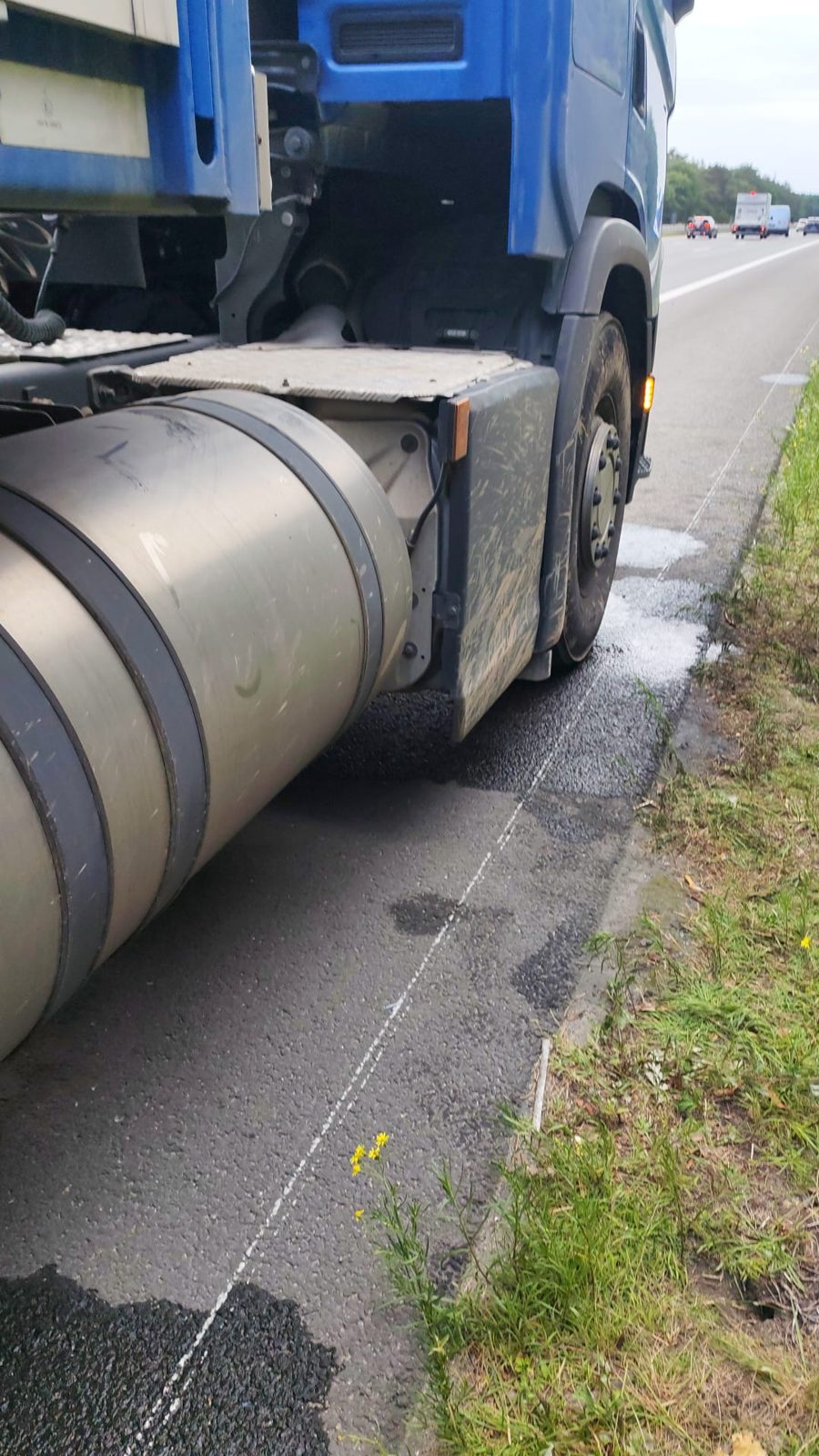
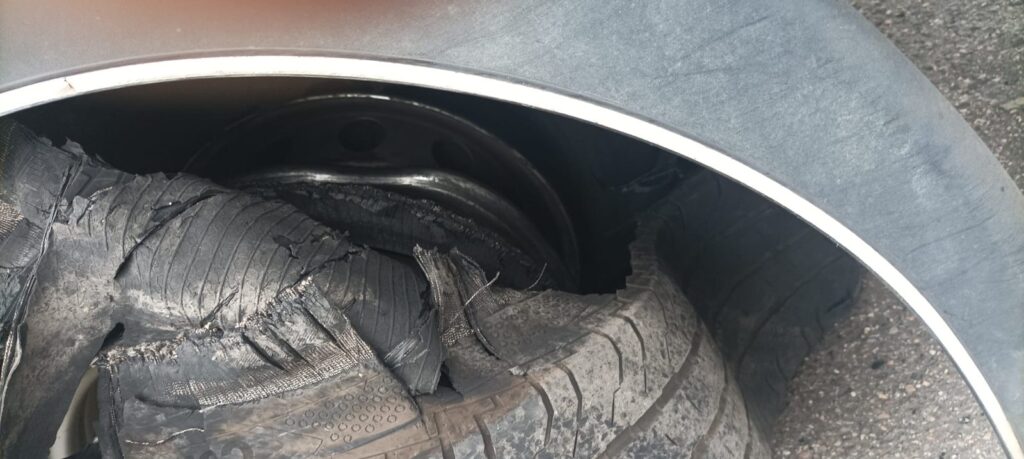
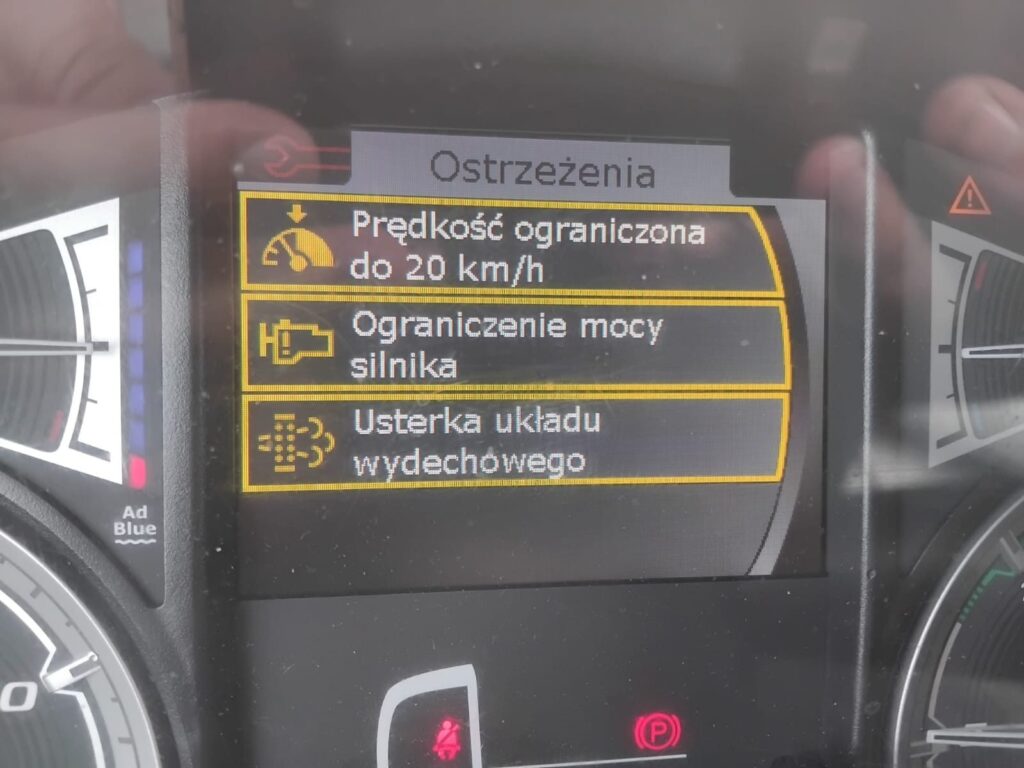
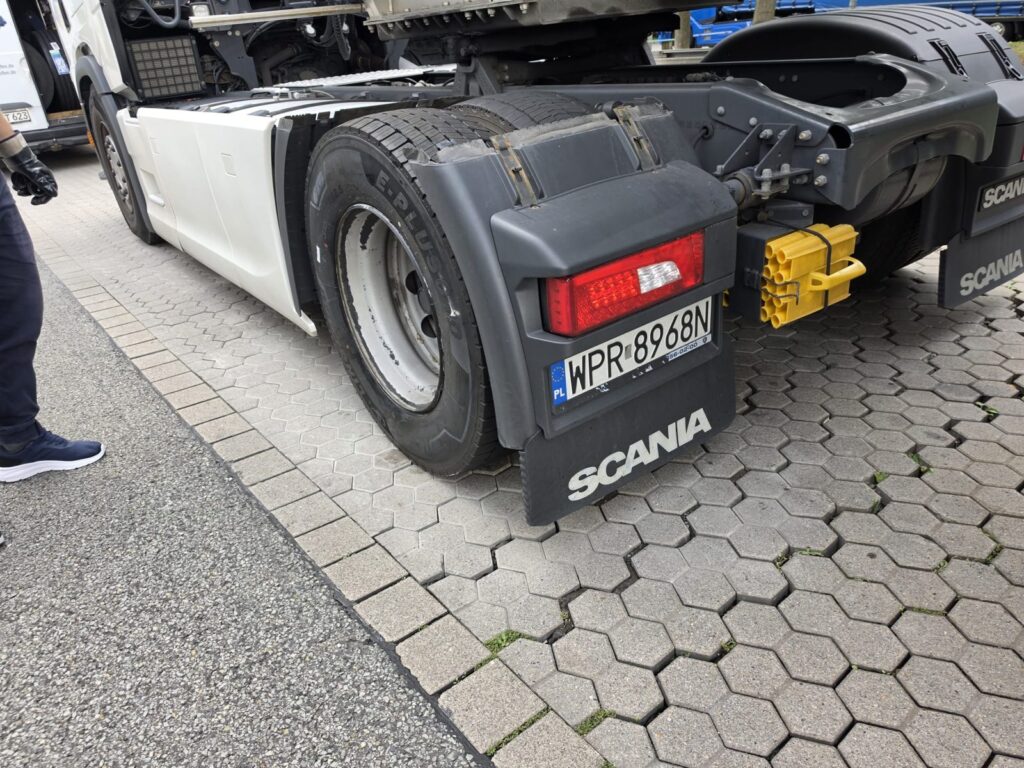
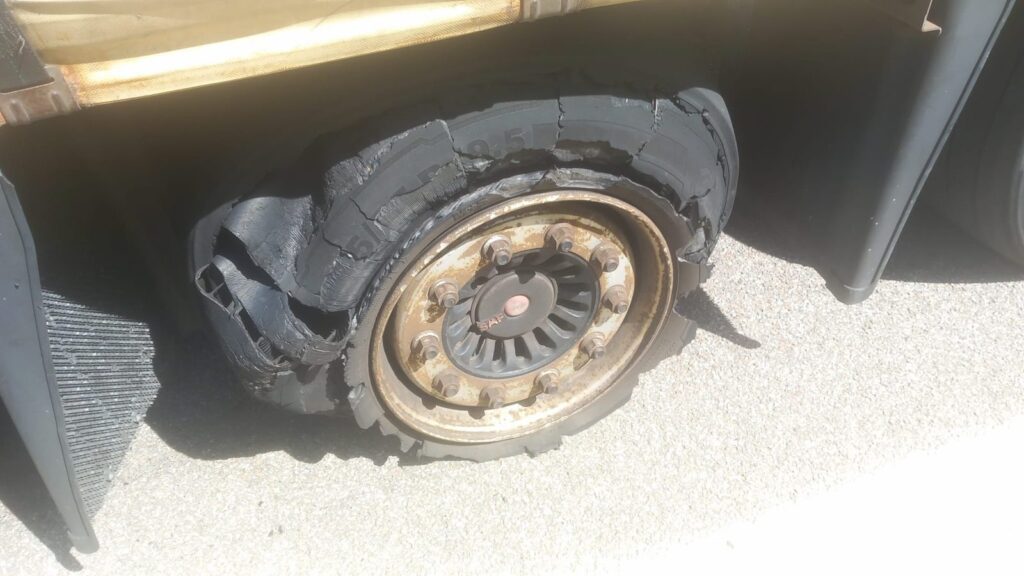
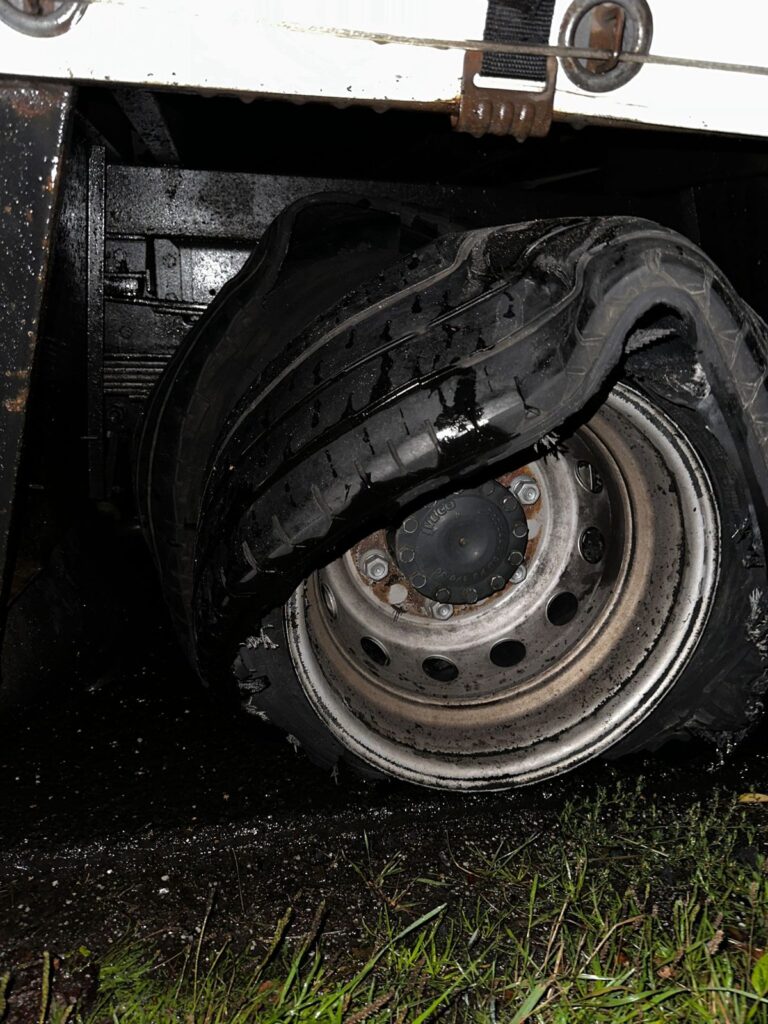
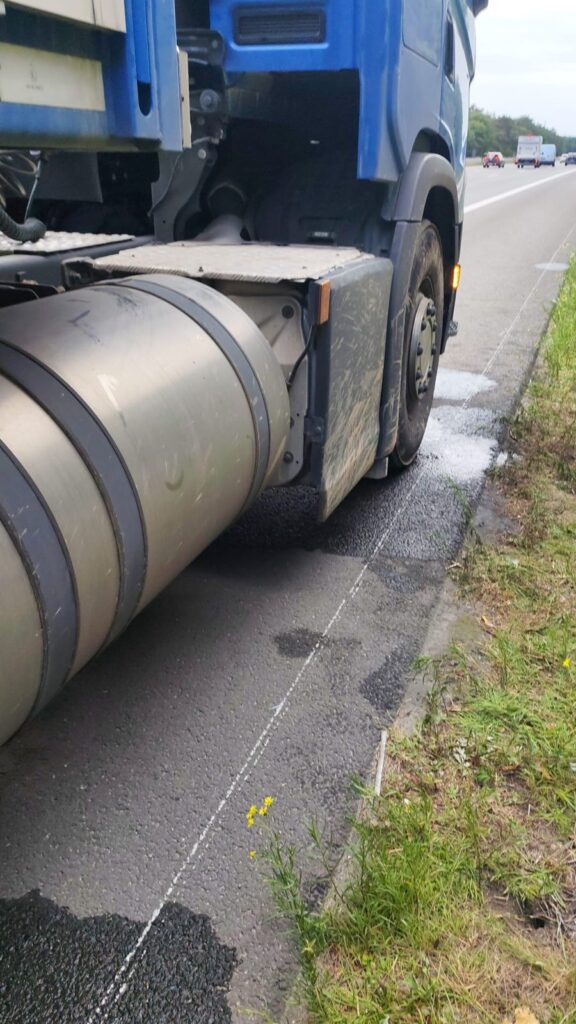
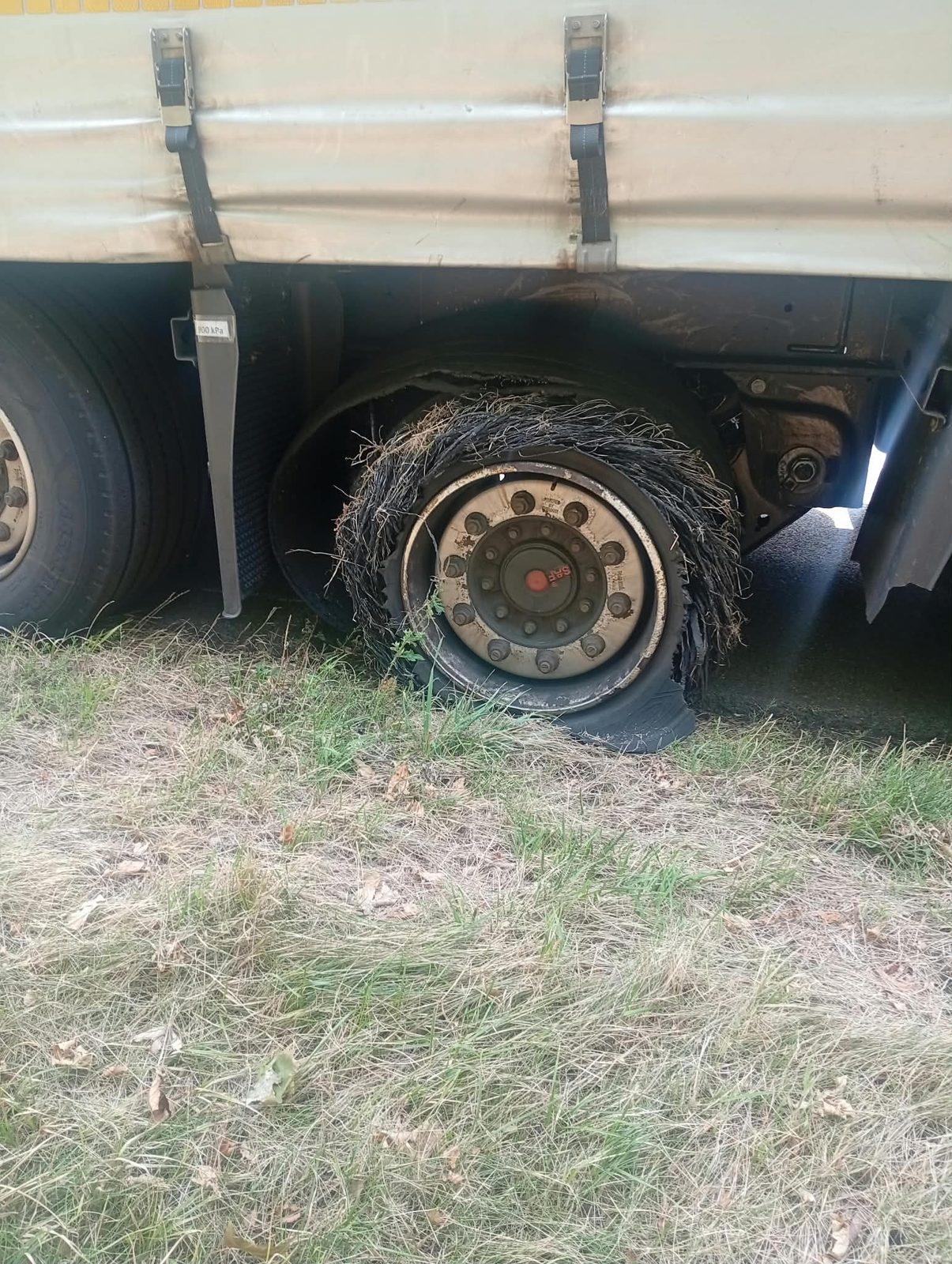
The incident began when a trailer tyre exploded mid-journey. The driver, operating a Scania G410 tractor unit with a planenauflieger (tented semi-trailer), managed to steer the vehicle safely onto the hard shoulder. No crash. No injuries. But the damage was severe: the 295/80 R22.5 tyre on the SAF axle had completely disintegrated. The tread was shredded, the steel belt unravelled, and dry grass and straw had worked their way into the carcass. The rim and hub were intact, a lucky break. With no time to waste, the driver contacted LKWHelp24, the 24/7 mobile truck tyre service provider.
From the moment of the call at 11:10, the team mobilised. By 12:20, the service crew arrived on site, a 55-minute response time across rural Brandenburg. The repair took another 19 minutes, followed by pressure checks and final tightening. By 13:05, the truck was back on the road. Total downtime: 1 hour 55 minutes.
This isn’t just speed. It’s precision, professionalism, and real-world experience. The repair wasn’t just about replacing a tyre, it was about restoring full safety compliance, ensuring correct pressure, and verifying structural integrity. Every step followed strict protocols. No shortcuts. No guesswork.
In this article, we break down the entire process, from the initial call to the final handover, with full transparency on timing, cost, and technical details. You’ll learn why professional mobile tyre services are essential for every fleet manager and long-haul driver.
What Happened: A Trailer Tyre Blowout on the A13
On 26 August 2026, at approximately 11:10, a driver operating a Scania G410 tractor unit with a planenauflieger trailer reported a sudden loss of control on the A13 near Lübbenau, Brandenburg. The vehicle was travelling at around 80 km/h when the rear tyre on the trailer’s SAF axle ruptured catastrophically. The driver immediately applied the brakes, maintained steering control, and guided the rig onto the hard shoulder, a textbook emergency procedure.
The incident was classified as a tyre blowout (Reifenplatzer), where the tyre fails suddenly under load and pressure. In this case, the 295/80 R22.5 tyre suffered complete structural failure: the rubber tread separated from the steel belt, which then unraveled like thread. The carcass, the internal fabric layer, collapsed entirely, leaving only the rim and hub intact.
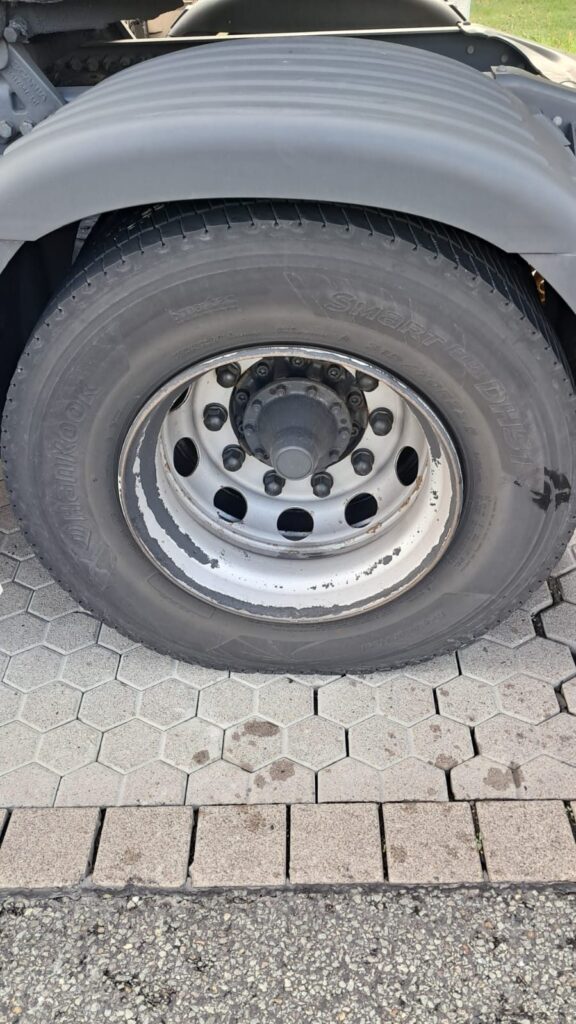
No visible damage was found on the wheel hub (Radnabe) or rim (Felge), which is crucial. Had the disc been bent or cracked, the repair would have been far more complex, possibly requiring a full axle replacement. But in this instance, the damage was confined to the tyre alone.
The trailer was a planenauflieger, meaning a tarpaulin-covered semi-trailer commonly used for dry freight, construction materials, and bulk goods. These trailers rely heavily on axle stability and tyre integrity. A failure on one wheel can cause the entire rig to shift, increasing the risk of rollover or jackknifing, especially during sudden braking or cornering.
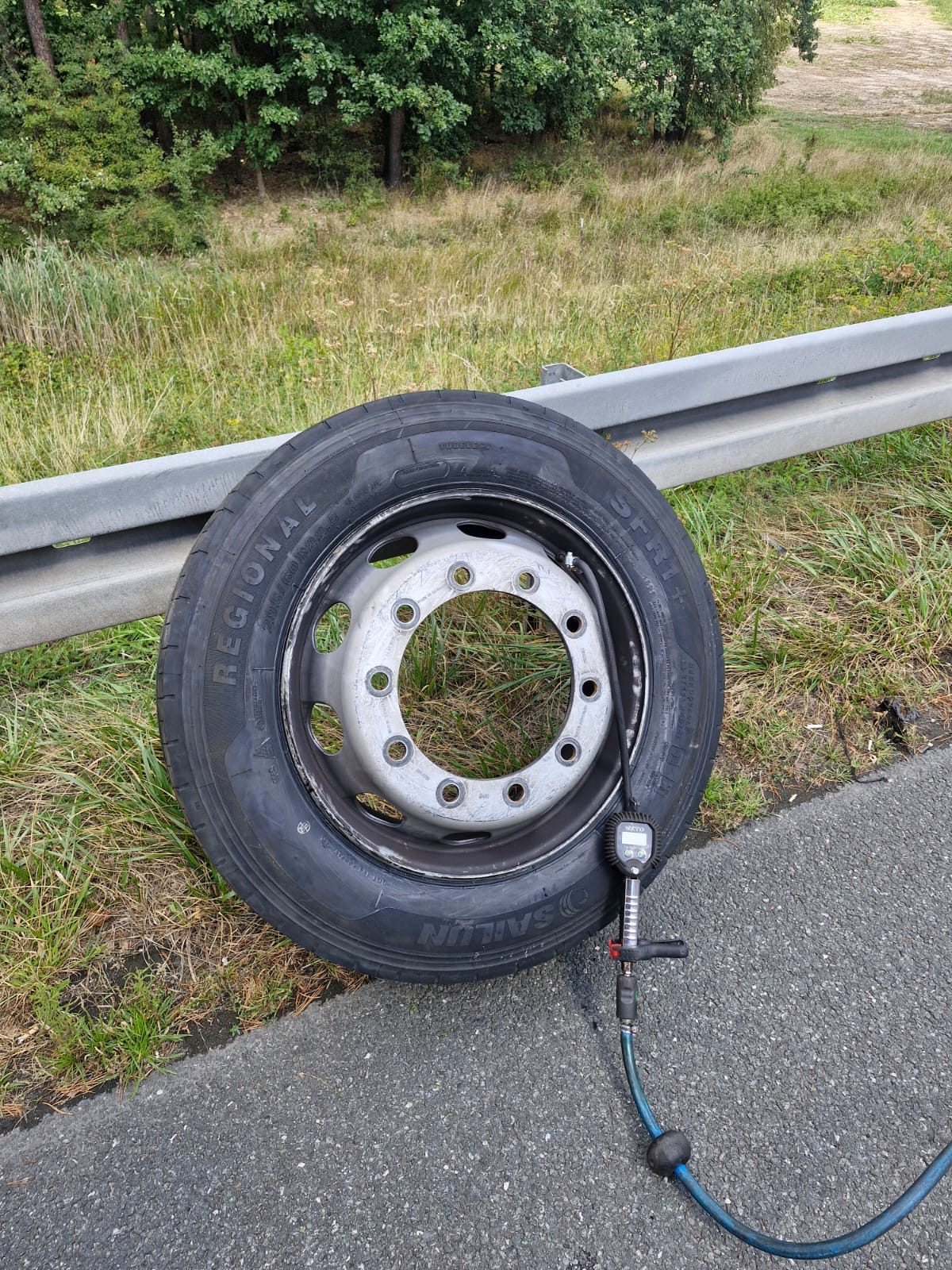
The driver had a spare wheel available: a Sailun Regional SFR1+ model, tubeless, mounted on a steel rim with 10 studs. It was stored correctly, secured to the trailer’s side rail. The spare was properly inflated, verified by a digital pressure gauge connected to a portable compressor. This preparedness was critical. Without a functional spare, the situation could have escalated into a full breakdown, requiring towing and a longer downtime.
The weather was dry and overcast, typical summer conditions in Brandenburg. Visibility was good. The A13 is a two-lane motorway in one direction through forested areas. The hard shoulder was clear, and the driver had already activated the hazard warning lights (Warnblinkers) and placed a warning triangle (Warndreieck) at the required distance. These steps were vital for legal compliance and safety.
Why This Situation Was High-Risk, Even After a Safe Stop
A blown tyre on a trailer may seem like a simple mechanical issue, but the risks go far beyond the immediate repair. When a truck tyre fails, especially on a multi-axle trailer, the consequences can be severe:
- Loss of vehicle control: A sudden tyre burst can cause violent steering oscillations, especially at high speeds. The driver must react instantly to prevent jackknifing or rolling.
- Secondary damage: The shredded tyre can damage surrounding components, brake lines, suspension arms, or even the trailer’s chassis.
- Fire hazard: In rare cases, a tyre blowout can generate enough friction to ignite flammable materials, particularly if the rim overheats.
- Legal liability: Under §15a StVO, drivers must not leave a broken-down vehicle unattended on a motorway. Failure to secure the scene can lead to fines and insurance complications.
But perhaps the most pressing concern is downtime cost. According to industry data from ADAC and the German Transport Ministry, the average cost of a truck standstill (Standzeit) ranges from €800 to €1,200 per day. For high-value freight, perishables, electronics, or just-in-time parts, that figure can climb to €2,000+ per day. That’s why every minute counts.
In this case, the driver acted correctly: he stopped safely, activated hazard lights, placed a warning triangle, and called for help. But even with perfect procedure, the vehicle remains stranded. The only solution is professional intervention.
That’s where mobile truck tyre service becomes essential. Unlike tow trucks or roadside assistance that require towing to a workshop, a mobile team can repair the vehicle on-site, restoring full operation within hours, not days.
How LKWHelp24 Organised the Emergency Response
When the call came in at 11:10, the LKWHelp24 dispatch team immediately initiated the emergency protocol. Here’s how the process unfolded:
-
Call Reception & Information Gathering (11:10–11:15)
The dispatcher confirmed the location: A13 near Lübbenau, Brandenburg, direction Dresden/Kotbus. The vehicle type was identified: Scania G410 tractor unit with planenauflieger trailer. The issue: tyre blowout on one of the trailer’s rear axles. The driver reported the spare tyre was available and ready. -
Vehicle & Tyre Specification Verification (11:15–11:20)
The team cross-checked the tyre size: 295/80 R22.5. This is a standard size for heavy-duty trailers. The spare tyre was confirmed as Sailun Regional SFR1+, tubeless, on a steel disc. The driver confirmed it was properly inflated, a key detail for the repair. -
Resource Allocation (11:20–11:25)
Using the LKWHelp24 partner network, the system located the nearest mobile service crew in Brandenburg. A technician with full equipment, including a hydraulic jack, torque wrench, digital pressure gauge, and spare tyres, was assigned. The crew was notified and dispatched immediately. -
Price Confirmation & Consent (11:25)
The estimated cost was calculated:
– Travel fee (Anfahrt): €240 (standard for the region, slightly higher due to rural location)
– Labour: €110/hour × 1.5 hours = €165
– New tyre: €480 (Sailun Regional SFR1+, 295/80 R22.5)
– Waste disposal: €20
– Total: €905 (net, excluding VAT)
The driver confirmed acceptance via SMS. No delays. -
Dispatch & On-the-Road Coordination (11:25–12:20)
The service crew set off at 11:25. The route was optimised via GPS, avoiding traffic and construction zones. The team used real-time updates to monitor progress and keep the driver informed.
The entire process, from call to dispatch, took just 15 minutes. This speed is only possible thanks to a decentralised, vetted partner network covering every region of Germany. No central warehouse. No waiting. Just real-time availability.
On-Site Assessment: Safety, Inspection, and Preparation
The LKWHelp24 team arrived at 12:20, exactly 55 minutes after the initial call. The vehicle was parked on the hard shoulder of the A13, with hazard lights flashing. A warning triangle was placed at the required distance (at least 100m behind the vehicle, according to §15 StVO).
The technician began with a full safety and inspection protocol:
-
Scene Safety Check:
The team ensured the area was clear of traffic. The vehicle was positioned correctly, with the front wheels angled slightly to prevent rolling. All safety gear was worn: high-visibility vest, gloves, and safety glasses. -
Visual Inspection of the Damaged Tyre:
The 295/80 R22.5 tyre was completely destroyed. The tread was shredded, the steel belt had unraveled, and dry grass and straw were embedded in the carcass. The rim and hub were visually intact, no dents, cracks, or warping. -
Neighbouring Tyres Check:
The technician inspected the other tyres on the same axle and adjacent axles. All were in good condition, with proper tread depth (≥1.6 mm), no bulges, and correct pressure (8.5–9.5 bar). -
Pressure Verification:
A digital pressure gauge was used to confirm that the spare tyre was already at 8.0 bar (800 kPa), the recommended working pressure for this size. -
Axle Load Check:
The load on the axle was within limits. The trailer was carrying standard freight, no overload detected. This confirmed that the blowout was due to tyre failure, not overloading. -
Preparation for Replacement:
The technician set up a protective mat on the ground to prevent damage to the trailer’s undercarriage. The jack was positioned correctly under the axle’s support arm.
This phase lasted 11 minutes. It wasn’t just about fixing the tyre, it was about ensuring the entire operation was safe, legal, and repeatable.
Step-by-Step Tyre Replacement: From Removal to Final Check
With safety confirmed, the repair began. Each step followed strict industry standards and manufacturer guidelines.
Step 1: Jacking Up the Axle
The technician used a hydraulic axle jack to lift the trailer’s axle off the ground. The jack was placed on the axle housing, not the rim or suspension. The lift was slow and steady. The vehicle remained stable throughout.
Step 2: Removing the Damaged Wheel
The 10 wheel bolts (Radbolzen) were loosened using a pneumatic wrench. The technician then removed the damaged wheel, which fell free. The carcass was visibly torn, the steel belt had been pulled apart, and the rubber had peeled off.
Step 3: Mounting the Spare Wheel
The Sailun Regional SFR1+ spare wheel was carefully lifted into place. The technician aligned the rim with the hub. The wheel was then secured with the 10 bolts, but not tightened fully yet.
Step 4: Torque Tightening – The “Star Pattern” Method
This is the most critical step. The bolts were tightened in a star pattern (alternating diagonal bolts) to ensure even pressure distribution. The torque was applied in three stages:
– First pass: 50 Nm
– Second pass: 80 Nm
– Final pass: 110 Nm (as per manufacturer spec)
This prevents rim warping and ensures the wheel is securely fastened.
Step 5: Final Pressure Check & Leak Test
The spare tyre was connected to a digital pressure gauge with built-in compressor. The pressure was raised to 8.0 bar (800 kPa), the correct value for this tyre size. The technician checked for leaks around the valve and rim.
The final step: re-tightening the bolts at 110 Nm after inflation. This ensures the bolts remain tight under load.
The entire replacement process took 19 minutes.
Full Timeline of the Incident: From Call to Road
| Time | Phase | Action |
|---|---|---|
| 11:10 | Call Received | Driver reports tyre blowout on trailer axle |
| 11:10–11:25 | Dispatch & Coordination | Verification of vehicle, tyre size, spare, and cost; crew assigned |
| 11:25–12:20 | Travel to Site | 55-minute journey from base to A13 near Lübbenau |
| 12:20–12:31 | On-Site Assessment | Safety check, inspection, preparation (11 min) |
| 12:31–12:50 | Tyre Replacement | Removal, mounting, star-pattern tightening (19 min) |
| 12:50–12:57 | Pressure & Leak Test | Digital gauge used to inflate to 8.0 bar, check for leaks (7 min) |
| 12:57–13:05 | Final Checks & Handover | Re-tighten bolts, remove debris, hand back to driver (8 min) |
| Total | , | 115 minutes (1 hour 55 minutes) |
The response time was within the 1–2 hour window expected for emergency truck tyre services in Germany. The travel time was longer than average due to the rural location, but the on-site work was efficient and precise.
Cost Breakdown: Transparent Pricing, No Hidden Fees
The total cost of the service was €905 (net, excluding VAT). Here’s the full breakdown:
| Position | Price (EUR) |
|---|---|
| Anfahrt (Travel Fee) | 240 |
| Arbeitszeit 1.5 Std. à 110 EUR | 165 |
| Reifen 295/80 R22.5 (Sailun Regional SFR1+) | 480 |
| Entsorgung der Altreifenreste (Waste Disposal) | 20 |
| Total | 905 |
All prices are net (zzgl. MwSt.), no hidden charges. The cost includes:
– Full mobile service (no workshop required)
– Labour for inspection, removal, mounting, and testing
– Use of digital tools and safety equipment
– Disposal of the damaged tyre
For comparison:
– A towing service to a garage would cost €850–€1,600, plus additional labour fees.
– A standstill of 24 hours can cost €800–€1,200 in lost revenue.
– A full replacement at a workshop could take 1–3 days.
This repair saved the driver over €1,000 in potential losses and restored operations in less than two hours.
Why DIY Repairs Are Risky, And Why You Need a Pro
Many drivers consider replacing a tyre themselves. But professional mobile tyre services are not just faster, they’re safer and legally compliant.
Here’s why:
- Incorrect torque can cause rim warping, uneven wear, or wheel detachment.
- Improper alignment leads to vibrations, brake wear, and reduced fuel efficiency.
- Missing safety checks increase the risk of secondary accidents.
- Failure to dispose of old tyres legally can result in fines under EU waste regulations.
A professional technician uses:
– Torque wrenches calibrated to manufacturer specs
– Digital pressure gauges with calibration certificates
– Safety protocols aligned with ADAC, TÜV, and DEKRA standards
Only trained professionals can guarantee safety and compliance.
Typical Scenarios We Handle Across Germany
We respond to a wide range of tyre emergencies on German motorways and freight routes:
- Blowouts on trailers and semi-trailers
- Punctures from nails, glass, or debris
- Sidewall damage from curbs or potholes
- Overheating due to underinflation
- Sudden pressure loss during long hauls
We cover all vehicle types:
– Sattelzüge (semi-trailers)
– Planenauflieger (tented trailers)
– Container carriers
– Tipper trucks
– Refrigerated units (Reefers)
Our service is available 24/7, nationwide, from the Rhine to the Baltic Sea.
Preventive Tips for Drivers and Fleets
To avoid breakdowns, follow these best practices:
- Check tyre pressure weekly, ideal: 8.5–9.5 bar for 22.5 tyres.
- Inspect tread depth monthly, minimum 1.6 mm (§36 StVZO).
- Rotate tyres every 50,000 km to even wear.
- Avoid driving on underinflated tyres, they overheat and fail faster.
- Use high-quality brands: Michelin, Continental, Goodyear, Bridgestone.
Fleet managers should schedule annual inspections and use digital tyre monitoring systems.
The Role of Tyre Quality and Standards
The Sailun Regional SFR1+ used in this repair is a budget-friendly, tubeless tyre designed for long-haul transport. While cost-effective, it’s important to choose tyres based on:
– Load index (e.g., 112/110 for 295/80 R22.5)
– Speed rating (e.g., 110 km/h for H-rated tyres)
– Tread compound (for wet grip, wear resistance)
– Certification (ETRTO, EU tyre labelling)
For more on tyre ratings, see: 101V Tyre Meaning: Load Index and Speed Rating Explained Simply
Why Choose LKWHelp24?
- 24/7 Availability: We’re on call every day, every night.
- Nationwide Network: Over 150 vetted partner technicians across Germany.
- Transparent Pricing: No hidden fees. All costs quoted upfront.
- Multilingual Support: Dispatchers speak English, German, Polish, and Russian.
- Fast Response: Average arrival time: under 60 minutes in urban areas, under 90 minutes in rural zones.
- Legal Compliance: All work follows ADAC, TÜV, and StVZO standards.
The Critical Role of Axle Load and Tyre Pressure in Trailer Safety
In trailer operations, the relationship between axle load and tyre pressure is not just a technical detail, it’s a fundamental safety equation. On the A13 near Lübbenau, the damaged 295/80 R22.5 tyre was carrying a load that exceeded its structural limits, likely due to a combination of underinflation and prolonged high-speed travel. The working pressure of 8.0 bar (800 kPa) is standard for this size, but any deviation, even a drop to 7.5 bar, increases the risk of heat buildup and sidewall fatigue. Over time, this stress weakens the carcass, especially at the belt-to-rubber interface.
Each axle on a planenauflieger must be loaded within the manufacturer’s specified limits. For a typical SAF axle, this ranges from 12,000 to 14,000 kg, depending on the trailer model and suspension type. Exceeding this can cause uneven weight distribution, leading to premature wear on one side of the tyre. In this case, the tyre failure occurred on the outermost wheel of a dual-wheel setup, a common point of failure when load imbalance is present.
The radial load index of the Sailun Regional SFR1+ tyre is rated at 112/110, meaning it can carry up to 1,120 kg per tyre (1,100 kg for the second wheel in duals). When combined with a 14,000 kg axle load, this means each tyre should carry roughly 3,500–4,000 kg, well within its capacity, provided pressure is maintained. However, underinflation reduces this load-bearing ability by up to 20%. This is why regular pressure checks are non-negotiable.
Moreover, tyre pressure affects rolling resistance and fuel efficiency. A 10% drop in pressure increases fuel consumption by about 2–3%. For a fleet running 100,000 km annually, this adds up to thousands in extra costs. The solution? Integrate digital tyre pressure monitoring systems (TPMS) into the fleet, especially for long-haul and international routes.
Why Fleet Managers Should Prioritize Tyre Maintenance Schedules
Fleet downtime is not just a cost, it’s a chain reaction. When a trailer tyre fails, the impact extends beyond the immediate repair. It delays delivery schedules, disrupts logistics chains, and strains driver availability. For large operators, this can result in contractual penalties, lost customer trust, and reputational damage.
A proactive maintenance strategy is essential. Here’s how to structure it:
- Weekly visual inspections: Check for cuts, bulges, foreign objects, and tread wear.
- Bi-weekly pressure checks: Use digital gauges, not the old “pinch test”.
- Monthly alignment and balance checks: Prevents uneven wear.
- Quarterly professional inspection: Includes hub and rim integrity checks.
- Annual tyre rotation: Distributes wear evenly across all wheels.
Many fleets use digital fleet management platforms that log tyre data, predict wear, and trigger maintenance alerts. These systems reduce unplanned breakdowns by up to 40%, according to a 2025 study by DEKRA. The return on investment is clear: fewer repairs, longer tyre life, and fewer delays.
Additionally, track tyre life cycles. A 295/80 R22.5 trailer tyre typically lasts 60,000–80,000 km under optimal conditions. Once it reaches 70,000 km, monitor it closely. Replace it before the tread depth drops below 3.0 mm, the threshold where safety and performance begin to degrade significantly.
Legal and Technical Standards: What the Law Actually Requires
Germany’s traffic regulations are strict about tyre safety. Under §36 StVZO, all tyres must have a minimum tread depth of 1.6 mm across the entire circumference. However, best practice is to replace tyres when they reach 3.0 mm, especially for trailers, where braking distance and stability are critical.
The ETRTO (European Tyre and Rim Technical Organisation) sets international standards for tyre dimensions, load ratings, and speed classifications. The 295/80 R22.5 size used in this case follows the ETRTO standard for heavy-duty trailers. The “S” in the Sailun SFR1+ model indicates a standard load capacity, while “H” would denote a higher speed rating (up to 210 km/h).
On the road, every tyre must be properly secured. The wheel nuts must be tightened to the manufacturer’s torque specification, 110 Nm in this instance, using a calibrated wrench. Failure to do so can result in wheel detachment, a major accident risk.
Furthermore, warning triangles must be placed at a minimum distance of 100 metres behind the vehicle on motorways. This is required under §15 StVO and is enforceable by police. The driver in this case followed the rule correctly, which helped prevent secondary incidents.
Finally, waste disposal of old tyres is regulated by EU Directive 2000/53/EC. All used tyres must be disposed of through licensed facilities. The €20 waste fee in this case covers proper recycling, including rubber granulate recovery and energy recovery in cement plants.
The Hidden Cost of Ignoring Tyre Health in Heavy Transport
Beyond the obvious repair bill, ignoring tyre health has hidden financial consequences. A single blowout can trigger a chain of downstream costs:
- Driver fatigue: Emergency stops and repairs disrupt rest periods, violating EU driving time regulations (Lenkzeit).
- Insurance claims: Repeated breakdowns can increase premiums or lead to policy cancellation.
- Vehicle depreciation: Poor maintenance accelerates wear on axles, hubs, and brakes.
- Environmental impact: Failed tyres contribute to microplastic pollution and waste. A single 22.5 tyre weighs about 70 kg, and if not recycled, ends up in landfills.
The average cost of a tyre-related breakdown, including downtime, labour, and penalties, is €1,300–€2,500. This exceeds the cost of a preventive service by a factor of three to five.
For fleet operators, investing in preventive maintenance is not an expense, it’s a strategic decision. A single mobile tyre service visit every six months can prevent multiple breakdowns. The savings in lost revenue, penalties, and repairs far outweigh the cost. In fact, companies with structured tyre programmes report up to 35% lower total cost of ownership (TCO) over five years.
Summary: Key Facts from the Case
- Location: A13 near Lübbenau, Brandenburg
- Vehicle: Scania G410 tractor unit with planenauflieger
- Tyre Size: 295/80 R22.5
- Issue: Tyre blowout (Reifenplatzer)
- Response Time: 55 minutes
- Total Downtime: 1 hour 55 minutes
- Repair Cost: €905 (net)
- Spare Tyre: Sailun Regional SFR1+ (tubeless)
- No Secondary Damage: Rim and hub intact
- No Towing Required
- Driver Saved Over €1,000 in Lost Revenue
Need Emergency Truck Tyre Service?
Call us now: +49 160 5753826
We’re available 24/7, throughout Germany.
Visit: www.lkwhelp24.com
Keywords
mobile truck tyre service | truck tyre service | truck tyre replacement | truck tyre change | mobile reifenservice | truck tyre breakdown service | trailer tyre service | truck tyre emergency | mobile reifenwechsel | truck tyre repair | truck tyre roadside assistance | truck tyre help | truck tyre service near me | truck tyre service germany | truck tyre service in Germany | mobile truck tyre service Germany | emergency truck tyre service Germany | truck tyre service 24/7
Similar Articles
- Truck Tire Service Near Me: How We Got a DAF Artic Back on the Road in 2 Hours After a Tyre Blowout on the Autobahn Near Hof
- Truck Tyre Service Ingolstadt (85049): Mobile Tyre Change on a Trailer – Mercedes-Benz Actros Back on the Road in 2 Hours
- Truck Tyre Service Near Me: How LKWHelp24 Got a Semi-Truck Moving in 90 Minutes on the A43 Autobahn Near Dortmund
- Tire Blowout on the Autobahn: The Immediate Action Checklist for Truck Drivers
- Mobile Truck Tyre Service in Germany: 24/7 Emergency Help from 7.5t