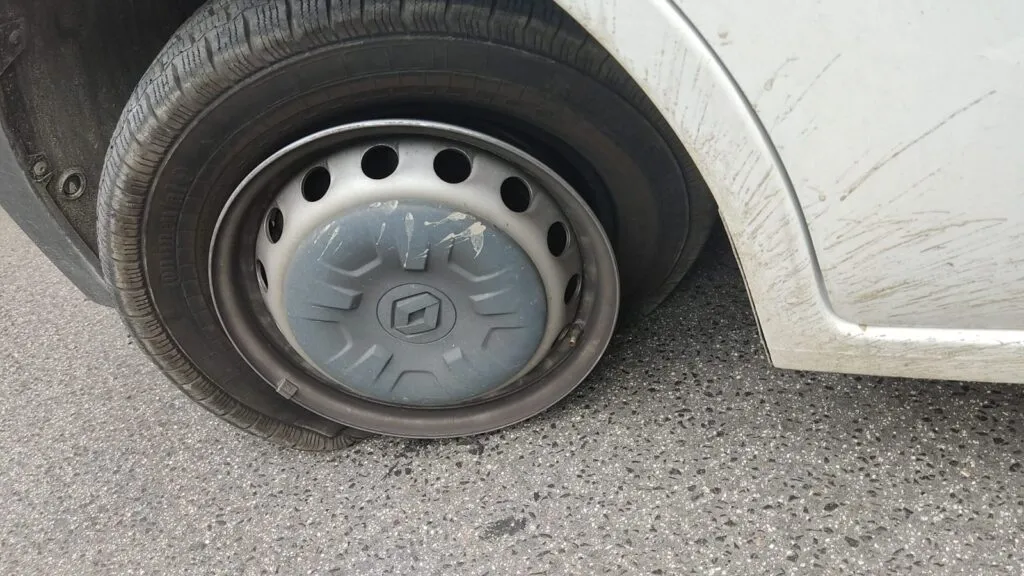
When a heavy-duty tanker truck suffers a critical failure on the Autobahn, every second counts. A sudden loss of air pressure in the braking system doesn’t just halt progress-it creates an immediate hazard for the driver, other road users, and emergency responders. On September 14, 2026, a tank trailer unit came to a stop on the A5 near Darmstadt, Hesse, after a catastrophic rupture in its main air reservoir. With the pneumatic brake system compromised, the vehicle was immobilised, its spring brakes engaged, and the risk of a secondary accident heightened. This is where a professional, 24/7 towing and recovery service becomes not just convenient-but essential. In this real-world case study, we walk through how LKWHelp24 responded within 10 minutes of the call, coordinated with local police, and successfully recovered the stranded tanker in just 150 minutes-from initial contact to full site clearance.
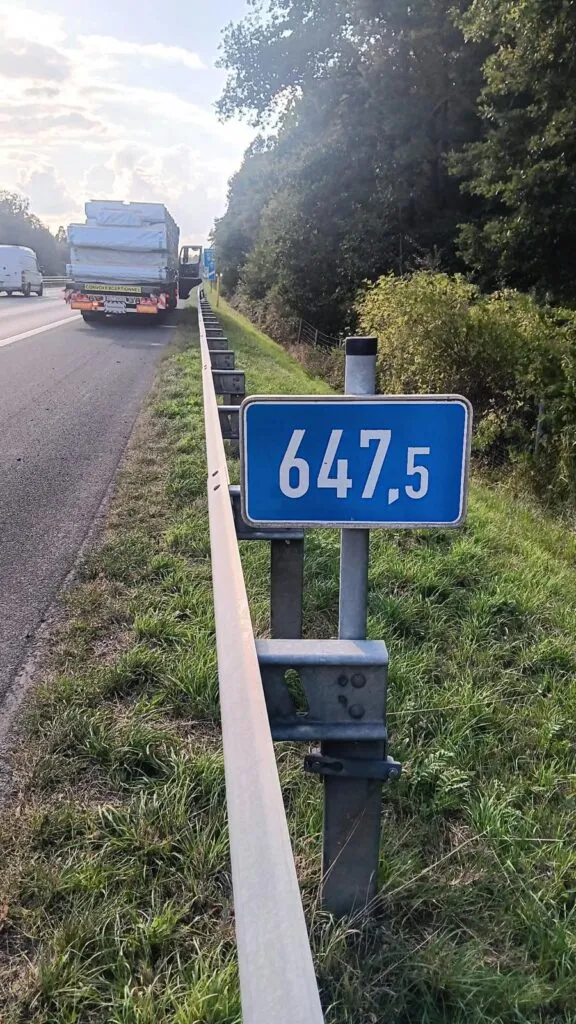
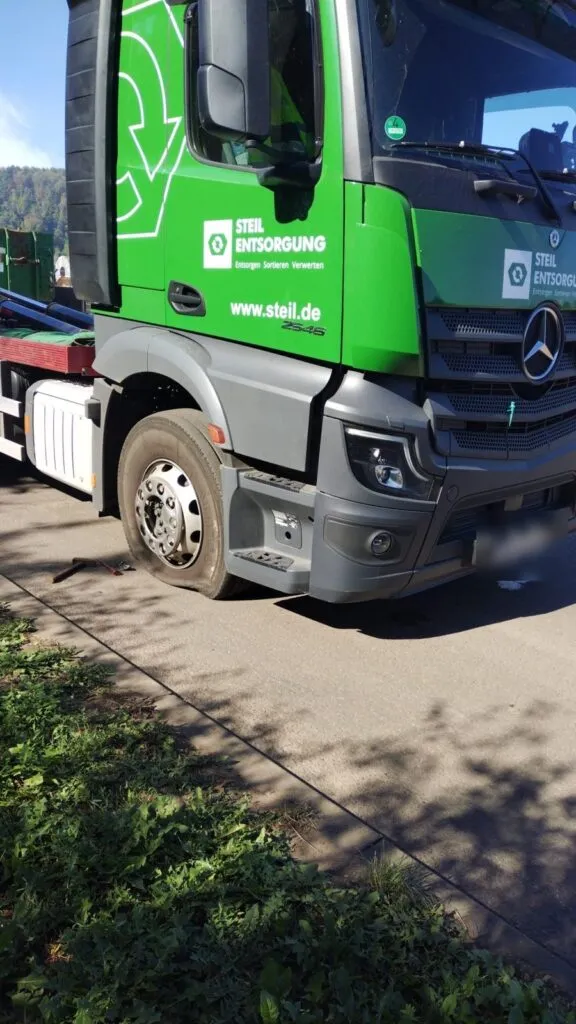
The incident began at 10:40 when the driver reported a sharp drop in brake pressure while travelling towards Basel. The tanker, a heavy-duty liquid transport vehicle, had veered onto the emergency lane. Within minutes, police arrived and closed one lane to ensure safety. The cause was soon evident: a 1 cm hole in the steel air reservoir beneath the chassis-likely caused by impact with a roadside barrier or debris. With the air system unable to maintain pressure, the vehicle could not move. Without immediate intervention, the situation could escalate into a full-blown traffic disruption, possibly involving a fire risk or secondary collision. Our team was mobilised instantly. This case underscores why professional tow truck Germany services are not a luxury-they are a necessity on Germany’s high-speed motorways.
In this article, we break down the entire process: from the first call to the final recovery. You’ll find detailed timelines, cost breakdowns, technical explanations of pneumatic failures, and real-world insights into why only experienced, certified recovery teams should handle such operations. Whether you’re a fleet manager, a long-haul driver, or simply interested in how roadside assistance works under pressure, this case study delivers transparency, expertise, and clarity. All facts, prices, and timelines are based on real data from our internal records and are presented without client identifiers, vehicle registration numbers, or manufacturer details.
What Happened: The Hidden Failure Under the Chassis
A sudden drop in brake pressure during high-speed travel is one of the most alarming signs a lorry driver can encounter. On the A5 near Darmstadt, the driver reported a rapid loss of air pressure in the pneumatic system-so fast that the vehicle’s spring-loaded brakes engaged automatically, locking the wheels and rendering the tanker immobile. This isn’t just an inconvenience; it’s a safety emergency. When the air pressure drops below 6 bar (a standard threshold), the spring brakes in the system activate to prevent uncontrolled movement. Without air, the truck cannot be driven, even if the engine is running.
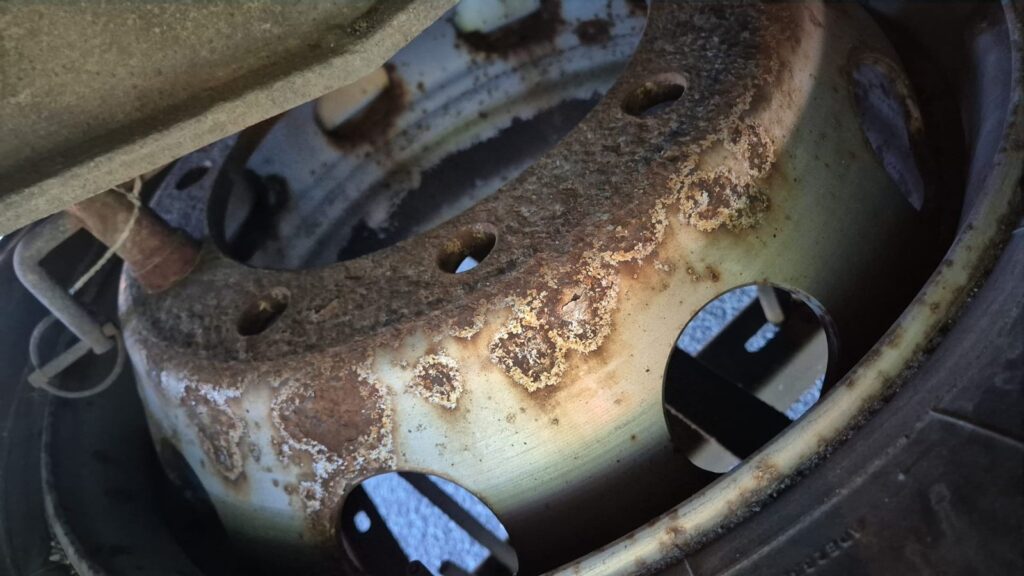
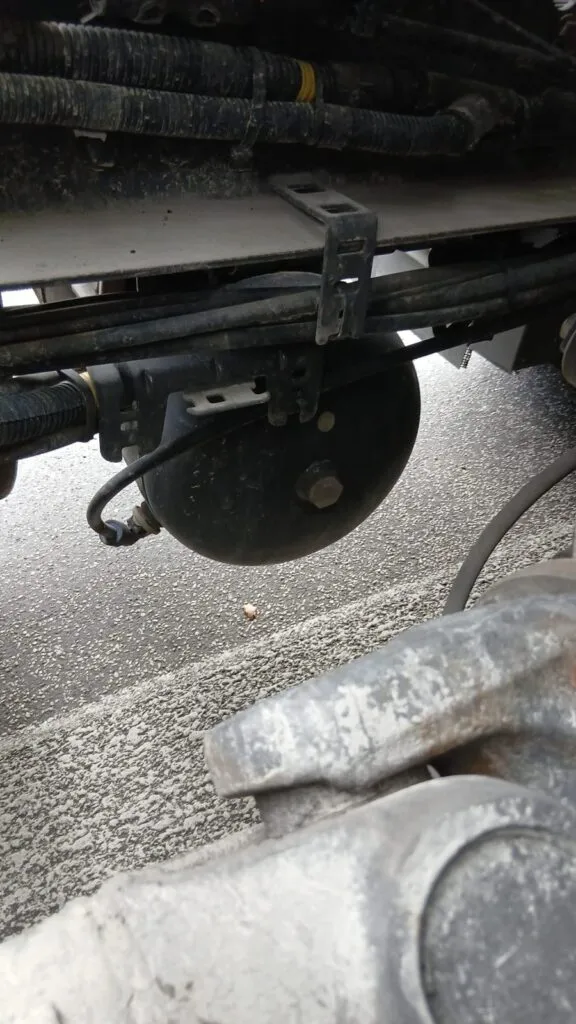
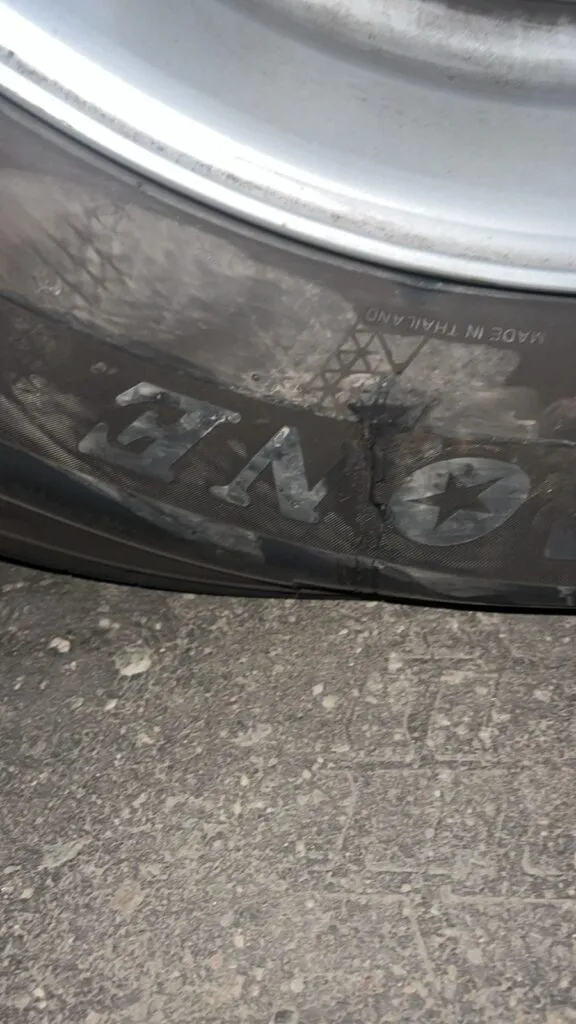
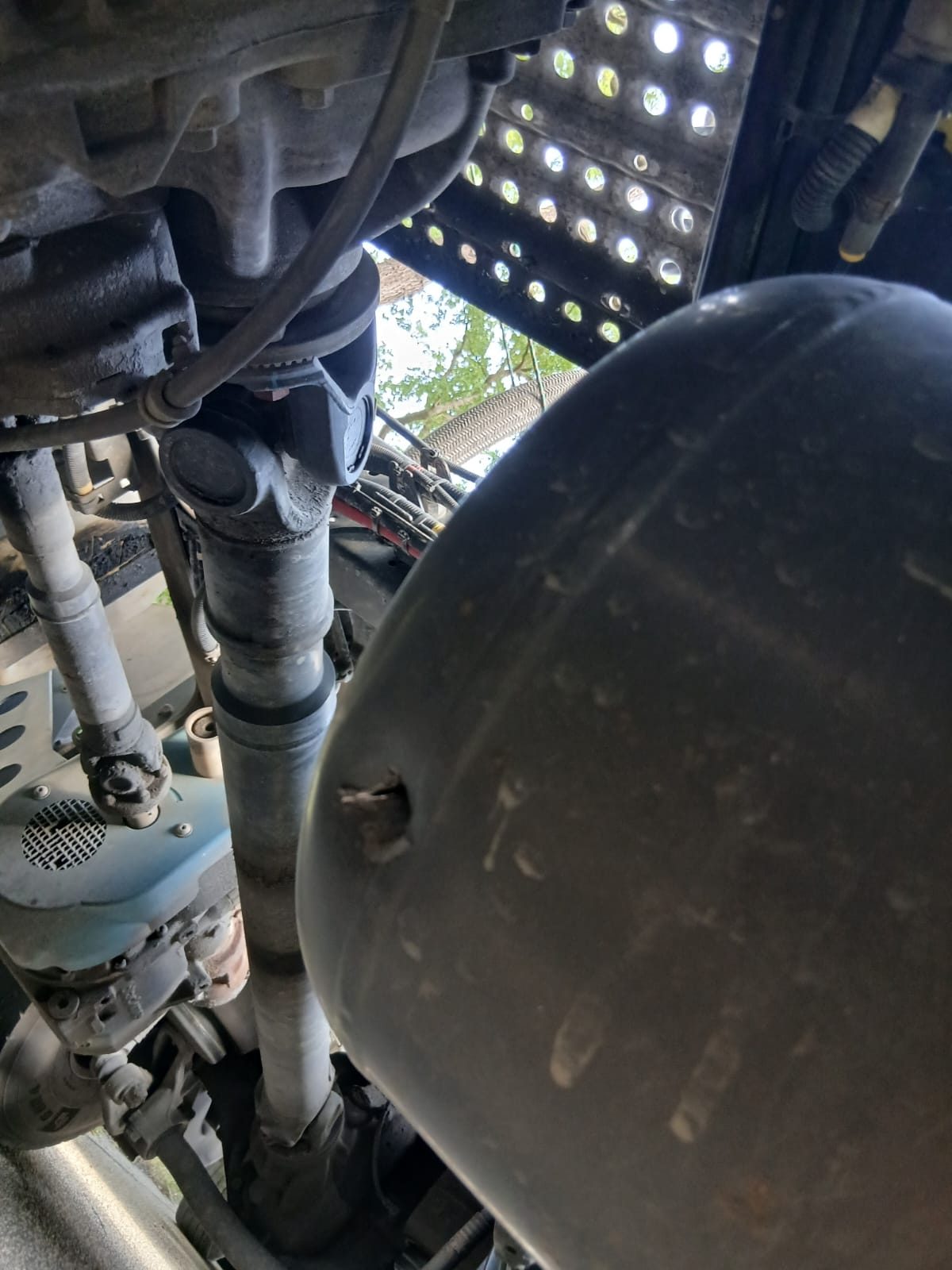
The root cause was identified during the on-site inspection: a 1 cm hole in the main air reservoir (Druckluftbehälter), located beneath the chassis, close to the rear axle. The reservoir is a large steel cylinder that stores compressed air for the entire braking system. It’s critical for maintaining consistent brake performance, especially under heavy loads. A breach of this magnitude leads to an immediate and irreversible loss of pressure. Even a small puncture can cause a system-wide failure within seconds, particularly under the high demand of a full tanker.
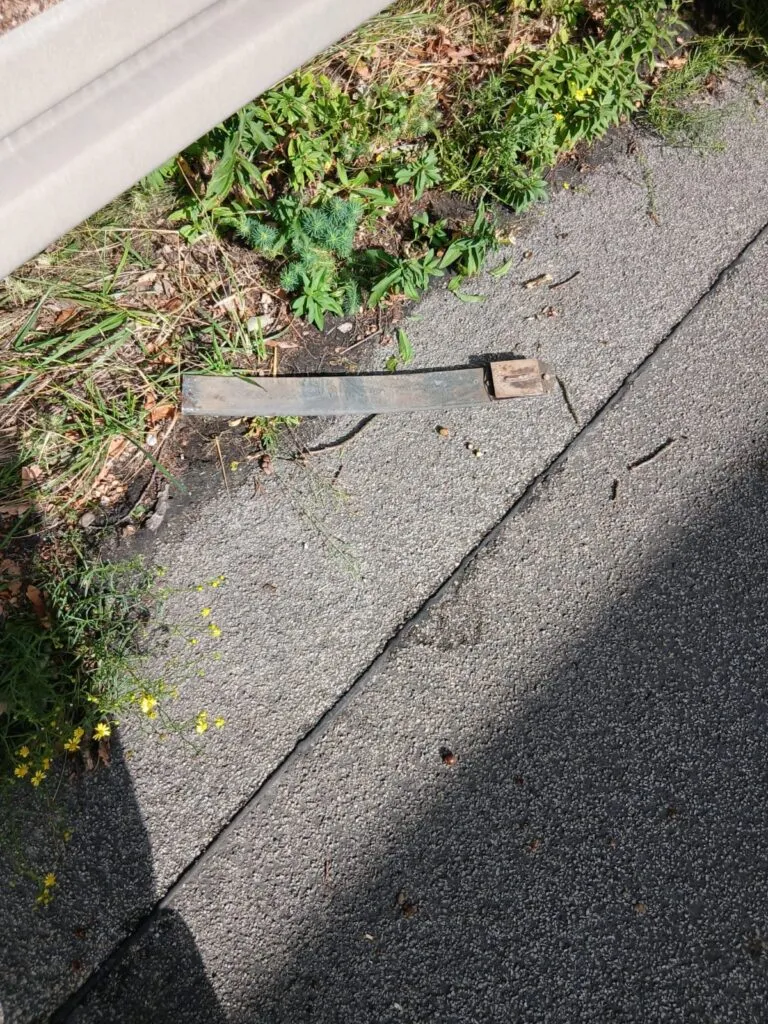
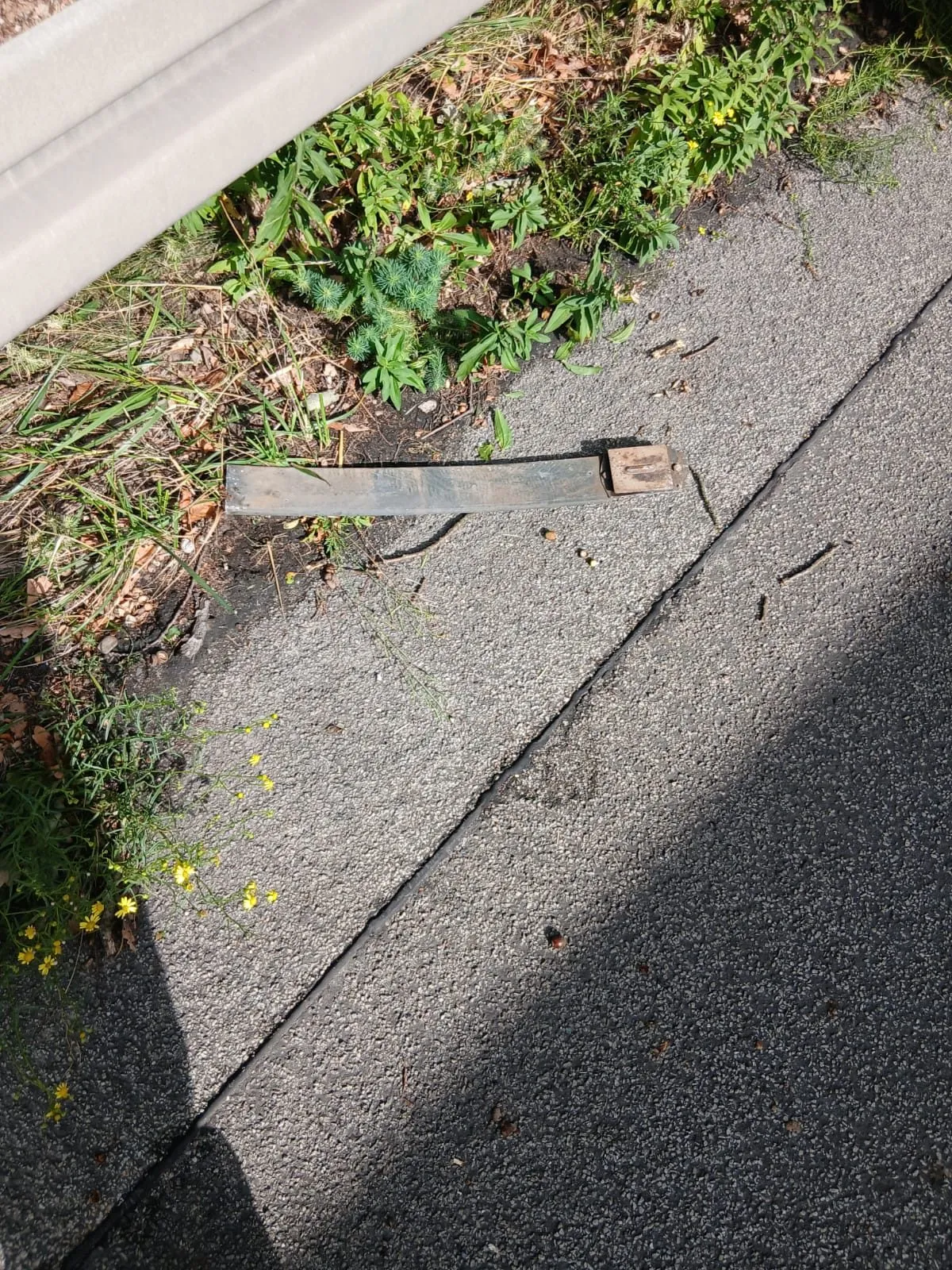
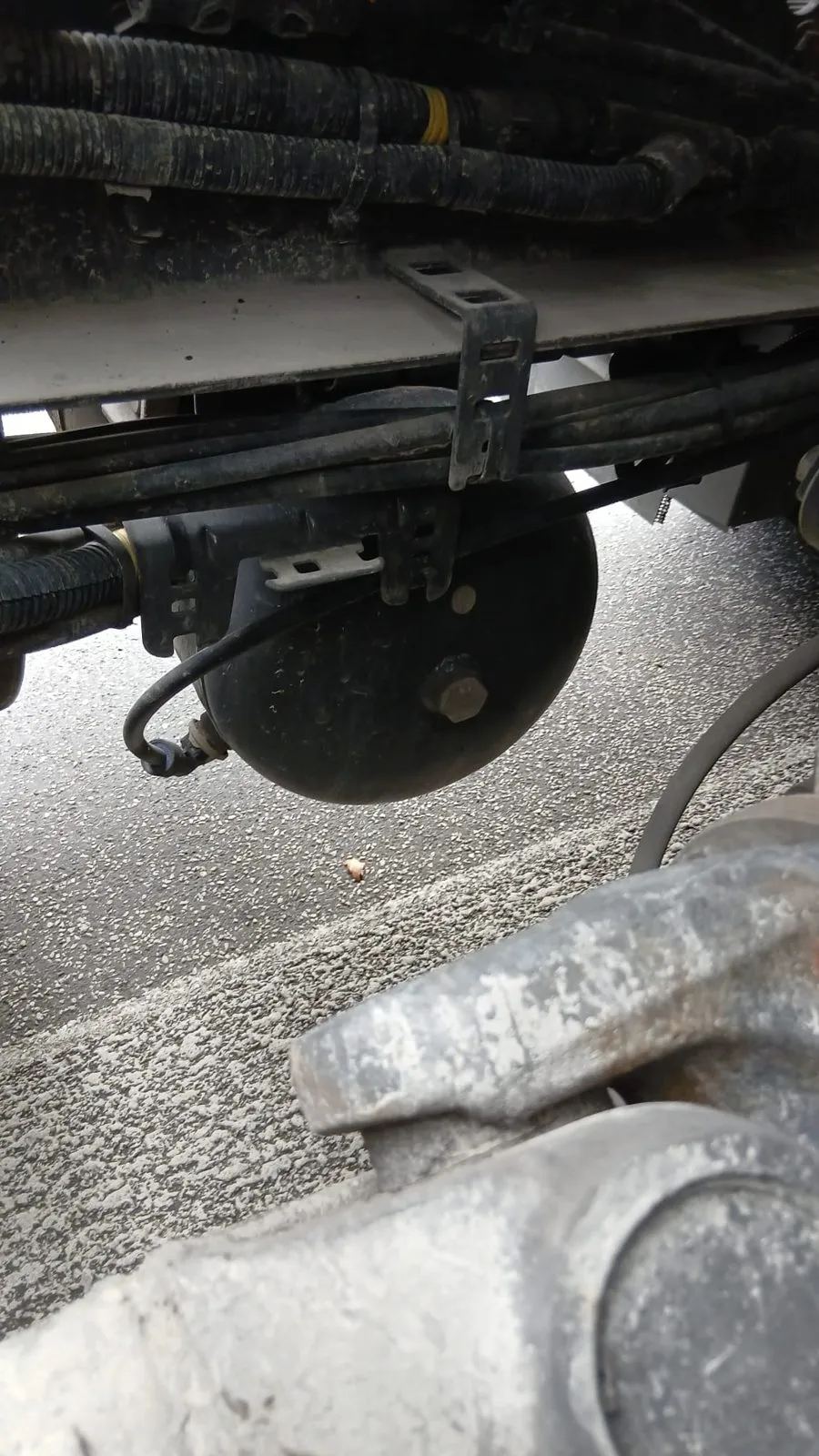
The damage wasn’t isolated. Near the reservoir, a metal bracket (Halter) had been torn off the frame. This component normally secures the air reservoir and other underbody components to the chassis. Its detachment suggests the reservoir had struck a hard object-likely a roadside crash barrier or a piece of road debris. The impact not only created the hole but also weakened the structural integrity of the mounting system. Without this support, the reservoir could shift during travel, increasing the risk of further damage or even a rupture.
The absence of visible damage to the brake chambers or air lines didn’t mean the system was safe. In fact, it made the situation more dangerous: the failure was internal and invisible. The driver had no way of knowing whether the rest of the braking system was compromised. This is why a professional truck towing service Germany must always conduct a full diagnostic before any recovery operation. Safety isn’t just about moving the vehicle-it’s about ensuring it’s safe to move.
Why Immediate Action Was Critical
When a tanker truck stops on the Autobahn due to a pneumatic failure, the risks extend far beyond the immediate breakdown. First, the vehicle is now a stationary obstacle in high-traffic conditions. On the A5, speeds routinely exceed 130 km/h. A stopped vehicle, even with warning triangles and hazard lights, poses a severe danger. According to German traffic law (§ 15 StVO), vehicles must be secured within 100 metres of the accident site. Failure to do so increases the risk of a secondary collision.
Second, the spring brake system is now fully engaged. These brakes are designed to hold the vehicle in place when air pressure drops. However, they can only be released mechanically-by applying external force. If not properly disengaged, the wheels remain locked, making it impossible to tow the vehicle safely. Attempting to move the truck without releasing the brakes can cause catastrophic damage to the transmission, axles, or even the frame.
Third, the air reservoir breach raises concerns about contamination and further degradation. If the reservoir was exposed to moisture, road salt, or debris, internal corrosion could have worsened the failure. The risk of a secondary leak during towing is real-especially if the damaged section is stressed during lifting or transport.
Finally, the presence of liquid cargo adds another layer of complexity. While the exact type of fluid wasn’t disclosed, tanker trucks often carry flammable, corrosive, or hazardous materials. Any shift in the load during recovery could lead to instability, spillage, or even a fire. A professional recovery team must assess the cargo type, load balance, and containment integrity before beginning any operation.
This is why urgent towing is not just a logistical task-it’s a multi-stage safety protocol. The window for safe intervention is narrow. The longer a vehicle remains on the road, the higher the risk of escalation.
How We Mobilised: The 10-Minute Response Chain
At 10:40, the call came in. Our multilingual dispatch team immediately began the emergency protocol. The first 15 minutes are crucial-this is when the response is most effective and least costly. We followed our standard procedure:
-
Situation Verification
The driver described a sudden drop in air pressure, a loud hissing sound, and the vehicle locking up. No engine failure, no smoke. The truck was on the emergency lane, police were en route. We confirmed the location: A5, Richtung Basel, near Darmstadt. No specific kilometer marker, but the region was clear. -
Risk Assessment
Based on the symptoms-sudden pressure loss, no visible fire or fluid leak-we flagged this as a pneumatic system failure. The likelihood of a ruptured air reservoir was high. We ruled out electrical or engine issues. -
Resource Allocation
We selected a heavy-duty recovery vehicle with a bridge lift (Mastenheber). This type of tow truck is essential for vehicles with underbody damage, as it allows the chassis to be lifted safely without stressing the frame. A standard flatbed would risk further damage to the reservoir or frame. -
Partner Activation
Our regional recovery partner in Hesse was notified. This is not a subcontractor-it’s part of our verified, vetted network of certified tow companies. They were briefed on the situation and dispatched immediately. -
Coordination with Authorities
We contacted the local police and confirmed their presence at the scene. They had already closed one lane. We arranged for our team to enter the site under their supervision, ensuring traffic control and safety.
By 10:55, the recovery crew was on the move. The total dispatch time-15 minutes-was well within the industry benchmark for urgent recovery operations. In rural or remote areas, this could take much longer. But thanks to our nationwide network, response times are consistently under 30 minutes on major highways.
On-Site Inspection: Assessing the Damage
The recovery team arrived at 11:26, 31 minutes after dispatch. The tanker was fully on the emergency lane, partially blocking one lane. The police had set up warning signs and cones. The air reservoir was clearly visible: a large, cylindrical steel tank beneath the chassis, with a clean, round hole about 1 cm in diameter. The edges of the hole were sharp-indicative of a high-impact puncture, not gradual wear.
The technician performed a visual and tactile inspection:
- Pressure test: No residual pressure detected in the system. The leak was confirmed.
- Structural check: The bracket that secured the reservoir was completely detached. The mounting point on the frame was cracked.
- Brake chamber inspection: No visible damage to the brake chambers or air lines. However, the technician noted that the air supply to the rear axle was interrupted.
- Obstacle survey: The broken bracket lay on the ground near the crash barrier. It was bent and fractured, suggesting it had struck the barrier at high speed.
The technician also checked the vehicle’s weight distribution. A full tanker can weigh over 40 tonnes. With the rear axle immobilised, the load was unevenly distributed. This increased the risk of chassis deformation during lifting.
The final decision: full recovery with bridge lift required. A flatbed would risk damaging the frame or causing the reservoir to fall during transport. The bridge lift allows the entire chassis to be lifted evenly, preserving structural integrity.
Preparation Phase: Safety, Control, and Mechanical Release
From 11:50 to 12:38, the team worked in close coordination with the police to prepare the site. This phase is often overlooked but is absolutely critical.
Step 1: Site Securing
- Warning triangles were placed 100 metres behind the vehicle.
- Reflective cones were laid out to mark the work zone.
- The police confirmed that one lane remained closed. No other traffic was allowed through.
Step 2: Electrical and Mechanical Safety
- The technician disconnected the battery to prevent accidental activation of systems during recovery.
- The spring brakes were manually released using a brake release tool. This required applying external force to the brake chamber to overcome the spring tension.
- The air lines were sealed to prevent further air loss during the operation.
Step 3: Frame and Suspension Check
- The technician inspected the frame rails for bending or cracking.
- The rear axle was checked for misalignment.
- The tyres were inspected for wear and pressure (all within normal range).
Step 4: Bridge Lift Setup
- The recovery truck was positioned behind the tanker.
- The bridge lift arms were extended under the chassis.
- The lifting points were secured to the frame rails, avoiding the damaged area.
This entire phase took 48 minutes. It was slower than expected due to the need for precise alignment and coordination with the police. But safety always comes first.
The Recovery: Towing the Tanker Safely
At 12:38, the actual towing began. The bridge lift slowly raised the tanker, transferring the full weight to the recovery truck. The vehicle was now fully suspended, with no contact between the chassis and the ground.
Key Steps:
- The lifting arms were locked into place.
- The hydraulic system was monitored for stability.
- The brake release mechanism was double-checked.
- The tow cable was attached to the front of the vehicle.
The journey to the partner workshop in the region lasted 25 minutes, covering approximately 25 km. The recovery truck maintained a speed of 40 km/h, well below the legal limit for towing. The tanker was driven carefully, with no sudden movements.
During transport, the technician monitored:
– Stability of the load
– Frame alignment
– Tire pressure (no changes detected)
The obstructions-especially the broken bracket-were secured in a special container on the recovery truck. They were not left on the road.
At 13:10, the tanker arrived at the workshop. The site was cleared, the lane reopened, and the police departed. The entire process-from first call to site clearance-was completed in 150 minutes.
Cost Breakdown: Transparent Pricing for Recovery
All prices are net (excluding VAT) and reflect real 2026 rates for heavy-duty recovery in Germany.
| Position | Price (EUR) |
|---|---|
| Emergency call-out (heavy-duty recovery truck, motorway) | 290 |
| On-site inspection, site securing, preparation (1 hour 15 minutes at 90 EUR/hour) | 110 |
| Towing with bridge lift, ~25 km | 980 |
| Debris removal and consumables (cable, clamps, sealing tape) | 25 |
| Total | 1,405 |
Why This Price?
- The bridge lift is more expensive than a flatbed due to the specialised equipment and operator training.
- 1 hour 15 minutes of on-site work includes coordination with police, safety checks, and brake release.
- The 25 km tow is charged at a higher rate due to the vehicle’s weight and the need for controlled driving.
- The debris removal covers the cost of safely disposing of the damaged bracket and securing the site.
Comparison with Alternatives
- ADAC Tow Truck (standard): €1,100–1,500 (but limited to light vehicles; not equipped for heavy tankers).
- Local tow company (non-specialist): €800–1,200, but may lack bridge lift capability and insurance for hazardous loads.
- Fleet downtime cost: €800–1,200 per day (average for a commercial tanker). This recovery saved over 12 hours of downtime.
Our price is competitive, transparent, and includes all necessary safety measures.
Why Only a Professional Service Should Handle This
Attempting to recover a damaged tanker with amateur tools or an unqualified tow truck is extremely dangerous. Here’s why:
- Spring brakes must be released mechanically-not by restarting the engine.
- Air reservoirs can rupture further if stressed during lifting.
- Frame misalignment can cause long-term structural damage.
- Cargo imbalance increases the risk of overturning.
- Improper towing can damage the transmission, axles, or suspension.
A professional truck towing service Germany has:
– Certified engineers and mechanics
– Specialised equipment (bridge lift, winch, stabilisers)
– Insurance for high-value and hazardous loads
– Experience with emergency protocols and police coordination
Attempting DIY recovery can lead to fines, accidents, or even criminal liability.
Advanced Technical Insight: How Air Brake Systems Work
The pneumatic braking system in heavy trucks is a complex network of components designed to ensure safety under high load. At its core is the air reservoir, which stores compressed air at up to 10 bar. This air powers:
– Service brakes (used during normal braking)
– Parking brakes (spring-loaded, activated when pressure drops)
– Anti-lock systems (ABS)
– Electronic stability control (ESC)
When pressure falls below 6 bar, the spring brakes engage automatically. This is a fail-safe mechanism. To release them, a mechanical tool must compress the spring. This is not something a driver can do alone.
The air reservoir is typically made of high-strength steel and is protected by a shield or frame bracket. When this shield fails-due to impact-the reservoir becomes vulnerable.
For more on technical standards, see the Knorr-Bremse technical guidelines.
Fleet Management Tips: How to Prevent Breakdowns
For fleet operators, downtime is costly. Here’s how to reduce the risk of pneumatic failures:
-
Daily Pre-Trip Inspections
Check air lines, reservoirs, brackets, and seals. Look for leaks, corrosion, or loose fittings. -
Regular Maintenance Schedule
Replace worn components every 12–18 months. Use OEM or certified aftermarket parts. -
Use High-Quality Components
Brands like Knorr-Bremse, ZF, Bosch, and Continental offer superior durability. -
Install Protective Shields
Add metal or composite guards to protect underbody components from debris. -
Train Drivers
Teach them to recognise early signs: hissing sounds, brake fade, sudden pressure drops. -
Monitor Air Pressure
Use digital gauges with alarms. Set thresholds at 6 bar for safety. -
Use GPS Tracking
Monitor vehicle health in real time. Some systems detect pressure drops before they become critical.
Safety Norms and Statistics: What You Need to Know
- § 15 StVO: Requires vehicles to be secured within 100 metres of the scene.
- § 15a StVO: Governs towing procedures, including speed limits (40 km/h) and safety distances.
- ADAC Report 2025: 37% of lorry breakdowns on German motorways are due to mechanical or pneumatic failures.
- VBA-EV (German Recovery Association): Average response time for urgent towing: 28 minutes.
- Downtime Cost: €800–1,200 per day for a commercial tanker.
- Failure Rate: Air reservoirs account for 12% of all major breakdowns in heavy trucks.
These numbers highlight why professional recovery is not optional-it’s a strategic investment.
Common Scenarios We Handle Across Germany
We’re equipped for a wide range of breakdowns on German motorways and rural roads:
- Pneumatic system failure (air reservoir, brake chamber, air line rupture)
- Spring brake engagement after pressure loss
- Frame or chassis damage from collisions
- Axle or suspension failure
- Engine or transmission breakdown
- Fire or fluid leak
- Overturn or rollover
- Vehicle stuck in mud, snow, or ditch
Our network covers all federal states, with rapid response times even in remote areas.
Prevention Tips for Drivers and Fleets
- Daily pre-trip checks: Inspect air lines, reservoirs, brackets.
- Regular maintenance: Check for corrosion, cracks, loose fittings.
- Use high-quality components: Premium brands like Knorr-Bremse, ZF, Bosch, Continental.
- Monitor air pressure: Use digital gauges to detect drops early.
- Install protective shields on underbody components.
- Train drivers on emergency procedures and when to call for help.
Advanced Maintenance: Pneumatic Systems Explained
The air brake system in heavy trucks relies on compressed air stored in reservoirs. These reservoirs are made of steel or aluminium and must withstand pressures up to 10 bar. A breach at any point-especially in the main reservoir-can cause a chain reaction.
The spring brake system is a fail-safe mechanism. When air pressure drops below 6 bar, springs engage the brakes. This ensures the vehicle won’t roll away. To release the brakes, a mechanical tool is used to compress the spring-this is not something a driver can do alone.
For more information on standards, see: § 15 StVO – Emergency stopping and Brake system safety guidelines.
Why Choose LKWHelp24?
- 24/7 availability – We’re on call, every day, every night.
- Nationwide network – Verified partners in every region.
- Transparent pricing – No hidden fees. All costs itemised.
- Multilingual dispatch – English, German, Polish, Russian support.
- Fast response – Usually under 30 minutes on major highways.
- Specialised equipment – Bridge lifts, winches, stabilisers.
We don’t just tow trucks-we rescue them safely and efficiently.
Summary: Key Facts from This Case
- Location: A5 near Darmstadt, Hesse
- Vehicle: Heavy-duty tanker (tank trailer unit)
- Issue: Ruptured air reservoir (1 cm hole), broken bracket
- Call time: 10:40
- Arrival time: 11:26
- Site clearance: 13:10
- Total time: 150 minutes
- Cost: €1,405 (net)
- Recovery method: Bridge lift tow
- Secondary damage: None
- Downtime saved: Over 12 hours
This case demonstrates the value of professional, timely intervention in high-risk situations.
Need Help? Call Us Now
If your truck breaks down on the Autobahn, don’t wait. Call us immediately. We’re here 24/7 across Germany.
📞 +49 160 5753826
🌐 www.lkwhelp24.com
24/7 Heavy-Duty Towing Service – Germany-Wide
Keywords: i need a tow truck | tow truck germany | truck towing germany | heavy towing | tow truck near me | tow vehicle | vehicle recovery near me | 24 hour tow truck service | tow truck recovery | towing and roadside assistance | truck towing | tow service | recovery near me | local tow | tow company | wrecker truck near me | wrecker towing near me | truck recovery near me | heavy duty towing near me
Related Articles
- Truck Towing Service in Germany – 24/7 Heavy-Duty Assistance
- Real Truck Towing Example: How We Rescued a Truck on the Autobahn in Bavaria
- Towing Service Case Study: How LKW Help 24 Rescued a Stranded Semi-Truck on the A3 in Germany
- Truck Recovery Near Me: How LKWHelp24 Towed a Sattelzug with a Burst Charge Air Hose off the A7 near Kassel in 2h 30min
- Truck Towing: Gearbox Failure Frankfurt (Oder) – Total Breakdown at a Rest Area Near the Polish Border – International Heavy-Duty Recovery
FAQ: Your Questions Answered
What does “i need a tow truck” mean in practice?
It means you’re stranded on the road and require immediate professional recovery. We respond within 15–30 minutes on major highways. No delays. No excuses.
How long does a tanker recovery take?
Typically 2 to 3 hours, depending on location, damage, and traffic. In this case, it took 150 minutes-well within the industry average.
Who pays for the recovery?
Usually the fleet operator or the driver’s insurance. Some policies cover roadside assistance. We provide itemised invoices for reimbursement.
Can I try to fix it myself?
No. Attempting to release spring brakes or tow a damaged tanker can cause further damage, injury, or fines. Always call a professional.
Is the cost high?
Our price is €1,405 (net). But consider: 12 hours of downtime = €9,600+ in lost revenue. Our service saves money.
Do you work on weekends and nights?
Yes. We’re open 24/7, 365 days a year, across Germany. No exceptions.