Skip to content
When a long-haul tractor unit loses boost pressure at motorway speed, the driver has seconds, not minutes, to make the right call. Ignore the warning lights and limp on, and you risk turning a straightforward parts failure into a five-figure engine rebuild. Pull over promptly, and a competent recovery team can have the unit safely off the hard shoulder and on its way to a workshop within a couple of hours.
n
That is exactly what happened on the A7 near Kassel, heading towards Hannover, when a 40-tonne articulated lorry suffered a torn charge air hose and dropped into limp-home mode mid-journey. This case study walks through what went wrong, how LKWHelp24’s partner network responded, what the recovery actually cost, and what any fleet manager or owner-driver should take away from it.
n
Breakdowns of this kind are far more common than most drivers assume. Turbocharger piping runs hot, flexes constantly under load, and sits close to other engine components that can chafe against it over hundreds of thousands of kilometres. A split in a charge air hose is rarely dramatic in the way a blown tyre is, but it is every bit as serious for the vehicle, and getting it wrong by continuing to drive can be far more expensive.
n
n
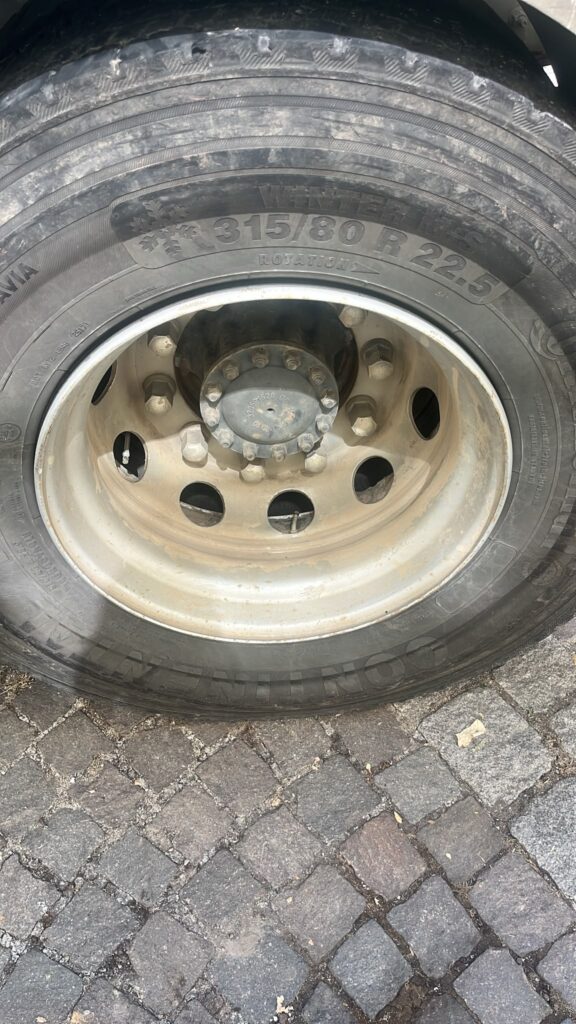
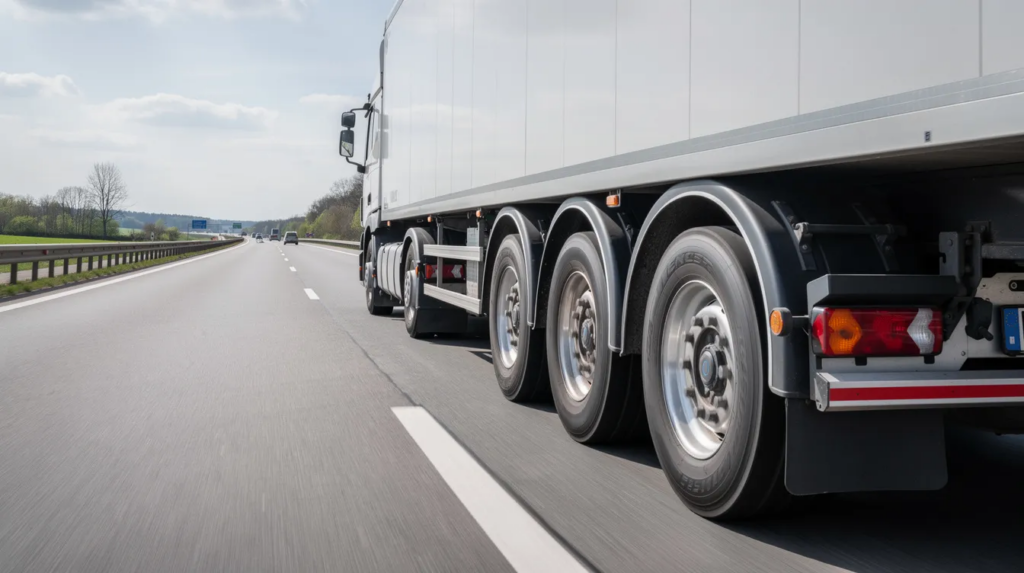
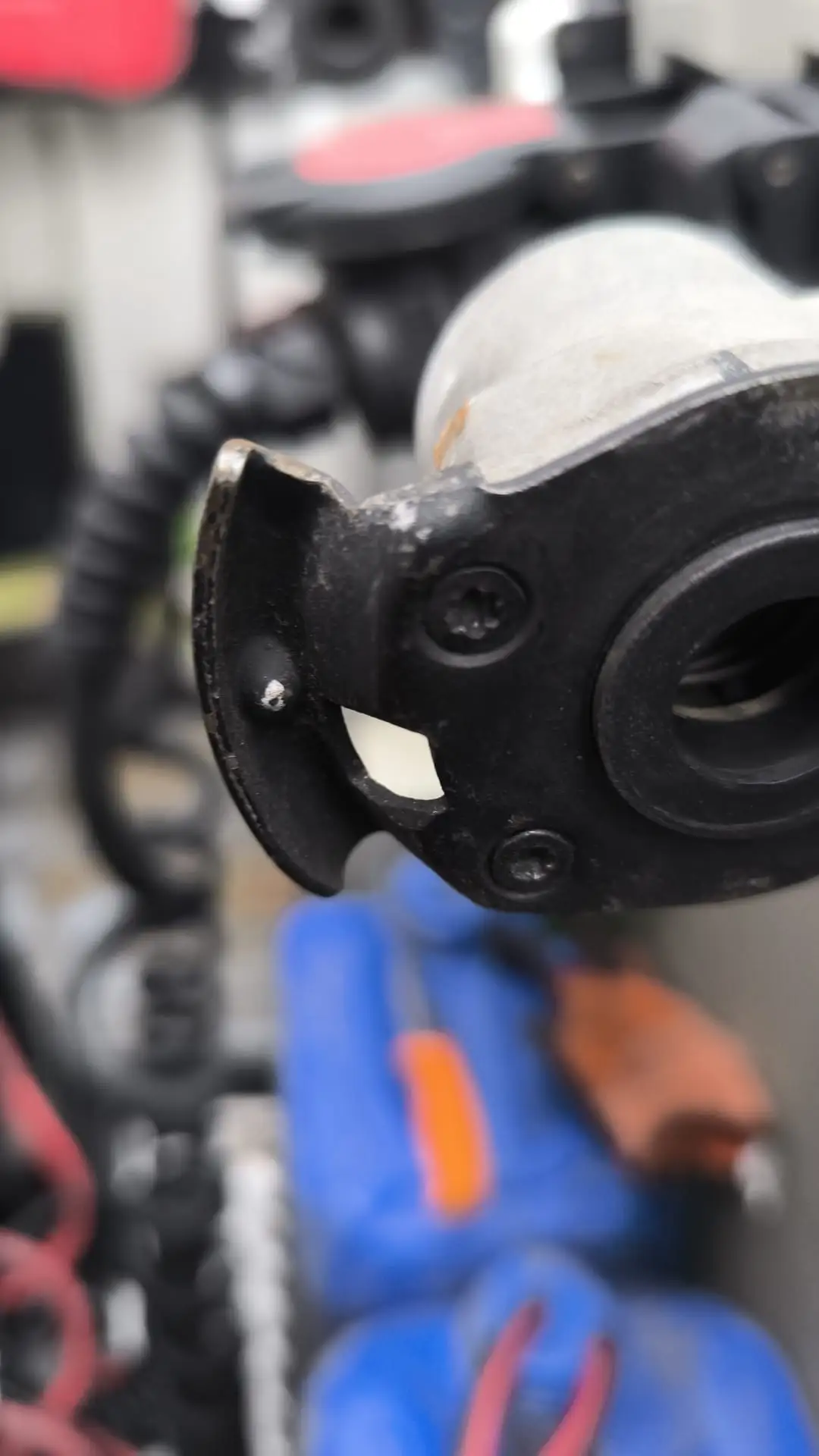
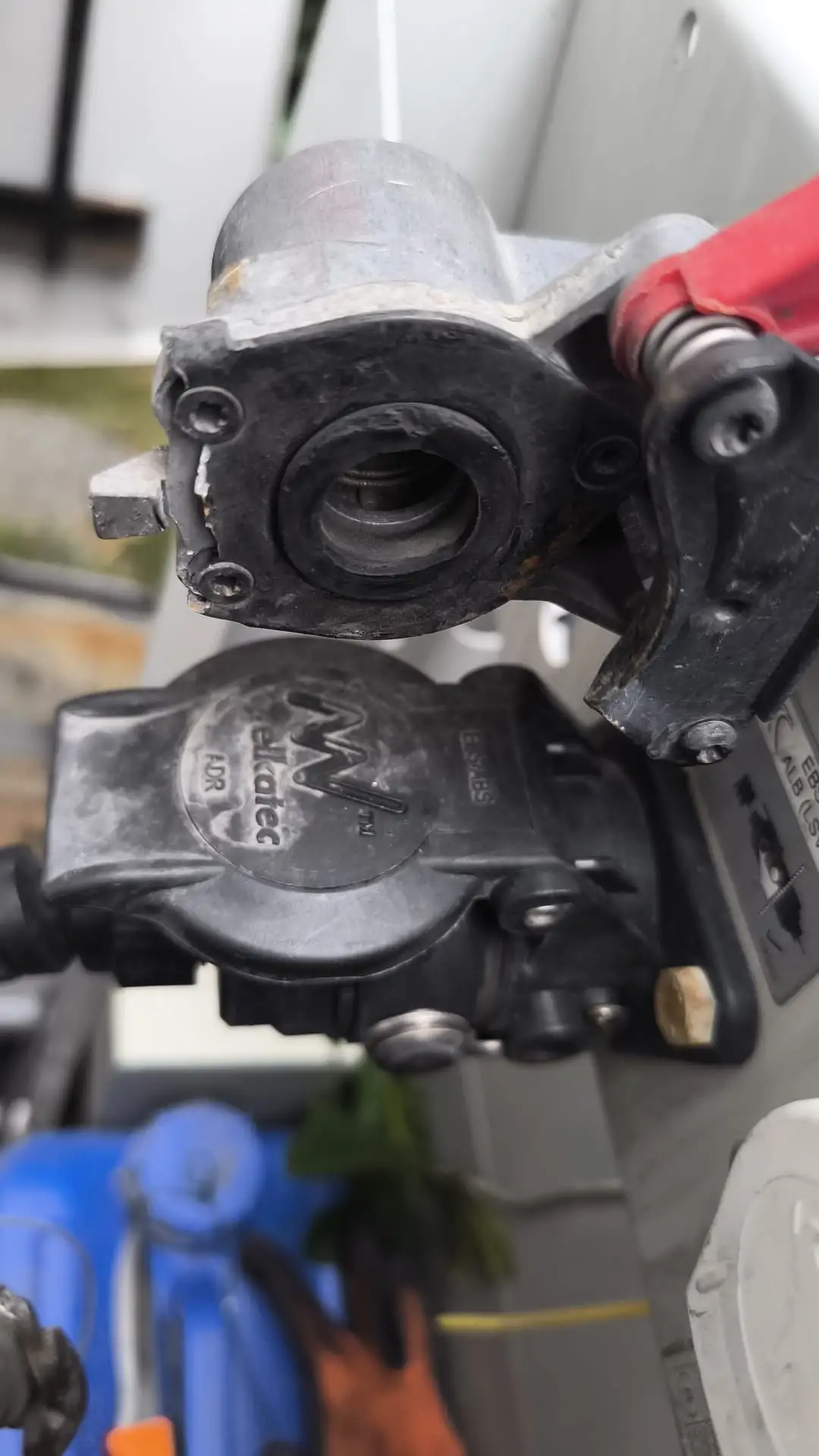
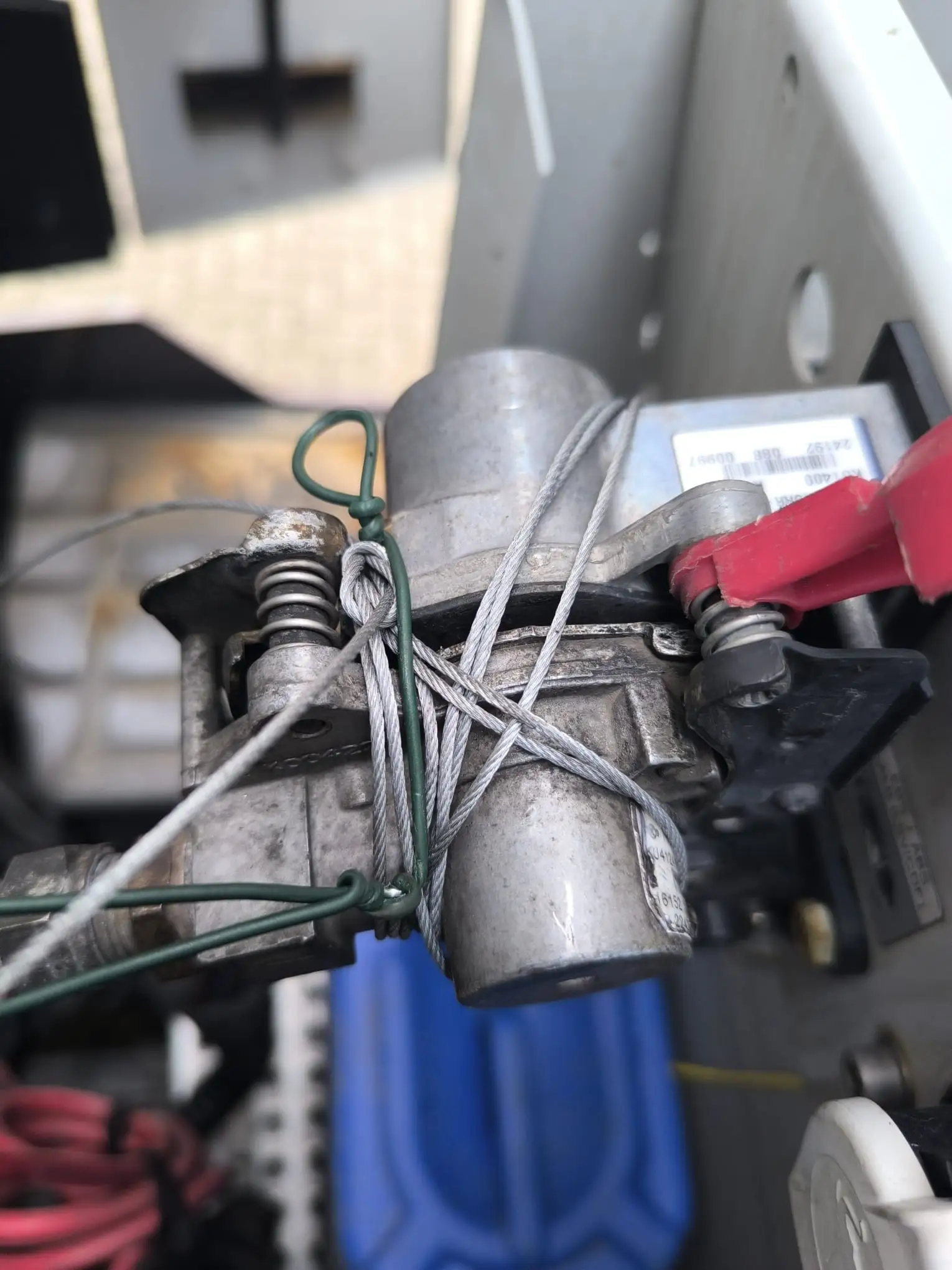
Burst charge air hose on an articulated truck on the A7 near Kassel – towed to the workshop by LKWHelp24.
n
The Emergency
n
The driver had been running a fairly typical long-distance route when he noticed the engine losing power. Within a few kilometres, the dashboard confirmed what the change in performance had already suggested: the engine management system had put the tractor unit into notlauf, or limp-home mode, cutting power and torque to protect the drivetrain. Black smoke, sluggish acceleration and an audible change in engine note are the classic signs of a charge air leak, and this case ticked every box.
n
He pulled the articulated lorry onto the hard shoulder of the A7, one of Germany’s busiest north-south motorway corridors, in the direction of Hannover, just past Kassel. It is not a comfortable place to stop a 40-tonne combination. Traffic on the A7 through this stretch runs at speed around the clock, and a stationary vehicle on the shoulder is exposed to passing HGVs, weather, and limited sightlines on some sections. The driver did what every professional should do in this situation: he switched on hazard lights, positioned a warning triangle, put on his hi-vis vest, and got well clear of the carriageway before calling for help.
n
He rang LKWHelp24’s 24/7 emergency line at 15:05. Within minutes, the call handler had established the essentials: vehicle type, exact location via kilometre marker, the symptoms the driver was describing, and confirmation that nobody was hurt. That last point always comes first. Everything else, including the technical diagnosis, follows once safety is confirmed.
n
How Help Was Organised
n
LKWHelp24 does not run its own fleet of recovery trucks in every corner of Germany. Instead, the business operates a nationwide network of vetted recovery and workshop partners, which means a call from the A7 near Kassel gets matched to a partner who is actually close by, rather than one dispatched from hundreds of kilometres away. That structure is what turns a roadside emergency into a manageable, time-bound job rather than an open-ended wait.
n
The dispatch sequence went as follows:
n
● Call received at 15:05, location and vehicle details logged immediately
n● Nearest available recovery and towing partner in the Kassel area identified and contacted
n● Partner confirmed acceptance and provided an estimated time of arrival at 15:18, thirteen minutes after the initial call
n● Driver kept informed of the ETA so he knew exactly how long he would be waiting on the hard shoulder
n● Recovery vehicle dispatched directly to the kilometre marker supplied by the driver
n● Partner arrived on site at 16:00, roughly 55 minutes after the original call
n
That speed matters. Every extra minute a heavy vehicle sits on a motorway shoulder is an extra minute of exposure, both to the elements and to other traffic. LKWHelp24’s model is built around minimising that window as far as physically possible, given the distances involved on Germany’s motorway network.
n
n
The Situation On-Site
n
When the recovery technician arrived, his first task was not the mechanical diagnosis at all. It was scene safety. A stationary 40-tonne combination on the hard shoulder of the A7 is a hazard in its own right, and the technician set up additional warning signage further back from the vehicle to give approaching traffic more reaction time, checked the driver’s own triangle and hazard lights were correctly positioned, and confirmed the vehicle was as far onto the shoulder as the road geometry allowed.
n
Only once the site was properly secured did the diagnostic work begin. The technician traced the symptoms the driver had described, power loss, limp-home mode, visible smoke, back to their source: a torn charge air hose in the turbocharger’s boost delivery line. This component carries pressurised, heated air from the turbo to the intercooler and on to the intake manifold, often at pressures in the region of 1.5 to 2.5 bar depending on load and engine mapping. A tear in that line means boost pressure bleeds away before it ever reaches the cylinders, which is precisely why the engine management system pulled the unit into a protective, reduced-power state.
n
This is a job that cannot be finished at the roadside. Unlike a tyre change, which a properly equipped mobile technician can complete on the shoulder, a charge air hose replacement on a modern Euro VI tractor unit typically requires access to the correct part number, proper working space, and often diagnostic equipment to reset fault codes and confirm the repair afterwards. Attempting to bodge a temporary fix at the roadside, wrapping the tear in tape or a hose clamp, might get the vehicle moving again, but it very rarely holds under load, and it does nothing to address whatever caused the tear in the first place. The technician’s assessment was clear and correct: this vehicle needed to be towed to a workshop, not patched up on the hard shoulder.
n
The good news, confirmed during the on-site check, was that the fault had been caught early enough that there was no secondary damage to the drivetrain. The turbocharger itself, the intercooler, and the engine internals had not been compromised. That is the direct benefit of a driver who reacts to warning signs immediately rather than trying to nurse the vehicle onward to the next depot or fuel stop.
n
Step-by-Step: From Diagnosis to Workshop
n
Step 1 — Scene security and initial assessment (16:00–16:10).
nThe technician confirmed the vehicle position, extended the warning zone, and carried out a visual and diagnostic check of the engine bay to identify the fault.
n
Step 2 — Confirming the diagnosis (16:10–16:20).
nThe torn charge air hose was identified as the root cause of the power loss and limp-home mode. The technician ruled out other possible causes, checking connections and clamps along the boost line, before confirming that towing was the only realistic option.
n
Step 3 — Preparing the vehicle for transport (16:20–16:35).
nWith the diagnosis confirmed, the tractor unit and trailer were prepared for towing: the driveline was checked and secured appropriately for the tow, loose or damaged components were made safe, and the vehicle was readied to be taken up onto the recovery equipment.
n
Step 4 — Loading and securing (16:35–16:55).
nThe Sattelzug, tractor and trailer together, was carefully taken up and secured on the recovery vehicle. Given the combination’s weight, around 40 tonnes fully laden, this stage demanded precise handling to avoid placing uneven strain on the chassis or the recovery equipment itself.
n
Step 5 — Transport and handover (16:55–17:35).
nThe combination was transported to a partner workshop where a full repair, including replacement of the charge air hose and a post-repair diagnostic check, could be carried out properly. The vehicle was handed over to the workshop at 17:35, with the driver briefed on next steps.
n
At every stage, the driver was kept informed. Knowing what is happening and roughly how long each phase will take makes an already stressful situation considerably easier to manage, particularly when a driver is also thinking about delivery deadlines and drivers’ hours.
n
n
Full Timeline
n
| Time | Phase | Action |
|---|---|---|
| 15:05 | Call received | Driver reports power loss and limp-home mode on the A7 near Kassel |
| 15:18 | Partner dispatched | Recovery partner confirmed and ETA provided, 13 minutes after the call |
| 16:00 | On site | Recovery technician arrives at the vehicle location |
| 16:10 | Secured, diagnosis | Scene secured, torn charge air hose identified as the fault |
| 16:35 | Prepared for towing | Vehicle made ready for loading onto the recovery unit |
| 16:55 | Loaded, transport begins | Sattelzug secured and en route to partner workshop |
| 17:35 | Handover | Vehicle delivered to workshop for full repair |
n
Total elapsed time: approximately 2 hours 30 minutes from the initial call to workshop handover, with roughly 50 minutes spent on site.
n
Cost of the Recovery
n
| Item | Price (EUR) |
|---|---|
| Call-out for 24/7 recovery/towing service | 180 |
| Towing of articulated lorry (Sattelzug) | 720 |
| Securing and preparation work | 160 |
| TOTAL | 1,060 EUR |
n
The final figure is naturally affected by a number of variables: the distance between the breakdown location and the nearest suitable workshop, the total weight of the combination, and how long the vehicle needed to remain on site before it could be loaded. A shorter tow distance or a lighter single vehicle rather than a full Sattelzug would typically bring the cost down; longer distances, difficult access, or extended standing time push it up.
n
Set against the alternative, an engine or turbocharger failure caused by continuing to drive on a compromised boost system, this figure looks modest. Turbocharger replacement alone on a modern Euro VI engine frequently runs into several thousand euros before labour is even counted, before factoring in the lost days the vehicle would spend off the road and the knock-on disruption to delivery schedules. A 1,060 euro recovery bill, paid once and resolved within two and a half hours, is the far cheaper outcome by a wide margin.
n
n
Why a Professional Recovery Service Is Essential
n
Some drivers, faced with limp-home mode and a long way still to travel, are tempted to try to reach the next depot or a familiar garage under their own power. It is understandable, but it is also one of the more expensive mistakes a driver or fleet can make. The risks include:
n
-
n
- Turbocharger damage. Continuing to run an engine with inadequate boost pressure, or with air leaking from a compromised hose, can starve the turbo of the pressure balance it needs and shorten its working life dramatically, sometimes ending it outright.
- Contamination and internal wear. A torn charge air line can allow debris or moisture into the intake system, which then travels straight into the cylinders.
- Roadside danger from an unplanned stop. A vehicle that fails completely a few kilometres further on may not have a hard shoulder available to stop on safely, particularly on stretches of motorway with tunnels, bridges or restricted verges.
- Voided warranty or insurance complications. Continuing to operate a vehicle with a known, unaddressed fault after a warning has been triggered can create problems with manufacturer warranty claims or insurance cover if further damage results.
- No qualified diagnosis of the actual cause. A hose does not tear for no reason. Age, chafing against another component, or a manufacturing defect are all possibilities, and only a proper workshop inspection identifies which one applies, meaning the repair holds and the same failure does not recur within a few weeks.
n
n
n
n
n
n
A professional recovery and towing partner takes that decision out of the driver’s hands in the right way: get the vehicle to somewhere it can be properly assessed and repaired, rather than gambling on it holding together for another hundred kilometres.
n
Typical Breakdown Situations We Handle Across Germany
n
LKWHelp24’s partner network covers the full range of heavy goods vehicle breakdowns nationwide, including:
n
-
n
- Charge air and coolant hose failures leading to limp-home mode or overheating
- Tyre blowouts and punctures on tractor units, trailers and buses
- Diesel system faults, including fuel delivery and air-in-fuel-line issues
- Battery failure and starting problems, particularly in cold weather
- Heavy recovery of articulated lorries, car transporters and combinations from motorway shoulders, verges, and soft or waterlogged ground
- Mechanical faults requiring towing to a workshop rather than roadside repair
- Trailer coupling and braking system issues
n
n
n
n
n
n
n
n
Whatever the cause, the same principle applies every time: secure the scene, diagnose accurately, and choose the fastest safe route back to a working vehicle, whether that is a roadside repair or a tow to a partner workshop.
n
n
Prevention Tips for Drivers and Fleet Managers
n
Charge air hose failures are rarely sudden in the strict sense. They tend to develop over time, and there are practical steps that reduce the likelihood of one catching a driver out mid-route:
n
-
n
- Include hoses and clamps in routine inspections. Charge air and coolant hoses should be visually checked for cracking, chafing or bulging as part of regular service intervals, not just when a fault code appears.
- Watch for early warning signs. A slight loss of power, a change in engine note, or a faint whistling sound under acceleration can all indicate a developing boost leak long before it fails completely.
- Don’t ignore dashboard warnings. Modern engine management systems are generally accurate. If the system pulls the vehicle into limp-home mode, treat that as a genuine instruction to stop, not an inconvenience to work around.
- Keep service history and part replacement intervals on record. Hoses have a working life, and fleets running older vehicles or high annual mileages benefit from proactive replacement rather than waiting for failure.
- Carry emergency contact details. Having LKWHelp24’s number saved and easily accessible means a driver loses no time locating help when something does go wrong.
n
n
n
n
n
n
Fleet Maintenance and Component Quality
n
For fleet operators, a case like this is a useful prompt to review maintenance schedules more broadly. Charge air hoses, like tyres, are wear components, and the quality of the replacement part matters as much as the timing of the replacement itself. Reputable manufacturers such as ContiTech, which supplies charge air and coolant hoses to a large share of the European commercial vehicle market, design their components specifically for the heat cycling, pressure and vibration that heavy vehicle engine bays subject them to. Fitting a genuine or equivalent-quality part during a repair, rather than the cheapest available option, reduces the likelihood of a repeat failure within a short interval.
n
The same logic that applies to tyres, where brands such as Michelin, Continental and Goodyear are chosen for a mix of durability, fuel efficiency and safety margin, applies equally to the less visible components under the bonnet. A fleet that standardises on quality parts and keeps disciplined inspection intervals will, on average, see fewer unplanned roadside incidents of this kind over the life of a vehicle.
n
n
LKWHelp24: Your Truck Emergency Partner
n
This case is a fairly representative example of what LKWHelp24 does every day, all across Germany:
n
-
n
- 24/7 availability, every day of the year. A call at 15:05 on any given afternoon gets the same response as one at three in the morning.
- A nationwide network of vetted recovery and workshop partners, meaning help is dispatched from nearby rather than from a central depot hundreds of kilometres away.
- Transparent pricing, with itemised costs agreed before work proceeds, not an unpleasant surprise on the invoice afterwards.
- Multilingual support, recognising that international drivers on German motorways need to be able to explain a problem clearly and understand the response.
- Correct handling of heavy recovery, including full Sattelzug combinations, with equipment and technicians experienced in loading and securing vehicles at this weight without causing further damage.
- A single point of contact from first call to workshop handover, so drivers and fleet managers are not left coordinating between multiple parties during an already stressful breakdown.
n
n
n
n
n
n
n
Summary
n
-
n
- Vehicle: Articulated lorry (Sattelzug), long-haul configuration, approximately 40 tonnes
- Fault: Torn charge air hose, engine in limp-home mode
- Location: A7 near Kassel, hard shoulder, direction Hannover
- Response time: Partner confirmed and ETA provided within 13 minutes of the call
- Time to arrival on site: 55 minutes from initial call
- Total time, call to workshop handover: approximately 2 hours 30 minutes
- Total cost: 1,060 EUR
- Secondary damage: None, the drivetrain was unaffected thanks to a timely stop
n
n
n
n
n
n
n
n
n
n
Request Emergency Assistance Now
n
If you are dealing with a breakdown on a German motorway right now, or want a reliable partner on file before you need one, LKWHelp24 is available around the clock.
n
Call +49 160 5753826 or visit lkwhelp24.com
nAvailable 24/7 across all of Germany.
n
n
You might also be interested in
n
-
n
- Heavy Recovery on the A8 near Stuttgart: Scania and Car Transporter
- Truck Recovery from Mud: Actros Stuck on Waterlogged Ground
- Emergency Diesel Delivery: MAN Fuel System Bleeding on the Motorway
- Engine Breakdown on the A5 near Frankfurt: Coolant Hose Failure
n
n
n
n
n
n
Sources: ADAC Truck Breakdown Assistance, ContiTech — Charge Air and Coolant Hoses