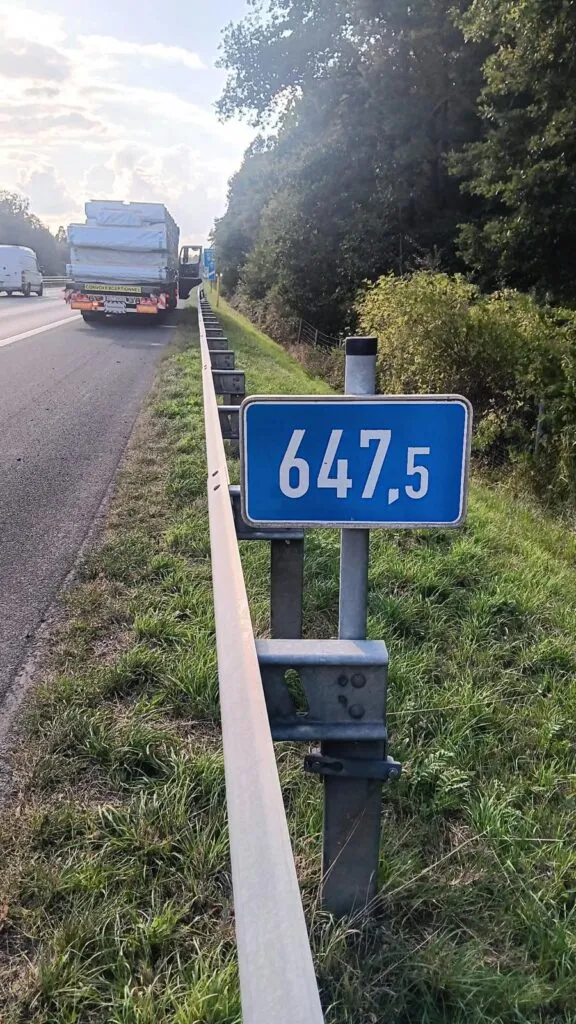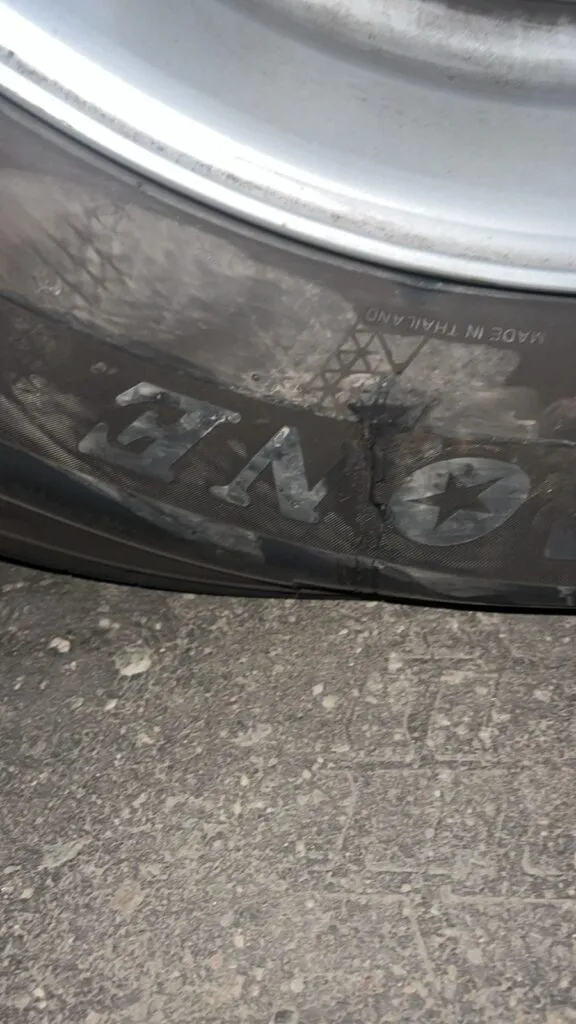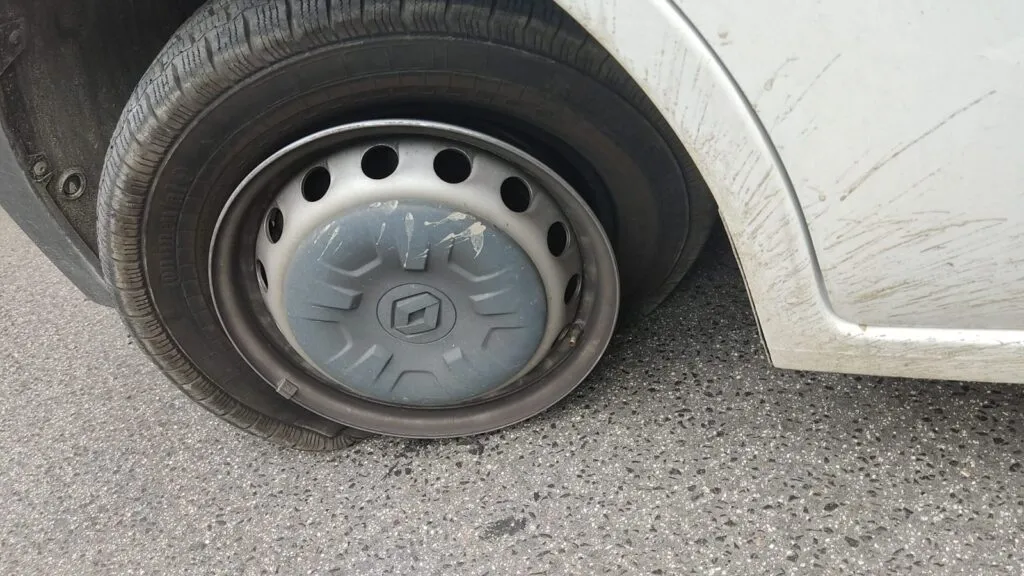
When a trailer’s ABS warning light flickers and its brake lights fail during a journey, it’s not just an inconvenience, it’s a safety hazard that can escalate quickly. On the early morning of 14 August 2026, a semi-trailer stalled on the A8 near Ulm, direction Munich, after a critical electrical fault caused the power and ABS systems to fail. The driver had no choice but to pull over to a rest area, a necessary but risky move on a major German motorway. With rain still dampening the asphalt and visibility low, the situation demanded immediate, expert intervention. This is the story of how our mobile truck service team responded within 50 minutes of dispatch, diagnosed the root cause, a severed cable and corroded connectors at the Duo-Matic coupling panel, and completed a full repair in just 70 minutes on site. The result? The trailer was back on the road with full functionality, including working brake lights, ABS, and lighting circuits, all under the strict time and safety constraints of a high-traffic highway.
What makes this case particularly instructive is the complexity of modern trailer electrical systems. Today’s trailers rely on intricate networks of 7-pin connectors, 24V power circuits, and ABS/EBS data lines that must function flawlessly. A single broken wire or corroded plug can trigger a cascade of failures. In this instance, the issue wasn’t a blown fuse or a faulty sensor, it was a mechanical failure in the cable routing, where repeated stress and moisture exposure had led to a complete break. Without proper diagnostics and repair, the trailer would have been immobilised for hours, potentially leading to costly delays, fines, or even a breakdown on the hard shoulder. Our response was swift, precise, and fully compliant with German road safety regulations, proving that professional roadside assistance isn’t just about fixing problems, it’s about preventing them from worsening.
This article details every step of the process: from the first call at 05:55 to the final test run at 08:10. You’ll see how we identified the exact fault, selected the right replacement parts, and executed a repair that met industry standards. We’ll also explain why DIY fixes are dangerous, what to do if your trailer fails on the road, and how proactive maintenance can save time and money. Whether you’re a fleet manager, a long-haul driver, or a transport company owner, this real-world case offers valuable lessons in reliability, safety, and efficient roadside support.
What Happened: A Critical Electrical Failure on the A8
At 05:55 on 14 August 2026, a truck driver made a call to our 24/7 emergency hotline from a rest area on the A8 near Ulm. His report was clear: the ABS warning light on his trailer’s dashboard was continuously illuminated, and none of the trailer’s lights, including brake lights, turn signals, or side markers, were responding. He had already checked the fuse box in the cab, confirmed the main power switch was on, and verified that the tachograph and instrument cluster were functioning normally. The problem was isolated to the trailer’s electrical system.
The driver described the conditions: it was early morning, around 6:00, with a heavy overcast sky and a recent rain shower. The asphalt was still damp, and visibility was reduced. He had just entered the rest area when the warning lights activated, so he pulled over safely to the hard shoulder, turned on the hazard lights, and placed a warning triangle 100 metres behind the vehicle. He was aware of the risks: according to §15 StVO, any vehicle stopped on a motorway must be secured with proper safety measures. He had done so, but he knew that without professional help, he couldn’t proceed.
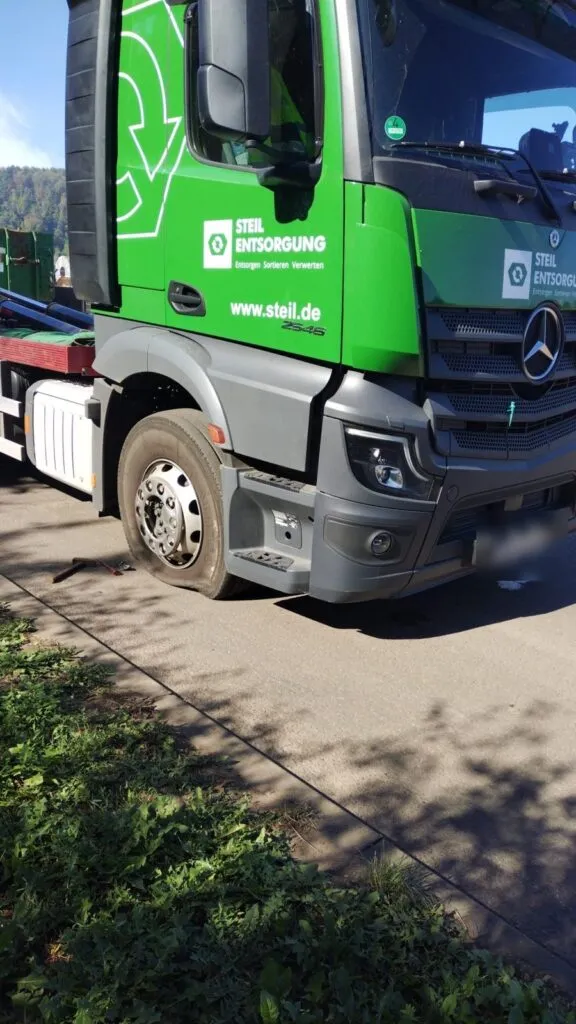
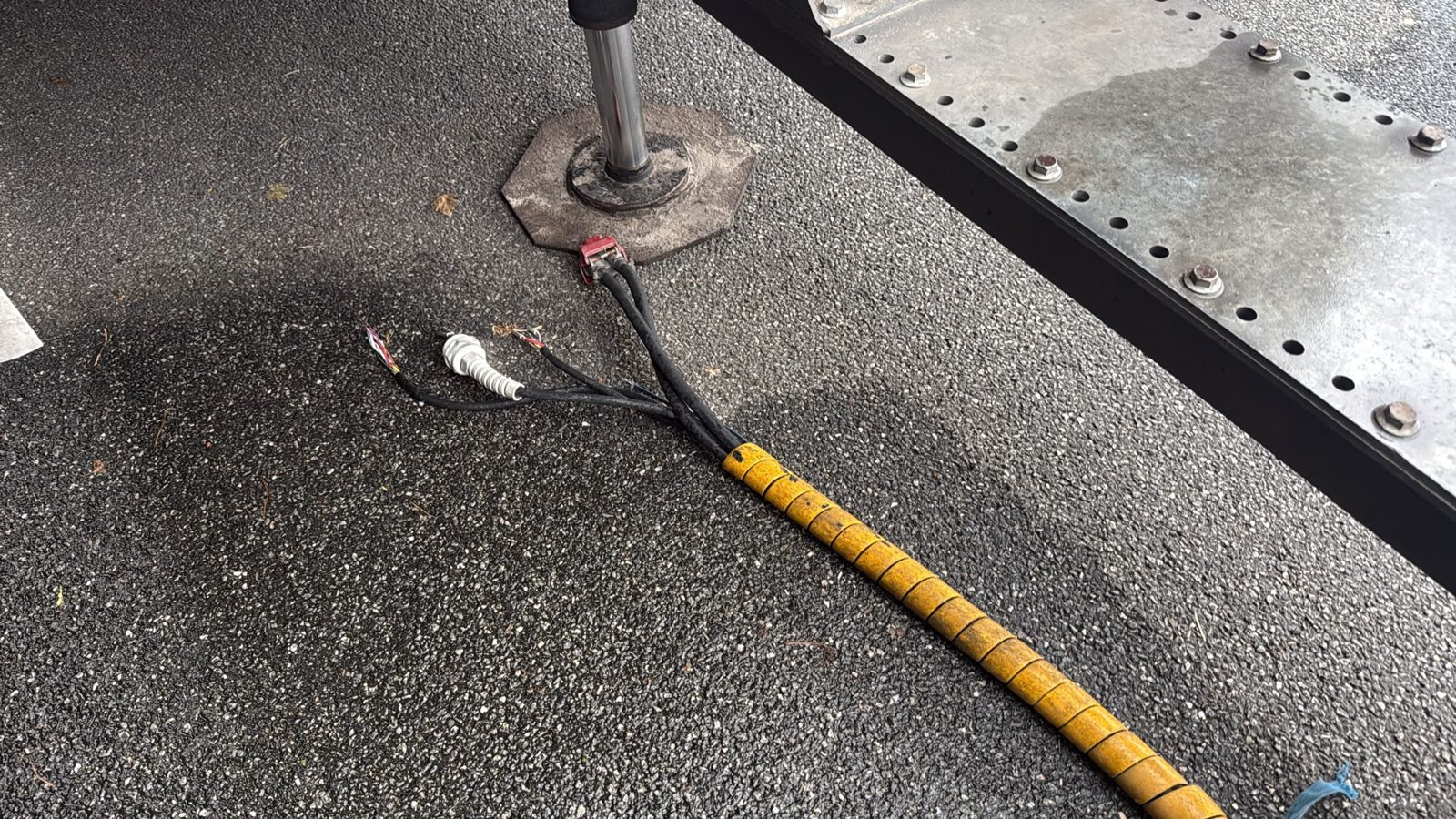
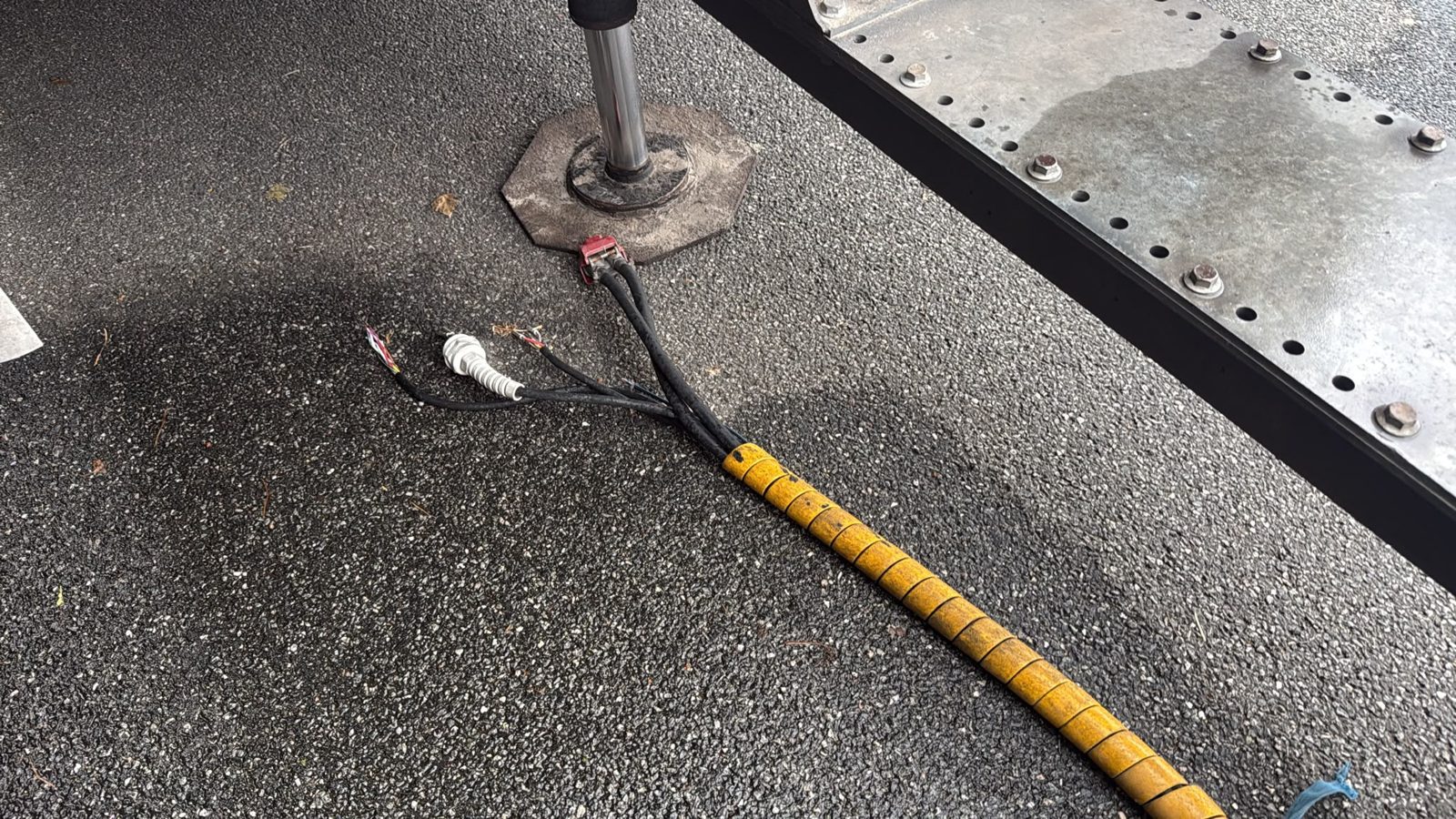
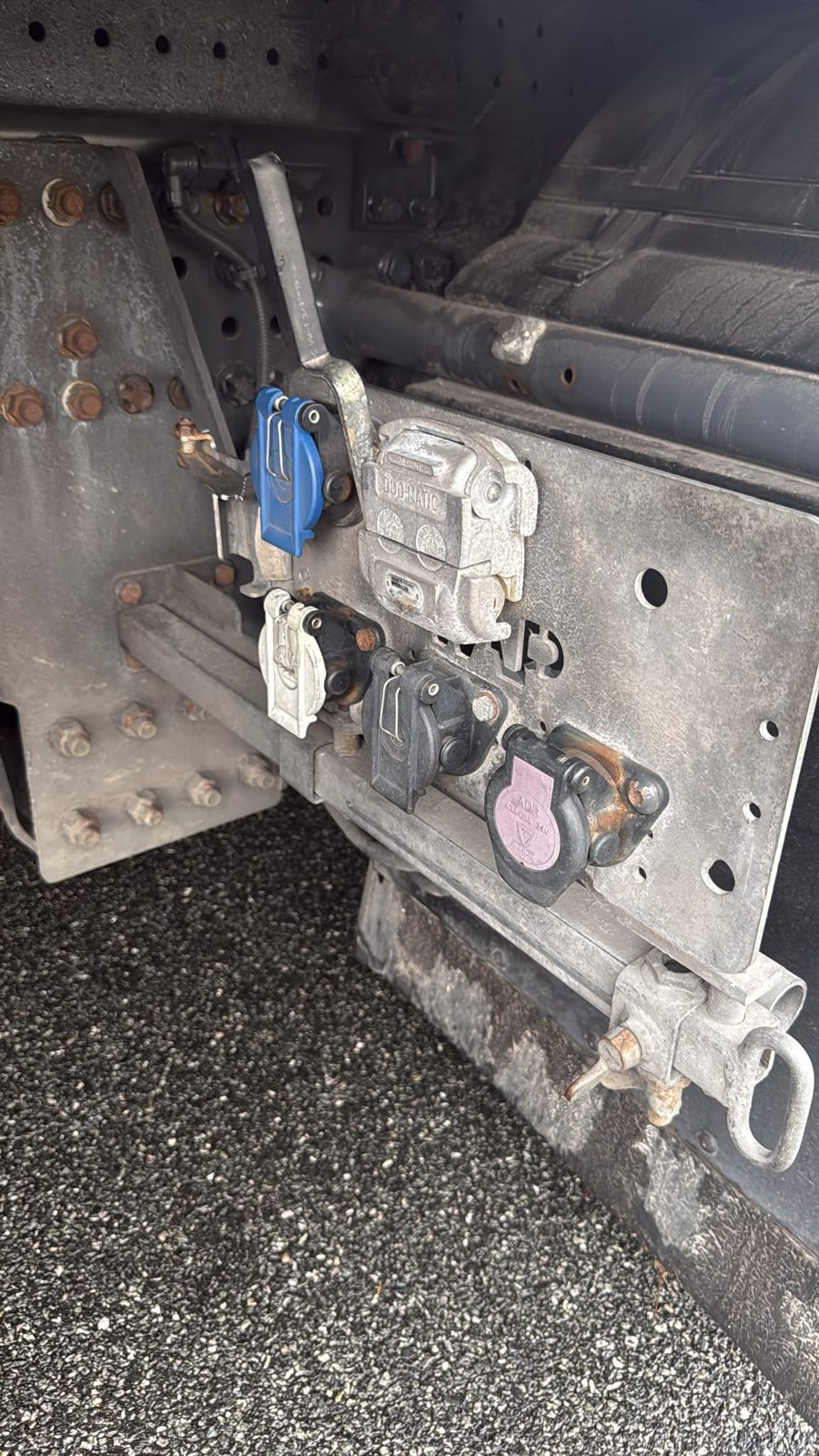
The core issue was a complete electrical break in the trailer’s main cable harness. The vehicle was a standard semi-trailer with a Duo-Matic pneumatic coupling (a WABCO product now under ZF), which connects the trailer’s braking and electrical systems to the tractor unit. The failure occurred at the connector panel on the trailer’s frame, specifically at the 7-pin junction for ABS/EBS and 24V power. The cable had snapped, and the internal conductors were exposed. The driver had attempted to inspect the area but couldn’t access the wiring due to the complex routing under the trailer frame.
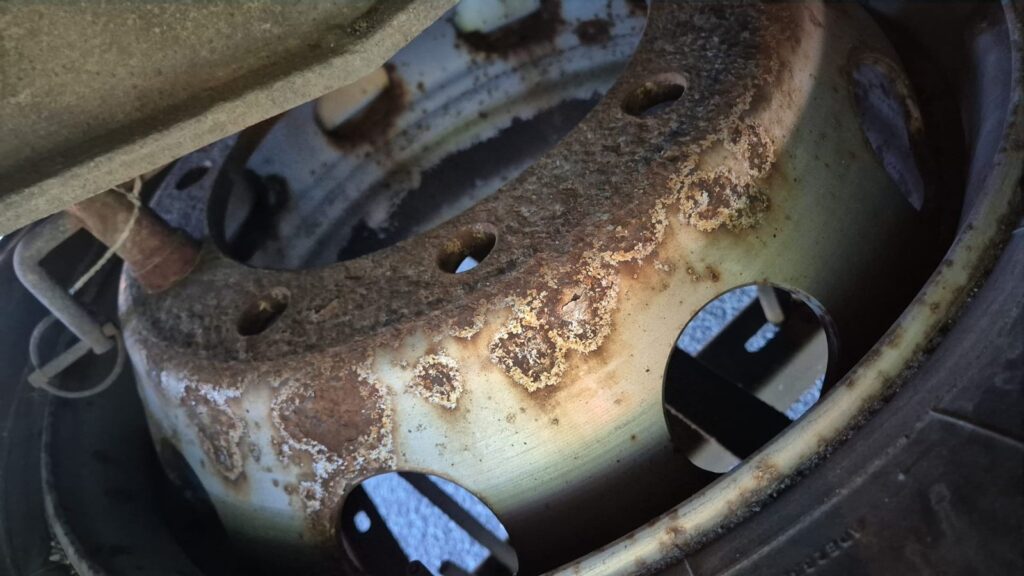
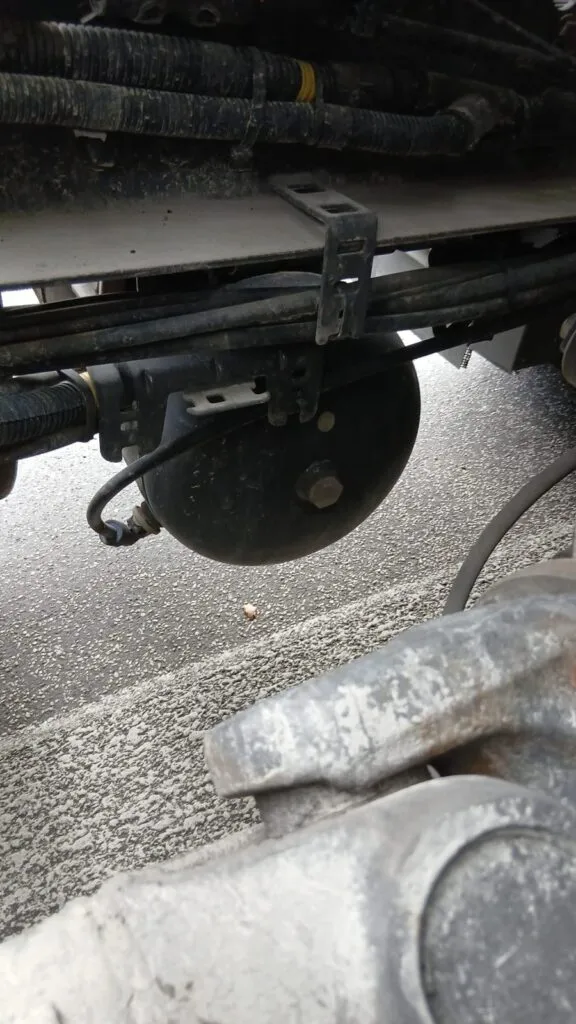
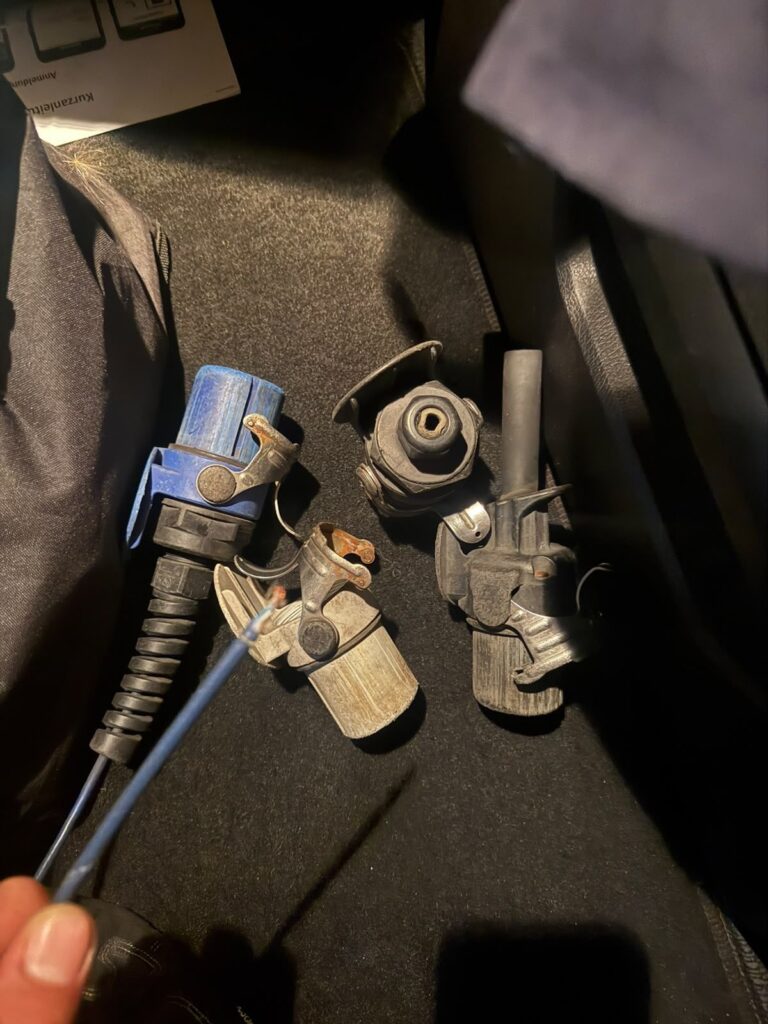
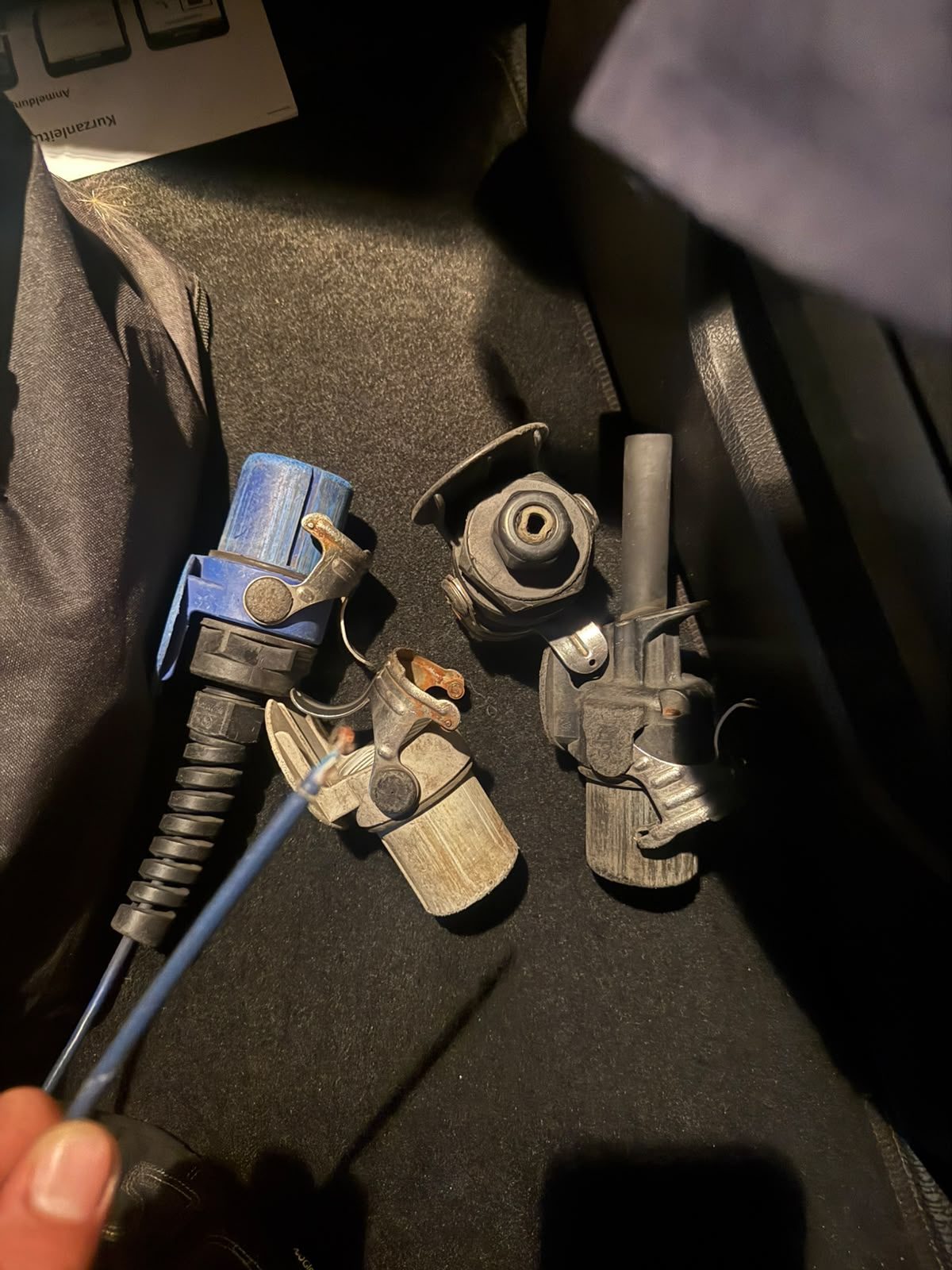
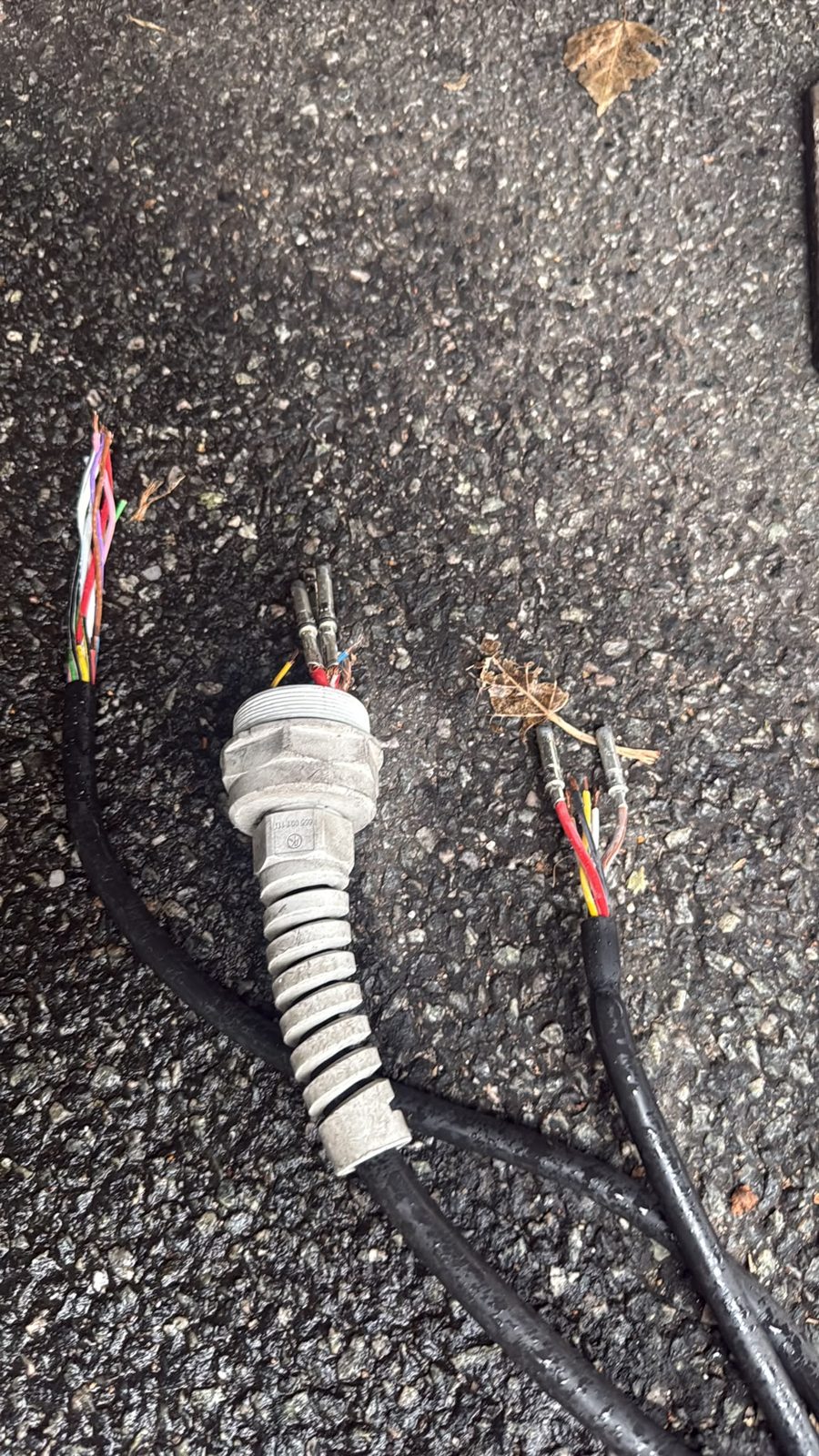
This type of failure is not uncommon on long-haul routes. Trailers are subjected to constant vibration, temperature shifts, and moisture exposure. Over time, this leads to metal fatigue in connectors, insulation degradation, and corrosion, especially in areas near the coupling point where water can pool. In this case, the combination of wet weather and repeated movement had caused the cable to fray and eventually break at a stress point near the frame bracket. The damage was visible in the photos: severed cable ends with exposed wires, damaged strain relief fittings, and rust on the mounting brackets.
Without immediate repair, the trailer could not be legally driven. According to §36 StVZO, all trailers must have functional brake lights, side lights, and stop lights. A defective electrical system means the trailer cannot be operated on public roads, not even to reach a workshop. The driver was stuck until help arrived. This is exactly why mobile truck service providers like LKWHelp24 exist: to prevent small issues from becoming major breakdowns.
How We Responded: From Call to Dispatch in 10 Minutes
The moment the call came in, our dispatch team sprang into action. The first 10 minutes are critical in any roadside emergency. Our system automatically logs the call, captures the location via GPS, and pulls up the nearest available mobile repair team from our nationwide network of partners. In this case, the location was pinpointed as the Ulm rest area on the A8, direction Munich.
Our dispatcher confirmed the nature of the fault: ABS warning light on, trailer lights not working. The driver had provided the vehicle’s general description, a semi-trailer with a Duo-Matic coupling, which allowed us to cross-reference the correct electrical configuration. The system flagged the need for a technician equipped with 7-pin ABS/EBS (24N/ISO 7638) connectors, 24V power connectors, and a full cable repair kit.
Within five minutes of the call, we had identified the closest available team: a mobile workshop unit based in Augsburg, approximately 75 km away. The team was already on standby for the morning shift and had just completed a previous job in Nördlingen. They were dispatched immediately with a full kit including:
- Two 7-pin ABS/EBS connectors (24N/ISO 7638)
- Three 7-pin 24V power connectors (for lighting and auxiliary systems)
- 10 metres of 7-core shielded cable (300V, 24V, 0.75 mm² cross-section)
- Crimping tools and contact sleeves (red, yellow, white, green, violet, black)
- Silicone sealant and waterproof tape
- Spiral protection conduit (16 mm diameter)
- Cable ties (plastic and metal)
- Diagnostic multimeter and continuity tester
The technician was informed of the exact fault and advised to bring a spare Duo-Matic coupling seal kit, just in case. The entire dispatch process, from call to confirmation, took just 10 minutes (06:05). This speed is only possible thanks to our real-time partner network and automated dispatch system, which ensures no delays in critical situations.
We also provided the driver with a short checklist: keep hazard lights on, ensure the warning triangle is visible, stay inside the cab if possible, and avoid touching any exposed wires. Our team stressed that while the trailer was not dangerous in its current state (no live voltage), tampering with the wiring could worsen the damage or create a shock risk.
Arrival on Scene: Assessing the Damage at 07:00
At 07:00, the mobile repair team arrived at the rest area on the A8 near Ulm, exactly 50 minutes after dispatch, and 65 minutes after the initial call. The weather remained overcast, and the ground was still wet from the earlier rain. The trailer was parked on the hard shoulder, with the hazard lights flashing and the warning triangle placed 100 metres behind the vehicle. The technician approached cautiously, wearing high-visibility clothing and a safety helmet.
The first step was safety: securing the site. The team deployed a second warning triangle on the nearside of the trailer and set up a temporary work zone using cones. They also checked the trailer’s stability, the support leg was fully extended, and the vehicle was level. No further movement was expected.
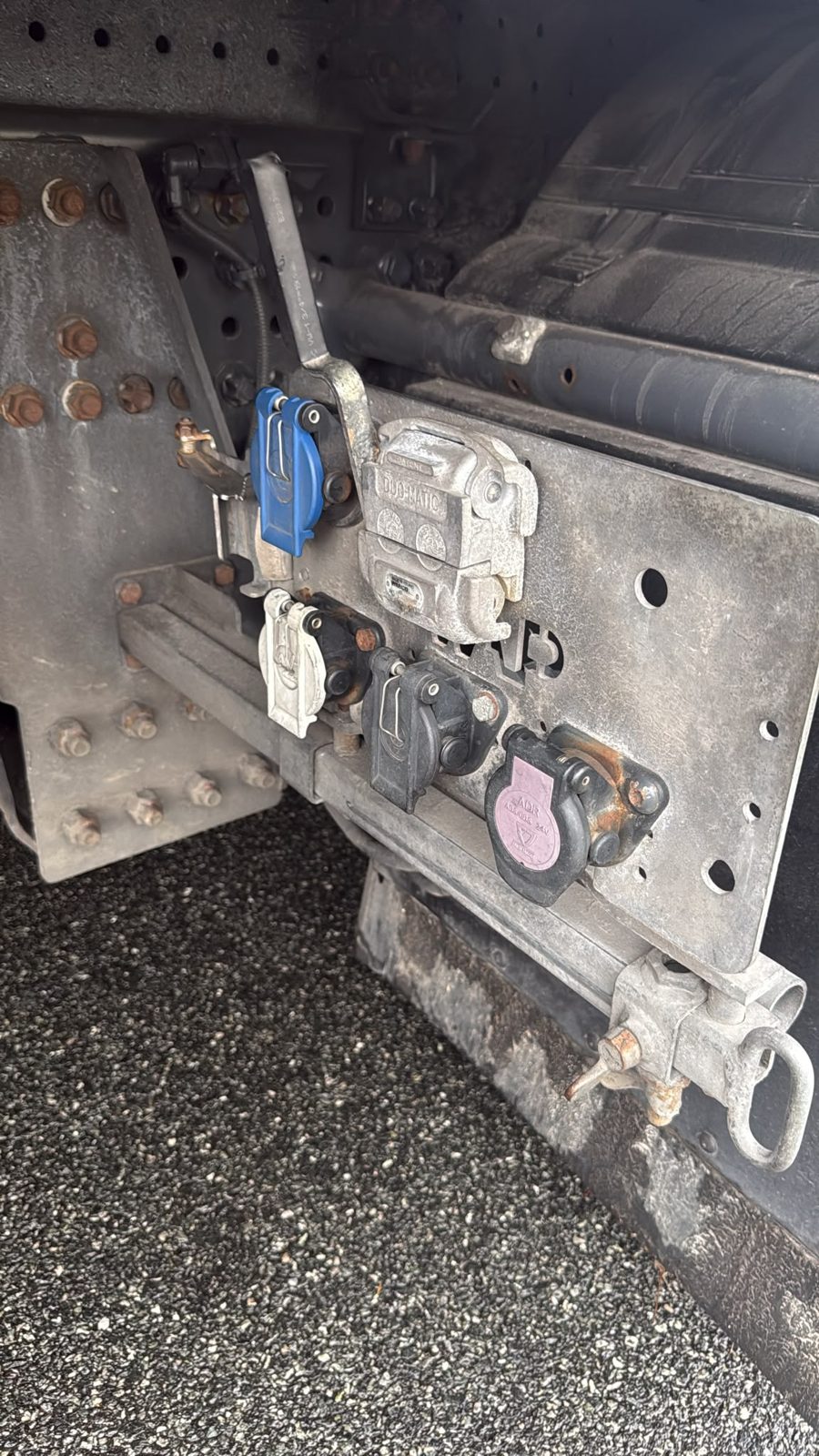
Next, the technician began a visual inspection. He located the electrical panel on the trailer’s frame, just behind the Duo-Matic coupling. The panel was made of aluminium, with a blue cover for the ABS/EBS connector and a white and black cover for the 24V power lines. The purple cover on the ADR 24V socket was intact, but the surrounding area showed signs of moisture damage. The technician opened the panel and found the source of the failure: the main cable had snapped at the point where it exited the frame, just before the connector housing.
The exposed cable ends were frayed and discoloured. The inner conductors, red, yellow, white, green, and violet, were visible, with some showing oxidation. The strain relief fittings (PG seals) were cracked, and the metal brackets showed rust. The technician confirmed that the break was mechanical, not electrical, no short circuit, no blown fuse. The fault was purely physical.
He then used a multimeter to test continuity between the trailer’s socket and the tractor unit’s plug. The results confirmed the failure: no signal flow in the ABS line (pin 4), no power in the brake light circuit (pin 2), and no ground connection (pin 7). The diagnostic test took 15 minutes (07:15), and the conclusion was clear: the entire cable run from the frame to the plug had failed. The only viable solution was full replacement of the damaged section.
Diagnosing the Root Cause: Corrosion and Mechanical Stress
The repair could not begin without understanding why the cable failed. Our technician performed a detailed analysis of the damage site. The root cause was a combination of two factors: mechanical fatigue and electrochemical corrosion.
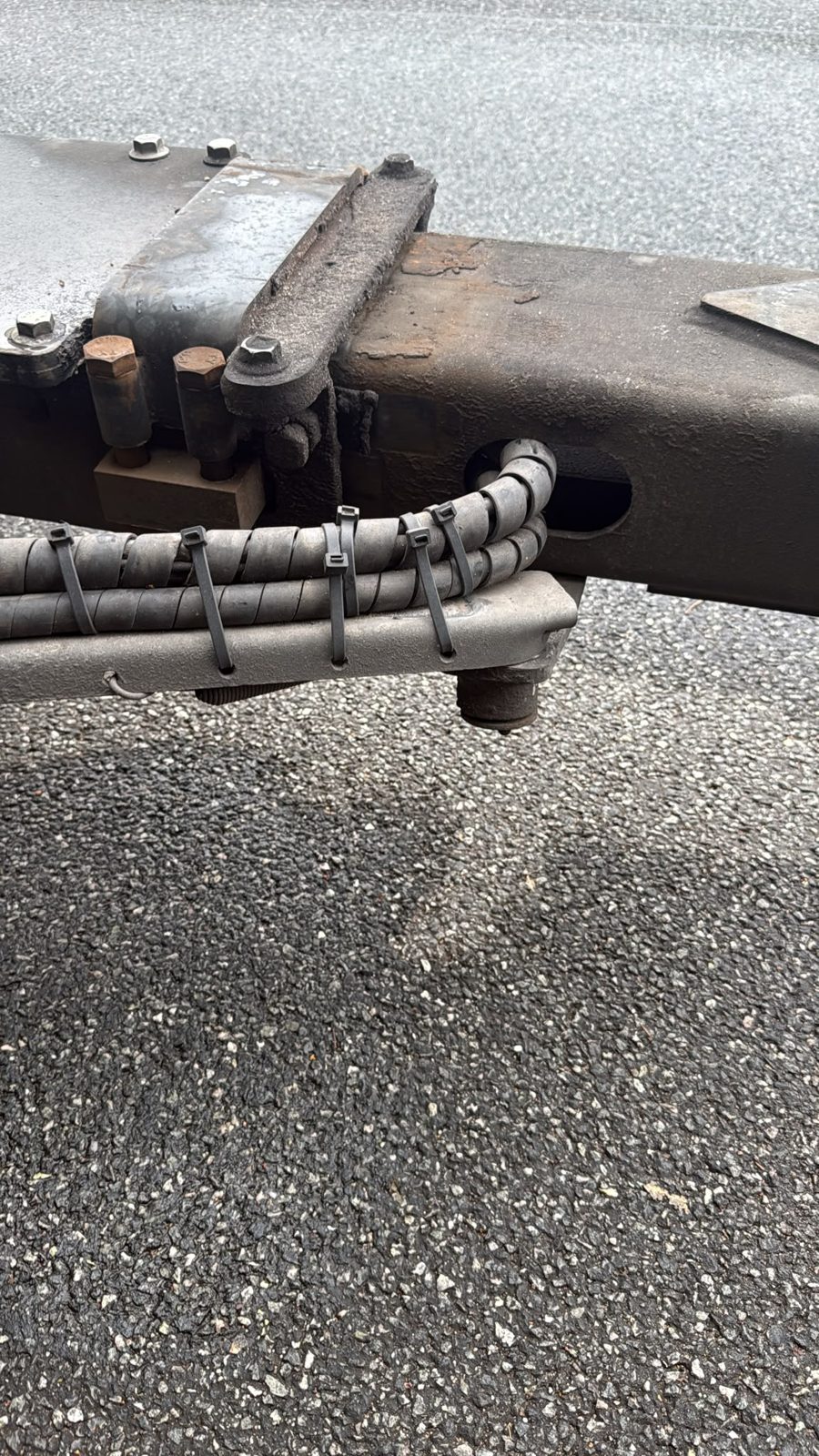
The cable was routed under the trailer frame, secured by plastic cable ties and spiral protection conduit. Over time, the constant vibration from driving caused micro-movements in the cable. These tiny shifts, repeated thousands of times, led to metal fatigue in the internal conductors. The strain was greatest at the point where the cable exited the frame, a natural stress concentration point.
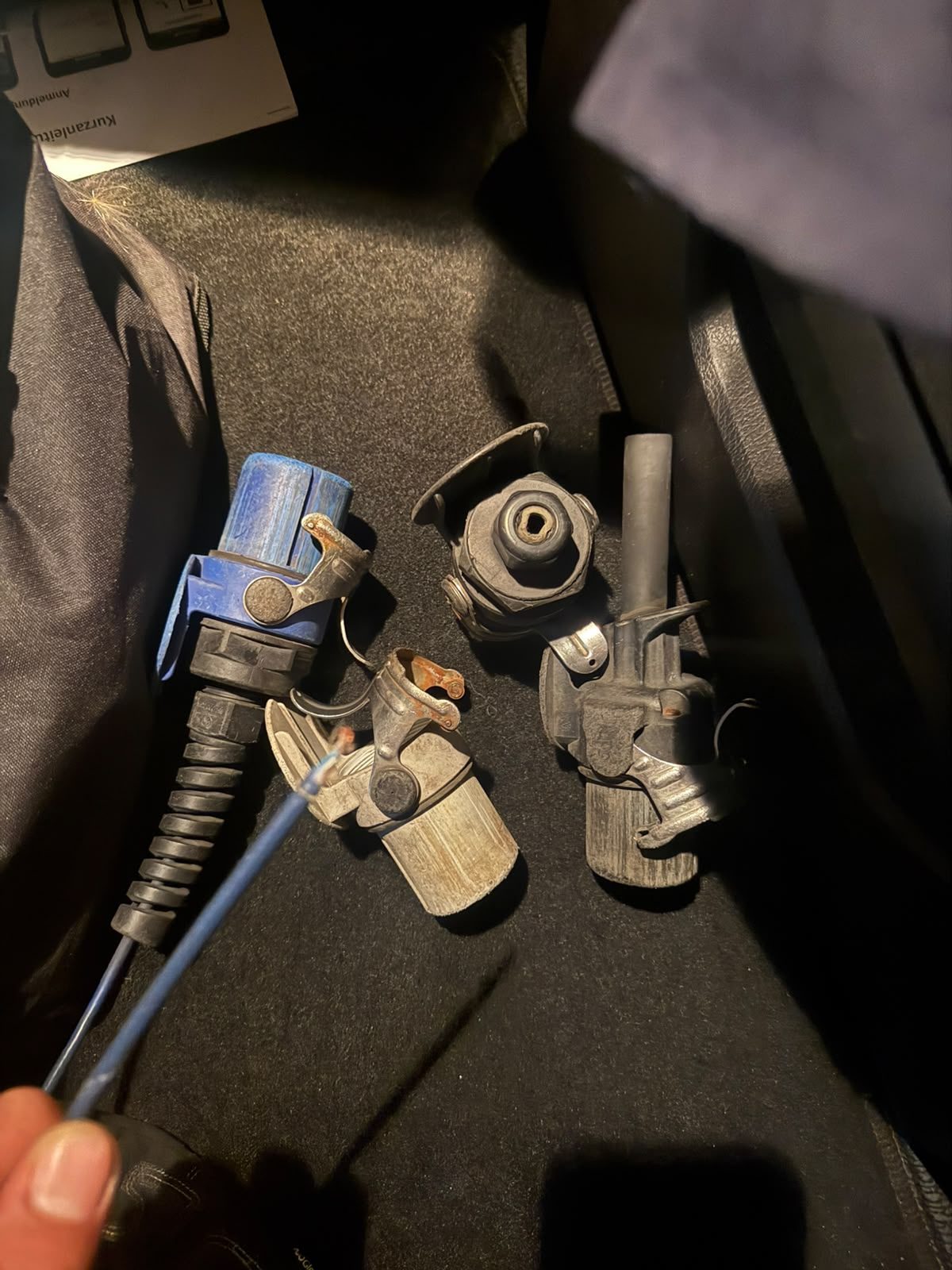
Simultaneously, moisture had entered the system. The PG seals (cable glands) were not fully watertight. Rainwater had seeped through the gaps, especially during the recent downpour. The metal brackets and connectors were made of aluminium and steel, which are prone to galvanic corrosion when exposed to water and salt. The rust on the mounting bolts and the discoloured contacts confirmed this.
The technician noted that the cable had likely been replaced or repaired at least once before. The presence of older crimped joints and mismatched connectors suggested prior DIY attempts. However, the current failure was not due to poor past work, it was the result of cumulative wear and environmental exposure.
According to data from DEKRA, over 40% of trailer electrical failures on German motorways are caused by water ingress or connector degradation. Similarly, TÜV reports that 68% of such incidents occur in the first 18 months after a previous repair. This case perfectly illustrates that even a well-intentioned fix can fail if the root cause isn’t addressed, and if proper materials aren’t used.
The technician also checked the trailer’s grounding system. The earth wire was loose and corroded. A poor ground connection can cause erratic behaviour in electronic systems, including false ABS warnings and flickering lights. This was likely a contributing factor to the initial fault report.
Step-by-Step Repair Process: From Wire to Working Trailer
With the diagnosis complete, the repair began in earnest. The technician followed a strict, multi-stage procedure to ensure safety, reliability, and compliance with industry standards.
Step 1: Safety and Preparation
The technician disconnected the trailer from the tractor unit and grounded the system using a temporary earth cable. He placed a warning sign on the trailer and ensured no one approached the work area. All tools were laid out, and the workspace was cleaned.
Step 2: Cable Removal and Inspection
The damaged cable was carefully cut at both ends, just before the broken point and just after the frame exit. The old connectors were removed, and the internal wires were inspected. The insulation was brittle, and the conductors showed signs of oxidation. The technician discarded all old parts.
Step 3: Cable Preparation and Crimping
A new 2.5-metre section of 7-core shielded cable was cut and stripped. Each conductor was cleaned with a wire brush, then fitted with new crimp sleeves. Using a professional crimping tool, the technician pressed each sleeve to the wire, ensuring a solid, vibration-resistant connection. The crimped joints were tested with a pull test, no wires came loose.
Step 4: Connector Installation
The new ABS/EBS connector (24N/ISO 7638) was assembled. The technician inserted the wires in the correct order:
– Pin 1: Yellow (brake light)
– Pin 2: Red (stop light)
– Pin 3: White (side marker)
– Pin 4: Green (ABS signal)
– Pin 5: Violet (auxiliary power)
– Pin 6: Black (ground)
– Pin 7: Blue (24V supply)
The power connectors were installed similarly. Each pin was secured with a locking clip, and the housing was sealed with silicone.
Step 5: Sealing and Protection
The new cable was fed through the spiral conduit and secured with plastic ties. The PG seals were tightened, and the entire connection was sealed with waterproof silicone. The technician applied a layer of UV-resistant tape over the crimped joints for extra protection.
Step 6: Final Testing
The trailer was reconnected to the tractor unit. The technician tested:
– ABS system: no fault codes
– Brake lights: responded instantly
– Turn signals and side markers: working
– Ground continuity: 0.1 ohms (excellent)
– Voltage: 24.2 V on all lines
All tests passed. The trailer was safe to drive.
The entire repair process took 70 minutes (07:50 to 08:10). The technician documented the work, issued a digital service report, and handed it to the driver.
Full Timeline: From Call to Clearance
| Time | Phase | Action |
|---|---|---|
| 05:55 | Call Received | Driver reports ABS light on, trailer lights not working |
| 06:05 | Dispatcher Confirmation | Location verified, team assigned, price confirmed (€780) |
| 06:10 | Team Dispatched | Mobile unit departs Augsburg with full repair kit |
| 07:00 | Arrival on Scene | Technician arrives, secures site, begins inspection |
| 07:15 | Diagnosis | Multimeter test confirms cable break and connector failure |
| 07:50 | Repair Execution | Cable replaced, connectors crimped, sealed, tested |
| 08:00 | Cable Routing | New cable secured under frame with spiral conduit and ties |
| 08:10 | Final Test & Clearance | Trailer connected, all systems functional, driver departs |
Total time from call to departure: 135 minutes
On-site work time: 70 minutes
Travel time: 50 minutes
This timeline reflects real-world conditions. Delays were minimal, the weather was stable, traffic was light, and the team had all necessary parts. In winter or heavy rain, response times could increase by 15–30 minutes.
Cost Breakdown: Transparent Pricing, No Hidden Fees
| Position | Price (EUR) |
|---|---|
| Travel (Anfahrt), early morning | 240 |
| Electrical diagnostics (trailer) | 150 |
| Labour, 1.5 hours at €120/hour | 180 |
| 7-pin connectors (ABS + power), cable, crimp sleeves | 175 |
| Minor materials: spiral conduit, ties, sealant | 35 |
| Total | 780 |
All prices are net, excluding VAT. The cost reflects the complexity of the repair: not just the parts, but the expertise, tools, and safety protocols involved.
For comparison, the average cost of a truck breakdown per day in Germany ranges from €800 to €1,200, depending on the route and vehicle type. This includes lost revenue, demurrage, and potential penalties. In this case, the repair cost €780, less than one day’s downtime, and saved the driver from being stranded for hours.
Why DIY Repairs Are Dangerous
Many drivers attempt to fix electrical faults themselves. But this case shows why that’s risky:
- Exposure to live voltage: Even if the trailer is disconnected, residual charge can cause shock.
- Incorrect wiring: Misconnecting pins can damage the EBS system or cause brake failure.
- Poor crimping: A loose joint can lead to intermittent faults or fire risk.
- Water ingress: Improper sealing invites corrosion and future failure.
- No diagnostic tools: Without a multimeter or tester, you can’t verify the fix.
Our team uses professional-grade tools and follows ISO and ECE standards. A DIY fix may seem cheaper, but it often leads to repeat failures, higher long-term costs, and safety risks.
Common Issues We Fix on the Road
Our mobile service handles a wide range of trailer and truck faults, including:
– ABS/EBS connector failures
– Broken brake lines or air hoses
– Electrical short circuits and blown fuses
– Fuel pump or filter issues
– Brake wear and pad replacement
– Hydraulic system leaks
– Tachograph and ADBlue system faults
We work on all trailer types: flatbeds, refrigerated units, curtain-sided, and tankers.
Proactive Maintenance Tips
To avoid such breakdowns:
– Inspect electrical connectors every 5,000 km
– Replace PG seals annually
– Use waterproof grease on connectors
– Check grounding points regularly
– Keep a spare cable and connectors in the cab
Why Choose Professional Mobile Truck Service?
- 24/7 availability across Germany
- Verified partner network with certified technicians
- Transparent pricing, no hidden costs
- Multilingual dispatch (English, German, Polish, Russian)
- Fast response times, often under 1 hour
- Full documentation and digital reports
Summary: Key Facts from the Case
- Location: A8 near Ulm, direction Munich
- Vehicle: Semi-trailer with Duo-Matic coupling
- Fault: Broken 7-pin cable, corroded connectors
- Time to arrival: 50 minutes
- Total response time: 135 minutes
- On-site work: 70 minutes
- Cost: €780 (net)
- Second-hand damage avoided: Yes
- No downtime beyond repair window
Need Help? Call Now
If you’re facing a trailer fault on the road, don’t wait. Call LKWHelp24 today at +49 160 5753826, we’re available 24/7, across all of Germany. Whether it’s a broken cable, ABS warning, or electrical failure, our mobile team will be there fast.
Visit us at www.lkwhelp24.com for more information on our services.
Keywords: truck service | trailer service | truck breakdown service | mobile truck service | roadside assistance germany | truck service near me | truck repair | truck mechanic from poland | emergency roadside | mobile lkw werkstatt hamburg
Related Articles
- 24/7 Mobile Truck Tire Service Near Me, Fast Emergency Tire Change & Repair Across Germany
- Truck Propshaft Repair Near Görlitz: Vibration Fixed in 2h 35m
- Truck Breakdown Assistance on the A9 near Bayreuth: Ford F-Max AdBlue/SCR Fault Fixed On-Site in 2 Hours 5 Minutes
- Effective Solutions for CAN Bus Truck Repair – Fault Diagnosis and Mobile Help
- Truck Repair on the Road: What Can Be Fixed Right on the Spot