Skip to content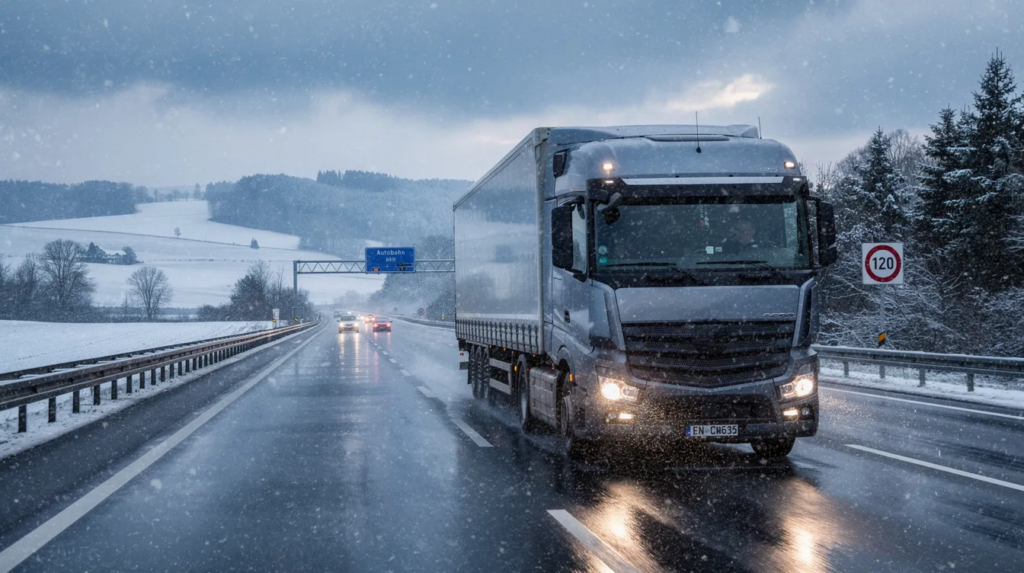
If you drive a truck through snow and ice, you need the right tyres. This article explains the current winter tyre rules in Germany, which axles are affected, what to check on the tyre, and what to do if you break down in winter. Written for truck drivers, dispatchers and fleet operators This overview applies to the 2027/28 winter season; as things stand, the same rules remain valid unless changed.running commercial vehicles from 7.5 t upwards.
Key Points at a Glance
- Germany has a situational winter tyre requirement under § 2 Abs. 3a StVO. It applies whenever there is black ice, packed snow, slush, or frost on the road; there is no fixed calendar period such as “October to Easter” in the law.
- Since 1 July 2020, trucks over 3.5 t must have winter tyres fitted on the drive axle and the front steering axles whenever winter road conditions apply.
- Since 1 October 2024, only tyres carrying the Alpine symbol (3PMSF, a mountain pictogram with a snowflake) count as winter tyres. The old M+S marking alone is no longer sufficient.
- The legal minimum tread depth is 1.6 mm. Industry associations recommend 6 to 8 mm for truck winter tyres so that traction and braking distance stay reliable on snow and ice.
- Truck drivers should check tread depth, tyre pressure and visible damage on all tyres every day, especially during the cold season.
- If you have a sudden tyre blowout, Lkwhelp24 provides mobile 24/7 truck breakdown assistance across all of Germany. We serve vehicles from 7.5 t only. The fastest way to reach us is WhatsApp or phone +49 160 5753826; we speak German, English, Polish and Russian.
Winter Tyre Requirements for Trucks in Germany – the Current Legal Situation
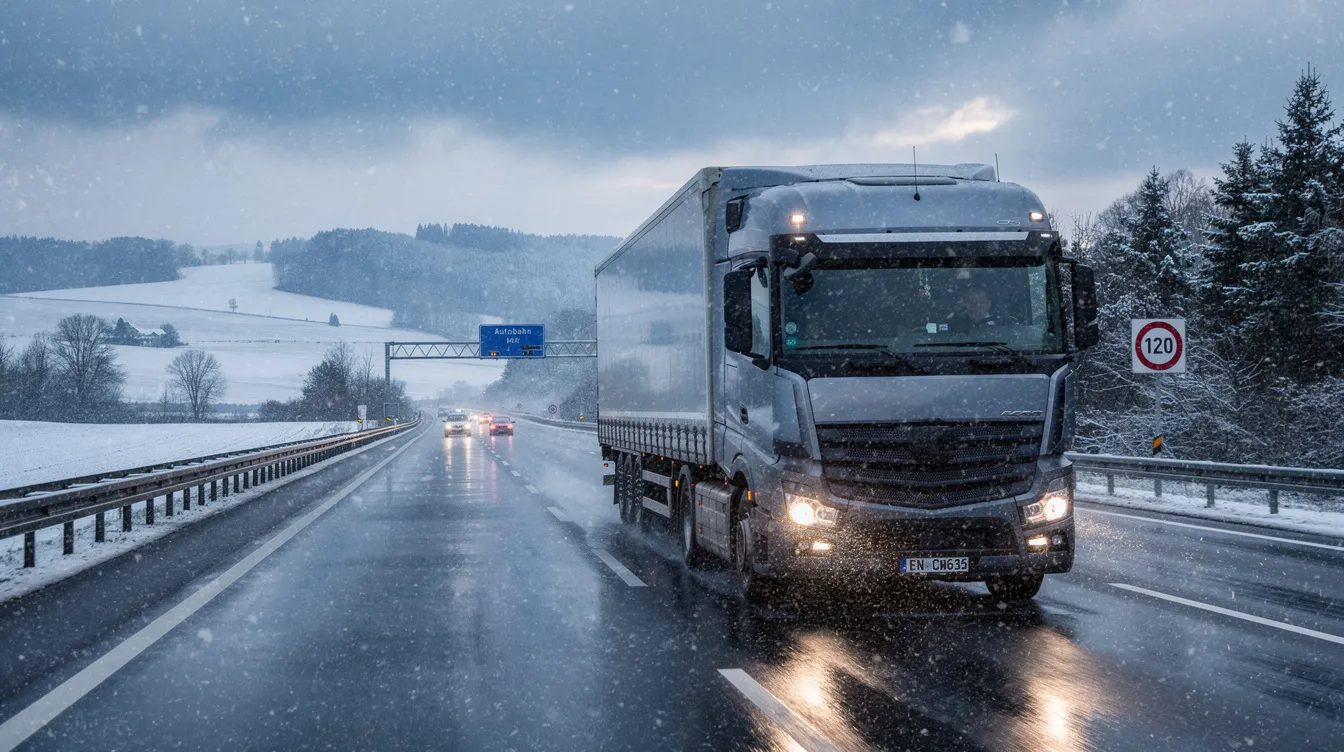
Germany’s winter tyre requirement is situational. That means it doesn’t depend on the calendar but on the actual conditions on the road. As soon as there is black ice, packed snow, slush, or frost, every vehicle must be fitted with suitable winter tyres. The legal basis is § 2 Abs. 3a StVO.
The same basic rules apply to heavy commercial vehicles over 3.5 t (classes N2, N3) and buses (classes M2, M3). Truck drivers must check the weather situation for their planned route before setting off. Anyone who drives without suitable winter tyres in clearly wintry conditions is breaking the rules.
What “wintry road conditions” specifically means:
- Black ice on the road, even in patches
- Packed snow, meaning compacted or fresh snow on the roads
- Slush, which reduces grip when braking and steering
- Ice or frost, typical on early winter mornings between October and April
- Also unexpected temperatures below 0 °C overnight, causing frost to form on bridges and overpasses
A truck without suitable winter tyres must not be driven on the road under these conditions. The obligation applies to both the driver and the vehicle keeper.
Which Truck Axles Require Winter Tyres
A lot of older information online on this topic is outdated. Until 2020, the winter tyre requirement for trucks applied only to the drive axles. That has changed.
Since 1 July 2020, trucks and buses over 3.5 t must have winter tyres fitted on both the drive axles and the front steering axles whenever winter road conditions apply. The front axle needs tyres with strong lateral grip and precise steering. The drive axle needs tyres with maximum traction and power transfer. Truck tyres carry different loads depending on axle position and need specific properties for each.
Axle position is decisive for choosing the right truck tyres:
- Steering axle: winter tyres with good grip and steering precision, mandatory by law since 1 July 2020
- Drive axle: winter tyres with high traction, already mandatory before 2020 in wintry conditions
- Trailer/semi-trailer axles: no general winter tyre requirement in Germany (as of 2026), but winter tyres here still improve safety. Trailer tyres should offer low rolling resistance and good tracking.
- Vehicle classes N2/N3 and M2/M3: the rule applies to tractor units, rigid trucks and coaches over 3.5 t
- Light vans under 3.5 t: follow the car rules and are not part of Lkwhelp24’s service area
Fleet managers who fit winter tyres only on the drive axles and forget the steering axles risk fines and liability problems.
Which Tyres Count as Winter Tyres on a Truck?
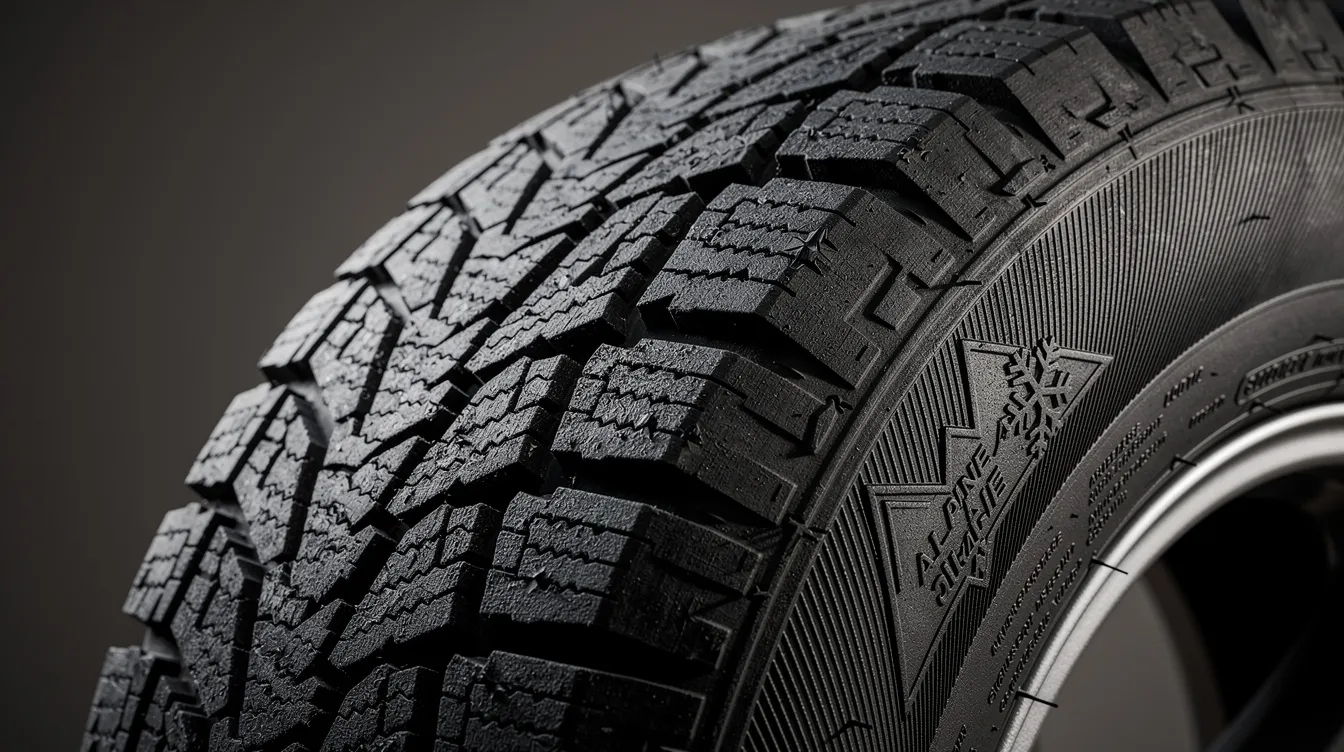
Since 1 October 2024, only tyres carrying the Alpine symbol (3PMSF) count as winter tyres under the law. The Alpine symbol shows a stylised three-peak mountain with a snowflake. 3PMSF-certified tyres offer better traction in wintry conditions than tyres without this marking. Winter tyres for trucks must carry the 3PMSF symbol to meet the legal requirements of § 36 StVZO.
The old M+S marking alone is no longer enough. The transition period for older tyres produced before 1 January 2018 that carried only an M+S symbol ended on 30 September 2024.
Where do drivers and dispatchers find the marking?
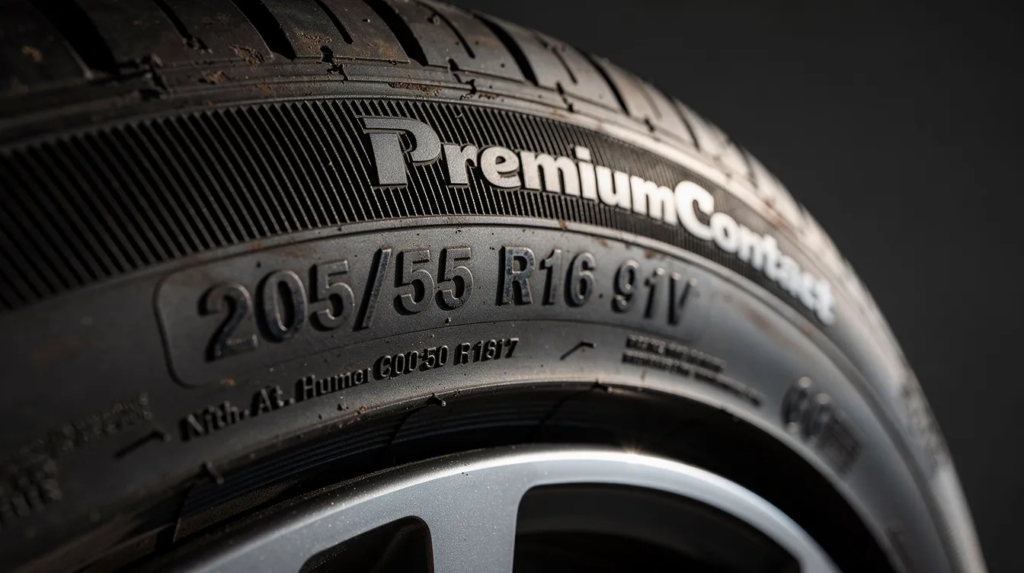
- The Alpine symbol is moulded into the tyre sidewall, usually near the size marking and the manufacturer’s logo.
- The DOT number reveals the week and year of production. Example: “0124” stands for calendar week 1 of 2024. This lets you check whether a tyre still fell under the old transition rule.
- Trucks must be fitted with tyres that meet the required load and speed index.
Premium manufacturers dominate the truck and commercial vehicle tyre market. Continental, Hankook and Goodyear are leading manufacturers. Michelin and Pirelli are also well-known truck winter tyre brands. Yokohama offers three truck winter tyre models. Goodyear tests tyres on different vehicles before production to check performance under real winter conditions. There are also manufacturers such as Sailun and Falken offering tyres in the mid-price segment.
Studded winter tyres are banned in Germany.
All-season tyres vs. dedicated winter tyres: All-season tyres carrying the 3PMSF marking are legally approved as winter tyres. However, they are a compromise. In heavy-duty transport on snow and ice in mountainous terrain, they usually don’t match the performance of dedicated winter tyres. For fleets that operate mostly on flat terrain in mild winters, they can be sufficient.
Tread Depth on Truck Winter Tyres: Legal Minimum vs. Recommendation
The legal minimum tread depth for truck tyres in Germany is 1.6 mm. It applies to the main tread pattern across roughly three-quarters of the tread width (§ 36 Abs. 3 StVZO). The minimum tread depth for winter tyres is also 1.6 mm.
However, this 1.6 mm is the absolute lower limit. In winter, that’s nowhere near enough for a 40-tonne truck on snow and ice.
By law:
- Minimum tread depth of 1.6 mm across the main tread pattern
- Applies to all axles, including steering and drive axles
Practical recommendation:
- Industry bodies such as BRV and manufacturers like Michelin recommend a tread depth of 6 to 8 mm for truck winter tyres
- For extra safety, a tread depth of at least 4 mm is generally recommended; in heavy-duty transport, drive and steering axles should have significantly more
Inspection tips:
- Check tread depth with a simple tread depth gauge (costs only a few euros and belongs in every cab)
- Don’t just measure the centre of the tread, check the shoulders too; uneven wear often points to incorrect pressure
- On twin tyres on the drive axle, check the inner and outer tyre separately. Badly mismatched twin tyres worsen handling and can cause the truck to get stuck on inclines in winter
Why Winter Tyres Matter So Much for Trucks in the Cold Season
A traffic jam near Nuremberg in January. A semi-truck can’t make it up a gentle incline on the A9. Summer tyres on the drive axle, slush on the road. Within minutes the truck is blocking two lanes. The jam grows to 15 kilometres.
Scenes like this repeat every winter. A fully loaded truck puts 40 tonnes on the road. At that mass, the braking distance on ice and snow is many times what a car needs. Choosing the right winter tyres decides whether the driver can brake, steer and pull away safely.
What makes winter tyres different:
- Winter tyres use a softer rubber compound that stays flexible in the cold. Summer tyres harden at low temperatures and lose grip.
- A high density of sipes improves traction on snow and ice for truck tyres. The fine cuts key into the surface and bite where smooth patterns would slip.
- Tyres should be able to self-clean quickly in deep snow to keep grip. Winter tyres have more open tread blocks that push snow and slush out of the grooves as they roll.
- Winter tyres improve safety on snow-covered roads: shorter braking distances, better pull-away on inclines, and more stable tracking during lane changes.
Good truck winter tyres don’t just lower your own accident risk. They also prevent rear-end collisions, traffic jams and closures when a truck can’t make it up a hill. Anyone driving in snow without the right tyres puts everything at risk: themselves, the cargo, the schedule and other road users.
Snow Chains on Trucks: Use and Rules
Snow chains are not a substitute for winter tyres. They are extra help on heavily snow-covered or icy stretches, for example in low mountain ranges or Alpine regions.
- Germany has no general snow chain requirement. On stretches marked with the blue snow chain sign (sign 268), chains must be fitted on at least two drive wheels.
- In Austria, trucks over 3.5 t must carry snow chains for the drive axle between 1 November and 15 April. The Czech Republic has route-specific rules depending on signage.
- Before the first use of the winter, fit the chains once in calm conditions, check they match your tyre size, and observe the maximum speed allowed with chains fitted (usually 30 to 50 km/h).
- Always remove snow chains as soon as the road is clear again; on dry pavement they damage both the tyre and the road surface.
Fines and Insurance Consequences for Breaching the Winter Tyre Requirement
Driving without suitable winter tyres in wintry road conditions risks more than a fine.
- The fine for driving without winter tyres is 60 euros plus 1 point on the German driving record (Flensburg). If other road users are obstructed, the amount rises to around 80 euros, to around 100 euros if there is a hazard, and to around 120 euros if there is an accident. These figures are guideline values; the fine catalogue can change.
- After an accident without suitable truck winter tyres, comprehensive and liability insurers can reduce payouts or seek recourse. The keyword here is gross negligence.
- Not just the driver but also the vehicle keeper or the transport company can be held liable if vehicles are sent out without suitable tyres despite winter conditions.
- Dispatchers should check the current national rules for Alpine and international tours and plan tyres and snow chains in good time.
Differences Between Germany and Typical Transit Countries in Winter
Many truck drivers in Germany run transit routes to Austria, the Czech Republic, Poland, Italy or Switzerland and often rely on truck roadside assistance in Germany 24/7. Winter rules can differ in these countries.
- Austria: a fixed winter tyre requirement for trucks over 3.5 t on certain axles between 1 November and 15 April, in part regardless of the current road conditions. Snow chains for the drive axle must be carried. Tread depth requirements are stricter than in Germany.
- Czech Republic: a route-specific winter tyre requirement indicated by signage during the winter period. Signposted routes may also require snow chains.
- Poland/Slovakia: no single rigid winter tyre requirement, but national rules can change. Drivers and dispatchers should check the current rules before winter trips.
- Switzerland/Italy: regional and route-specific rules, especially in mountain regions. Alpine passes often have their own requirements.
This section only gives a rough overview. Anyone driving internationally on a regular basis should look into the European tyre regulations for trucks in detail.
Correct Tyre Pressure for Truck Winter Tyres
Alongside tread depth and rubber compound, correct tyre pressure is decisive for grip, braking distance and the service life of truck tyres. In winter, this is especially critical: temperatures fluctuate, air expands less in the cold, and pressure drops as the temperature falls.
The tyre manufacturer’s inflation pressure tables (for example from Continental, Michelin or Bridgestone) and the vehicle manufacturer’s specifications are always binding. Correct pressure depends on axle load and loading. Typical truck tyre sizes such as 315/80 R22.5 on the steering axle or 385/65 R22.5 on the trailer each have their own pressure ranges that vary with load. Specific bar values belong in the manufacturer’s table, not in this article, because incorrect figures would be dangerous.
- Follow the manufacturer’s specifications: every tyre type has its own pressure recommendations by axle load. The tables are usually kept in the cab or available online from the tyre manufacturer; a mobile truck service in Germany 24/7 can also help with checks and adjustments.
- Measure cold: always check tyre pressure before setting off or after the vehicle has stood for a while. Never right after a long drive, because the tyre is warm and shows a higher pressure reading.
- Account for load and axle weight: an empty truck needs different pressure than a fully loaded one. Adjust pressure when the load changes.
- Twin tyres: bring both tyres of a twin combination to the same pressure. Mismatched pressures cause uneven wear and worse grip.
Checking and Maintaining Truck Winter Tyres Day to Day
During the cold season, every truck driver should regularly check these points:
- Tread depth: measure at several points across the tread, not just in the middle. Flag a tyre as “due soon” if the steering or drive axle drops below 6 mm.
- Uneven wear: often points to incorrect pressure or a mechanical problem on the axle.
- Cracks and cuts: especially on older tyres, watch for sidewall cracks, bulges and cuts. Cold makes brittle rubber even more vulnerable.
- Foreign objects in the tread: stones, screws, and metal parts can slowly let air escape and lead to a blowout.
- Inner side of twin tyres: the inner side on the drive axle often hides damage. Check between the tyres with a torch and gloves.
- Rim damage: bent or cracked rims affect how the tyre seats and cause pressure loss.
Recommendation: a visual check of all tyres at least once a week and before every long trip. More often under demanding conditions (roadworks, overnight frost, poor roads).
Many modern commercial vehicles have tyre pressure monitoring systems (TPMS). These warn of a sudden loss of pressure. However, current news and practical reports on safety and breakdown assistance in heavy goods transport show that they don’t replace a visual and tread depth check, because they detect neither tread depth nor cracks.
Consequences of Incorrect Tyre Pressure in Winter Operation
Pressure too low:
- Greater flexing inside the tyre. The rubber sidewalls flex more than intended with every rotation. This generates heat.
- In extreme cases the heat leads to a blowout on the motorway. At full load and high speed, this is life-threatening.
- Rolling resistance increases. Rolling resistance has a major effect on truck fuel consumption. Too little pressure means higher diesel costs.
- The tread wears faster on the shoulders and sides. This shortens the tyre’s service life.
Pressure too high:
- The contact patch gets smaller. Less rubber touches the road.
- Grip on snow and ice worsens because the sipes have less surface to bite into.
- The centre of the tread wears excessively while the rest stays almost untouched.
- Ride comfort drops, and shocks are transmitted more harshly to the chassis.
Practical tip: After a cold snap (e.g. temperatures dropping overnight from +5 °C to -10 °C), check tyre pressure and adjust it to the manufacturer’s specifications. Pressure changes with temperature swings are physically normal and not a sign of tyre damage, but they still need to be corrected.
What to Do if You Get a Flat Tyre or Lose Pressure on Winter Tyres En Route?
If you get a tyre blowout or notice a loss of pressure while driving, follow this clear sequence:
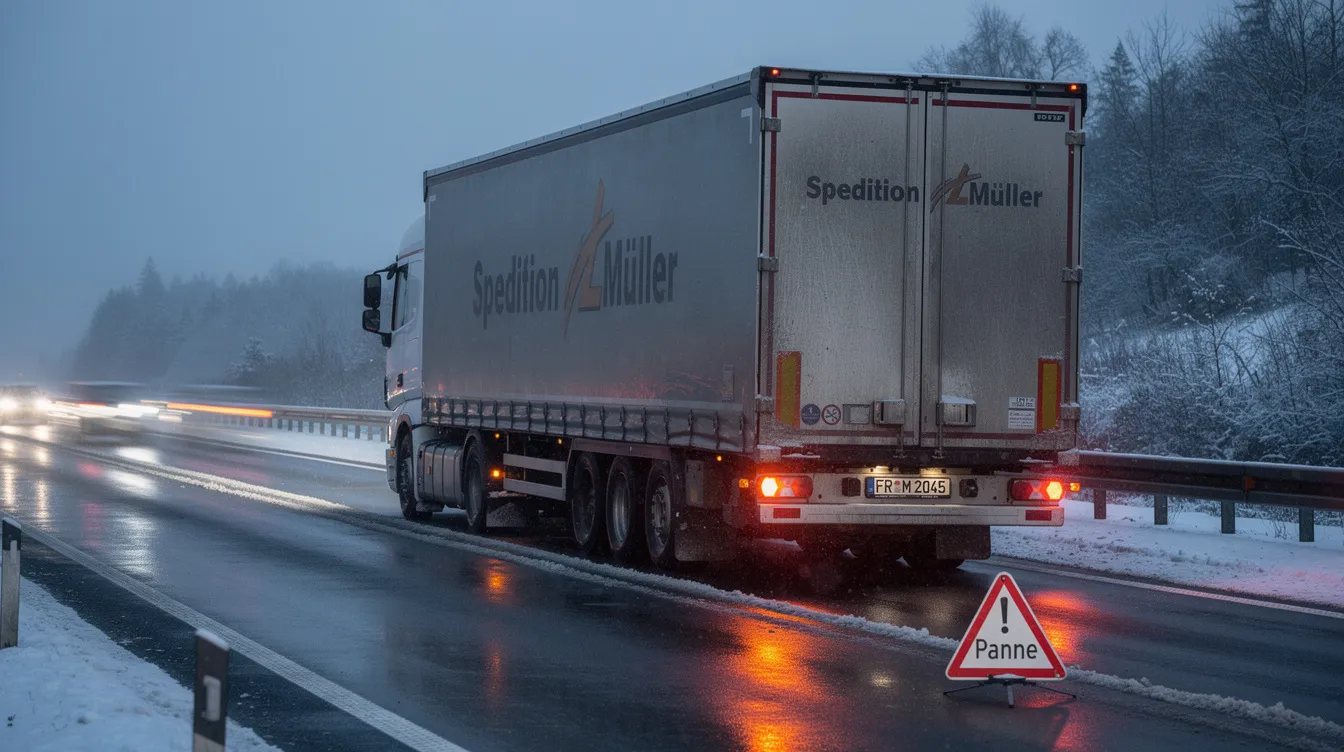
- Stop safely immediately. Head for the hard shoulder, an emergency lay-by, or a rest area. Don’t stop in the left lane or on a bend.
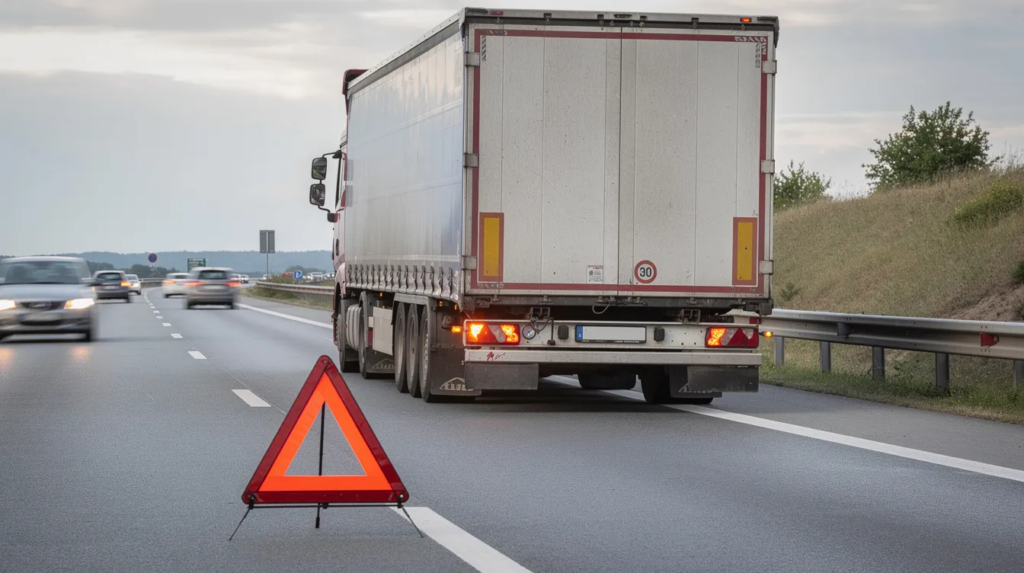
- Switch on hazard lights, put on a hi-vis vest, and set out a warning triangle (at least 100 m back on the motorway, per StVO). Get passengers and occupants safely behind the crash barrier.
- Don’t drive another metre on a flat or badly damaged tyre. With heavy commercial vehicles, this risks rim damage, fire from friction, and loss of control. The weight of a loaded truck destroys a rim in seconds.
- Note your exact location: motorway number, direction of travel, nearest rest area or kilometre marker, GPS data or a location pin from your smartphone.
- Note the tyre and rim size (e.g. 315/70 R22.5) and take photos of the damage and surroundings if possible. This speeds up the breakdown response.
- Call a mobile tyre service. Drivers can reach Lkwhelp24 around the clock via WhatsApp or phone +49 160 5753826. We send a mobile truck tyre service or a towing service directly to the breakdown site; our mobile truck tyre service runs 24/7 and is networked nationwide.
Lkwhelp24: Mobile Truck Tyre Service for Winter Tyre Breakdowns (7.5 t and up)
We are Lkwhelp24, a mobile 24/7 breakdown service for heavy commercial vehicles across Germany, with a specialised mobile truck tyre service. Our service area covers trucks, semi-trucks and buses from 7.5 t. We do not serve cars, motorhomes, or vans under 7.5 t.
Our core service is mobile truck tyre service: tyre changes and fitting directly on the motorway, in industrial areas, or at rest stops, backed by a multilingual team. We work with tyre sizes from R17.5 upwards.
- Response time: arrival is usually within 30 to 60 minutes, depending on location and traffic, including in winter weather.
- Contact: WhatsApp (preferred) at wa.me/491605753826, phone +49 160 5753826, email info@lkwhelp24.com
- Languages: German, English, Polish, Russian – so international drivers can also easily use truck roadside assistance in Germany 24/7.
- Payment: cash or card, transparent prices, no hidden costs
Drivers send their location via WhatsApp. We handle the rest: organisation, dispatch, delivery of the right tyre, and fitting on site.
When the Winter Tyre Damage Can’t Be Fixed on the Spot: Towing and Recovery
Some situations make an on-site mobile tyre change impossible or unsafe: severe damage on several axles, an accident, a narrow roadworks section, a steep motorway ramp in the snow, or a semi-truck stuck in a ditch.
In such cases, Lkwhelp24 helps with truck towing and recovery, including a specialised truck towing service in Germany 24/7 for winter operations. We secure the scene and load or tow the truck or bus from 7.5 t to the nearest workshop or yard.
Examples from winter operations:
- A semi-truck slides into the roadside ditch on a slippery road and ends up at an angle
- A truck blocks an incline because the trailer swings out on ice and snow
- Axle damage on the trailer after a blowout, and the vehicle can no longer roll
Prices are communicated in advance and depend on effort and distance. No hidden costs. For more details, see truck towing: tips and rules.
Best Practices for Dispatchers and Fleets in Winter Operations
- Adjust route planning: build in buffer time when there’s snow, and check alternative routes without steep passes. Switch to truck winter tyres early, from October or November, before the first frost arrives.
- Create a tyre and breakdown plan: keep a contact list of mobile tyre services on hand. In Germany, Lkwhelp24 is available around the clock; for a comprehensive truck service in Germany 24/7, the website has all contact details: lkwhelp24.com.
- Documentation: log tyres, tread depths and pressure checks regularly. If damage occurs, this lets the dispatcher prove the company acted diligently.
- Train drivers: foreign drivers also need clear guidance on German winter rules. Simple checklists in German, English and Polish help.
- Plan spare parts: spare tyres, snow chains in the right size, and a working tread depth gauge should be standard equipment in winter.
Common Mistakes Truck Drivers Make in Winter and How to Avoid Them
- “The summer tyres can handle one more trip.” Drivers who had good experiences with their tyres in summer underestimate the difference on ice and snow. Summer tyres harden at low temperatures and offer almost no grip on snow. Better approach: switch to winter tyres in good time, at the latest once temperatures regularly drop below +7 °C.
- “The tread is still fine, it’s 2 mm.” Legally, yes; in practice, no. At 2 mm tread depth, a truck winter tyre has almost no grip left on snow. Better approach: replace winter tyres once tread depth falls below 6 mm.
- “I’ll drive the slightly damaged tyre to the yard.” In winter, a damaged tyre can burst on the next incline or leave the truck stuck. Better approach: report the fault immediately and call a mobile tyre service.
- “The truck is empty, so it slides less.” The opposite is true. Too little weight on the drive axle worsens traction. The drive wheels spin on ice and snow because there isn’t enough downforce. Better approach: drive extra carefully when empty, slowly and in a higher gear on inclines.
- “The tyre pressure system didn’t warn me, so everything’s fine.” TPMS does not detect tread problems, cracks, or gradual ageing wear. Better approach: carry out regular visual checks in addition to the electronic system.
- Forgetting snow chains on Alpine routes. Drivers who regularly cross the Brenner or Tauern passes without chains on board get stopped at the checkpoint when it snows. Better approach: get the right chains before winter and fit them once as practice.
Checklist: getting ready for the 2027/28 winter season
Thorough preparation before the cold season starts cuts the risk of a winter breakdown considerably. The checklist below sums up what drivers and dispatchers should check ahead of the 2027/28 season.
Vehicle and tyres
- Fit 3PMSF-marked winter tyres on the drive and steering axles in good time, not only once the first snow falls
- Check and record tread depth and tyre pressure before the season starts
- Check battery, antifreeze and wiper condition for winter readiness
Equipment in the cab
- Warning triangle and hi-vis vest within easy reach, not buried under the load
- Correctly sized snow chains, a shovel, an ice scraper and gloves
- A power bank or charging cable for the phone, so the location can be shared in a breakdown
Emergency contacts
Save LKWHelp24’s WhatsApp and phone number in advance instead of searching for it during a breakdown: +49 160 5753826. That way no time is lost, especially in cold weather and poor visibility.
What happens when LKWHelp24 arrives
After the location is shared by WhatsApp or phone, LKWHelp24 organises the right mobile service from a partner network of around 2,500 workshops across Germany. Arrival typically takes 30 to 60 minutes, around the clock, including nights and weekends. A mobile tyre change costs from €290 net during the day and from €429 net in the evening, at night or at weekends, plus the tyre itself; the tyre brand cannot be guaranteed in an emergency, since tyres come from the partner’s own stock.
Winter Tyres for Trucks – All Yearly Overviews
This article is part of our yearly series on winter tyres for trucks in Germany:
- Winter Tyres for HGVs 2025: Legal Duties, Fines and Checks in Germany
- Truck Winter Tyres 2026: Tyre Choice, Axles and Practice in Germany
- Winter Tyres for Trucks 2027: Rules, Safety and Breakdown Help (this article)
FAQ on Truck Winter Tyres
Here we answer common questions that were only touched on in the sections above. The answers are kept short and practical.
How often should I have my truck winter tyres checked each year?
- Have a professional tyre inspection done at least twice a year: once in autumn before winter (October) and once in spring after winter.
- Before the cold season starts, check and document tread, damage, and air pressure especially thoroughly.
- At high annual mileage in long-haul transport (120,000 to 150,000 km per year), more frequent checks are needed because wear progresses faster.
When should I switch from summer to winter tyres on a truck?
- There is no fixed date. Rule of thumb: switch at the latest once temperatures in your route regions regularly drop below +7 °C and morning frost becomes possible. That is often the case from October or November.
- Drivers who regularly travel through low mountain ranges or the Alps should switch earlier than those driving mostly on flat terrain.
- Switching in good time avoids downtime and stress at the first snowfall. Proper winter tyres for the cold season are already fitted, and transport continues without interruption.
Can all-season tyres meet the winter tyre requirement for trucks?
- All-season tyres only count as winter tyres if they carry the Alpine symbol (3PMSF). Without this symbol, they are not recognised as winter tyres.
- All-season tyres are a compromise between summer and winter tyres. In heavy long-haul transport on snow and ice, they usually don’t come close to dedicated winter tyres.
- For frequent winter operations in mountainous terrain, it’s worth fitting full winter tyres on the drive and steering axles.
How long can I safely use truck winter tyres?
- Service life depends on driving style, axle load, mileage and correct tyre pressure. In long-haul transport, 2 to 4 winters is common in practice.
- Even tyres with good tread can lose grip because the rubber compound ages and hardens over the years. Check the DOT age on the sidewall.
- Replace winter tyres once the tread falls below the recommended 6 to 8 mm, if visible cracks appear, or if the tyre is older than 6 to 10 years (depending on manufacturer and use).
Who do I call in Germany if I have a breakdown with winter tyres or truck tyres?
- For trucks, semi-trucks and buses from 7.5 t: Lkwhelp24 is available around the clock. We usually reach the vehicle within 30 to 60 minutes.
- Contact: WhatsApp wa.me/491605753826, phone +49 160 5753826, email info@lkwhelp24.com. We speak German, English, Polish and Russian.
- Cars, vans and motorhomes are not part of our service area.