Skip to content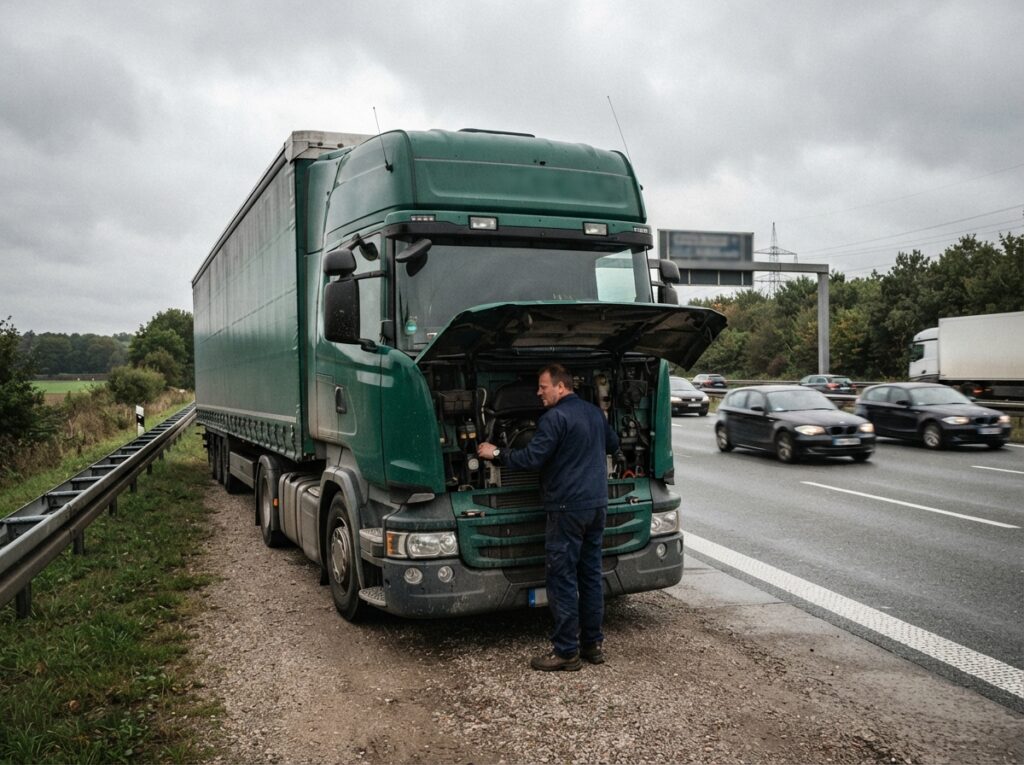
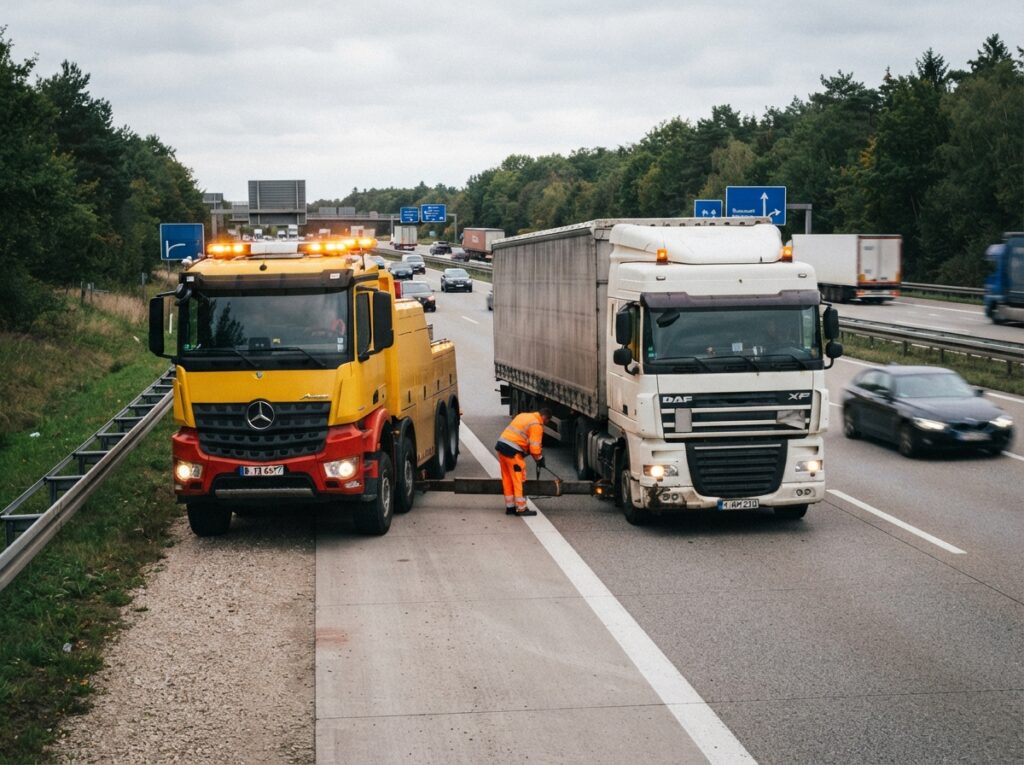
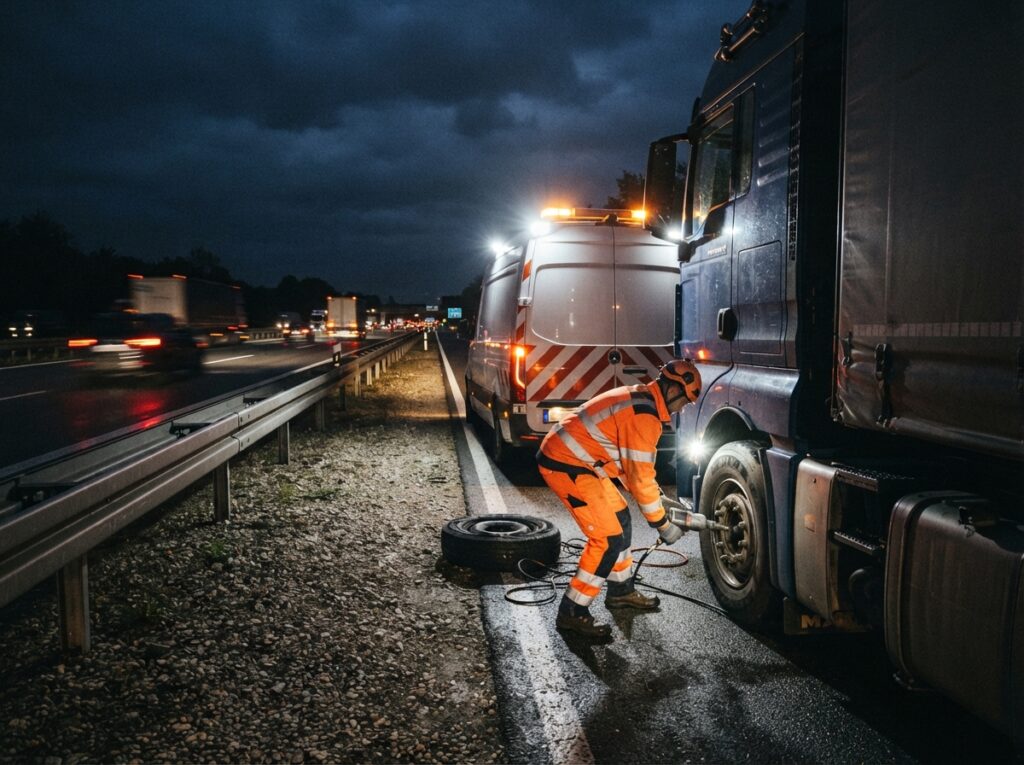
A Scania R 450 driver stood on the hard shoulder of the A7 near Kassel at two in the morning three weeks ago. The right front tyre had blown, the trailer sat crooked on the rim, and traffic roared past a meter away. He called his boss, the boss called a workshop, and the workshop said they don’t do motorway callouts. Eventually a mobile team arrived who knew exactly how to work on a Scania with air suspension without damaging the chassis. Ninety minutes later the rig was rolling again. This article is about exactly that kind of situation.
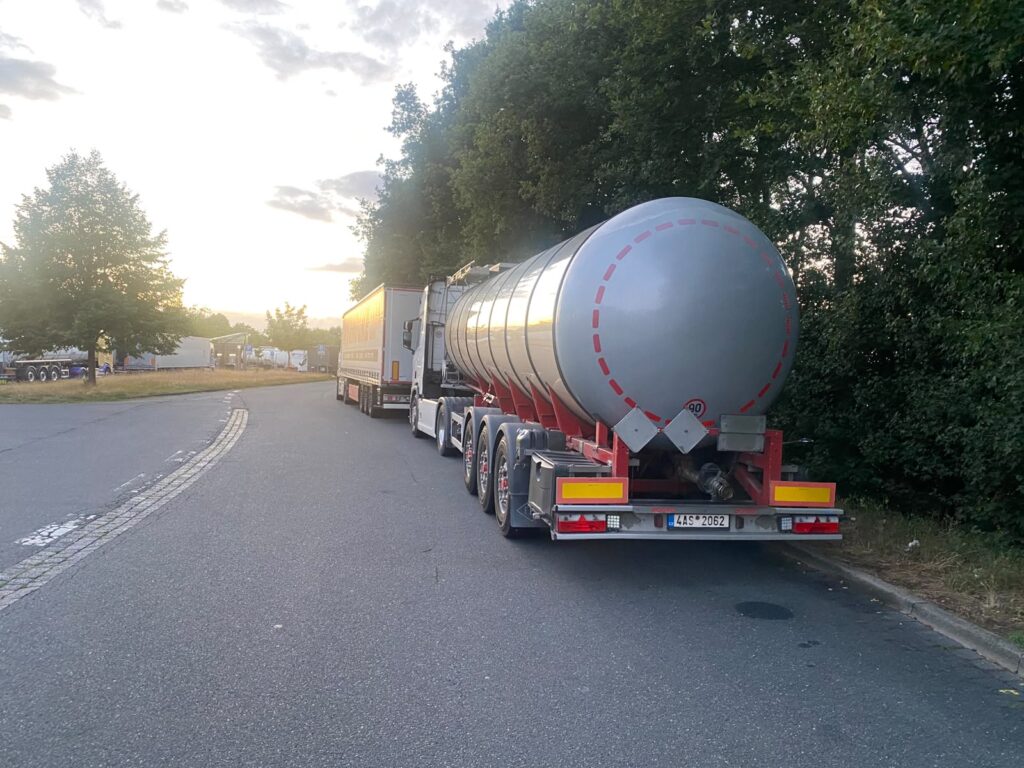
Scania is one of the most common tractor unit brands on German and European long haul routes. Anyone driving a Scania or running a fleet of Scania tractors should know what matters when a breakdown happens on the road, which components tend to cause trouble in mobile repair practice, and why a technician’s real experience with this particular brand ends up deciding how long the vehicle sits idle. We at LKWHelp24 are not an official Scania dealer and not a contracted partner of the manufacturer. We are an independent, multi-brand mobile service for commercial vehicles from 7.5 tonnes upward, and we have worked with all common brands for years, Scania included.
Scania’s model range at a glance
Scania splits its current lineup into several series that differ mainly by cab design and intended use. The information here comes from Scania’s official website and is deliberately kept general, because actual engine variants and equipment packages vary considerably depending on model year, market, and how the customer configured the vehicle.
The S series is the flagship line built for premium long haul work. Scania describes it as having an especially spacious and comfortable interior meant for long tours and multi day trips. Drivers who effectively live on the road tend to appreciate the S series most for its standing height inside the cab and its sleeping arrangements.
The R series is Scania’s classic long haul line, on European motorways for decades. Scania describes it as robust and elegant at the same time, with a focus on driver comfort and efficiency. In mobile service work we come across R series tractors more often than any other, simply because they are the most numerous on German roads.
The G series positions itself as a comfort oriented line with flexible storage configurations and a carefully thought out driving position. It is often used where operators need a middle ground between long distance work and changing job profiles.
The P series is, according to Scania, optimized for city and regional distribution, meaning mixed duty work where manoeuvrability and good visibility matter more than maximum comfort on a straight motorway run.
Finally the L series is built for urban environments, with a low entry step and a wide field of view, including what Scania calls City Safe windows. It appears less often in classic long haul work and more often in urban distribution, for example on waste collection vehicles or in construction settings.
For our work as a mobile breakdown service, the exact series matters less at first than knowing how the chassis, the air suspension systems, and the electronic wiring behave across the range, so our technicians can work quickly and without guesswork at the roadside. You can find more on common commercial vehicle models and drivetrains in Germany in our overview article on truck models and drivetrains.
Typical failure points on Scania tractor units in mobile practice
After many callouts to Scania vehicles of different ages, certain patterns keep showing up. These observations come from our technicians’ hands on experience in mobile roadside work and are not meant to replace a formal reliability study. Every vehicle is different, depending on mileage, maintenance history, and how it gets used.
Air suspension and chassis
Scania tractors are almost always fitted with air suspension both front and rear. In mobile practice we frequently see leaking air bellows, especially on older vehicles or after heavy use on rough road surfaces. A vehicle that suddenly sits crooked or sags noticeably when coupling the trailer usually has exactly this problem. What matters for the technician on site is correctly identifying the ride height valve and the solenoid, since on Scania these sit in different places on the chassis depending on model year.
Electronics and wiring
As with nearly every modern tractor, electronics are a frequent cause of roadside downtime on Scania trucks too. Loose connector contacts, corroded ground points after winter driving through heavy road salt, and occasional software glitches in the gearbox control unit that often clear themselves after a full system restart. A technician who knows the typical fault codes on the onboard computer can judge much faster on site whether the problem is a quick fix or whether the vehicle needs towing.
Braking system
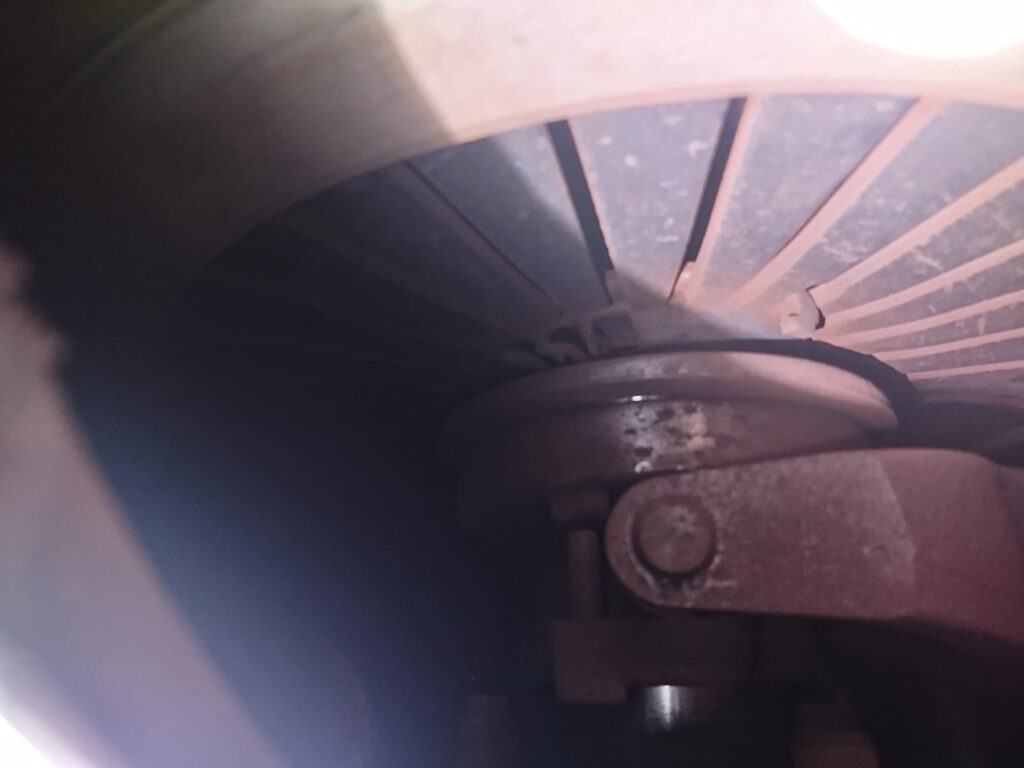
The air brake system is a sensitive area on any heavy commercial vehicle, and Scania is no exception. Leaking lines, frozen valves in winter, and worn brake pads on the drive axle are the classic issues we resolve on the road. In winter especially, condensation in the air tank can freeze and lock up the brakes. This is exactly the kind of case where fast roadside help makes the difference between a short delay and a whole day lost.
Cooling system and engine periphery
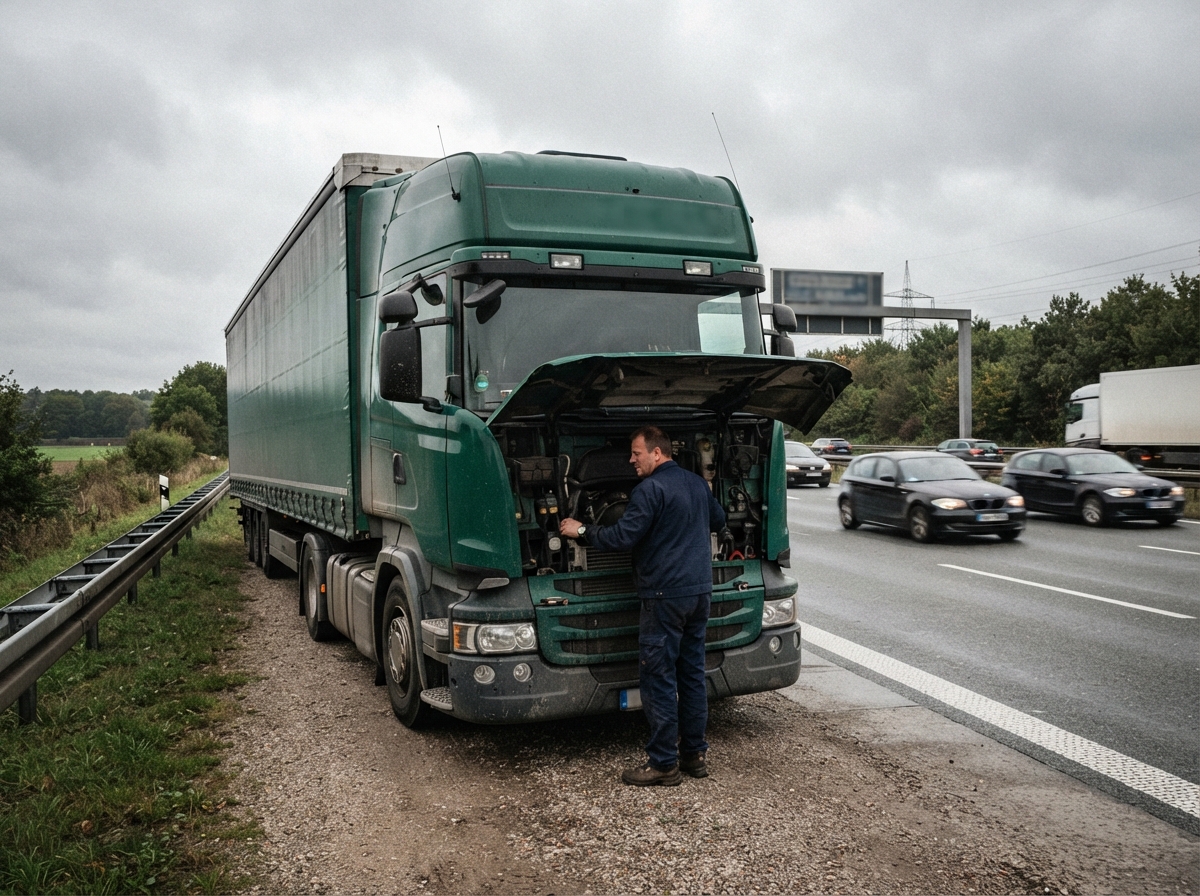
Overheating in summer on long climbs, failed fan clutches, and leaking coolant hoses round out the list of recurring issues. A driver who ignores the coolant temperature warning light and keeps going risks a far more expensive engine failure. What matters most here is simple: stop as soon as the warning appears and call a mobile technician instead of hoping to make it to the next service station.
Tyres and wheels on heavy tractor units
Tyre failures are by far the most common reason we get called out, regardless of vehicle brand. On heavy tractor units such as the Scania series, the drive axle and trailer typically run common commercial sizes in the 315/70 R22.5 or 385/65 R22.5 range, though the actual fitment always depends on the specific vehicle, axle load, and how the operator configured it. If you don’t know your vehicle’s exact tyre size, you can find it on the manufacturer’s plate on the door frame or in the vehicle registration document.
A blown tyre on a dual wheel setup is mechanically more demanding than on a car, because the wheel often sits between two others and the entire swap has to be done with hydraulic tools. Anyone who has tried to change a 22.5 inch wheel without the right equipment knows this is not a job for improvised solutions. We’ve put together a step by step guide on what to do after wheel damage in our article on emergency wheel change on trucks.
Correct tyre pressure matters more on tractor units than many drivers realize. Too low a pressure increases the flex work the tyre has to do, the tyre heats up more, and in the worst case it can blow out at motorway speed. We wrote a separate guide explaining typical pressure values for each axle and how often a check makes sense, which you can find in our article on truck tyre pressure. If you regularly need larger quantities of truck tyres, you’ll find more information in our piece on mobile tyre service and wholesale tyre supply.
If you have an acute tyre problem and need help nearby, it’s worth checking our article on tyre emergency service near you, where we explain how quickly a mobile team can reach your location.
Why the technician’s brand experience genuinely matters
A technician who has never worked on a Scania before can still fix a flat tyre. But it will take longer, because he has to hunt for the jacking points, because he doesn’t immediately know where the brake pressure regulator sits, and because he will, understandably, move more carefully than someone who has seen the inside of this exact vehicle twenty times before. During a breakdown on the hard shoulder every minute counts, because both the vehicle and the technician remain exposed to passing traffic the entire time.
That’s why at LKWHelp24 we make sure our technicians are familiar with the common brands on German long haul routes, Scania included. This doesn’t mean we’re a Scania contracted partner. It means that as an independent, multi-brand service, we’ve built up enough hands on experience with these vehicles to work quickly and safely when it counts. That independence also has a practical upside for you as a customer: we’re not tied to manufacturer agreements or specific contracted workshops, and we can drive to wherever you actually are.
A real example from the road
In early September we got a WhatsApp call from a Polish driver whose Scania articulated lorry had broken down on the A5 near Frankfurt. The tractor had suddenly lost power and could only limp along in a fault protection mode. The driver had just managed to get the rig onto the hard shoulder, standing there with the hazard lights flashing in the dark, not sure what to do next.
Over WhatsApp he sent us a photo of the error message on the dashboard, described what had happened in Polish, and a technician was on the way within minutes. On site it turned out a sensor in the intake system was sending a faulty reading, which had triggered the protection mode. After replacing the sensor and resetting the control unit, the driver was able to continue that same night. Without the ability to communicate in Polish, and without a technician who understood this system’s fault logic, the driver would probably have waited hours for a tow truck instead.
Situations like this show why LKWHelp24 covers all four languages, German, English, Polish, and Russian, directly through WhatsApp. A driver from abroad shouldn’t have to fight a language barrier on top of a stressful roadside breakdown. On the major east west corridors of German long haul traffic, such as the A5 between Frankfurt and Kassel or the A4 heading east, we regularly meet drivers for whom German is a third or fourth language. In moments like that, every second not wasted on misunderstanding counts.
Another example from late summer involved a Lithuanian haulage company whose Scania tractor broke down near Görlitz with a failed radiator fan clutch, just before the border. The engine had started to overheat while stuck in traffic on a hot day, and the driver reacted correctly by stopping immediately instead of continuing on. Our technician replaced the faulty fan clutch that same afternoon, and the rig delivered its cargo on time in Poland. Cases like this show that a fast, competent mobile response can be the difference between an on time delivery and an expensive contractual penalty.
Winter operation and seasonal issues
Cold weather brings its own set of problems to Scania tractors, as it does to any heavy commercial vehicle, problems that barely show up in summer. Frozen door seals that won’t open, iced up water separators in the fuel system, and batteries that no longer have enough punch to start the engine below freezing are classic winter callouts for our technicians. Especially after a long rest stop at a service station, when a driver observes mandatory rest hours and the vehicle sits overnight in double digit sub zero temperatures, nothing may work at all in the morning.
Another issue that shows up more often in winter is diesel gelling, where paraffin wax crystallizes out of the fuel at very low temperatures. Modern diesel comes with winter additives, but on trips from warmer countries into Germany it can happen that summer grade fuel is still in the tank, and that fuel stops flowing properly at minus fifteen. In these cases gently warming the fuel lines and filter, combined with topping up with winter grade diesel or a flow improver, usually solves the problem. Our mobile team carries the equipment for exactly this kind of case.
Tyres behave differently in winter too. Cold air contracts inside the tyre, so pressure drops, and a tyre that had the right pressure in summer can end up noticeably underinflated once the temperature falls. Underinflation in turn increases the risk of a blowout at higher speed, because the sidewall flexes more and generates more heat. A regular check before longer trips in cold weather isn’t just a formality, it’s a genuine safety factor.
How a mobile technician assesses a Scania breakdown
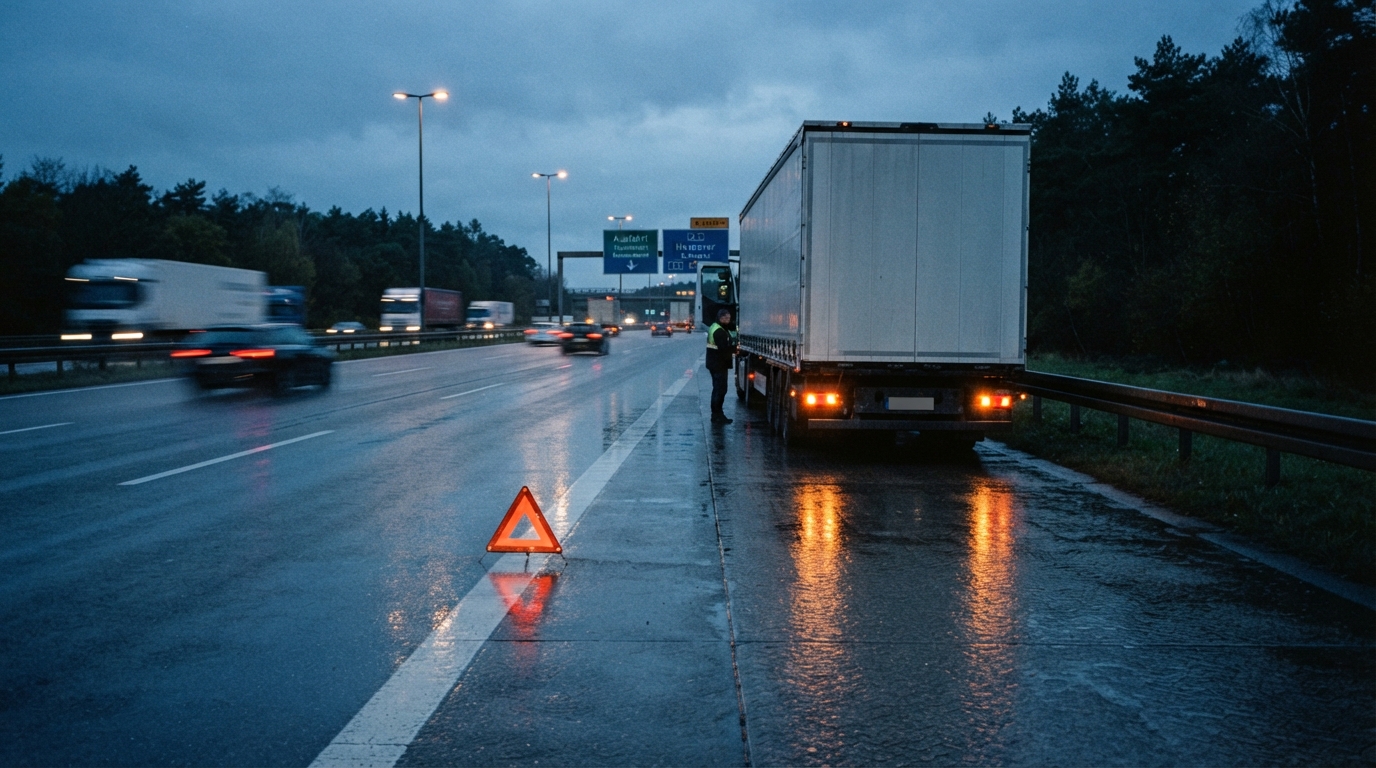
When our team arrives at the breakdown site, there’s usually a set routine. First the safety situation gets assessed: is the vehicle adequately secured, are the hazard lights on, is the warning triangle placed at a safe distance, and is the driver standing somewhere safe off the carriageway. Only after that does the actual technical diagnosis begin.
On Scania vehicles with modern onboard electronics, connecting to the diagnostic interface often gives a first impression of which fault codes are stored in the system. This doesn’t replace a proper inspection, but it gives the technician quick direction on where to look. At the same time a visual check covers the tyres, visible lines, and connections, because many problems are visible to the naked eye, such as a burst air bellows or a torn line.
Once the cause is clear, the technician decides whether the spare part is already on the mobile service van or whether the vehicle needs to continue to the nearest workshop. For common wear parts such as fuses, hoses, sensors, and standard tyre sizes, the hit rate is high because our vehicles are stocked for exactly these cases. For rarer components, such as specific control units, it may be necessary to order the part or transport the vehicle to a specialist workshop.
Prevention: what drivers and dispatchers can do themselves
Not every breakdown can be prevented, but some of the callouts we drive to could have been avoided with a bit more attention beforehand. A regular visual check of the tyres before setting off on a longer trip, taking warning lights seriously instead of hoping for the best, and sticking to the manufacturer’s maintenance intervals all reduce the risk of a roadside breakdown considerably. For vehicles that operate in international long haul work and rarely visit the same workshop twice, it’s worth keeping a simple maintenance log noting when each component was last checked or replaced.
Dispatchers running a fleet with several Scania tractors also benefit from having a fixed contact for breakdowns, rather than searching for a suitable provider in the middle of an emergency. Anyone who already has a mobile breakdown service’s contact details saved in the driver handbook or the driver app saves valuable time at the critical moment. This is exactly why many haulage companies advise their drivers to keep a reliable partner’s WhatsApp number ready before a breakdown ever happens.
When roadside repair is enough and when towing is necessary
Not every fault can be fixed by the roadside. A tyre failure, a faulty sensor, an empty fuel tank, or a starter battery problem can usually be solved on site, often within thirty to sixty minutes of the technician arriving. An engine failure, a gearbox failure, or an accident with major chassis damage, on the other hand, requires transport to a workshop. In these cases our technician decides together with you on site whether a tow is necessary. If you want to get an idea of possible costs in advance, you’ll find a detailed overview in our article on truck towing costs.
One important point at every stop on a German motorway is the StVZO, the German road traffic licensing regulation. Among other things it sets out how a broken down vehicle must be secured, what warning equipment must be carried, and how drivers are expected to behave during a breakdown. The current version is publicly available at gesetze-im-internet.de. Anyone waiting on the hard shoulder should stay off the carriageway, ideally behind the crash barrier, until help arrives, no matter how urgent the repair seems.
Frequently asked questions
Is LKWHelp24 an official Scania service partner?
No. LKWHelp24 is an independent, multi-brand mobile breakdown service for commercial vehicles from 7.5 tonnes upward. We have no contractual relationship with Scania or any other manufacturer, but we work regularly on vehicles of all common brands, Scania included.
What’s the minimum vehicle weight LKWHelp24 handles?
We help vehicles from 7.5 tonnes upward. Smaller vehicles, cars, and vans below that limit fall outside our service area.
How fast can a team reach a motorway breakdown?
Response time is usually between 30 and 60 minutes, depending on location, traffic, and time of day. We’re reachable around the clock, including nights and holidays.
What languages can I use to contact emergency service?
You can reach us in German, English, Polish, and Russian via WhatsApp at +49 160 5753826. This is especially useful for international drivers who don’t speak German.
Can I change a wheel myself if I have the right tools?
On a car, sure. On a heavy tractor unit with dual wheels, we generally advise against it. The weight of the wheels, the torque wrench needed, and the danger from passing traffic make this a job that an experienced technician with the correct hydraulic tools can handle far more safely.
How much does a mobile callout for a Scania tractor cost?
Cost depends on the type of fault, the distance to travel, and the time of day. For a non binding estimate, just message us directly on WhatsApp and we’ll give you a realistic range upfront.
Does LKWHelp24 also work with haulage companies and fleet operators?
Yes. Alongside independent drivers, we regularly support haulage companies with mixed fleets that include Scania tractors alongside other brands. For dispatchers it’s often practical to have a single point of contact for every brand instead of coordinating a separate provider for each one.
Bottom line
Scania tractors are among the most common vehicles on European long haul routes, and with that popularity come certain recurring weak points in mobile repair practice: air suspension, electronics, brakes, and of course tyres. Knowing what to watch for means losing less time during a breakdown. And calling a technician who knows the brand from hands on experience means skipping the guesswork on the roadside. LKWHelp24 is available around the clock as an independent, multi-brand service, in four languages, for commercial vehicles from 7.5 tonnes upward. If your Scania breaks down, reach us directly on WhatsApp at +49 160 5753826.