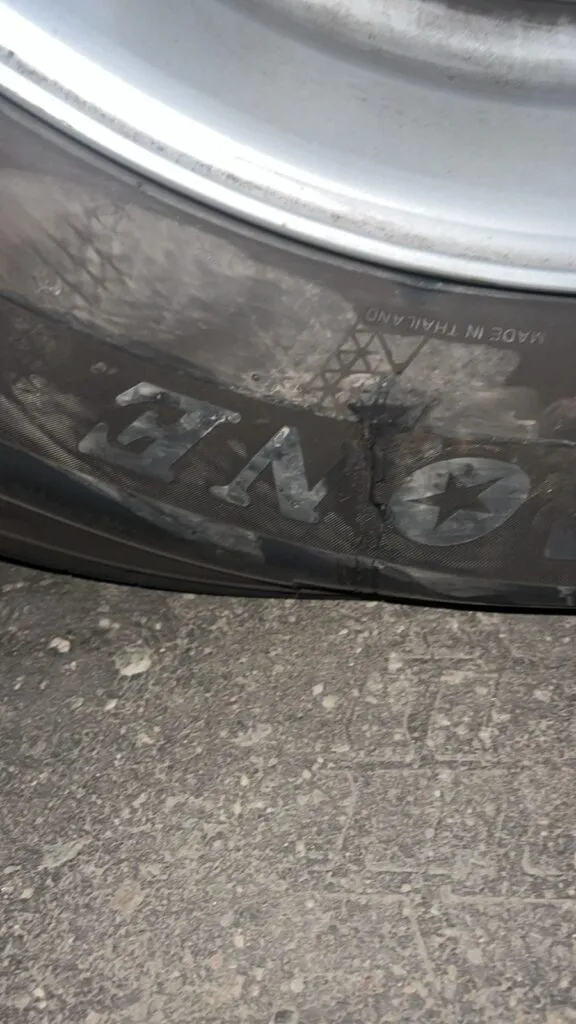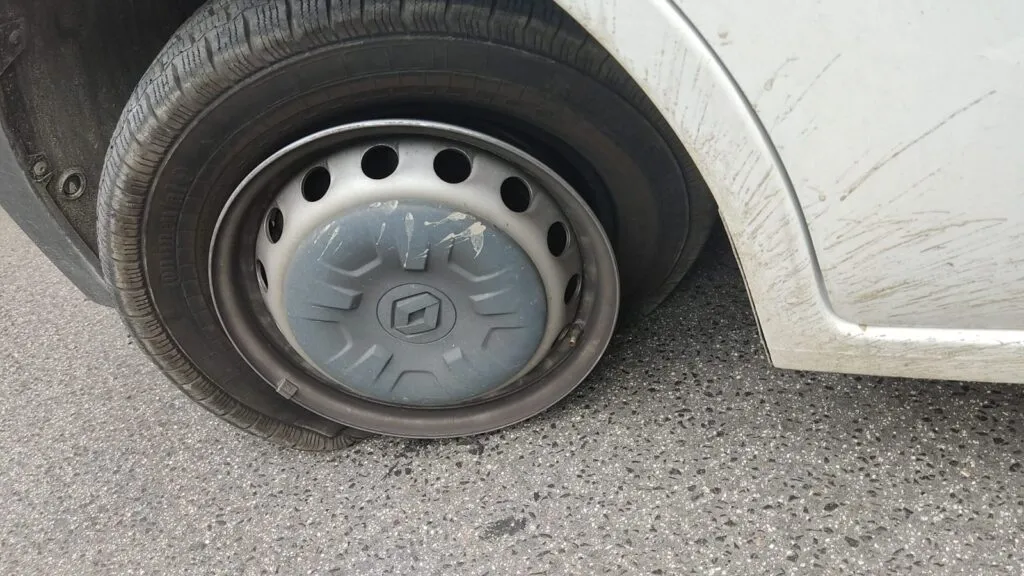
When a lorry tyre fails on the road, every minute counts. For hauliers operating under tight schedules, a breakdown isn’t just an inconvenience, it’s a financial risk, a logistical headache, and a safety concern. In this real-world case, a DAF tractor unit with a 480 PS engine was forced to stop on a paved industrial site near Kassel after the drive-axle tyre reached the end of its service life. The driver had no choice but to call for urgent roadside assistance. Within just over an hour and a half, a fully equipped mobile tyre service team from LKWHelp24 arrived, diagnosed the issue, replaced the worn tyre, and got the vehicle back on the road. This case study details the full process, from initial call to final inspection, with transparent pricing, clear timelines, and expert insight into why professional intervention is essential when dealing with heavy-duty tyres.
The situation could have escalated quickly. A drive-axle tyre failure, especially on a high-powered vehicle like this DAF, risks destabilising the entire drivetrain. The wheel can lose grip, leading to loss of control, especially during braking or cornering. Even if the vehicle is stationary, driving on a damaged or worn tyre compromises safety and may cause secondary damage to the wheel hub, suspension, or even the axle itself. In this instance, the tyre was not blown out or visibly damaged, but its tread depth had worn down to near the legal limit, and the casing showed signs of fatigue. Continuing to drive would have been unsafe and potentially illegal under German road safety regulations. That’s why immediate action was critical.
LKWHelp24’s mobile tyre service is designed precisely for these high-pressure moments. With a network of vetted technicians across Germany, we respond to calls 24/7, ensuring that no matter where a lorry breaks down, on a motorway, in a depot, or on a gravel lot, help is never far away. This case in Kassel demonstrates how speed, precision, and professionalism come together to prevent costly downtime and ensure compliance with transport laws. The total response time from call to vehicle back on the road was 1 hour 55 minutes, with a total cost of €1,050 (net). For comparison, the average daily cost of a lorry standstill ranges from €800 to €1,200, meaning this service saved the operator hundreds of euros in lost revenue.
What Happened: A Worn Drive-Axle Tyre on a High-Performance DAF
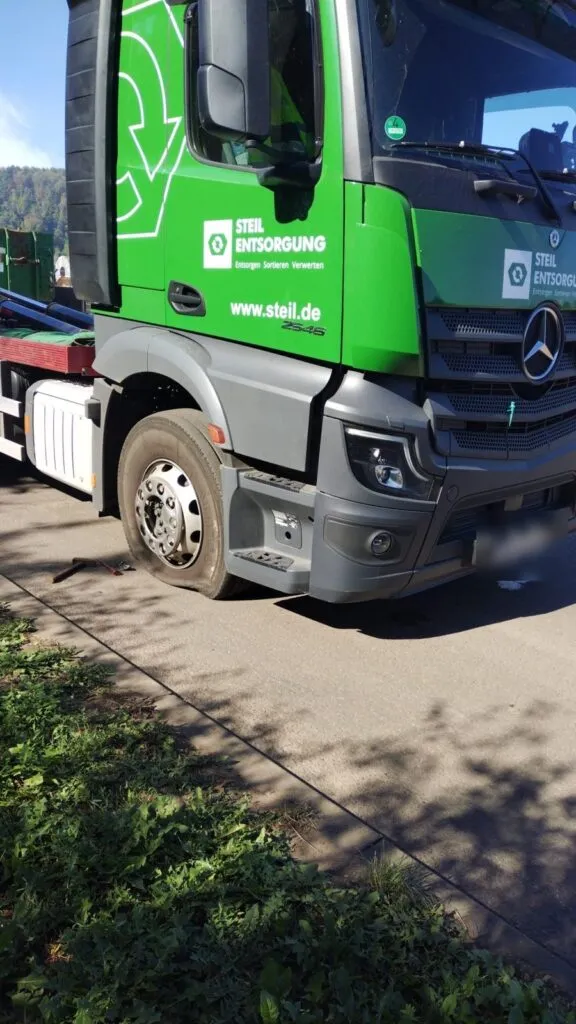
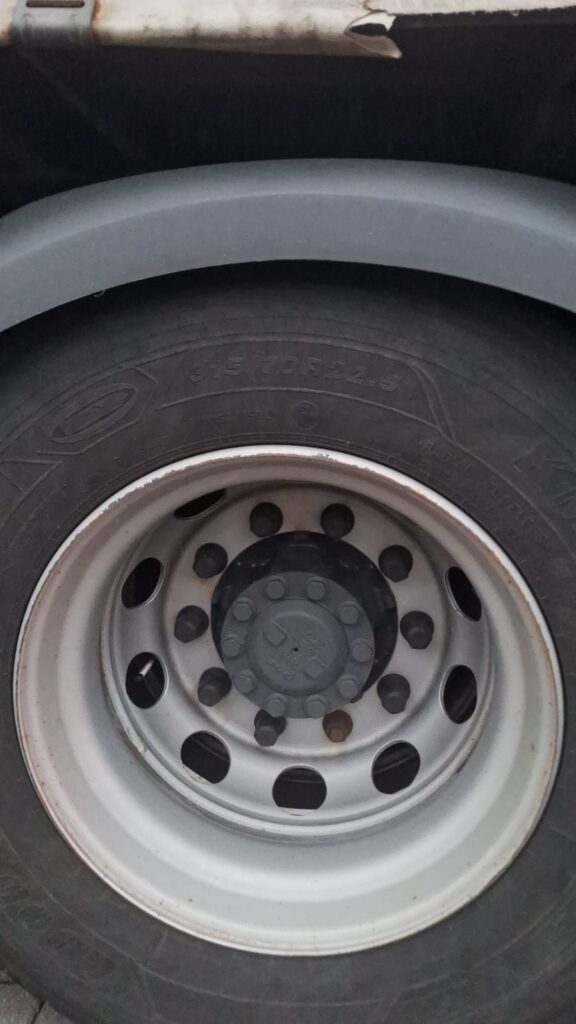
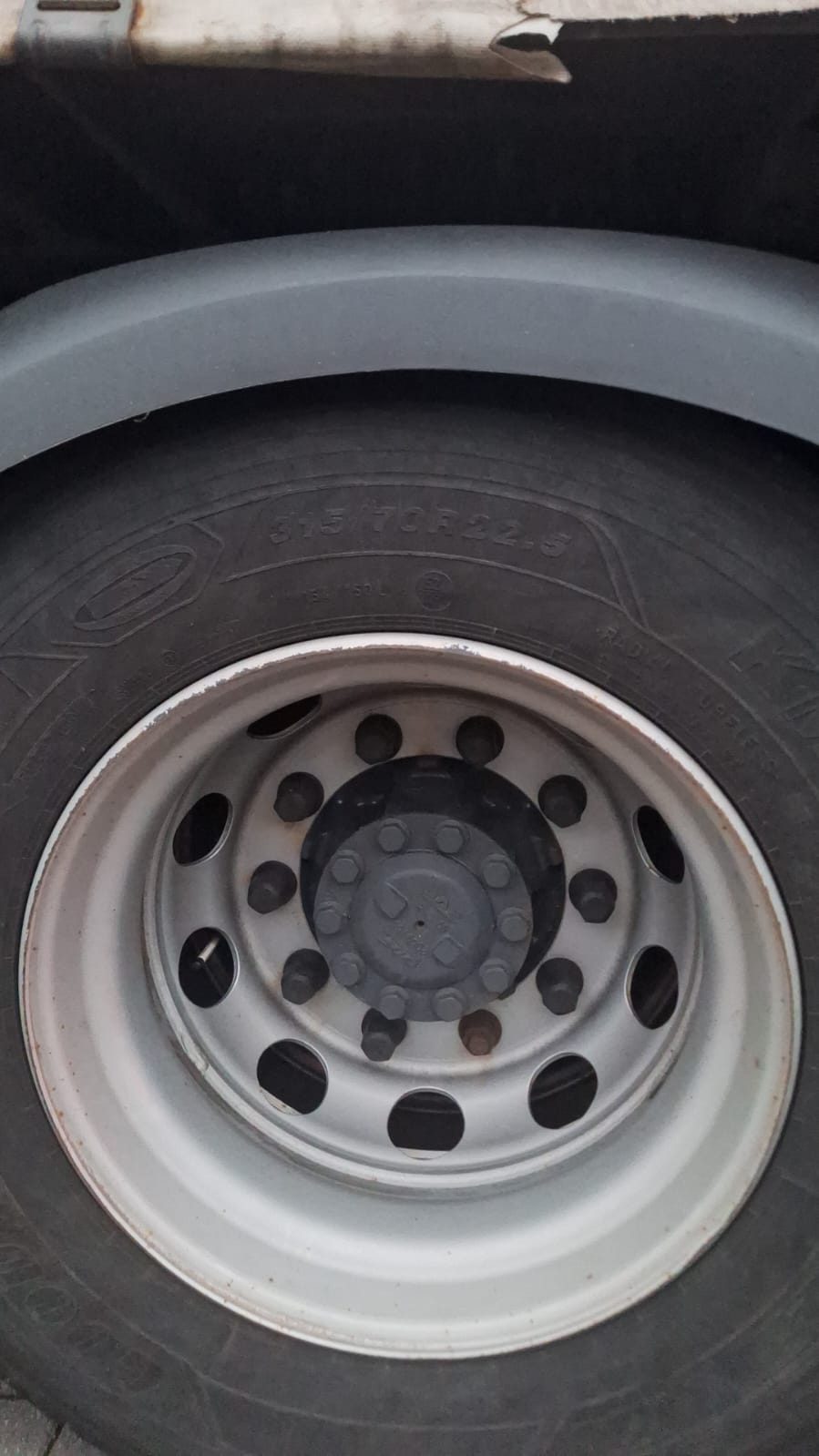
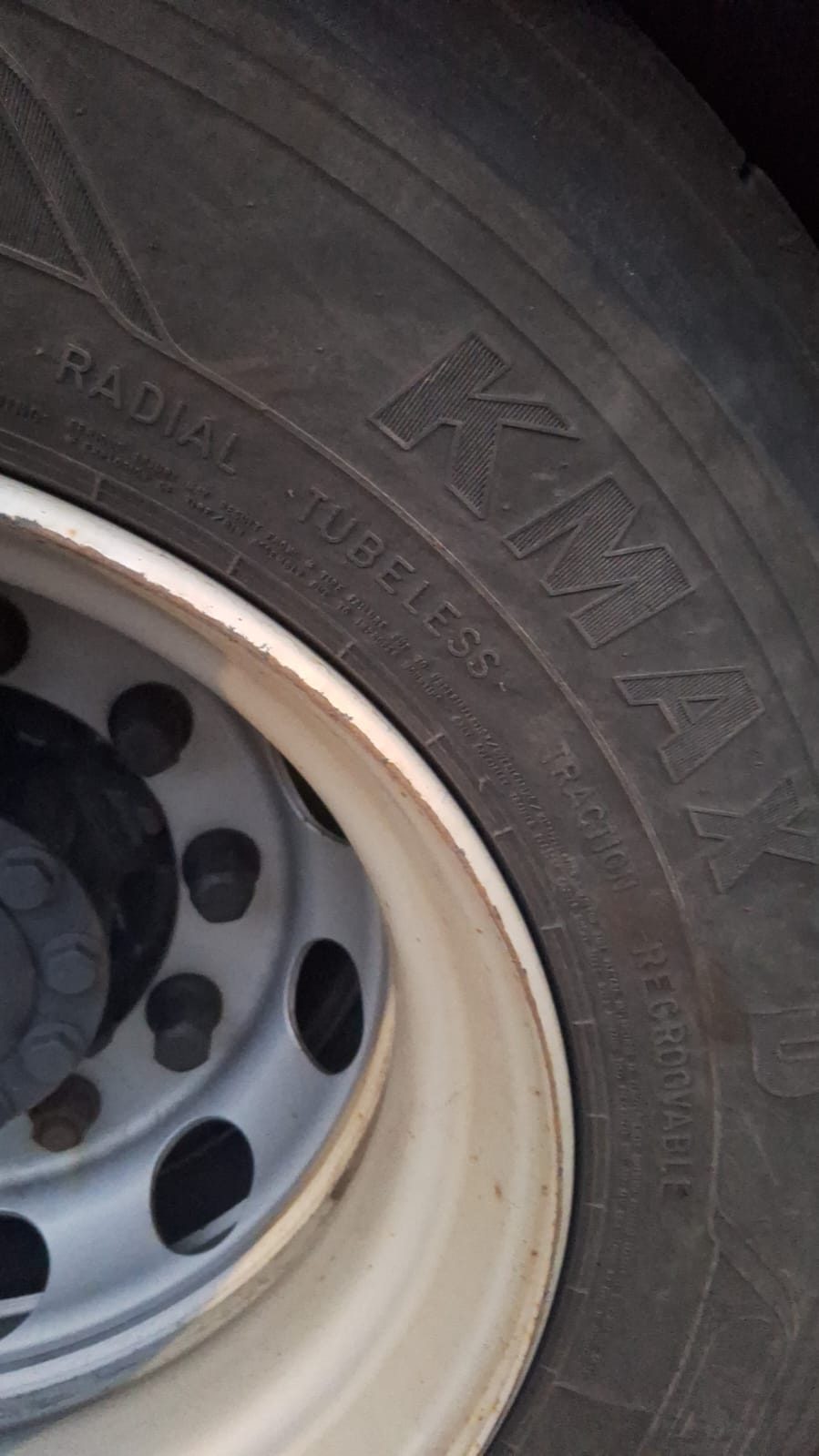
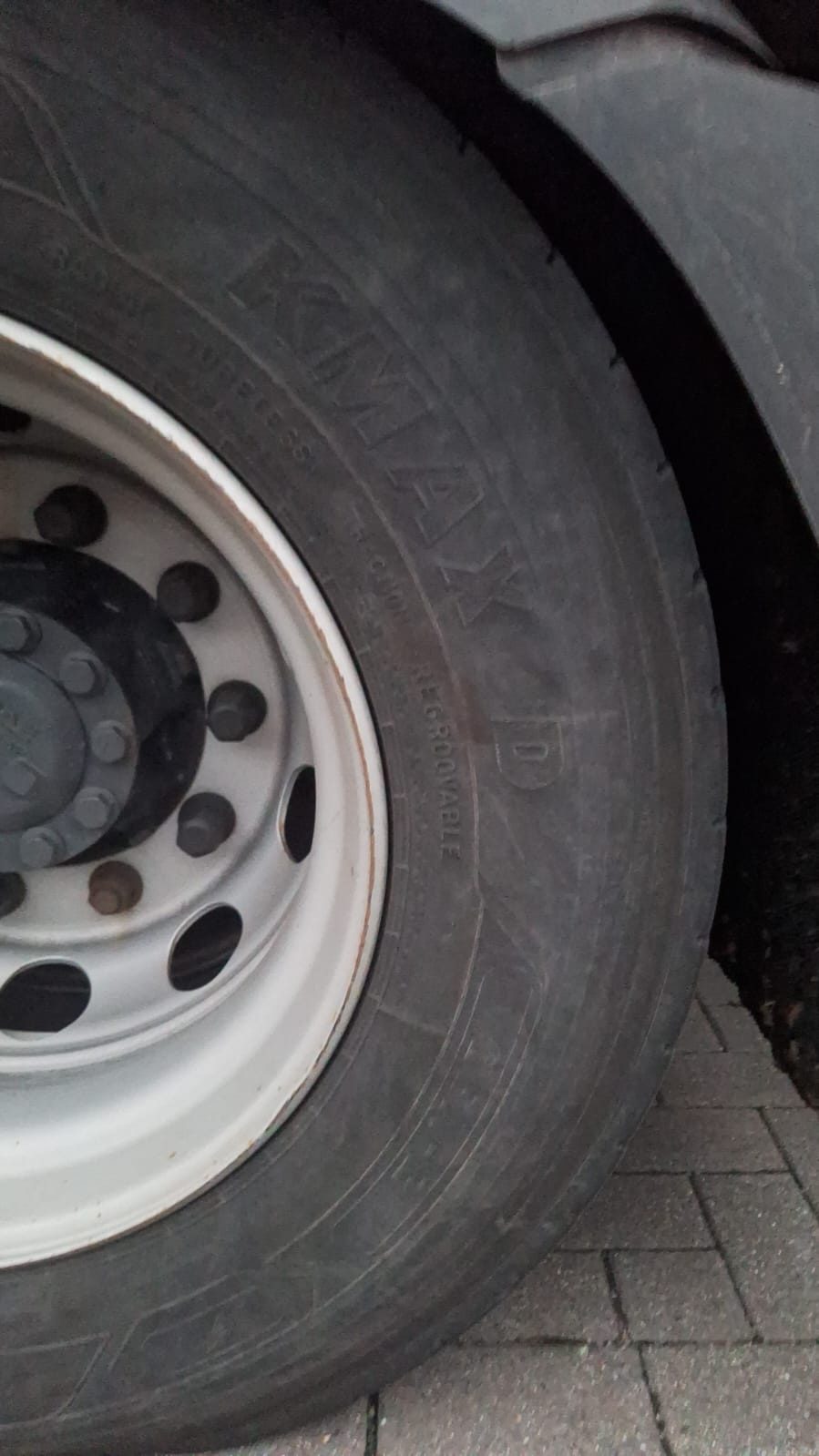
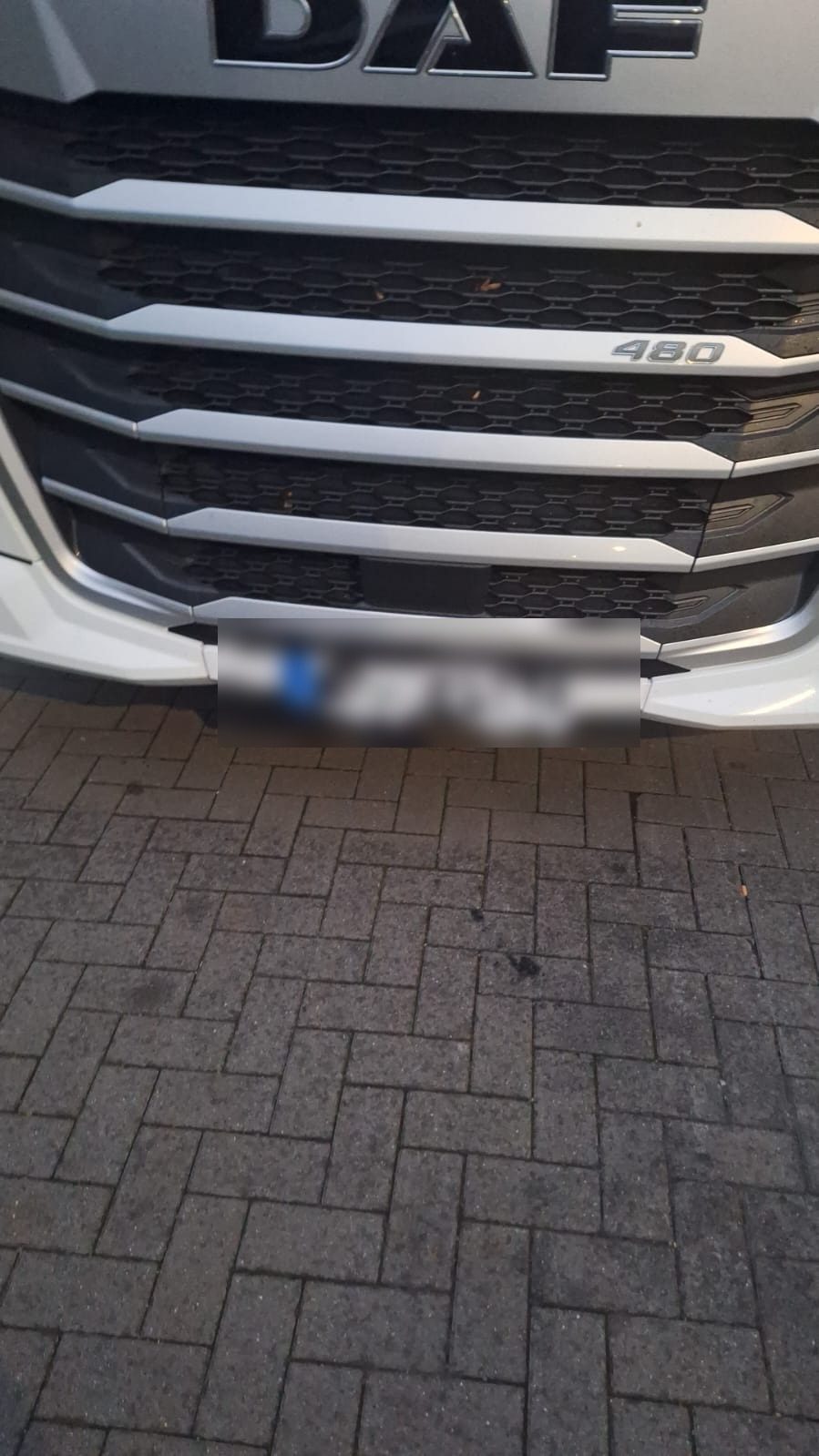
The incident occurred on the evening of 17 September 2026, around 18:05, at a commercial yard adjacent to the A7 in Kassel, Nordhessen. The vehicle involved was a DAF tractor unit with a powerful 480 PS engine, identifiable by its distinctive front grille with silver trim and the “480” badge on the bumper. The specific component in question was the drive-axle tyre, a 315/70 R22.5 size, mounted on a steel disc (Felge) with ten wheel nuts (Radmuttern) and a sealed hub cap (Nabenkappe). The tyre was a Goodyear KMAX D, a high-performance, tubeless, regroovable model designed for heavy-duty long-haul transport.
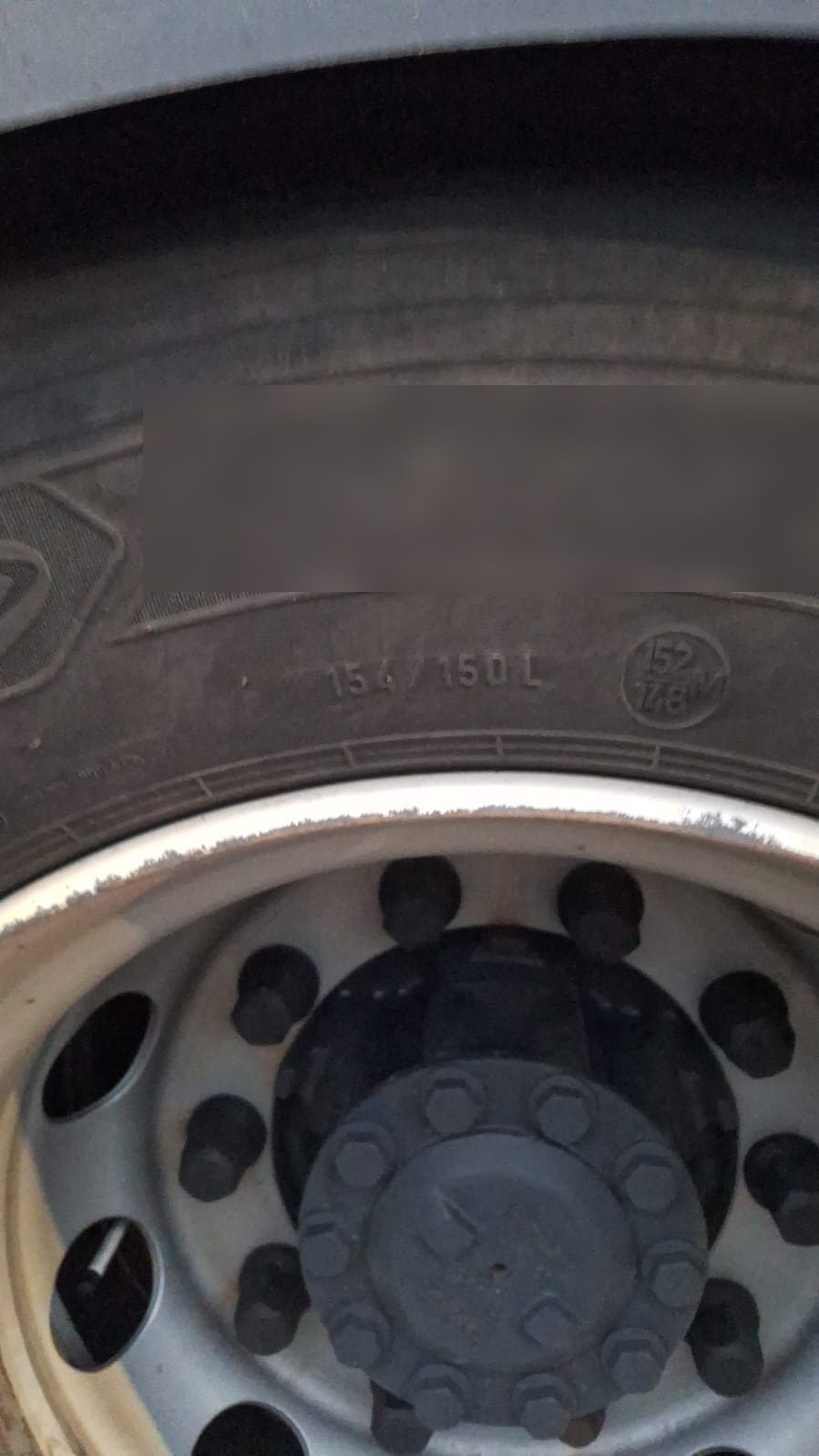
Although there was no visible puncture, blowout, or structural damage on the tyre’s sidewall or tread, the driver had already determined that continuing further was unsafe. The tyre had reached the end of its service life. The tread depth was below the legal minimum of 1.6 mm as required under § 36 StVZO, and the casing showed signs of wear and micro-cracking, especially near the shoulder. The tyre was also rated at load index 154/150 L, meaning it could carry up to 1,540 kg per tyre (single) or 1,500 kg (dual) at speeds up to 210 km/h, a high threshold, but one that can’t compensate for excessive wear.
In practical terms, a worn drive-axle tyre reduces traction, increases stopping distance, and raises the risk of hydroplaning in wet conditions. On a high-powered vehicle like this DAF, uneven power delivery due to a weak tyre can cause drivetrain stress, leading to premature wear on differentials, axles, and even the engine. The risk of a sudden failure during acceleration or braking is significantly higher. That’s why the decision to stop was not only correct but necessary. Continuing could have led to a catastrophic accident or a full axle failure, resulting in far greater repair costs and potential liability.
How We Organised the Emergency Response
When the driver contacted LKWHelp24 at 18:05, our multilingual dispatch team immediately began processing the request. The call was logged with full details: location (Kassel, industrial area near A7), vehicle type (DAF tractor unit), axle type (drive axle), tyre size (315/70 R22.5), and the nature of the issue (tyre worn beyond safe limits). Within 15 minutes, the system had identified and dispatched the nearest available mobile tyre service crew from our partner network in the Kassel region.
Our dispatch logic prioritises three factors: proximity, availability of the correct tyre size, and technician qualification. In this case, a mobile team was already within a 40-kilometre radius, equipped with a full-service kit including a hydraulic jack, torque wrench, tyre changer, rim straightener, spare tyres, and a portable air compressor. They also carried a new Goodyear KMAX D 315/70 R22.5 tyre in stock, a critical factor in reducing response time.
The team confirmed their arrival window and received real-time updates via our internal tracking system. They were instructed to bring a new valve (Klappen) and cleaning materials for the rim. The price was pre-agreed with the client, no surprises. The evening surcharge (€60) was applied due to the time of day (after 18:00), but this was clearly communicated upfront. All costs were transparent, with no hidden fees.
This level of coordination is possible only through a verified, nationwide network of partner technicians. Unlike large national companies with fixed depots, LKWHelp24 operates on a decentralised model, ensuring faster response times across Germany. The entire dispatch process, from call to confirmation, took just 15 minutes, setting the stage for a swift on-site resolution.
On-Site Conditions: Why This Was Not a Simple Fix
The vehicle was parked on a paved industrial yard with cobblestone paving (Klinkerplatten), not on the motorway or shoulder. The surface was dry, but the ground was uneven in places, which affected stability during the work. The area was dimly lit, with only a single overhead lamp providing weak illumination. Visibility was limited, especially in the rear of the vehicle.
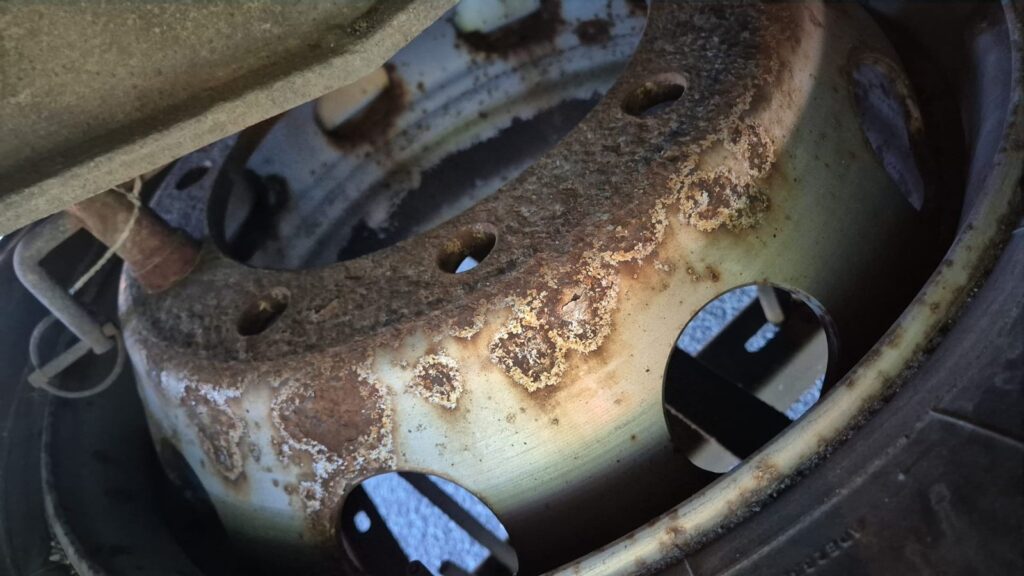
Despite the lack of immediate danger, the environment posed several challenges. First, the steel wheel disc (Felge) showed signs of light rust and paint flaking, particularly on the bead seat area. This required careful cleaning before mounting the new tyre to ensure a proper seal. Second, the hub cap (Nabenkappe) had to be removed to access the hub, and the hub bolts needed to be inspected for tightness and wear. Third, the drive axle was under load, meaning the wheel had to be lifted using a hydraulic jack with a support block (Kolbenstutzen) to prevent any movement during the work.
The technician began by placing warning triangles (Warndreieck) and high-visibility vests (Warnweste) around the vehicle to comply with § 15 StVO requirements. The lorry was then secured with wheel chocks. The tyre pressure was checked before disassembly, it read 8.8 bar, which is within the standard range for this size (8.5–9.0 bar), but not enough to justify driving further. The pressure was stable, ruling out a slow leak, but the wear pattern confirmed the tyre was no longer fit for service.
This situation highlights a key point: a tyre can be properly inflated but still unsafe due to wear or structural fatigue. The absence of a puncture does not mean the tyre is safe. That’s why professional inspection is non-negotiable.
Step-by-Step Tyre Replacement Process
The repair was carried out in five clear, documented steps, following industry best practices and manufacturer guidelines.
Step 1: Inspection and Preparation (10 minutes)
The technician began by conducting a full visual and tactile inspection of the tyre, rim, hub, and wheel nuts. The tread depth was measured using a tread depth gauge. The average reading was 1.1 mm, well below the legal minimum of 1.6 mm. The sidewall showed micro-cracks near the shoulder, a sign of age and stress. The rim’s bead seat was cleaned with a wire brush and degreaser to remove rust and debris. The hub cap was removed, and the hub bolts were checked for tightness using a torque wrench.
Step 2: Demounting the Old Tyre (20 minutes)
Using a hydraulic tyre changer, the technician carefully removed the wheel from the axle. The ten wheel nuts were loosened in a star pattern to prevent warping. The wheel was lifted with a hydraulic jack and supported with a safety stand. The old tyre was then deflated and removed from the rim. The rim was inspected for dents, cracks, or corrosion, especially around the bead seat. No major damage was found, but the surface was cleaned again to ensure a perfect seal with the new tyre.
Step 3: Mounting the New Tyre (15 minutes)
The new Goodyear KMAX D 315/70 R22.5 tyre was inspected for defects. The tubeless design (Tubeless) and regroovable (Regroovable) marking were confirmed. The tyre was placed on the rim, and the valve (Klappen) was inserted. The technician used a tyre lubricant to ease the bead into place. The tyre was then partially inflated to 1 bar to shape it correctly before full inflation.
Step 4: Final Installation and Torque Check (10 minutes)
The wheel was reinstalled on the axle. The ten wheel nuts were tightened in a star pattern using a digital torque wrench, with a final torque of 400 Nm, the manufacturer’s recommended value. This ensures even load distribution and prevents future loosening. The tyre was then inflated to the correct working pressure of 8.5–9.0 bar, verified with a calibrated pressure gauge. The technician performed a visual inspection of the bead seal and a leak test by applying soapy water to the valve and rim.
Step 5: Final Documentation and Photo Proof (3 minutes)
A final check was conducted. The tyre was rotated manually to confirm smoothness. The vehicle was jacked up slightly to ensure the wheel turns freely. Photos were taken at 19:53–19:56 to document the completed work. The file was uploaded to the client’s account for transparency. The job was complete.
Full Timeline: From Call to Vehicle Back on the Road
| Time | Phase | Action |
|---|---|---|
| 18:05 | Call Received | Driver reports worn drive-axle tyre on DAF tractor unit, unable to continue. Location: Kassel, industrial yard near A7. |
| 18:05–18:20 | Dispatch & Coordination | 15-minute internal process: team selection, tyre availability check, price confirmation, evening surcharge applied. |
| 18:20–19:05 | On the Road | 45-minute journey to site. Vehicle equipped with full mobile tyre service kit, including new Goodyear KMAX D tyre. |
| 19:05–19:15 | Site Setup & Inspection | 10 minutes: warning triangles placed, vehicle secured, tyre, rim, hub, and bolts inspected. Pressure checked: 8.8 bar. |
| 19:15–19:35 | Demounting | 20 minutes: wheel removed, old tyre detached, rim cleaned, no structural damage found. |
| 19:35–19:50 | Mounting | 15 minutes: new tyre installed, valve fitted, partial inflation for shaping. |
| 19:50–20:00 | Final Installation & Verification | 10 minutes: wheel reinstalled, nuts tightened in star pattern (400 Nm), pressure set to 8.8 bar, leak test performed. |
| 20:00 | Job Complete | Final photos taken (19:53–19:56), report uploaded. Vehicle cleared for travel. |
Total time from call to completion: 115 minutes (1 hour 55 minutes). This includes travel, preparation, and all work phases. The speed of response was made possible by a combination of local presence, pre-stocked tyres, and efficient dispatch.
Cost Breakdown: Transparent Pricing, No Hidden Fees
| Position | Price (EUR) |
|---|---|
| Service call & arrival (evening) | 240 |
| New Goodyear KMAX D tyre 315/70 R22.5 | 540 |
| Labour: 1.5 hours × €110/hour | 165 |
| New valve and minor materials | 25 |
| Old tyre disposal (recycling) | 20 |
| Evening surcharge (after 18:00) | 60 |
| Total (net) | 1,050 |
All prices are net (excluding VAT). The total brutto amount (including 19% VAT) would be €1,249.50, but this is not charged directly, the client receives a clear, itemised invoice.
For context, the average daily cost of a lorry standstill in Germany ranges from €800 to €1,200, depending on the vehicle, cargo, and contract. In this case, the mobile tyre service cost €1,050, but it saved the operator over 24 hours of downtime. Even if the lorry had been towed to a workshop, the combined cost of towing (€850–1,600), repair, and lost time would have exceeded €2,000.
This demonstrates a key advantage of on-site mobile services: they eliminate the need for towing, reduce downtime, and avoid secondary damage. A tyre change on the road is not just faster, it’s smarter.
Why You Should Never Attempt a DIY Tyre Change on a Lorry
Attempting to replace a heavy-duty tyre without proper tools and training is dangerous and often counterproductive. Here’s why:
- Improper torque leads to wheel failure, under-tightened nuts can come loose while driving, causing the wheel to fall off.
- Wrong pressure settings, over-inflation or under-inflation affects handling, fuel efficiency, and safety.
- Damage to the rim or hub, using the wrong tools can warp the disc, leading to leaks or imbalance.
- No legal compliance, a poorly mounted tyre may fail inspection during a roadside check.
- Increased risk of injury, working on a 1,000 kg wheel requires strength, technique, and safety protocols.
- Secondary damage, if the rim is bent or the hub is damaged, repairs cost far more than a professional service.
Only trained technicians with certified tools should handle lorry tyres. The star-pattern tightening with a torque wrench is not optional, it’s mandatory for safety.
Common Scenarios We Respond To Across Germany
Our mobile tyre service handles a wide range of emergencies, including:
- Tyre blowouts on motorways (Autobahn) – especially on drive and steering axles.
- Worn or damaged tyres in depots, distribution centres, or loading yards.
- Double tyre failures on trailers or car carriers.
- Rim damage from potholes or curbs.
- Tread separation or casing cracks.
- Valve leaks or bead leaks after a puncture.
- Tyres with low load index used on high-load axles, a common cause of blowouts.
We operate 24/7, 365 days a year, covering all federal states. Whether it’s a DAF, Scania, Volvo, MAN, or Iveco, our technicians are trained to handle all major brands and models.
Proactive Maintenance Tips for Drivers and Fleets
To avoid breakdowns like this one, follow these best practices:
- Check tyre pressure weekly, especially before long hauls. Use a calibrated gauge.
- Inspect tread depth every 1,000 km, use a tread depth gauge.
- Avoid overloading, check the load index (Tragfähigkeitsindex) and speed rating.
- Rotate tyres every 20,000 km to ensure even wear.
- Clean rims regularly, remove brake dust and road salt.
- Use tyres suitable for the load and axle, never mix load indices.
- Monitor for vibrations or pulling, these are early signs of imbalance or wear.
Regular maintenance can extend tyre life by 20–30% and reduce the risk of breakdowns by up to 70%.
The Science Behind Heavy-Duty Tyres: Brands, Standards, and Safety
The Goodyear KMAX D used in this case is a premium regroovable tyre designed for long-haul freight. It features a reinforced casing (Karkasse) and deep tread pattern for excellent grip and durability. The tubeless design (Tubeless) reduces the risk of air loss and improves heat dissipation. The regroovable (Regroovable) feature allows the tyre to be re-grooved when the tread reaches 2 mm depth, extending its life.
For reference, the ETRTO (European Tyre and Rim Technical Organisation) sets international standards for tyre dimensions. The 315/70 R22.5 size is standard for many European lorry drive axles. Always verify your tyre size matches the manufacturer’s specifications.
Other top brands include Michelin X One, Continental ContiTrail, Bridgestone BDR, and BFGoodrich Traction, all offering high performance, longevity, and safety.
Why Choose LKWHelp24?
- 24/7 availability, we respond even at night or during holidays.
- Nationwide network, our partner technicians are located in every region.
- Transparent pricing, no hidden costs, no surprise invoices.
- Professional tools and training, every technician is certified and equipped.
- Multilingual dispatch, support in German, English, Polish, and Russian.
- Fast response times, average 1 hour 30 minutes from call to arrival.
- Full documentation, photos, reports, and digital proof of work.
We’re not just a service, we’re a safety net for the transport industry.
Summary: Key Facts from This Case
- Vehicle: DAF tractor unit (480 PS)
- Location: Industrial yard near Kassel, Nordhessen
- Tyre size: 315/70 R22.5
- Tyre type: Goodyear KMAX D, tubeless, regroovable
- Axle: Drive axle (Antriebsachse)
- Problem: Worn tyre below legal tread depth (1.1 mm)
- Response time: 1 hour 55 minutes
- Total cost: €1,050 (net)
- Secondary damage avoided: Yes
- Standstill cost saved: Over €800
Need Emergency Tyre Service? Call Us Now
If your lorry breaks down, don’t wait. Call LKWHelp24 immediately, we’re here to help, 24/7, across Germany.
📞 +49 160 5753826
🌐 www.lkwhelp24.com
✅ 24/7 | ✅ Mobile Service | ✅ Transparent Pricing
Keywords: truck tyre service | mobile reifenservice | truck tyre replacement | truck tyre change | truck tyre roadside assistance | truck tyre repair | mobile truck tyre service | truck tyre germany | truck tyre emergency | truck tyre breakdown service
Related Articles
- Truck Breakdown Assistance on the A6 near Amberg: DAF Overheating and Tyre Damage Fixed On-Site in 1 Hour 40 Minutes
- Truck Tire Service Near Me: Double Tyre Blowout on Car Transporter – Volvo FH 460 Carrying New Cars Back on the Road in 2.5 Hours in Cottbus (03046)
- Truck Tyre Service Cottbus (03046): Double Tyre Blowout on Car Transporter – Volvo FH 460 with New Vehicles Back on the Road in 2.5 Hours
- Truck Tire Change Cost: What a New Tire Really Costs
- Truck Tyre Service Near Me: Professional Recovery of a 40-Tonner After a Blowout on Soft Terrain in Landsberg am Lech