Skip to content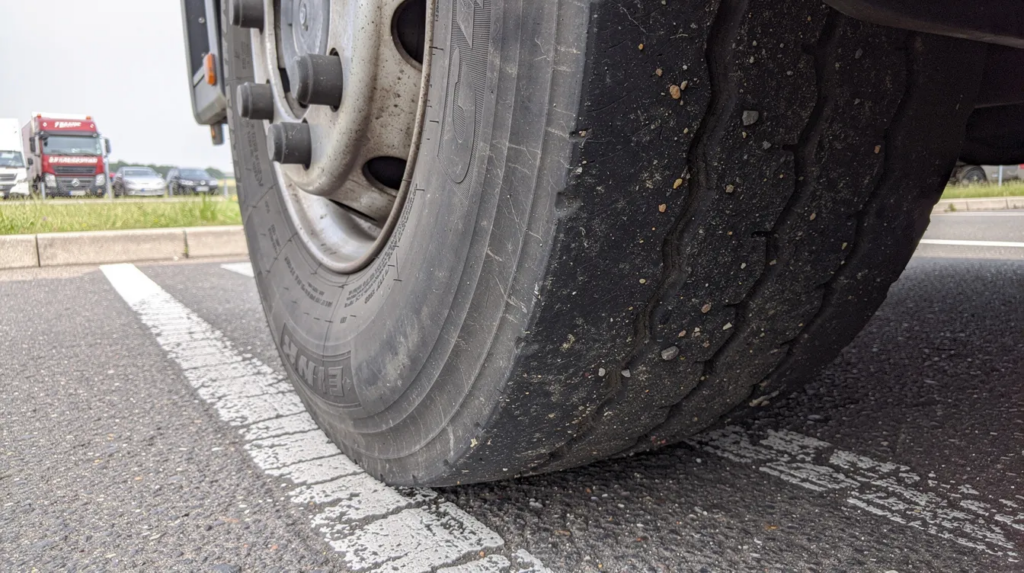
What does XL mean on a tyre? XL stands for Extra Load and marks tyres built for a higher load capacity. This guide explains what that means in practice for trucks, trailers and heavy commercial vehicles over 7.5 t — and what to do if you get a flat on the motorway.
Key Takeaways
The XL marking shows up on plenty of tyres. Here’s what matters:
- XL stands for “Extra Load” and means higher load capacity. XL tyres carry more weight than a standard tyre of the same size.
- Reinforced tyres have a tougher build with extra carcass plies. They’re designed for high axle loads and continuous heavy-duty use.
- On heavy trucks over 7.5 t, you rarely see “XL” printed on the sidewall — instead, manufacturers work with the load index and the term “Reinforced”. The function is the same.
- This article focuses on trucks, trailers and buses over 7.5 t.
- If you have a tyre blowout in Germany, Lkwhelp24 typically arranges roadside help within 30–60 minutes — 24 hours a day, 7 days a week, anywhere in the country.
What does XL mean on a tyre exactly? (Extra Load definition)
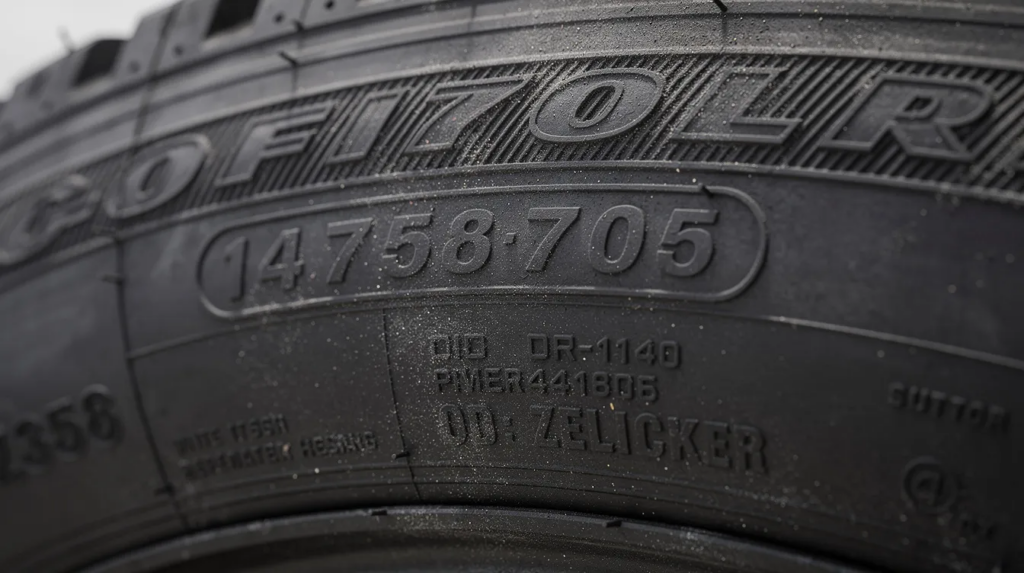
The letters “XL” on a tyre sidewall stand for “Extra Load”. This marking shows that the tyre is built to handle higher loads and pressures than a standard tyre of the same size. XL isn’t a separate tyre size — it’s a load-capacity rating.
- XL stands for “Extra Load” and means higher load capacity. XL tyres carry more weight than a standard tyre of the same dimensions.
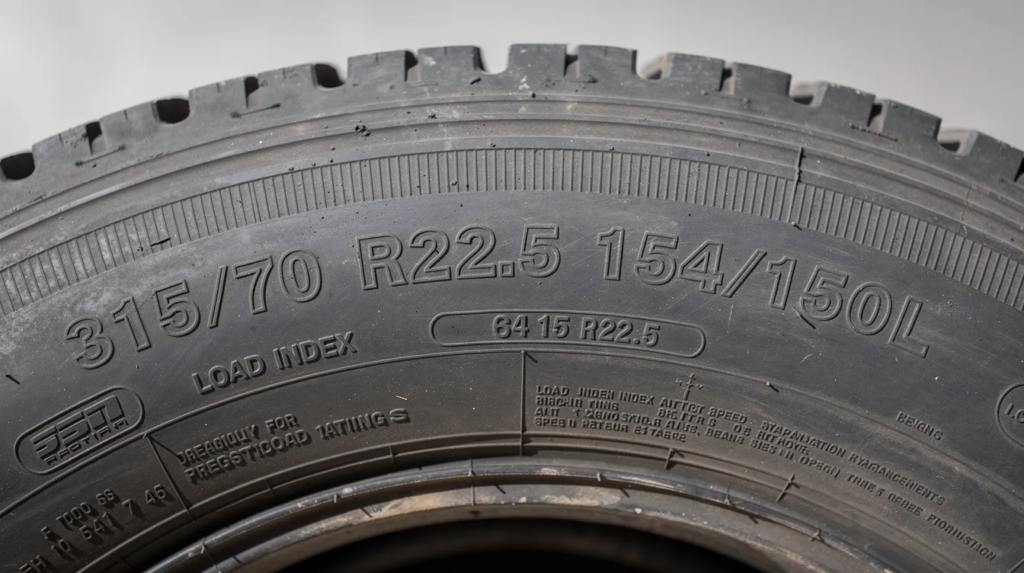
- On the sidewall, you’ll see it written as, for example, “385/65 R22.5 160K XL” or “215/75 R17.5 135/133J XL”. These figures give the tyre size, load index, speed rating and the XL suffix.
- The XL marking is common on car tyres. As an example: a 205/55 R16 XL tyre has a load capacity of 670 kg. On heavy trucks over 7.5 t, though, the industry talks more about the load index and the “Reinforced” designation.
- Important: XL isn’t a separate tyre size. Width, rim diameter and aspect ratio stay the same. What changes is the internal structure — a stronger carcass, thicker sidewalls.
The difference between standard and reinforced (XL) tyres
Standard and reinforced tyres often look identical from the outside. The difference is inside — in the maximum load they’re rated to carry.
- Standard tyres are built for typical axle loads. They’re fine for vehicles that don’t run at their weight limit constantly.
- Reinforced tyres have a tougher carcass, stronger sidewalls and often a higher permitted inflation pressure. XL tyres carry more than standard tyres.
- A concrete example for 22.5-inch truck tyres: a tyre with load index 154 carries around 3,750 kg per wheel. A tyre with load index 160 carries around 4,500 kg. That’s roughly 750 kg of difference per tyre.
- If a tyre doesn’t meet the required load capacity, the vehicle’s road certification is at risk. There’s also a higher risk of overheating and tyre failure. In the worst case, insurance cover after an accident could be affected.
How are XL and reinforced tyres built?
The internal construction is why reinforced tyres can carry more. Here’s a plain-English breakdown of the main structural elements:
- Carcass: the tyre’s load-bearing frame, made of several fabric or steel-cord plies. XL tyres have a reinforced carcass for extra durability — more or denser plies make the tyre stronger.
- Belts (breaker plies): sit between the tread and the carcass. They stabilise the tread and stop the tyre deforming under load. On reinforced tyres, these belts are built stronger.
- Sidewall: protects the carcass from the outside. On XL tyres, sidewalls are thicker and firmer. That reduces flex and gives better protection against kerb strikes and potholes.
More material and a stiffer build allow for higher pressures and loads. XL tyres need higher inflation pressure to reach their full load rating — without the correct pressure, the reinforced construction offers no advantage.
On truck tyres from 17.5 inches upward, carcass quality is decisive. It determines mileage on long-haul routes and suitability for later retreading.
XL tyres, reinforced tyres and load index — how do they relate?
The load index (also called the load rating) is a number on the tyre sidewall. It tells you the maximum weight a tyre is rated to carry.
- Example: a truck tyre with load index 160 can carry around 4,500 kg. A tyre with load index 154 carries around 3,750 kg. Exact figures are found in load index tables.
- The load rating of XL tyres is higher than that of comparable standard tyres in the same size. In practice, XL tyres mean more reserve capacity for high axle loads.
- Hauliers and fleet operators must always meet at least the load index specified in the vehicle registration document or CoC (Certificate of Conformity) when buying or fitting tyres. A higher load index is permitted and adds a safety margin.
- In a breakdown, Lkwhelp24 always arranges a tyre with a matching or higher load index. The technician on site checks the sidewall markings and fits the tyre that matches your vehicle.
Advantages of XL and reinforced tyres for commercial vehicles
Why use reinforced tyres at all? Because vehicles over 7.5 t often run their axles at the load limit continuously. Here are the concrete benefits:
- Higher load capacity: XL tyres carry more than standard tyres. They’re built for axles under sustained heavy load — for example, drive axles on 40-tonners or steer axles carrying front-mounted equipment.
- Better stability: an XL tyre stays more stable under heavy load. Cornering behaviour at full payload and high motorway speeds improves. XL tyres offer better stability under heavy loads.
- Less flex: the stiffer construction means the tyre deforms less. That reduces heat build-up and lowers the risk of heat damage when tyre pressure is correct.
- Better protection: XL tyres are better shielded against mechanical damage. Thicker sidewalls and stronger belts help on poor roads and with frequent kerb contact on international long-haul routes.
- Longer service life: XL tyres often outlast standard tyres. Used correctly and kept at the right pressure, reinforced tyres achieve higher mileage.
Drawbacks and limits of XL and reinforced tyres
Reinforced tyres have their limits too. Here’s an honest list of the downsides:
- More weight: reinforced tyres weigh more than equivalent standard tyres. That can slightly increase rolling resistance and, with it, diesel consumption — especially with multiple axles or twin-tyre setups.
- Higher cost: buying reinforced tyres costs more than standard tyres of the same size. The extra cost needs to be weighed against the longer service life.
- Firmer ride: the stiffer construction can slightly affect comfort and noise levels. This matters most on buses in scheduled service, where passengers notice the difference.
- No protection against wrong pressure: if inflation pressure is off, the XL construction offers no safety benefit. Overloading and incorrect tyre pressure remain dangerous regardless of tyre type.
Reinforced (XL) tyres versus run-flat tyres
XL tyres and run-flat tyres are not the same thing. This mix-up happens often, so here’s a clear distinction.
- XL tyres offer reinforced load capacity — but after a complete loss of air, they can’t be driven on. An XL tyre is not a run-flat tyre.
- Run-flat tyres have special support or reinforced sidewall inserts. These allow limited continued driving after a pressure loss, typically at reduced speed (e.g. 80 km/h) over a limited distance.
- In the heavy truck sector, run-flat tyres play essentially no role. The vehicles’ weight, the number of axles and regulatory requirements make them impractical. Run-flat tyres are far more common on cars and light commercial vehicles.
- Bottom line: after a blowout on a truck fitted with XL tyres, the tyre needs to be replaced. Continuing to drive is dangerous and not permitted.
Which vehicles and applications call for XL / reinforced tyres?
The right choice always depends on the vehicle manufacturer’s specifications and the intended use. Check the vehicle handbook before changing tyre type.
- Tractor units over 7.5 t, 40-tonners, mega trailers: XL tyres are commonly used on vehicles carrying heavier payloads. Anyone running regularly at the weight limit needs reinforced tyres.
- Construction site vehicles: tippers, vehicles with cranes or flatbeds — reinforced tyres on the steer axle are often mandatory when heavy front-mounted equipment is fitted.
- Buses in scheduled and coach service: minibuses also need XL tyres for higher load ratings. Fully loaded with luggage and on long routes, the extra load capacity is part of the safety margin.
- International long-haul: sustained load, often maximum payload, changing road conditions — this is where higher stability and tougher sidewalls pay off.
- On the car side: XL tyres suit SUVs and off-road vehicles. High-performance sports cars also frequently use XL tyres because of high speeds and dynamic loads. XL tyres are built for vehicles carrying heavy payloads — vans, SUVs and off-roaders alike.
- Important: XL tyres exist for cars, SUVs and vans up to 3.5 t too, but these fall outside Lkwhelp24’s service area.
Special notes on truck tyres: C-tyres, reinforced tyres and the XL label
In the truck sector, the load index does most of the work. The “XL tyre” label familiar from cars is less commonly used on heavy commercial vehicles.
- C-tyres (Commercial) are designed for light commercial vehicles up to around 3.5 t — vans, delivery trucks, light minibuses. They carry a “C” on the sidewall. Lkwhelp24 works only from 7.5 t upward.
- On genuine truck tyres from 17.5 inches up, what matters most is the load index and speed rating. Some tyre makers, such as Michelin, also use “Reinforced” or “Extra Load” as a sidewall marking.
- Newer developments go beyond the classic version: “Heavy Load” (HL) tyres are designed to cover even higher axle loads — for example, on electric trucks with heavy battery packs.
- Fleet operators always need to check the combination of size, load index and speed rating. All figures must match the vehicle registration document.
- Tip: never switch from C-tyres or standard tyres to reinforced tyres on your own initiative without checking with the vehicle manufacturer or a specialist workshop. The tyre label and registration documents carry the binding information.
How do you spot XL and reinforced tyres in practice?
Everything you need is on the tyre sidewall — you just need to read it correctly.
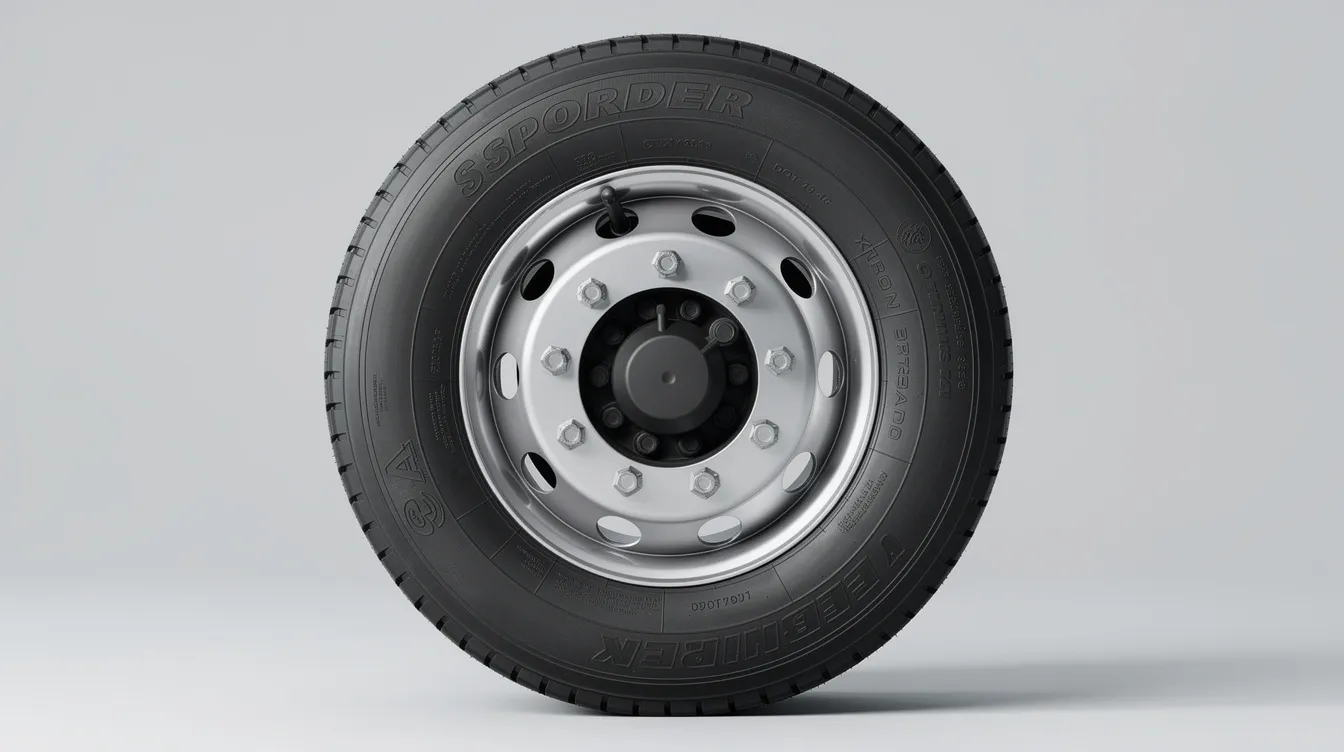
- Tyre code example: “385/65 R22.5 160K” — 385 = width in mm, 65 = aspect ratio, R = radial construction, 22.5 = rim diameter in inches, 160 = load index, K = speed rating.
- On car tyres, you’ll also find the letters “XL”, “EXL” or “Reinforced” on the sidewall. On truck tyres, the high load index is the main marker of a reinforced tyre.
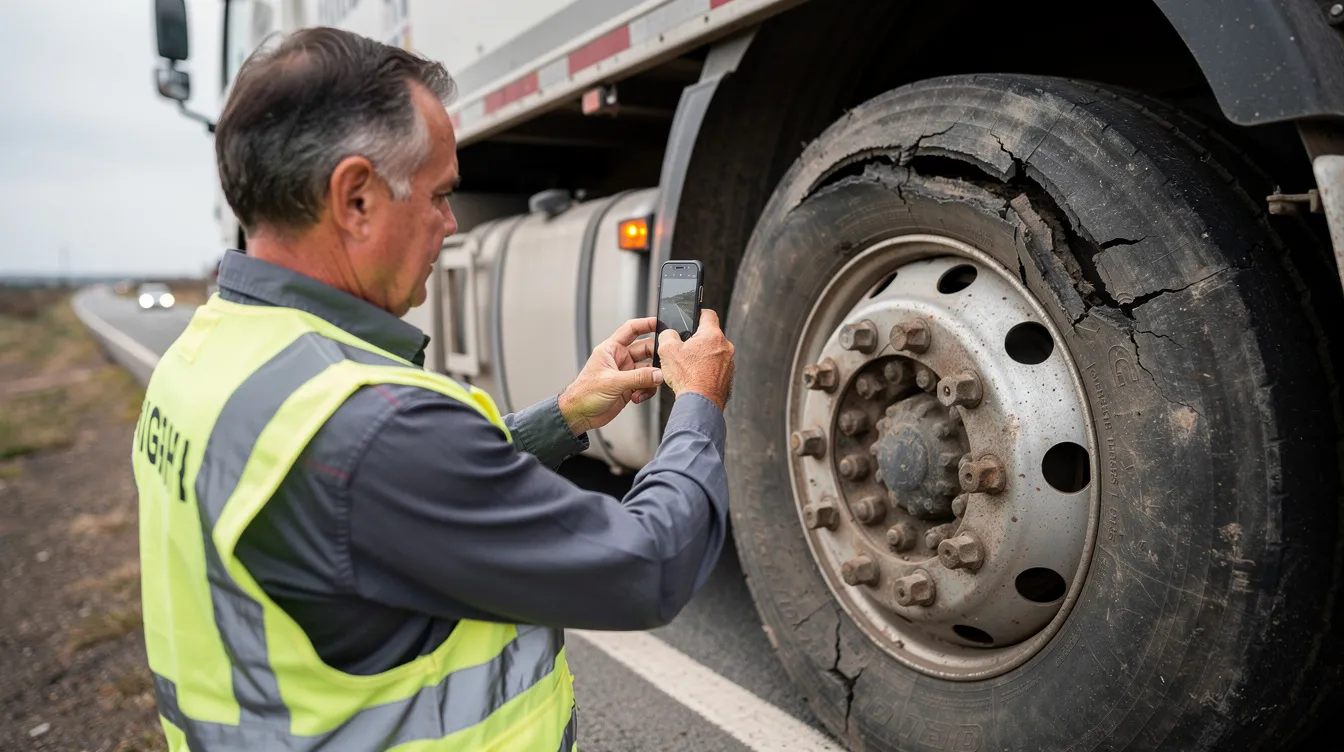
- Tip: before calling roadside assistance, photograph the full code on the sidewall of the damaged tyre. Width, size, load index, speed rating and any extra markings like XL — all of it helps.
- Lkwhelp24 reads this information from a WhatsApp photo and sends a service partner with the right replacement tyre.
What types of breakdown services exist for trucks?
When a tyre blows or loses air, you need help fast. There are several types of breakdown services for trucks:
- Motor clubs and manufacturer assistance schemes: these help customers under contract — for example, with new vehicles or service agreements. Availability depends on the contract.
- Independent mobile breakdown and tyre services: regional operators that come to you with their own service vehicle. Not every one carries every tyre size and load index in stock.
- Brokers: services like Lkwhelp24, which coordinate a nationwide network of vetted service partners across Germany. The advantage: you find the right provider quickly, with the correct tyre size and load capacity — especially at night or on weekends, when many local operators are closed.
Truck tyre breakdown (including XL / reinforced tyres) on the motorway — what to do?
A tyre blowout at 80–90 km/h on the motorway is a stressful situation — traffic, time pressure, unfamiliar territory. Here are the key steps:
- Get to a safe spot. Hard shoulder, emergency bay or car park. Switch on your hazard lights immediately.
- Put on a hi-vis vest. Get the driver and any passengers behind the crash barrier. Keep clear of the vehicle.
- Set up a warning triangle. On the motorway, place it 150–400 m behind the vehicle. Follow the specific rules for Germany.
- Identify your location. Motorway number, direction of travel, nearest exit, kilometre marker. Best option: use GPS coordinates from your phone.
- Call roadside assistance. Send your location and photos via WhatsApp — this speeds up the response considerably.
For more on staying safe when broken down, see What to watch out for when towing a vehicle.
What information does roadside assistance need over the phone or via WhatsApp?
Complete information saves time and money. The more precise your details, the faster the right tyre arrives.
- Exact location: motorway or A-road, kilometre marker, direction of travel, nearest car park. Ideally, send GPS coordinates from your phone.
- Vehicle details: registration number, vehicle type (e.g. 40 t articulated lorry, solo truck, bus), gross weight class.
- Tyre details: tyre size, load index, axle (steer, drive or trailer axle), single or twin tyres.
- Damage description and photos: a cut in the sidewall? A blowout with rim damage? Worn-out tread? Send photos via WhatsApp — this helps the dispatcher immediately identify the right tyre type and size.
What determines the cost of a truck tyre breakdown?
The cost of a truck tyre breakdown depends on several factors. Here are the main ones:
Factor | Effect on price |
|---|---|
Time of day | Cheaper in the daytime than at night or on weekends. Lkwhelp24: mobile tyre service from €290 net in the daytime, from €549 net at night/weekends, plus the tyre. |
Distance | Travel time for the service vehicle, traffic, difficult access (e.g. tight construction site areas). |
Tyre price | Dimensions, load rating, brand. In a breakdown, availability counts more than a preferred brand. |
Extra work | Clearing space, complex lifting, rim damage — anything beyond a straightforward tyre change. |
For more on the cost of truck call-outs, see How much does truck towing cost in Germany in 2026.
Lkwhelp24 confirms the fixed price by phone before dispatch — no hidden costs.
How Lkwhelp24 helps with tyre problems and XL tyres in Germany
Lkwhelp24 is a broker for truck roadside assistance across Germany. Through a network of vetted service partners, we arrange mobile tyre service, breakdown assistance and towing — around the clock, 365 days a year.
Important: we serve only trucks and commercial vehicles over 7.5 t, plus buses.
Here’s how it works:
- The driver sends their location and photos of the tyre via WhatsApp to +49 160 575 3826 (German, English, Polish, Russian).
- Lkwhelp24 arranges a vetted mobile tyre service or towing service nearby.
- The response usually takes 30–60 minutes.
- The fixed price for call-out and labour is confirmed by phone before the job starts.
- Payment is possible by cash or card. Transparent pricing, no hidden costs.
In a breakdown, the tyre that’s immediately available in the right size and matching load index gets fitted. Specific brand requests can’t be accommodated in an acute breakdown — a preferred brand is only possible for jobs booked in advance, at an extra cost.
Maintenance tips for XL tyres and reinforced truck tyres
Proper care significantly extends the service life of reinforced tyres. These should be part of every routine:
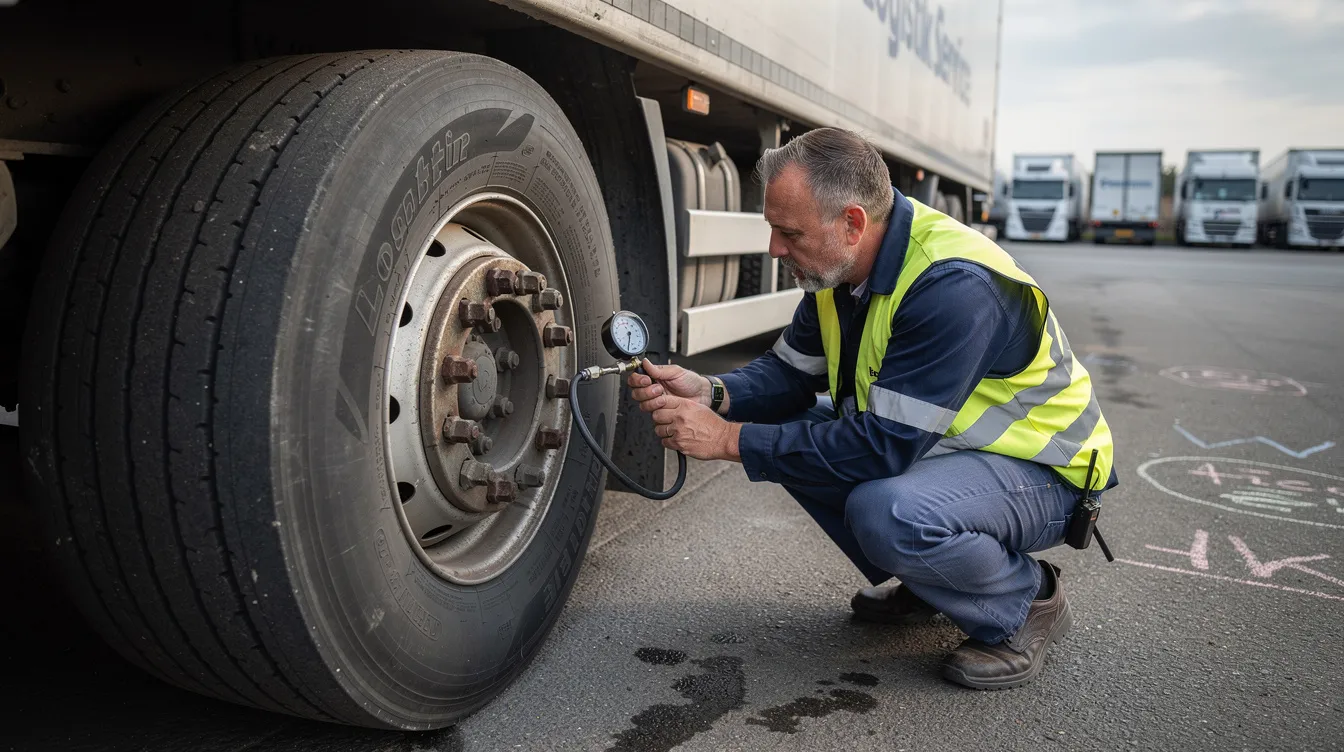
- Pressure checks: check tyre pressure regularly per the manufacturer’s specification, especially before long hauls and with heavy loads. Pressure is the single biggest factor for safety and durability.
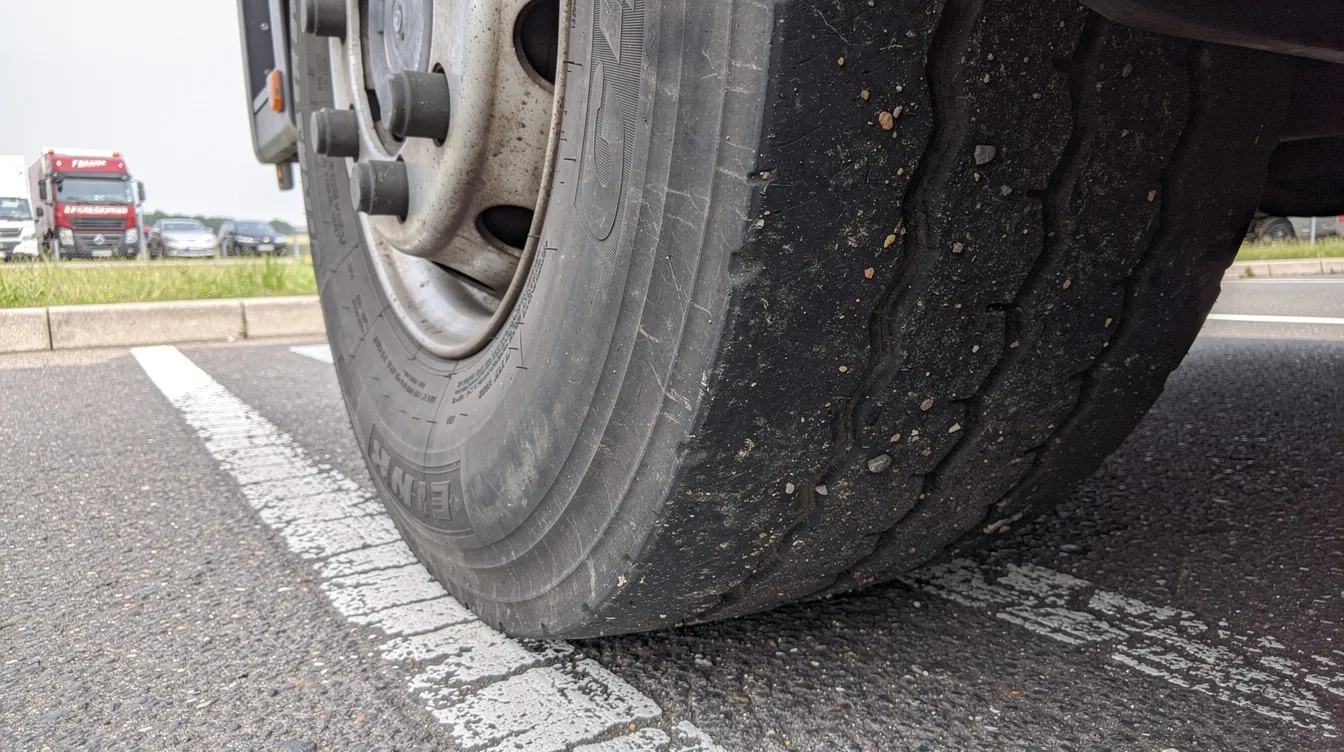
- Visual inspection: at every stop or during loading/unloading, check for cracks, bulges, cuts and uneven wear. Sidewall damage is especially critical.
- Alignment and tracking: have these checked regularly to avoid feathered or one-sided wear. Poor alignment costs mileage and increases diesel consumption.
- Replace in good time: change tyres once the minimum tread depth is reached (1.6 mm by law; in practice, many experts recommend replacing well before that). The last few kilometres before the limit are the most dangerous.
FAQ on XL tyres and truck breakdown service
Do I strictly need XL tyres on my truck, or is a normal load-index tyre enough?
What matters is the specification in the vehicle registration document, the CoC, and, where relevant, the bodybuilder’s requirements. The load index must at least meet the prescribed value. A higher load index is permitted and adds extra margin, but isn’t always necessary. If you’re unsure, ask your tyre specialist or the manufacturer before switching to a different specification. The vehicle handbook has the binding answers for your model.
Can I switch from a standard tyre to a reinforced tyre (higher load index) after a breakdown?
Yes, switching to a tyre with a higher load index is generally permitted, as long as the tyre size and speed rating match. This doesn’t increase the vehicle’s maximum permitted axle load — only the tyre’s safety margin and robustness improve. After the breakdown, check the rest of your tyres and plan to move to a consistent specification per axle in the medium term. That keeps handling even across the vehicle.
Are reinforced or XL tyres noisier and do they use more diesel?
Yes, the extra weight and stiffer carcass can slightly increase rolling resistance, meaning marginally higher consumption. In practice, the extra fuel use is modest and is often offset by better safety and durability. Incorrect tyre pressure increases consumption far more than the difference between a standard and an XL tyre. Road load and handling at correct pressure stay very similar.
How fast can Lkwhelp24 help after a tyre blowout on the motorway?
The response usually takes 30–60 minutes, depending on location, time of day and traffic conditions. Lkwhelp24 operates 24/7, including public holidays, across Germany. A precise location with kilometre marker, direction of travel and GPS coordinates, plus photos of the tyre, speeds up the response. Contact via WhatsApp: +49 160 575 3826.
What if I want a specific tyre brand or a particular XL tyre?
In an acute breakdown, the priority is fitting an immediately available tyre in the correct size and matching load rating. Specific brand requests can usually only be accommodated for jobs booked in advance, at an extra cost. For fleet planning, we recommend discussing preferred brands and profiles with your tyre partner or Lkwhelp24 ahead of time — not while you’re stuck on the motorway after a breakdown has already happened.
Updated: September 2026. This article is for general guidance. For binding questions about your specific vehicle, contact your tyre specialist or the manufacturer.
Lkwhelp24 – Mobile truck tyre service and breakdown assistance for vehicles over 7.5 t across Germany. 24/7. WhatsApp: +49 160 575 3826