Skip to content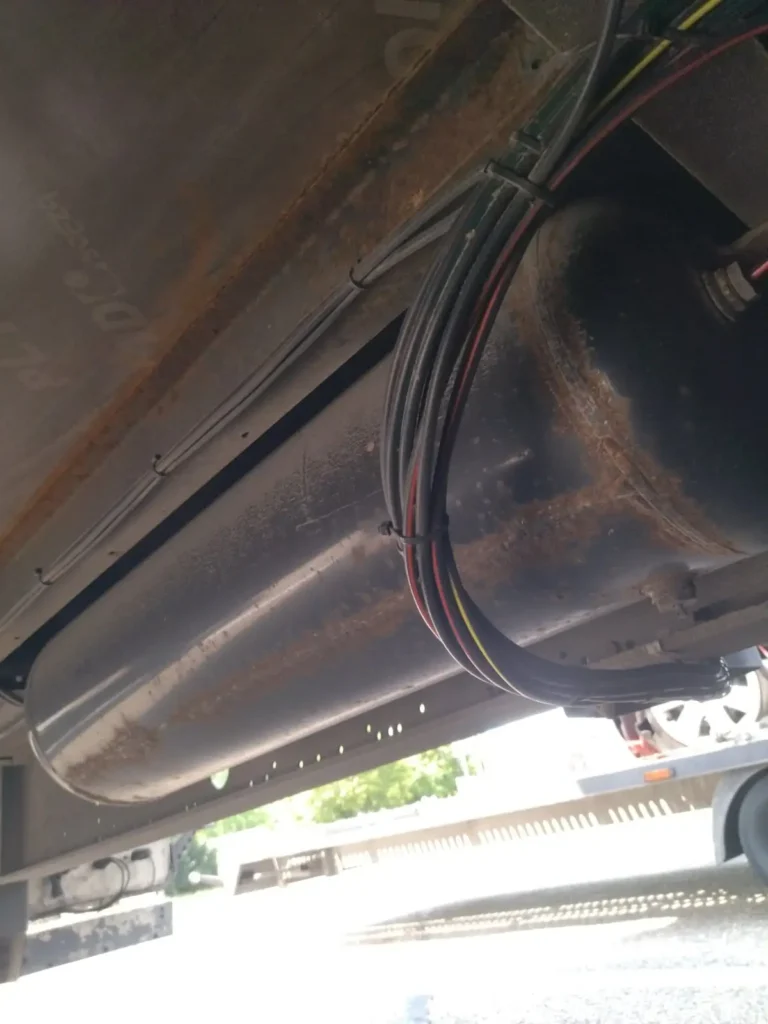
A blown tyre on a loaded tanker is not the same emergency as a flat car tyre in a supermarket car park. When the vehicle is a Volvo FH 460 hauling a stainless-steel tanker full of liquid product, every extra minute on the hard shoulder is a minute of exposure — to passing traffic, to load shift, to a driver standing on a live carriageway wondering what to do next. This is exactly the scenario LKWHelp24 was called out to on the A81 near Heilbronn, and it is a textbook example of why hauliers across Germany keep our number saved rather than scrambling to search for help once the tyre has already gone.
n
This case study walks through what actually happened: the fault, the dispatch, the repair itself, the timeline down to the minute, and the final invoice. No rounded numbers, no marketing gloss — just the real sequence of a professional roadside tyre service call, because that is what fleet managers and drivers searching for “truck tyre service near me” actually want to see before they call.
n
The short version: a driver on a beladen Volvo FH 460 tanker felt vibration and heard a hiss from the driven axle, pulled onto the hard shoulder, and called LKWHelp24. Fifty minutes later a certified partner technician was on scene. Within an hour of arrival, the vehicle was rolling again on a freshly fitted Continental tyre, torqued to spec and pressure-checked. Total cost: 640 EUR. Total time from first call to the truck being roadworthy again: one hour fifty-seven minutes.
n
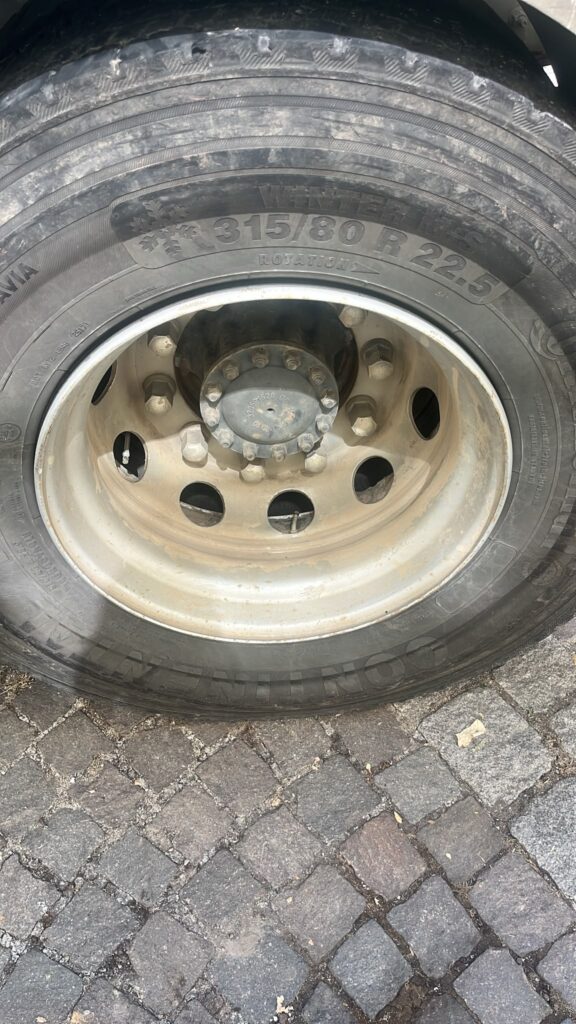
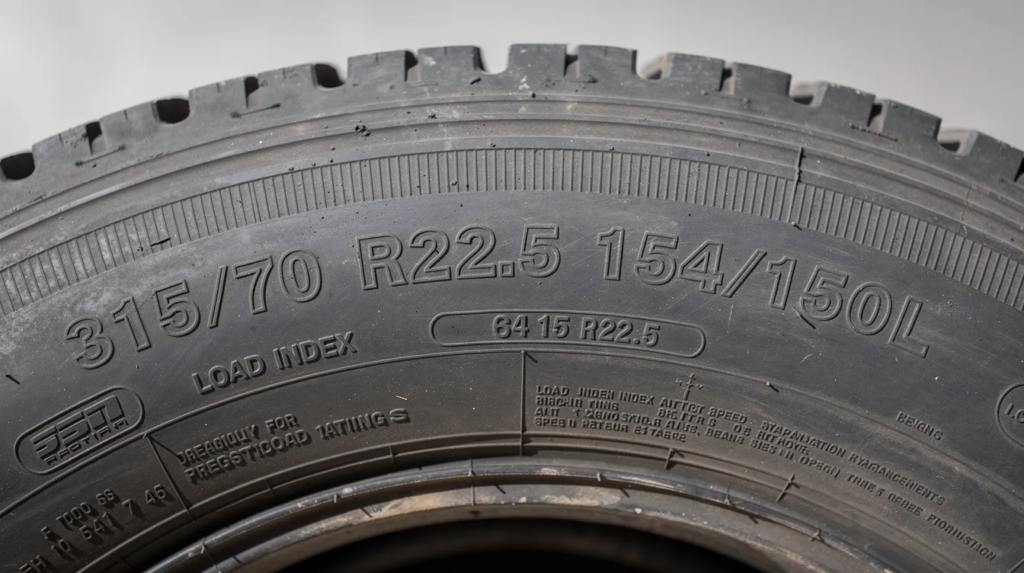
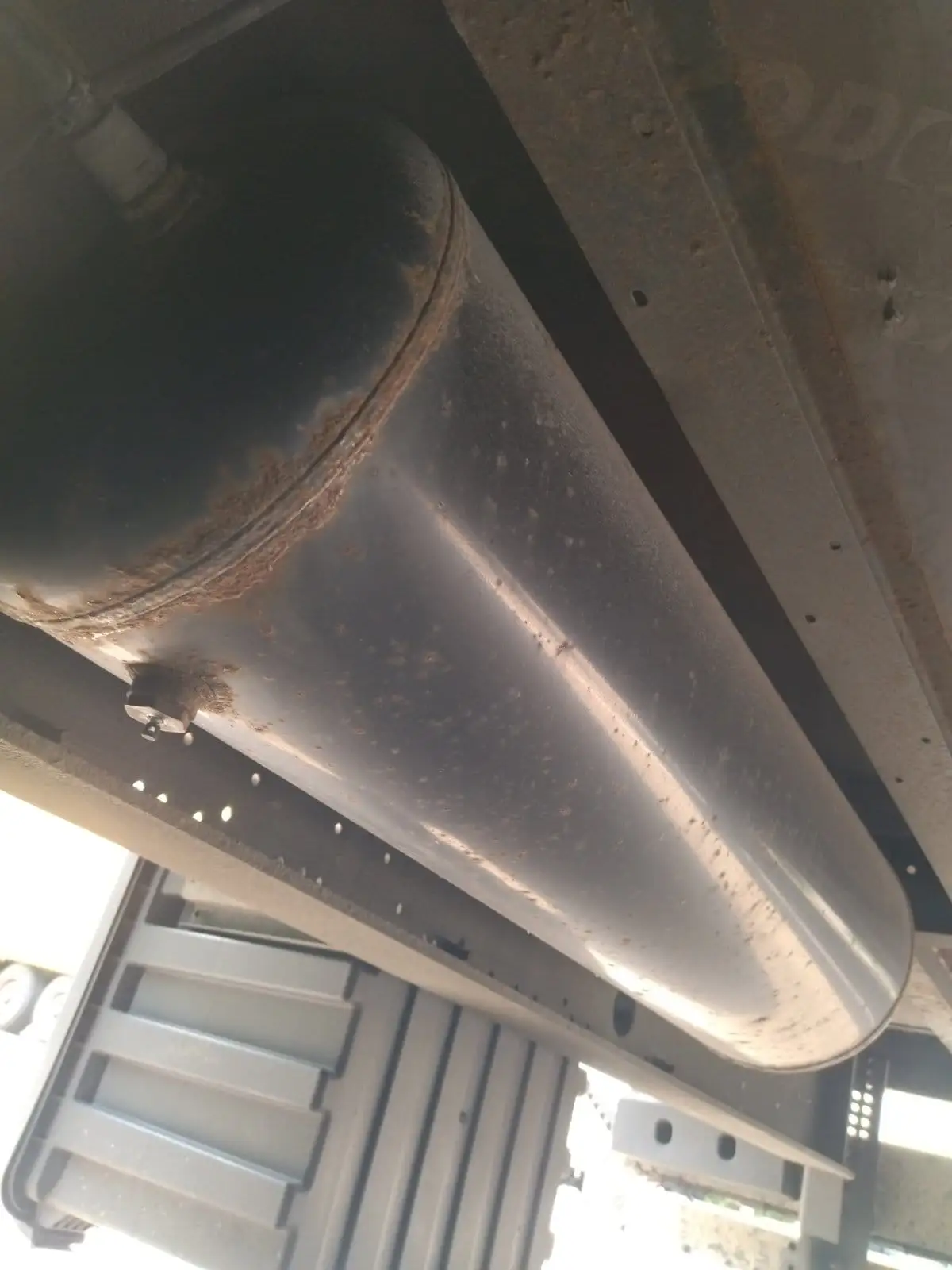
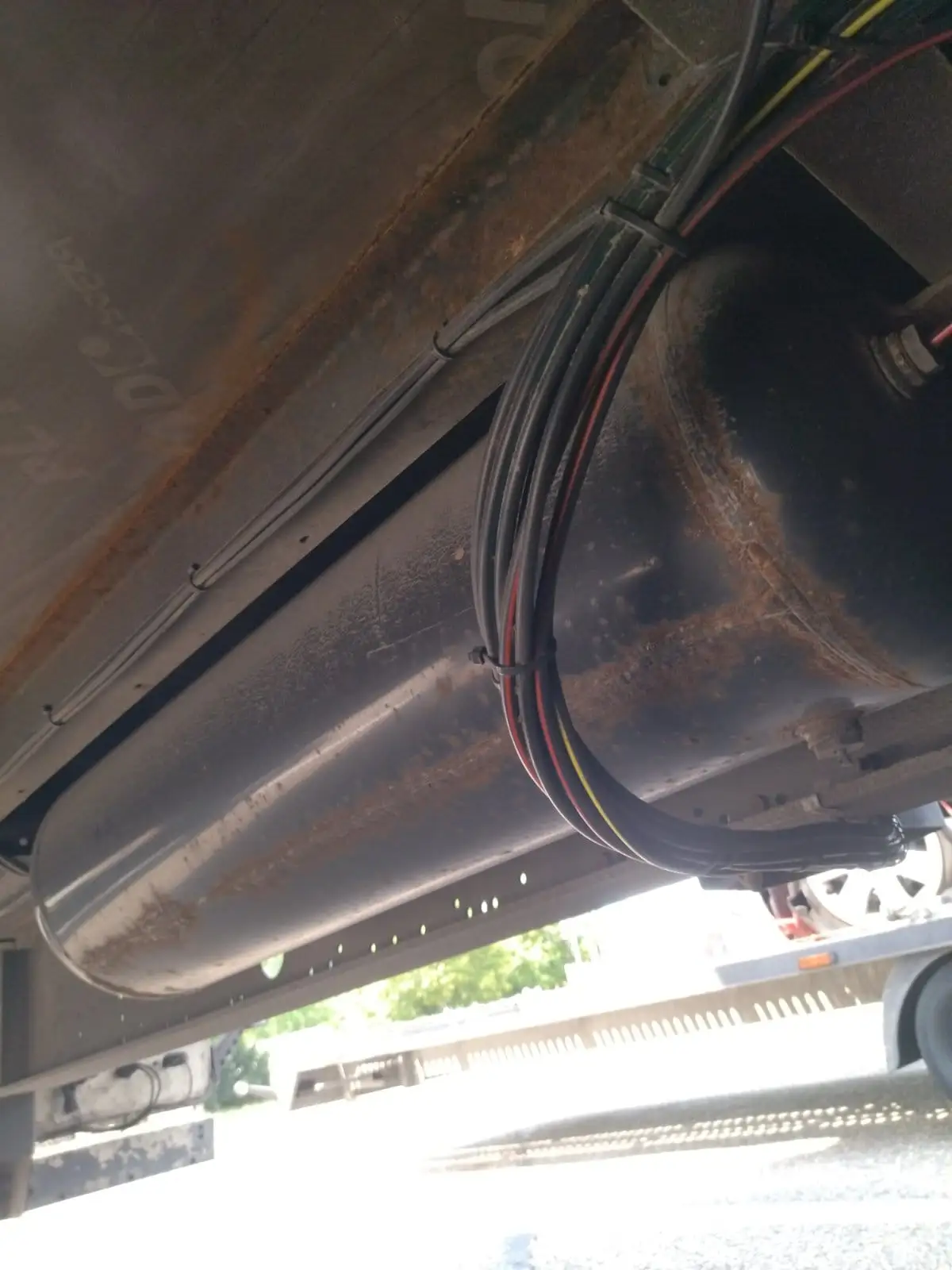
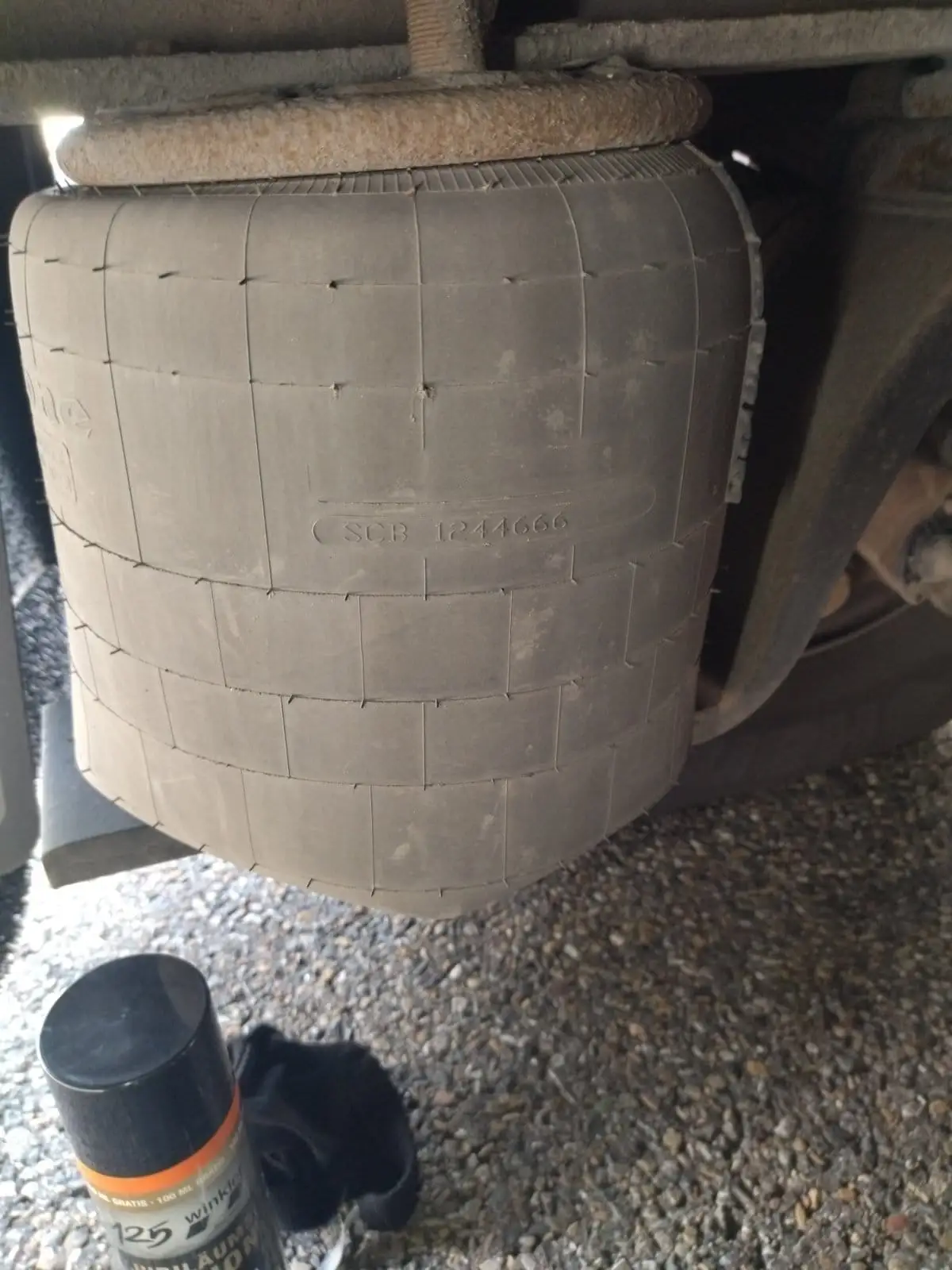
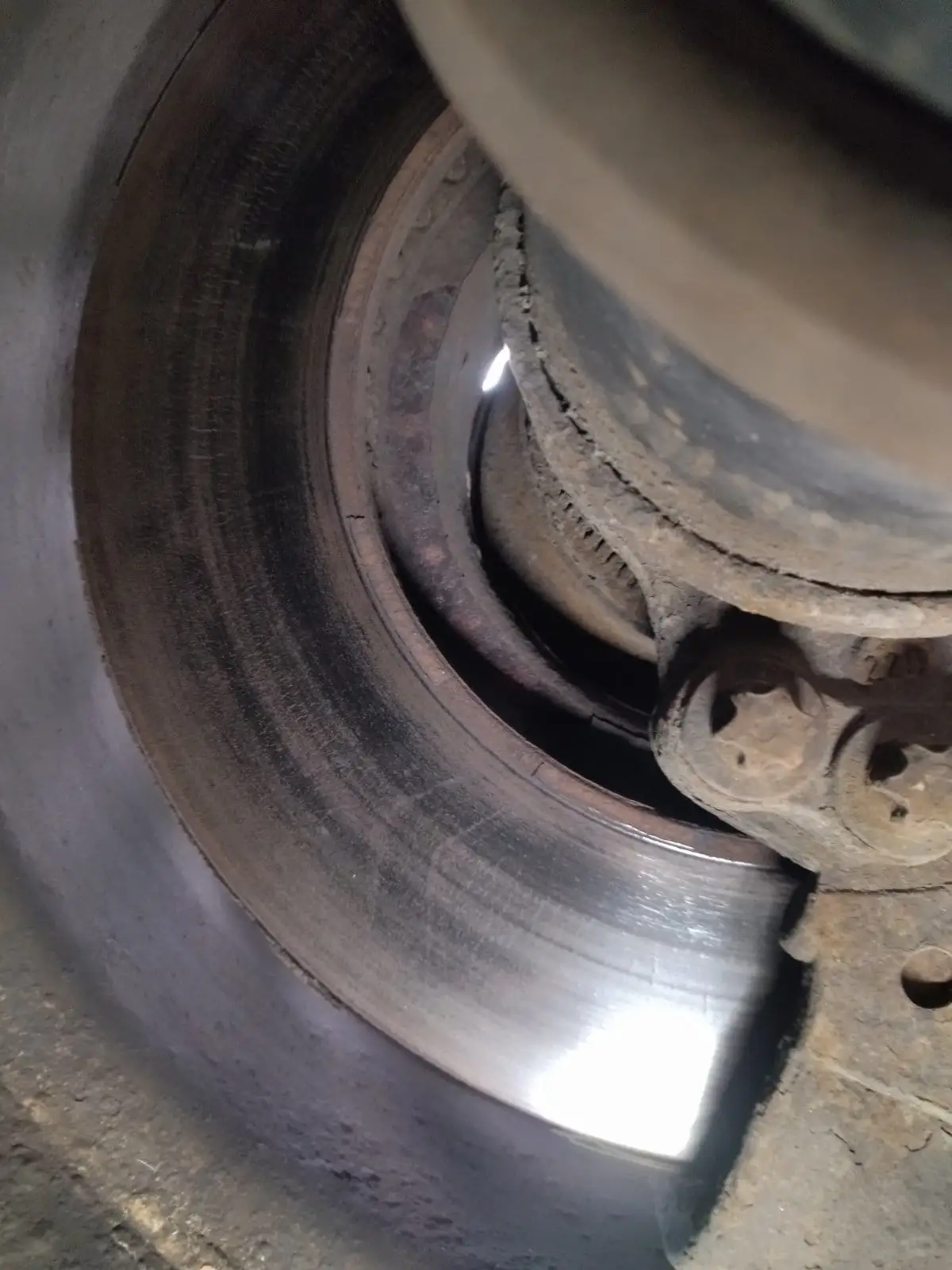
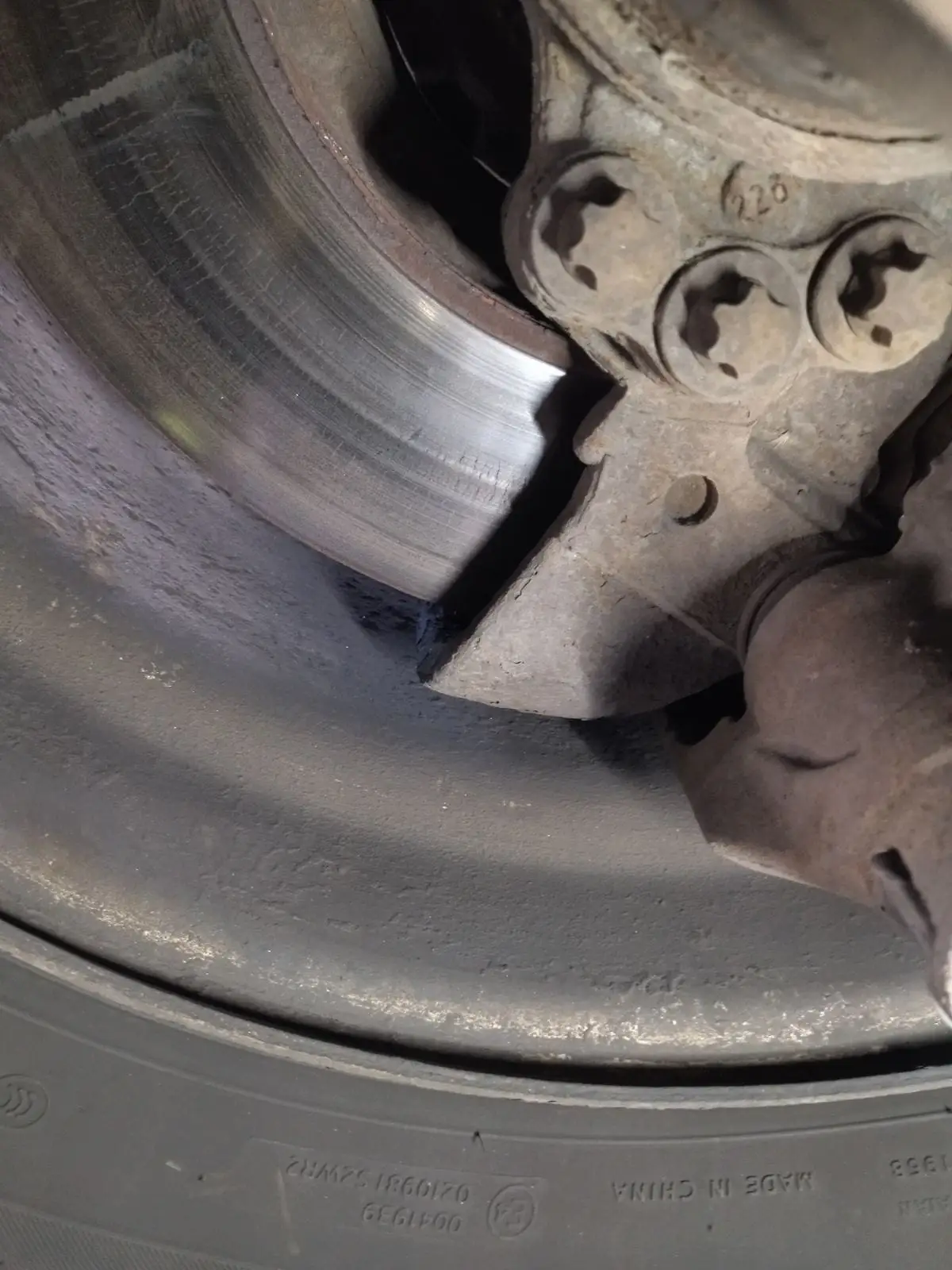
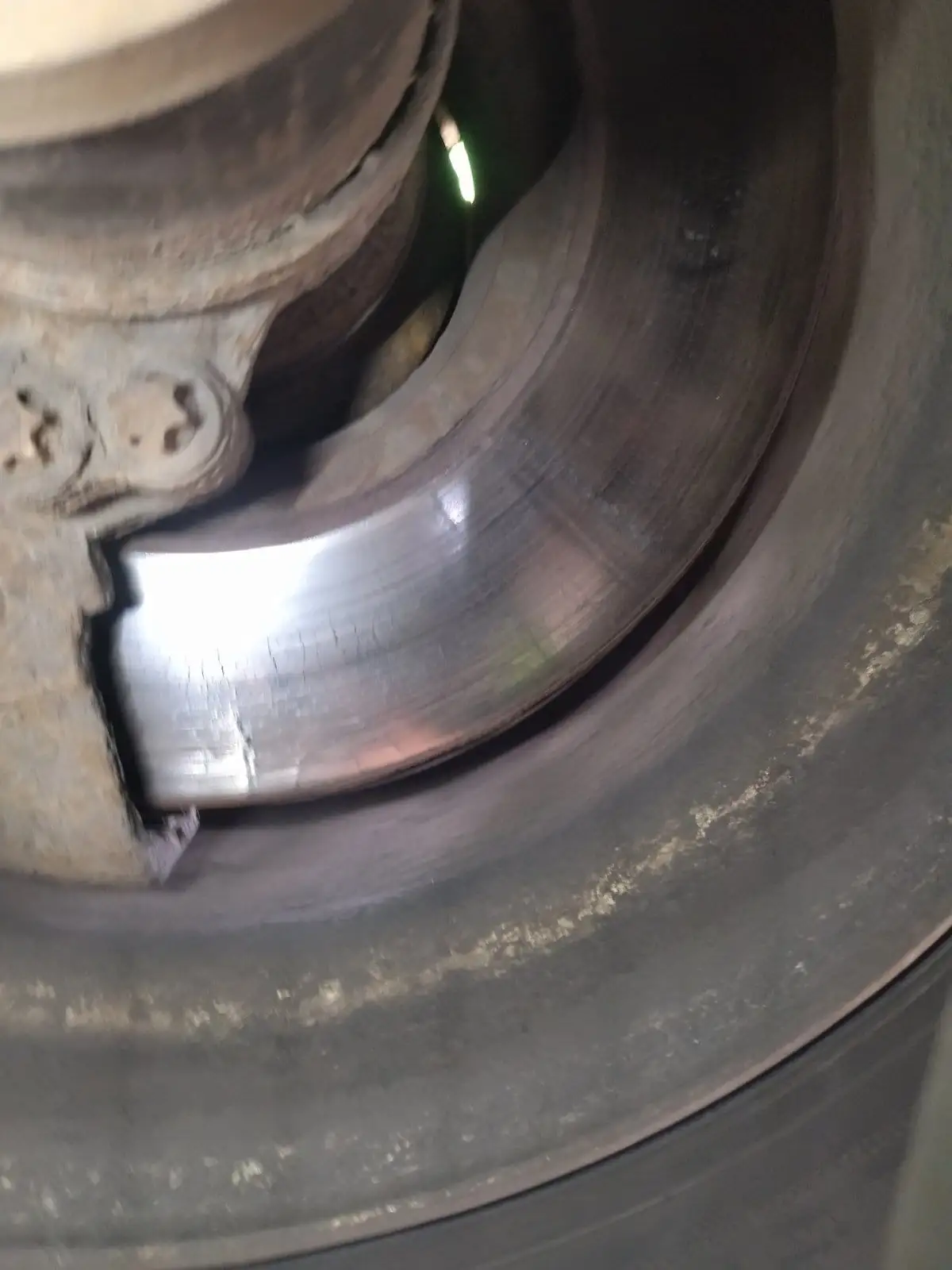
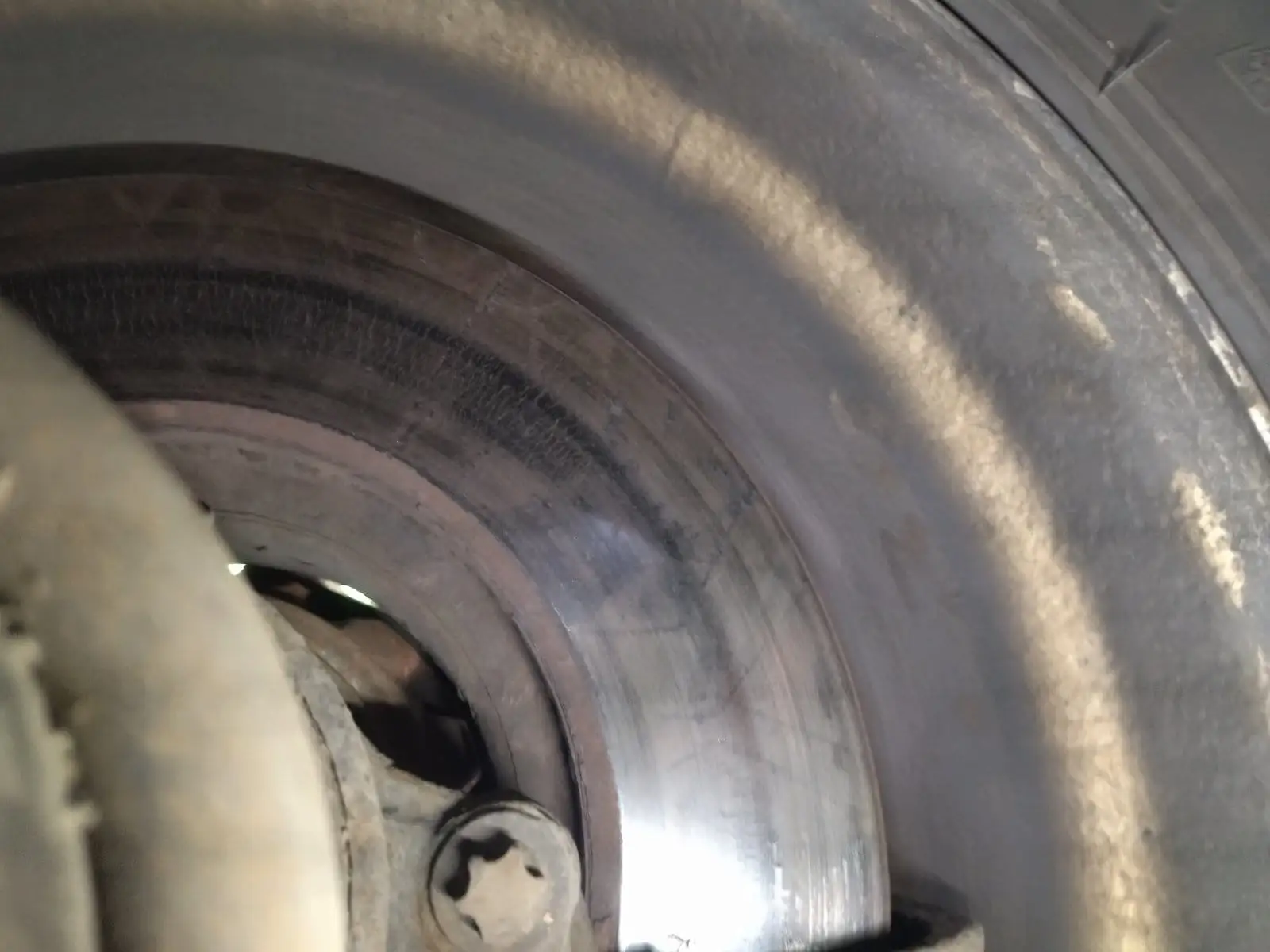
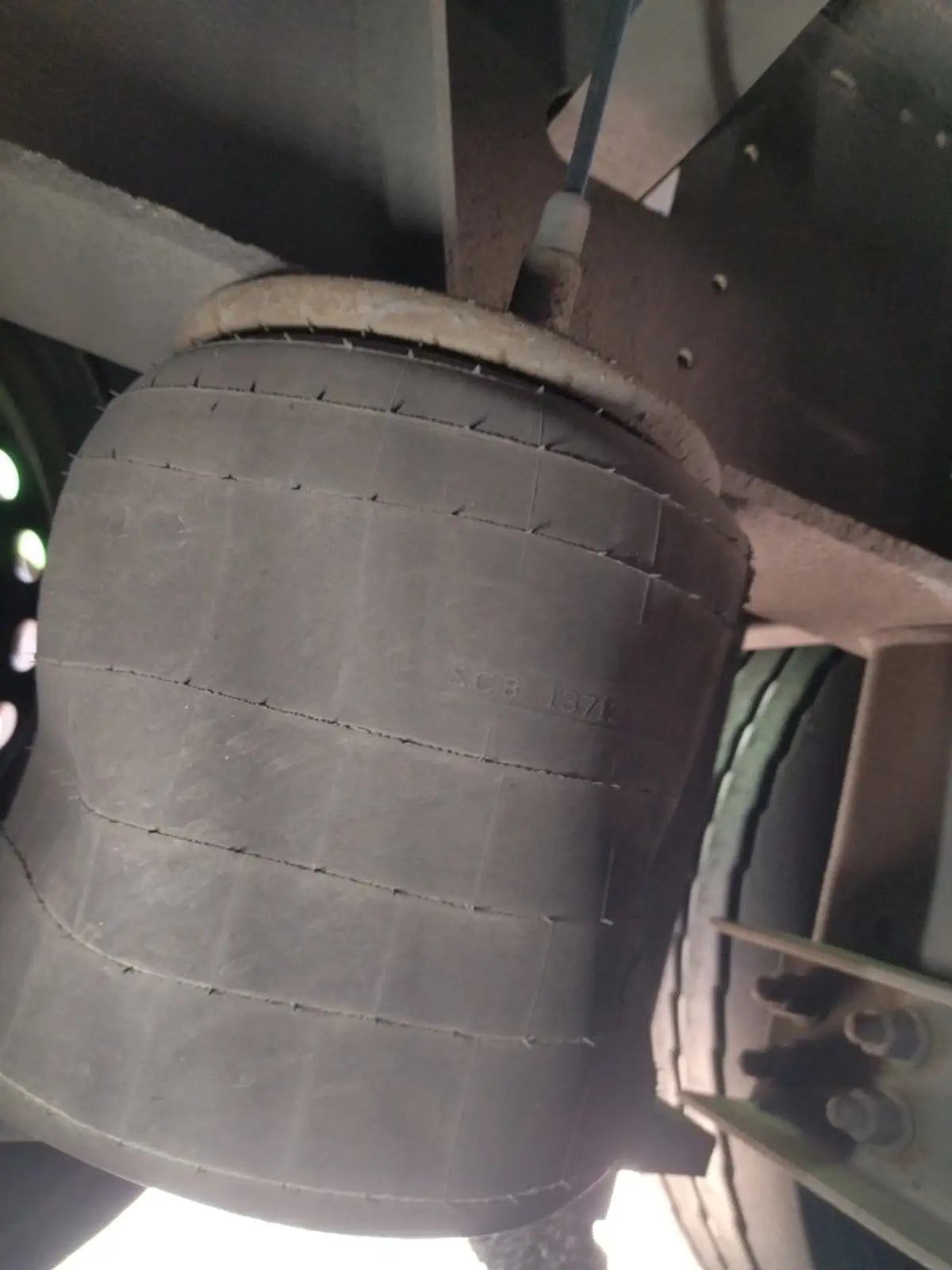
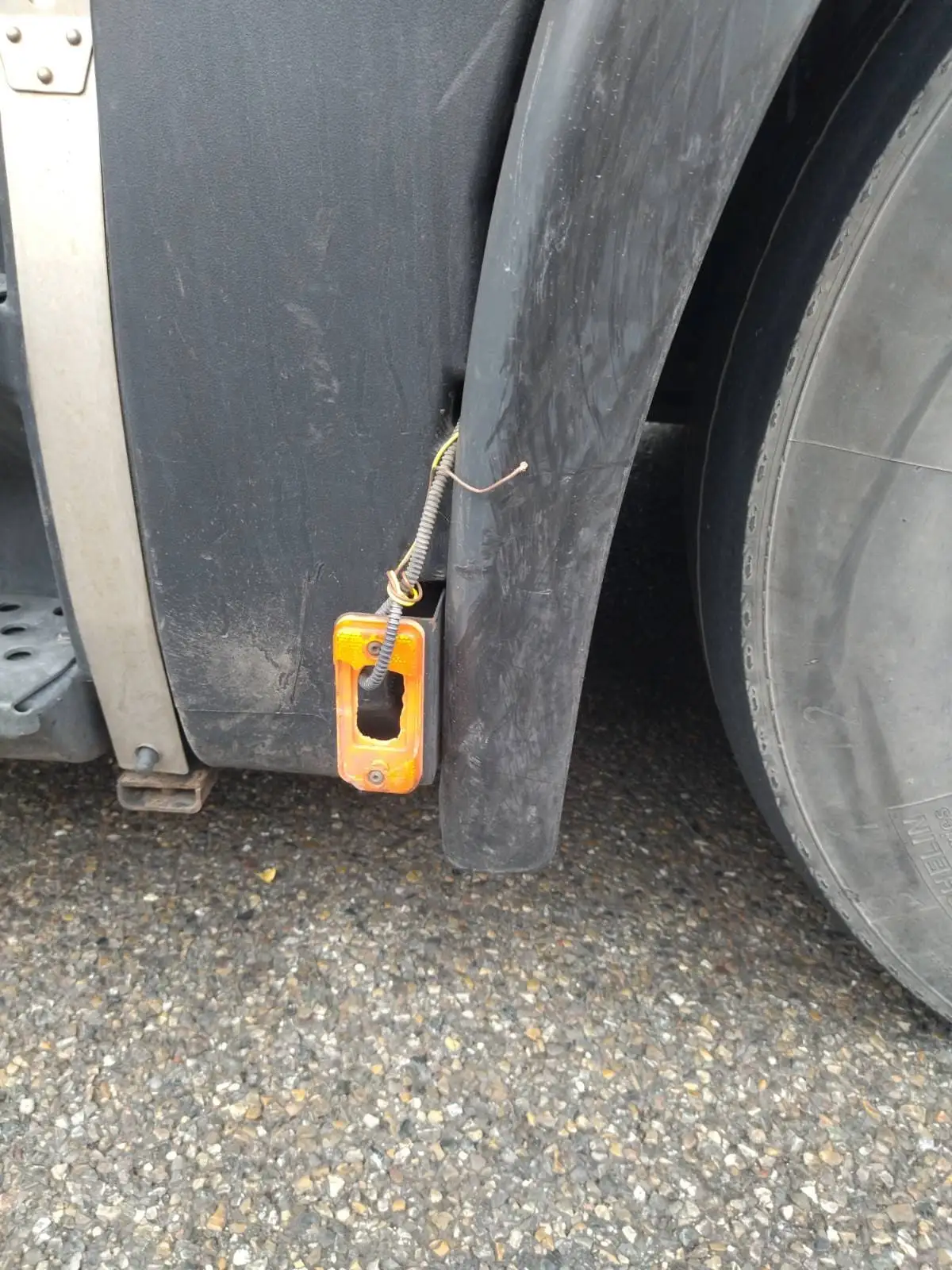
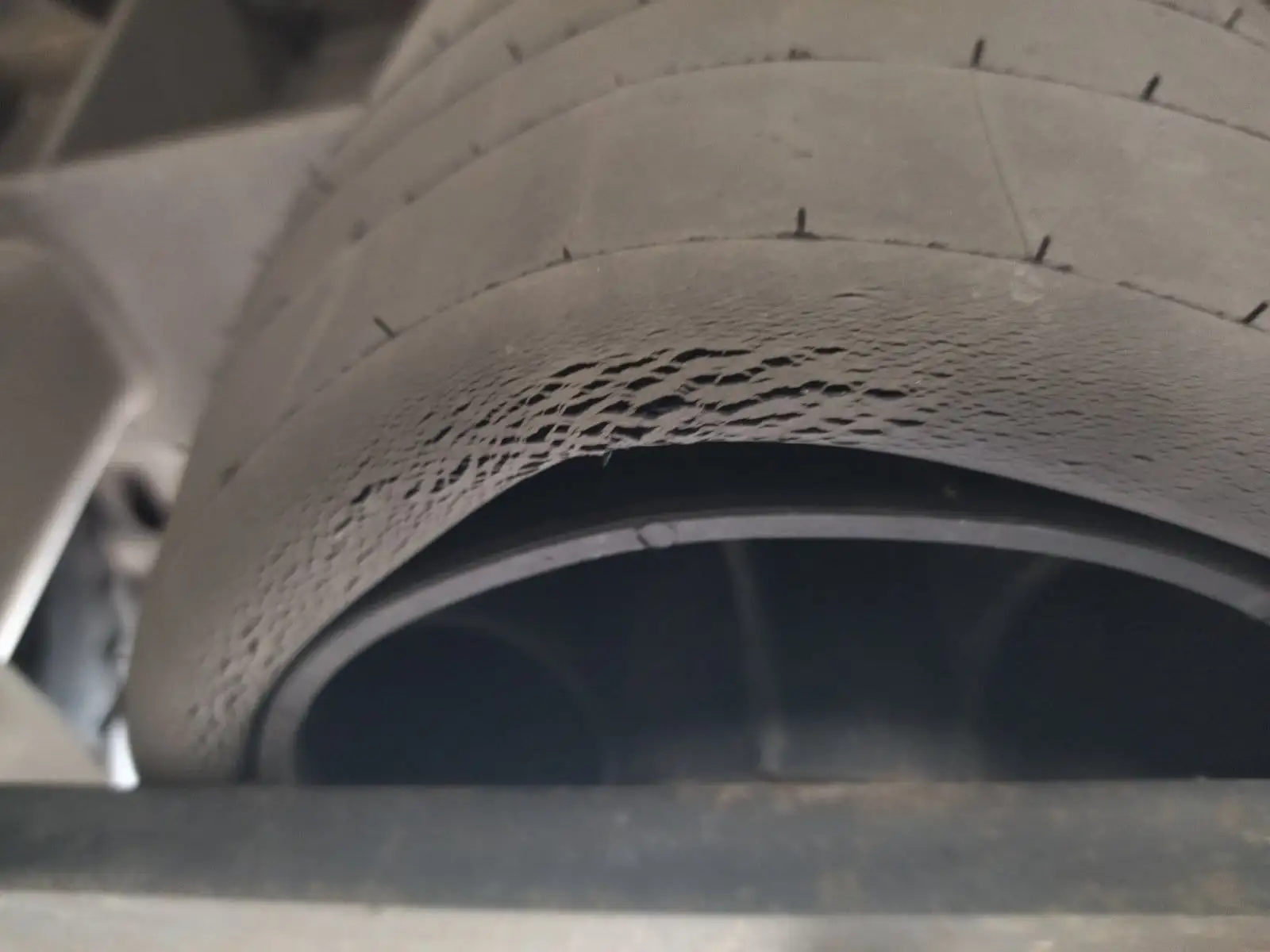
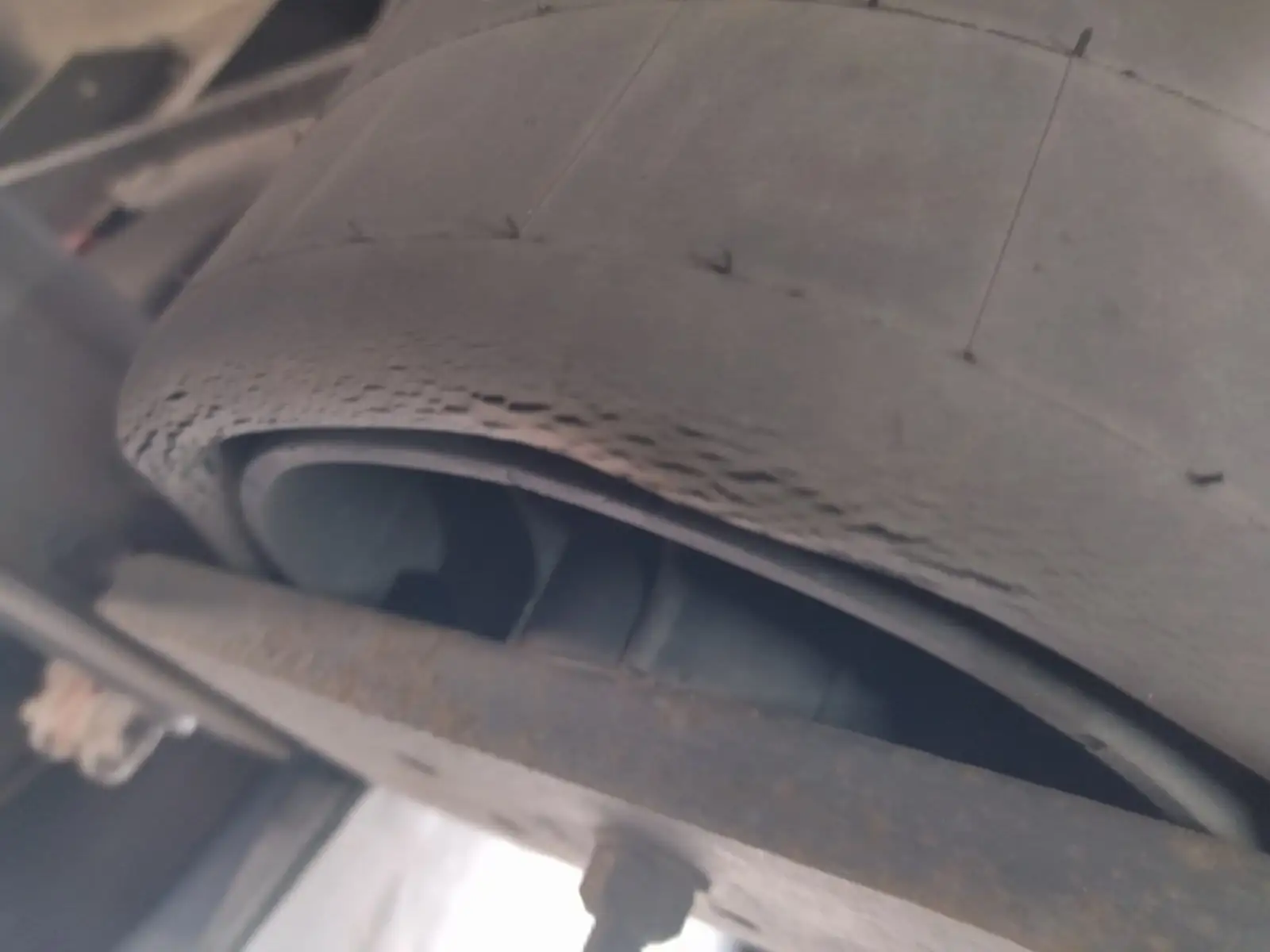
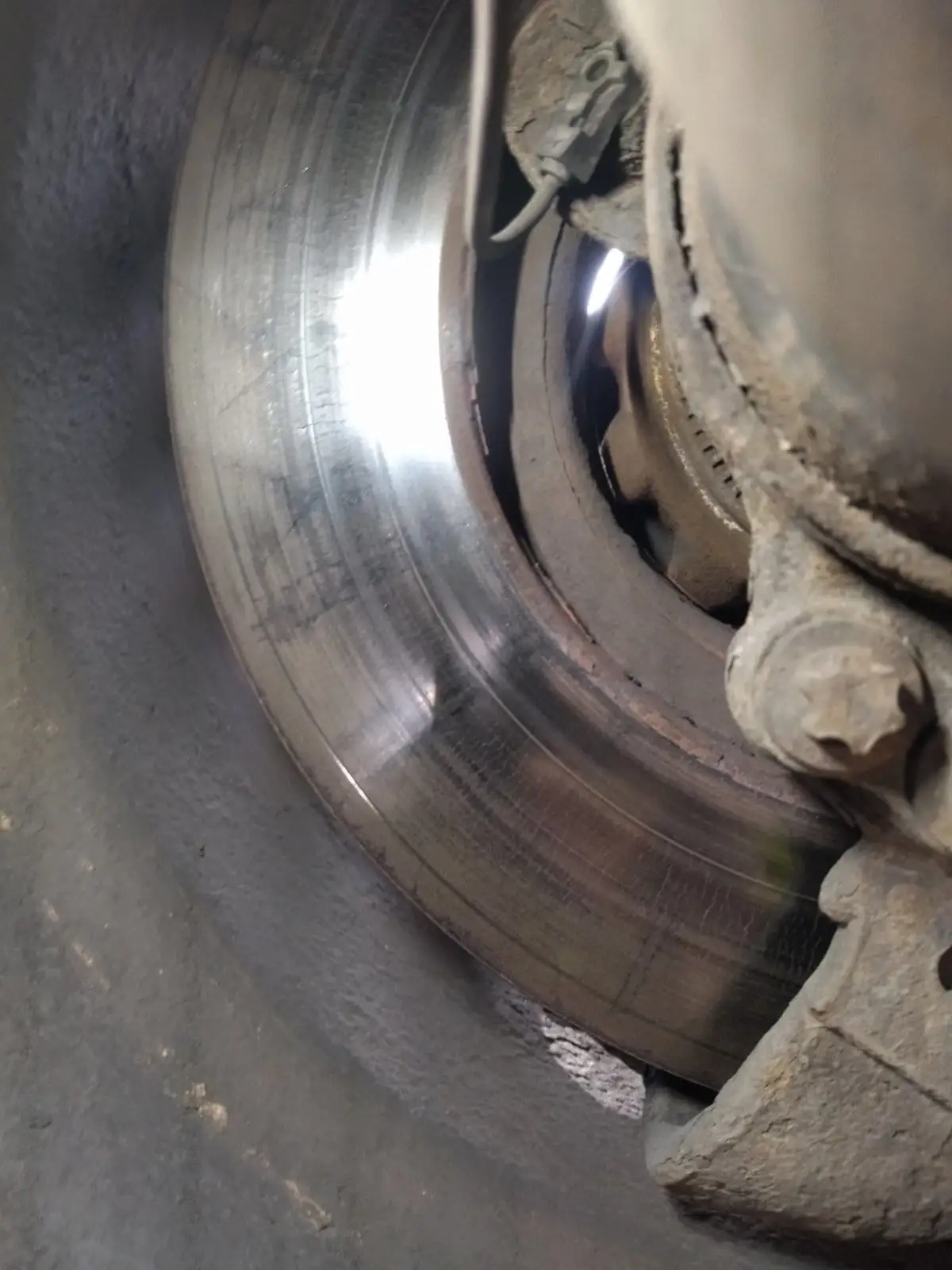
Tyre damage on the twin axle of a Volvo FH 460 tanker truck on the A81 near Heilbronn – mobile tyre service by LKWHelp24.
n
The Emergency: A Hidden Tyre Failure on a Loaded Tanker
n
The vehicle involved was a white Volvo FH 460 tractor unit coupled to a stainless-steel tanker trailer, used for liquid — food-grade — cargo transport. The truck was fully loaded when the driver noticed the steering pulling slightly and heard an unusual rubbing sound from the twin-tyre drive axle. He was on the A81 heading towards Stuttgart, on the hard shoulder near Heilbronn, when he stopped to inspect.
n
What he found was worse than a simple puncture. The inner tyre of the drive axle’s twin-wheel assembly — the tyre tucked behind the outer one, the one you cannot see without crouching or crawling under the vehicle — had chafed against something and split, losing air rapidly. This is one of the more dangerous truck tyre failures on the road, precisely because it is invisible from a standing inspection. A driver can walk around a rig, glance at all four visible tyres, and miss a failing inner dual completely. By the time the vibration or handling change becomes noticeable, the tyre is often already critically damaged, as it was here.
n
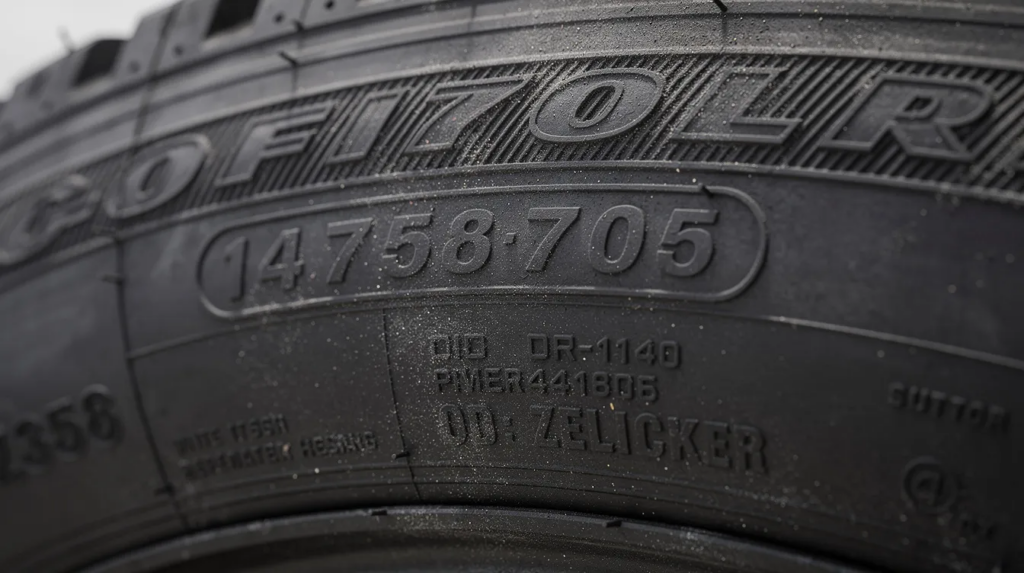
The affected tyre specification was 315/70 R22.5, the standard fitment for a drive axle on a heavy tractor unit of this class. With the tanker loaded, the axle was carrying close to its rated weight, and running on a single functioning tyre in a twin-wheel position — even briefly — puts enormous additional load on the remaining tyre, the wheel bearing, and the axle itself. This was not a “drive carefully to the next services” situation. It needed an immediate, professional stop.
n
n
n
How Help Was Organised
n
The driver rang LKWHelp24’s 24/7 emergency line. Our dispatch team works from a nationwide network of certified truck tyre and breakdown partners, which is what allows us to get a technician moving within minutes rather than searching cold for an available workshop while a driver sits exposed on the hard shoulder.
n
-
n
- The driver gave the exact location (A81, hard shoulder, direction Stuttgart, near Heilbronn), vehicle type, and tyre position affected.
- Dispatch immediately identified a certified LKW tyre partner covering the Heilbronn area with drive-axle stock in the 315/70 R22.5 size.
- The partner confirmed availability and gave an ETA within twelve minutes of the initial call.
- The driver was talked through securing the vehicle — hazard lights, warning triangle, high-vis vest, and standing well clear of the carriageway, particularly important given the load behind him.
- Dispatch stayed in contact until the technician confirmed arrival on scene.
n
n
n
n
n
n
This is the core value of a service network like ours: a single phone call replaces what would otherwise be a driver trying to find a local tyre fitter, explain the problem, negotiate a callout, and hope someone actually turns up. For anyone comparing this to what happens elsewhere on German motorways — for instance during a drive-axle blowout further north — the process is deliberately identical every time: one call, one dispatch, one accountable partner.
n
n
The Situation On-Site
n
By the time the technician arrived at 13:05, less than an hour after the first call, the situation on the hard shoulder required careful handling before any wrench touched the wheel. A loaded tanker is not a light vehicle to jack and stabilise. Standard drive-axle tyres for this tractor class run at 8.5–9.5 bar, and a wheel assembly of this size, once removed, weighs well over 80 kilograms — not something manhandled casually, especially on a sloped hard shoulder with traffic passing at speed a few metres away.
n
The stability of a beladen tanker deserves particular attention here. Unlike a box trailer or a flatbed, a tanker carrying liquid cargo has a shifting centre of gravity. Liquid inside the tank moves with any rocking motion, which means jacking and stabilising a loaded tanker is genuinely more delicate than lifting a dry-freight trailer of the same declared weight. The technician assessed ground conditions, load distribution, and the angle of the hard shoulder before positioning the jack, and used wheel chocks on the unaffected axles to prevent any roll during the lift. This kind of care — the reason a professional call-out matters more than any DIY fix — is what keeps a routine tyre failure from becoming a rollover incident.
n
n
n
Step-by-Step: What the Technician Did
n
Step 1 — Assessment and securing the site. The technician confirmed the failure was on the inner tyre of the drive axle’s twin assembly, checked the outer tyre and both rims for collateral damage, and set up additional roadside warning markers behind the vehicle in line with autobahn breakdown protocol.
n
Step 2 — Stabilising the loaded tanker. Given the shifting load inside the tank, the truck was chocked on the front axle and trailer axles before any jacking began. The technician worked from the outside of the traffic lane wherever possible, keeping his body positioned away from live carriageway traffic.
n
Step 3 — Removing the damaged tyre. With the vehicle raised and secured, the wheel nuts were loosened in the correct sequence, the outer tyre temporarily removed to access the inner one, and the split 315/70 R22.5 tyre pulled free. The wheel rim was inspected for cracks, dents, or bead-seat damage — none was found, so the same rim could be reused.
n
Step 4 — Fitting and inflating the new tyre. A Continental Conti Hybrid HD3, a purpose-built drive-axle tyre designed for mixed motorway and regional haulage use, was mounted onto the rim, balanced, and refitted. The tyre was inflated to 9.0 bar, matching the manufacturer’s load specification for a fully laden drive axle on this vehicle class.
n
Step 5 — Torque and final inspection. Wheel nuts were tightened in the correct star pattern and torqued to the specification required for this axle, avoiding uneven load distribution across the studs — a step that is frequently skipped in rushed roadside repairs and one of the most common causes of wheel-loss incidents further down the road. The technician then carried out a full dealership-standard check: tyre pressure across all positions on the axle, visible inspection of the tank mounts and trailer coupling, and a check for any secondary damage to the wheel arch or brake lines near the failed tyre.
n
No secondary damage was found. The rim was intact, the tank was untouched, and the truck was declared roadworthy.
n
n
Full Timeline
n
| Time | Phase | Action |
|---|---|---|
| 12:15 | Call received | Driver reports drive-axle tyre failure, A81 near Heilbronn |
| 12:27 | Partner dispatched | Certified LKW tyre partner confirmed, ETA given |
| 13:05 | Arrival on scene | Technician arrives, assesses vehicle and load |
| 13:15 | Vehicle secured | Wheel chocks placed, tanker stabilised, area secured |
| 13:38 | Tyre removed | Damaged inner drive-axle tyre demounted, rim inspected |
| 13:58 | New tyre fitted | Continental Conti Hybrid HD3 mounted, inflated to 9.0 bar |
| 14:08 | Torque and final check | Wheel nuts torqued in star pattern, full inspection carried out |
| 14:12 | Roadworthy | Vehicle cleared to continue journey |
n
Total elapsed time: 1 hour 57 minutes from first call to departure. Time on scene: roughly 1 hour.
n
n
n
Cost Breakdown
n
| Item | Price (EUR) |
|---|---|
| Callout / 24-7 motorway emergency service | 190 |
| Tyre 315/70 R22.5 (Continental Conti Hybrid HD3) | 340 |
| Mobile fitting and balancing | 90 |
| Disposal of damaged tyre | 20 |
| TOTAL | 640 EUR |
n
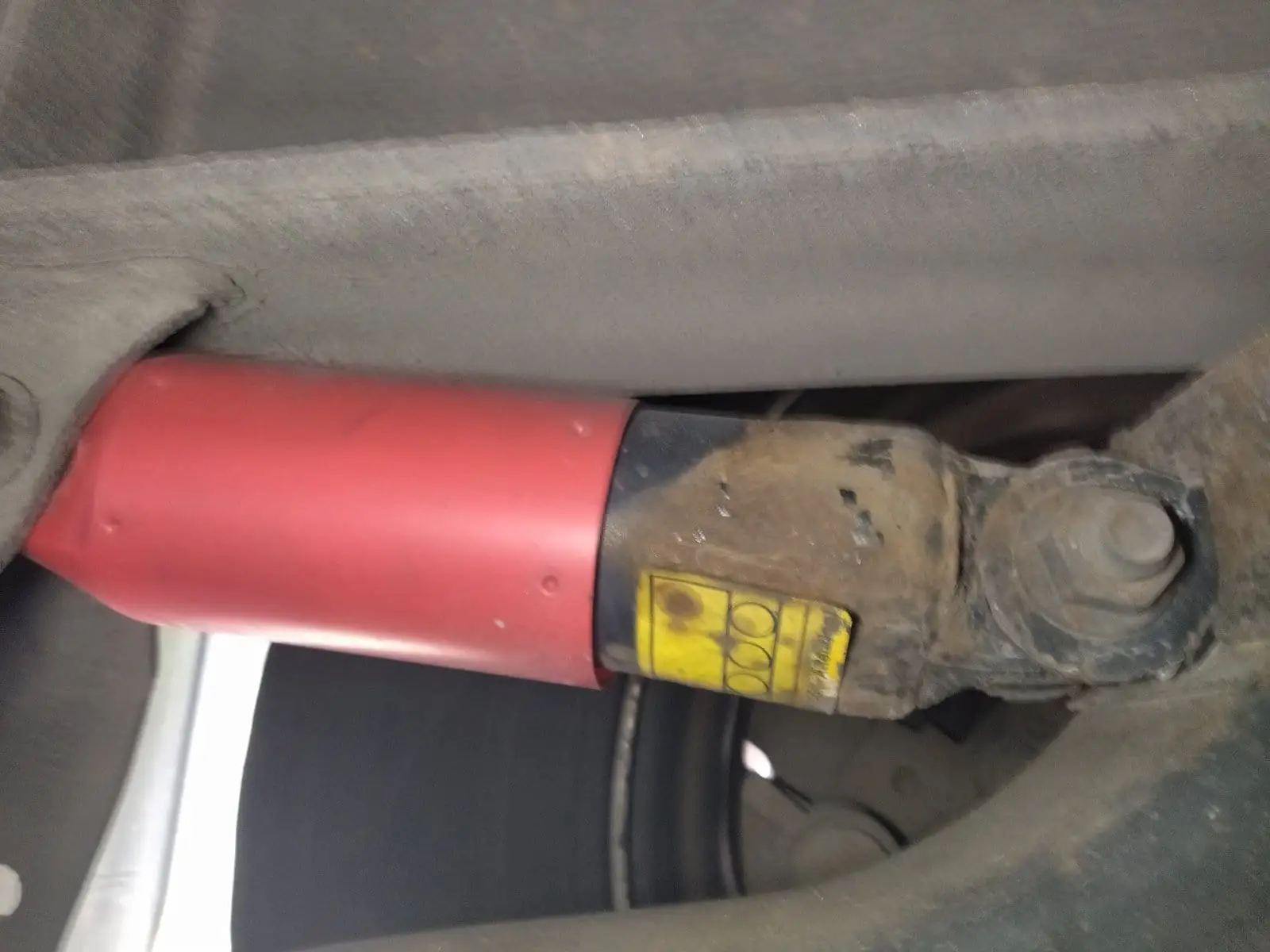
A few things worth explaining about this figure. The callout fee covers 24/7 motorway response, which includes traffic-safety setup on a live carriageway — a cost that a workshop-based repair simply doesn’t carry. The tyre itself, a Continental Conti Hybrid HD3, sits in the mid-to-premium bracket for drive-axle rubber; equivalent alternatives such as the Michelin X Multi D or the Goodyear KMAX D would have landed in a broadly similar price range. Mobile fitting and balancing costs more than an in-workshop fitting because the technician brings the full rig — jack, torque wrench, balancing equipment, spare stock — to the roadside rather than the truck coming to them.
n
Compare that to the alternative: calling a flatbed recovery truck to tow a loaded tanker to the nearest workshop. Between the recovery fee, the wasted hours of driving time, and the knock-on delay to the delivery schedule, that route typically costs several times more and takes most of a day rather than two hours. For any haulier weighing “should I just wait for a tow,” the maths almost always favours a mobile call-out when the fault is tyre-related and the vehicle is otherwise safe to stabilise.
n
n
Why a Professional Service Is Essential
n
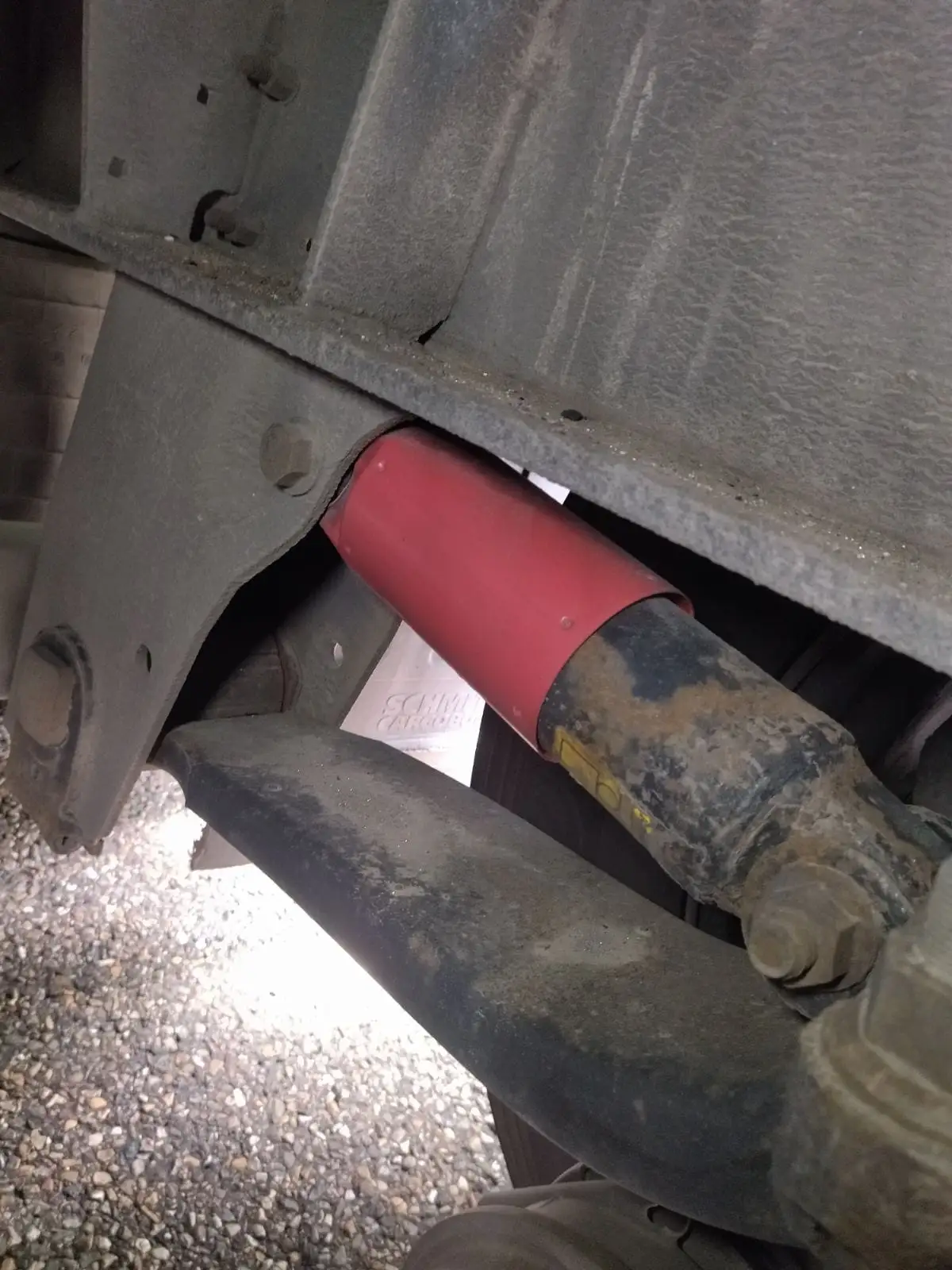
It is tempting, especially for an experienced driver, to think a tyre change is something that can be handled without calling in a specialist. On a loaded HGV, that assumption carries real risk:
n
-
n
- Load stability. A liquid-laden tanker shifts weight during jacking in ways a solid-freight trailer does not. Get the stabilisation wrong and the vehicle can rock or tip while raised.
- Wheel weight and handling. A single drive-axle wheel and tyre assembly of this size weighs well over 80 kg. Manual handling injuries are common when this is attempted without the right lifting gear.
- Torque accuracy. Under-torqued or unevenly torqued wheel nuts are one of the leading causes of wheel separation incidents on German motorways. Getting the star pattern and the correct torque figure right is not optional.
- Roadside exposure. Every minute spent working beside a live traffic lane without proper warning triangles, cones, and hi-vis positioning is a minute of real collision risk. Professional technicians are trained specifically for this.
- Hidden damage. Rim cracks, bead-seat wear, or brake-line proximity issues are easy to miss without a trained eye, and any of them can turn a tyre repair into a repeat breakdown within days.
n
n
n
n
n
n
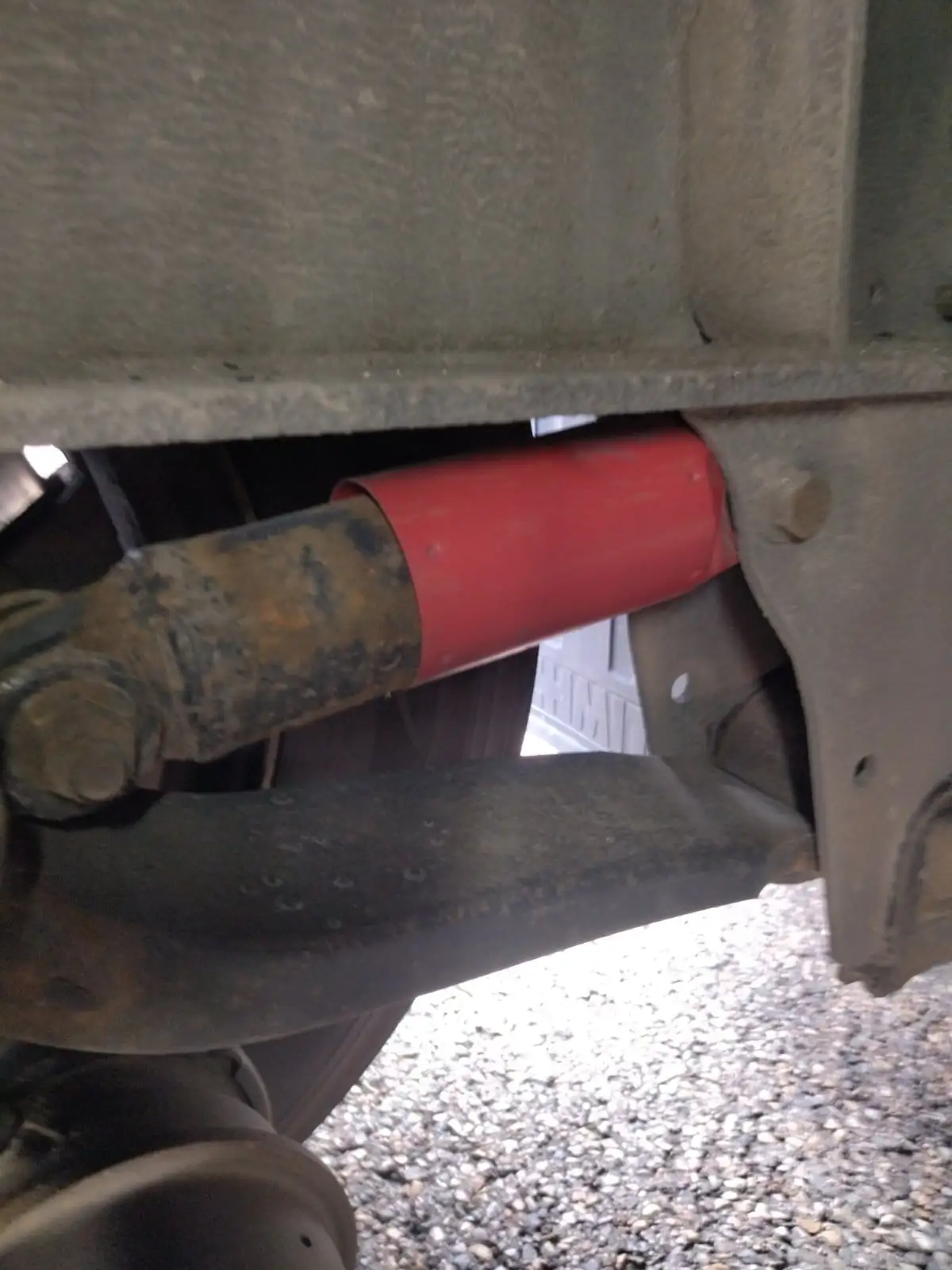
A DIY fix, or an inexperienced attempt to “just get to the next Raststätte,” risks turning a manageable roadside incident into something far more serious — for the driver, for the cargo, and for everyone else on the autobahn.
n
n
n
Typical Breakdown Situations We Handle
n
LKWHelp24’s partner network covers the full range of truck tyre and breakdown emergencies across Germany, including:
n
-
n
- Drive-axle tyre blowouts and inner-dual failures on tractor units
- Steer-axle tyre damage requiring urgent replacement
- Trailer and semi-trailer tyre blowouts on loaded and unloaded rigs
- Slow punctures discovered at a rest stop or Autobahnraststätte
- Complete wheel changes following kerb or pothole damage
- Emergency towing (Abschleppdienst) for vehicles that cannot be stabilised roadside
- Mobile mechanical support (mobiler Reifenservice) for fleets running tight delivery windows
n
n
n
n
n
n
n
n
Whether the vehicle is a solo rigid, an articulated tractor-trailer, or a specialist tanker like the one in this case, the dispatch and repair process follows the same principle: get a certified technician on scene fast, and do the job to workshop standard even though it’s happening on the hard shoulder.
n
n
Prevention Tips for Drivers and Fleet Managers
n
A number of drive-axle tyre failures, particularly on the inner dual, can be caught before they become emergencies:
n
-
n
- Check inner duals specifically, not just the visible outer tyre, at every pre-trip inspection. Use a torch and get down low, or use a tyre-pressure monitoring system if the fleet is equipped with one.
- Monitor pressure trends, not just single readings. A tyre slowly losing pressure over several days is a warning sign long before it fails outright.
- Rotate and inspect tread wear patterns. Uneven wear on a drive axle often signals alignment or load-distribution issues that will eventually cause a failure.
- Respect load ratings. Running a tanker or trailer close to maximum gross weight on ageing tyres significantly increases blow-out risk, particularly on long motorway stretches.
- Keep an emergency number saved, not searched for. In this case, the driver having LKWHelp24 already saved meant the difference between a two-hour delay and a half-day one.
- Carry basic reflective safety kit appropriate for autobahn breakdowns — warning triangle, hi-vis vest, and ideally an additional rear-facing warning light for low-visibility conditions.
n
n
n
n
n
n
n
n
n
Fleet Maintenance and Tyre Brand Considerations
n
For fleet operators managing multiple Volvo FH tractors and tanker or trailer combinations, tyre choice on the drive axle has a direct impact on both downtime frequency and total cost of ownership. Continental’s Conti Hybrid HD3, the tyre fitted in this case, is built for operators who run a mix of long-haul motorway stretches and regional delivery routes, offering solid mileage life alongside good traction in wet conditions — a relevant factor on exposed sections of the A81 corridor.
n
Michelin’s X Multi D is a frequently chosen alternative among fleets prioritising maximum tread life and retreadability, which matters for operators tracking cost per kilometre over the tyre’s full service life rather than just the upfront purchase price. Goodyear’s KMAX D, meanwhile, is popular with fleets that run heavier average loads and want a tyre engineered specifically around drive-axle traction under load.
n
None of these choices is objectively “correct” — the right call depends on route profile, average load factor, and how the fleet balances upfront tyre cost against total lifetime mileage. What matters for prevention is consistency: standardising on a known-quality drive-axle tyre across the fleet, tracking its wear pattern, and replacing proactively rather than reactively. A fleet that swaps tyres at 80% of rated tread life, rather than waiting for a roadside failure like this one, spends less overall once you factor in the callout costs, delivery delays, and driver downtime that come with an unplanned breakdown.
n
n
LKWHelp24: Your Truck Emergency Partner
n
This case is a fairly ordinary day for LKWHelp24, and that is the point. Drivers and fleet managers across Germany call us for exactly this kind of situation because the process is consistent and the outcome is predictable:
n
-
n
- 24/7 availability, every day of the year, across all of Germany — not just business hours.
- A certified partner network, meaning the technician who turns up carries the right stock, the right tools, and the training to handle heavy-vehicle jacking and load stabilisation safely.
- Transparent pricing, agreed before work begins, with no surprise line items on the final invoice.
- Multilingual support, useful for the large share of international drivers on German motorways who need to explain a fault and get help without a language barrier slowing things down.
- Fast dispatch, built on a nationwide coverage map rather than a single local depot, so response times stay consistent whether the breakdown happens near Hamburg, Nuremberg, Bremen, or — as here — Heilbronn.
n
n
n
n
n
n
n
n
Summary
n
-
n
- Tyre size: 315/70 R22.5, drive axle, inner dual
- Location: A81, hard shoulder near Heilbronn, direction Stuttgart
- Vehicle: Volvo FH 460 tractor unit with loaded stainless-steel tanker trailer
- Response time: 50 minutes from call to technician on scene
- Total time: 1 hour 57 minutes, call to roadworthy
- Total cost: 640 EUR
- Secondary damage: None — rim, tank, and coupling all confirmed intact
n
n
n
n
n
n
n
n
n
Request Emergency Assistance Now
n
If your truck, tanker, or trailer has a tyre problem anywhere in Germany, don’t wait and don’t attempt a roadside fix alone. Call LKWHelp24 at +49 160 5753826 or visit lkwhelp24.com for immediate dispatch.
n
Available 24/7 across all of Germany.
n
n
n
n
You might also be interested in
n
-
n
- Truck Tyre Service on the A9 near Nuremberg: Volvo FH 460 Steer-Axle Emergency
- Truck Tyre Blowout on the A1 near Bremen: Drive-Axle Wheel Change
- Mobile Truck Tyre Service: Trailer Blowout and Wheel Change Anywhere in Germany
- Truck Tyre Blowout on the A7 near Hamburg: Emergency Wheel Change
n
n
n
n
n
n
Sources and further reading: Volvo Trucks Germany · Continental Truck Tyres