Skip to content
TL;DR: On 14 July, a coach bus caught fire in the engine bay on the A3 near Montabaur (Westerwald, direction Cologne). The fire brigade extinguished the blaze, all passengers were evacuated unharmed, and a replacement coach was arranged. Once emergency services cleared the scene, our recovery team took over the vehicle recovery. From the emergency call to departure from site, the job took 5 hours. Recovery cost: €1,760 net.
A burning coach on the motorway is a different job from a broken-down lorry. There are people on board, often 30 to 50 of them, many unfamiliar with the area, some tempted to grab luggage from the hold before getting clear. That’s exactly why a coach fire follows a strict order of operations: people first, then the fire, and only then the vehicle itself.
The Montabaur case is a textbook example of that sequence. The driver noticed smoke from the rear of the vehicle and immediately pulled onto the hard shoulder, starting the evacuation before flames were even visible. Fire crews were on scene within 32 minutes and had the blaze under control in 43 minutes. Only after the site was fully released did the actual recovery of the burnt-out coach begin — a job that differs substantially from towing a lorry.
What Happened on the A3 Near Montabaur?
On 14 July, the driver of a coach bus travelling on the A3 near Montabaur, direction Cologne, noticed smoke coming from the engine compartment at the rear of the vehicle. He reacted immediately: pulled onto the hard shoulder, switched on hazard lights, and evacuated passengers forward through the front door to a safe area behind the crash barrier.
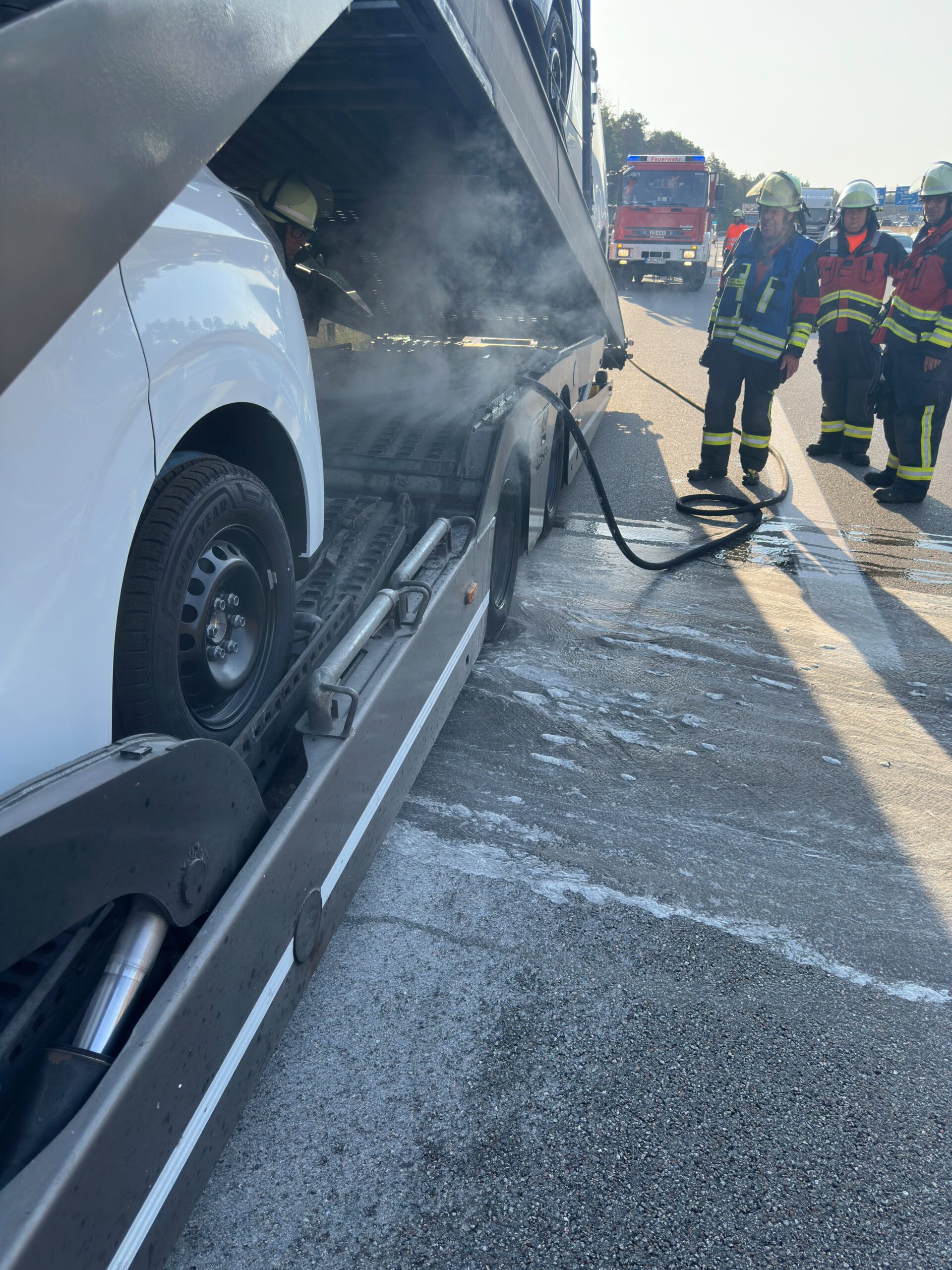
The fire quickly developed into thick smoke and, shortly after, visible flames in the engine bay. Fire crews arrived with several appliances and extinguished using foam, since burning engine oil and melting plastics are difficult to control with water alone. The carriageway in the Cologne direction was closed temporarily, with traffic diverted past the incident.
All passengers remained unharmed and were cared for in a safe area after evacuation until a replacement coach took over the journey. The burnt-out coach itself could no longer move under its own power and had to be recovered and transported away.
How Is Recovering a Coach Different From Towing a Lorry?
A coach bus needs different recovery equipment than an articulated lorry because its geometry, weight distribution and attachment points are fundamentally different. A lorry recovery vehicle is built around a tractor unit and trailer, whereas a coach is a single, long vehicle with a large rear overhang and very low ground clearance.
Three points are particularly critical when recovering a coach:
- The rear overhang. On many coaches, the engine sits at the very back, well behind the last axle. When lifting or towing, this creates a lever arm that can twist the bodyshell if attachment points aren’t chosen correctly.
- Low ground clearance and underfloor luggage bays. Luggage hatches, cooling units and cabling often sit just centimetres above the road surface. A standard crane or wheel-lift setup, as used for lorries, would damage these components.
- Panoramic windscreens and glazing. Coaches have large, curved front windscreens and side window bands. Poorly positioned straps or too steep a loading angle can cause cracks that simply don’t happen with a lorry’s flat panelling.
For these reasons, coach recovery always uses a specialist vehicle with the right cradle and adapted attachment points, never a standard tow truck.
Which Comes First: People or the Vehicle?
In every coach emergency, passenger safety comes first and the vehicle waits. Only once every passenger is behind the crash barrier or in a secured area does technical work on the incident even begin.
The usual sequence: the driver initiates the evacuation, typically through the front door, or via emergency exits at the rear or roof if needed. The group is gathered behind the crash barrier, away from the carriageway and outside the danger zone of the burning vehicle. A headcount follows, to make sure nobody has been left behind — a critical step, particularly for international tour groups with language barriers.
In parallel, the tour operator or coach company typically arranges a replacement vehicle. This is its own logistical operation, entirely separate from vehicle recovery: a new coach has to be dispatched, luggage transferred, and the journey resumed. Our recovery team steps in only afterwards, and only for the disabled vehicle itself.
Who Arranges the Replacement Coach for the Group?
Arranging a replacement coach is the responsibility of the tour operator or coach company, not the recovery firm. It’s a separate logistical challenge, distinct from the technical recovery of the vehicle.
For a group of 40 to 50 people, sending just any vehicle isn’t enough. It needs to be a coach with matching capacity, often coming from another region, which can mean several hours of travel. In the meantime, passengers need to be looked after, especially with groups that include elderly travellers or children.
Costs for the replacement coach are usually covered by the tour operator or its insurer, depending on the terms of the original booking. That’s a separate chapter from the vehicle recovery itself, which is typically billed through the coach operator’s motor or comprehensive insurance. Both processes run in parallel but independently of each other.
What Typically Causes an Engine Fire in a Coach Bus?
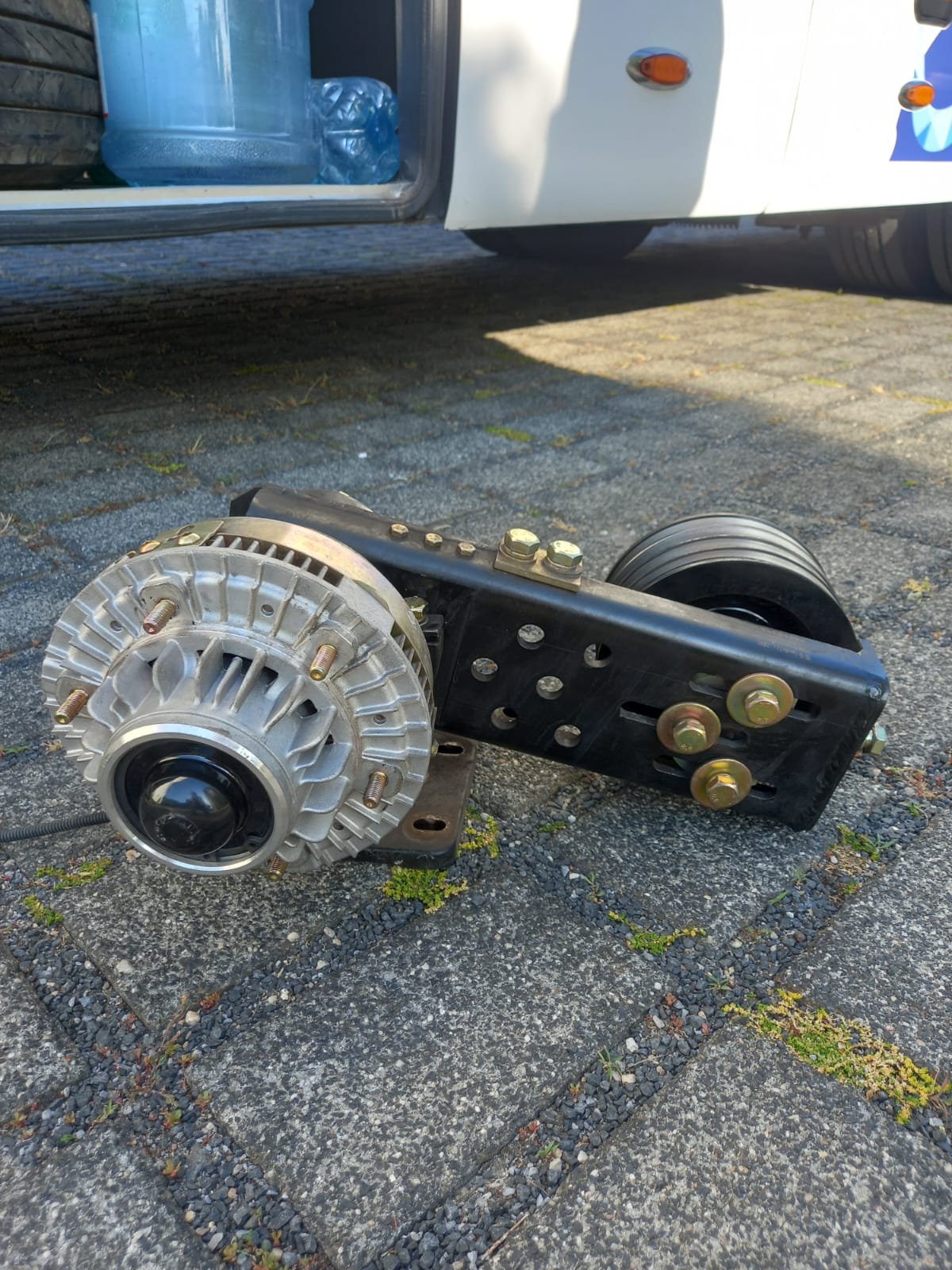
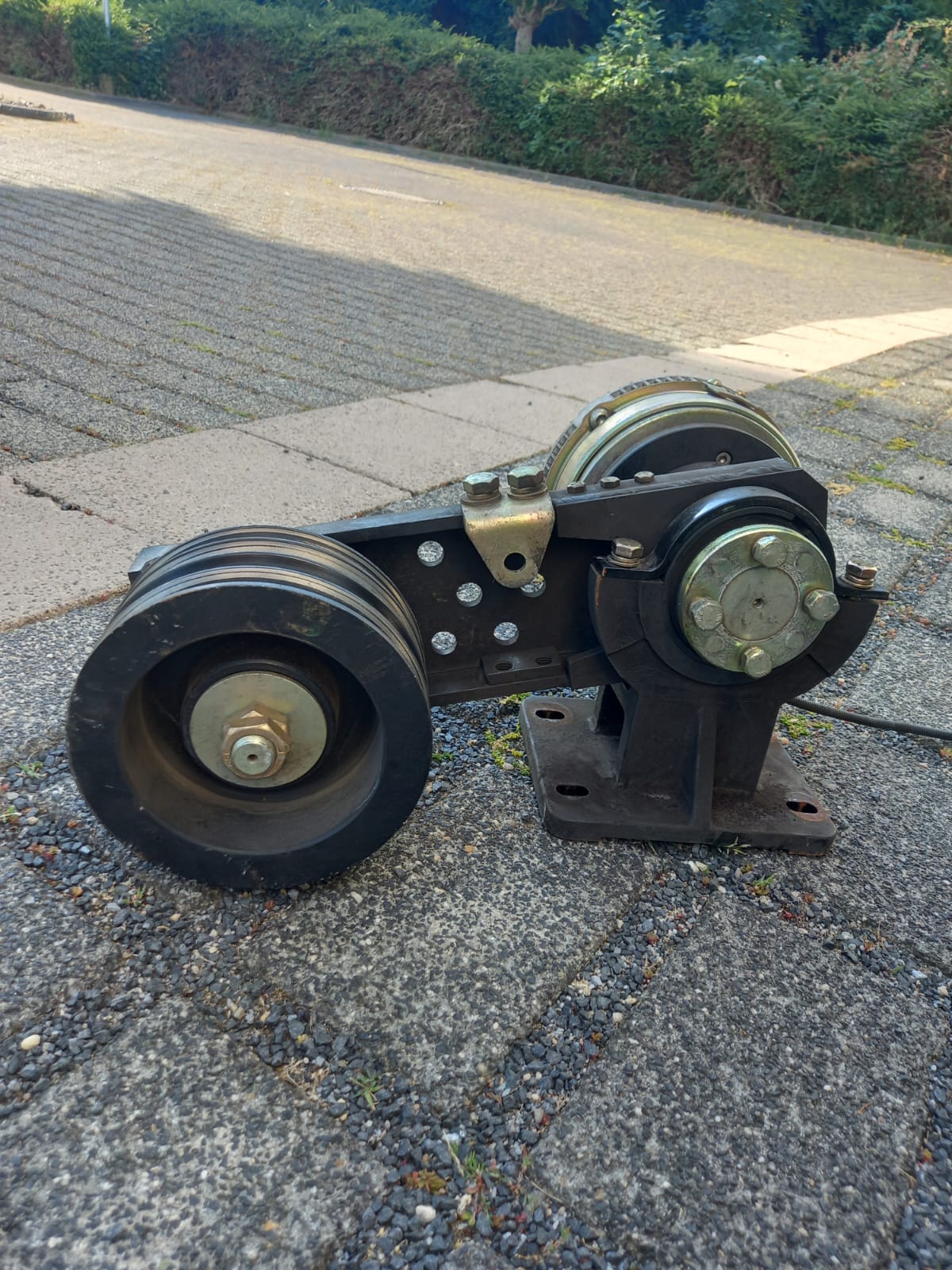
The most common causes of an engine compartment fire in a coach are oil or fuel leaks onto hot exhaust components, turbocharger failure, electrical short circuits, and dirt or dust build-up in the engine bay. All four factors share one trait: they tend to develop gradually and are usually only noticed once smoke becomes visible.
A leaking oil or diesel line dripping onto the hot exhaust tract is one of the most frequent triggers. Turbochargers operate at several hundred degrees Celsius, and a fault in the turbo’s oil supply can lead to ignition within minutes. Electrical short circuits, caused by chafed cabling or corroded connectors, are another classic cause, particularly on older or heavily used vehicles.
An often-underestimated factor is dust and dirt accumulation in the engine bay. Leaves, oil mist and road grime settle on hot surfaces over months and act almost like tinder once a heat source reaches them. Regular cleaning of the engine bay during servicing meaningfully reduces this risk.
Why Does a Coach Burn Faster Than a Lorry?
A coach bus burns out faster than a lorry because it carries far more combustible material: seat upholstery, carpeting, plastic trim and insulation. On top of that, the engine bay ventilation, designed for cooling, acts like a chimney during a fire and fans the flames.
Within minutes, a small engine bay fire can spread through cable ducts and ventilation channels into the passenger compartment. That’s exactly why the driver’s quick reaction matters so much: every minute between the first sign of smoke and full evacuation counts. A driver who stops and evacuates immediately, rather than trying to reach the next exit, buys the group critical time.
What Should a Coach Driver Do When Smoke Appears?
If smoke appears from the engine compartment, the rule is: stop immediately, hazard lights on, evacuate passengers forward through the front door and behind the crash barrier, then call 112. A fire extinguisher only helps at the very earliest stage and must never be used to force the engine cover open suddenly.
The sequence is deliberately fixed:
- Stop and secure – hazard lights on, pull as far onto the hard shoulder as possible, place a warning triangle only if it can be reached safely.
- Evacuate – move passengers through the door away from the fire, usually the front door, straight into the open and behind the crash barrier.
- Call emergency services – dial 112, giving exact location: motorway, direction of travel, junction number or nearest exit.
- Fire extinguisher only at the earliest stage – small visible flames only, never force open the engine cover. The sudden inflow of oxygen can flare up trapped embers.
- Keep clear – after evacuation, maintain distance from the vehicle; tyres and compressed air tanks can burst under heat.
A driver who knows and follows this sequence significantly reduces the risk to passengers — as demonstrated near Montabaur, where every passenger came away unharmed.
Why Isn’t a Coach Driven Away Under Its Own Power After the Fire Is Out?
Even a coach that looks fully extinguished never continues on its own power after an engine fire. There’s a risk of re-ignition from hidden embers, and wiring, brake lines and hydraulic systems are often heat-damaged in ways that aren’t visible from outside.
This is exactly why recovery is always the standard procedure, even if the engine could technically still start. Melted cable insulation can cause later short circuits, and brake lines can become brittle from heat exposure. Sending a vehicle in this condition back onto the motorway would be an unacceptable risk to every other road user.
How Do the Recovery Team, Fire Brigade and Police Work Together?
Our recovery team only enters the site once fire crews and police have given explicit clearance. Until then, the site is restricted, and only emergency services operate within it.
The process follows a clear hierarchy: the fire brigade extinguishes the blaze and carries out damping-down work to rule out re-ignition. Police secure traffic, divert vehicles, and document the incident for later investigation. Only once both incident commanders declare the site safe does handover to the recovery crew take place. This handover isn’t a formality — it confirms no embers remain active and that the carriageway can bear the weight of heavy recovery equipment.
This coordination takes time, but it isn’t negotiable. At Montabaur, around 30 minutes passed between the fire being fully extinguished and the site being cleared — time the fire brigade used to inspect the engine bay and check for renewed heat build-up.
What Documentation Does the Insurer Need After a Coach Fire?
For a claims settlement, insurers typically need a complete photographic record, a recovery log with timestamps, and a copy of the police report. These three documents form the basis of any insurance claim following a vehicle total loss caused by fire.
Our team produces systematic photo documentation on every job: the vehicle’s condition before work begins, damage to the bodyshell and engine bay, the attachment points used for recovery, and the condition after loading. Alongside that comes a log with exact timestamps — when clearance was given, when recovery started, when the vehicle left the site. For the coach operator, the police report is equally important, since it usually forms the basis of the claim submitted to the comprehensive insurer.
Full Recovery Timeline at Montabaur
| Time | Phase | Action |
|---|---|---|
| 13:10 | Emergency | Driver notices smoke, pulls onto the hard shoulder |
| 13:12 | Evacuation | Passengers moved through the front door behind the crash barrier |
| 13:14 | Alerting | Emergency call placed, fire brigade alerted, our dispatch notified |
| 13:42 | Firefighting | Fire crews arrive, begin extinguishing with foam |
| 14:25 | Fire out | Flames fully extinguished, damping-down of the engine bay |
| 14:55 | Site cleared | Scene released for recovery work |
| 15:35 | Recovery starts | Specialist coach recovery vehicle arrives |
| 15:35–17:05 | Recovery | Securing, loading, inspection (90 minutes) |
| 17:15 | Departure | Coach leaves the scene, carriageway cleaned |
| 18:10 | Job complete | Job closed, vehicle at partner workshop |
Total time from emergency call to job completion: 5 hours.
How Much Does Recovering a Coach Bus After a Fire Cost?
| Item | Price (EUR) |
|---|---|
| Callout for specialist coach recovery vehicle | 320 |
| Recovery and loading work (3.5 hrs at €160) | 560 |
| Site securing / traffic management | 260 |
| Carriageway cleaning after firefighting | 300 |
| Wait time / coordination with fire brigade & police (1.5 hrs) | 220 |
| Documentation for insurance | 100 |
| TOTAL (net, plus VAT) | 1,760 |
Recovering a coach is generally more expensive than a comparable lorry recovery. The reason lies in the vehicle itself: it requires specialist equipment with matching attachment points, often a second vehicle for traffic management, and cleaning the carriageway after firefighting is more involved than a straightforward tow. For comparison: a coach standing idle costs the operator, depending on the season and booking load, several hundred euros a day too — so a fast recovery limits not only the technical but also the commercial damage.
Why Shouldn’t You Try to Organise Recovery Yourself?
A coach operator who tries to organise recovery without a specialist partner risks secondary damage that ends up costing more than the recovery itself. A standard tow truck without the right cradle for a coach can damage the bodyshell, panoramic windows or the underfloor.
Other risks of improvised solutions:
- Lack of coordination with fire brigade and police leads to delays or even the recovery being halted on site.
- Insufficient photo documentation makes the later insurance claim substantially harder.
- Unsuitable attachment points on the vehicle cause additional bodyshell damage that can no longer be separated from the original fire damage.
- Without trained traffic management staff, there’s an added accident risk for emergency crews and the recovery team itself.
An experienced partner knows the procedures around working with the authorities, has the right equipment on hand, and delivers the documentation the insurance process actually requires.
Other Coach Bus Emergencies We’re Regularly Called Out For
Beyond engine fires, we regularly attend other coach bus emergencies: gearbox failures on the motorway, similar to a coach recovery we documented near Freiburg im Breisgau, rear-axle tyre blowouts on fully loaded coaches, electrical failures in the on-board systems during winter, and collisions caused by other drivers that leave the coach unable to continue. We’ve also broken down typical towing costs across these scenarios, and the Towing Service page has the full range of recovery work our teams handle daily.
Each of these cases follows its own logic: a gearbox failure usually allows time for an orderly recovery, while a fire means every minute counts. What stays constant across all of them is the priority order: people first, vehicle second.
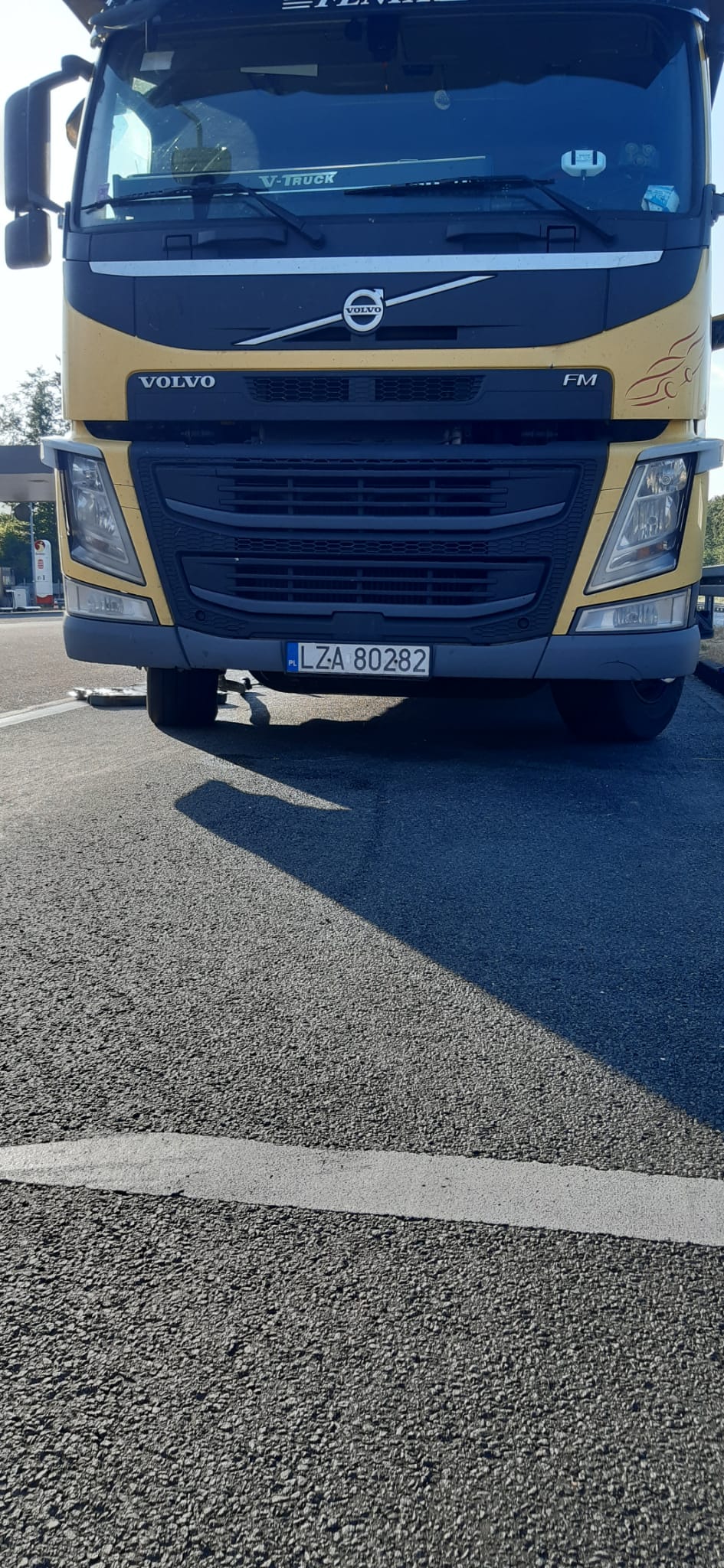
Prevention: How Can Coach Operators Reduce Fire Risk?
Regular inspection of the engine bay for oil and fuel leaks, cleaning out dust and dirt build-up, and early checks of the turbocharger and on-board electrics meaningfully reduce fire risk. Many engine bay fires give warning weeks in advance through a faint smell of oil or on-board electronics warning messages.
Recommendations for fleet operators:
- Have the engine bay checked for oil traces and chafed cabling at every major service.
- Test fire extinguishers and smoke detectors in the engine bay regularly for function.
- Train drivers on the smoke-response sequence: stop, evacuate, call emergency services, drilled until automatic.
- Follow manufacturer maintenance intervals for turbochargers and fuel lines strictly, especially on high-mileage vehicles.
According to the ADAC, technical faults in the engine and on-board electrics are the most common cause of vehicle fires on German motorways. Consistent maintenance remains the single most effective form of prevention.
Beyond the Engine: Tyres, Maintenance and Fleet Care for Coach Buses
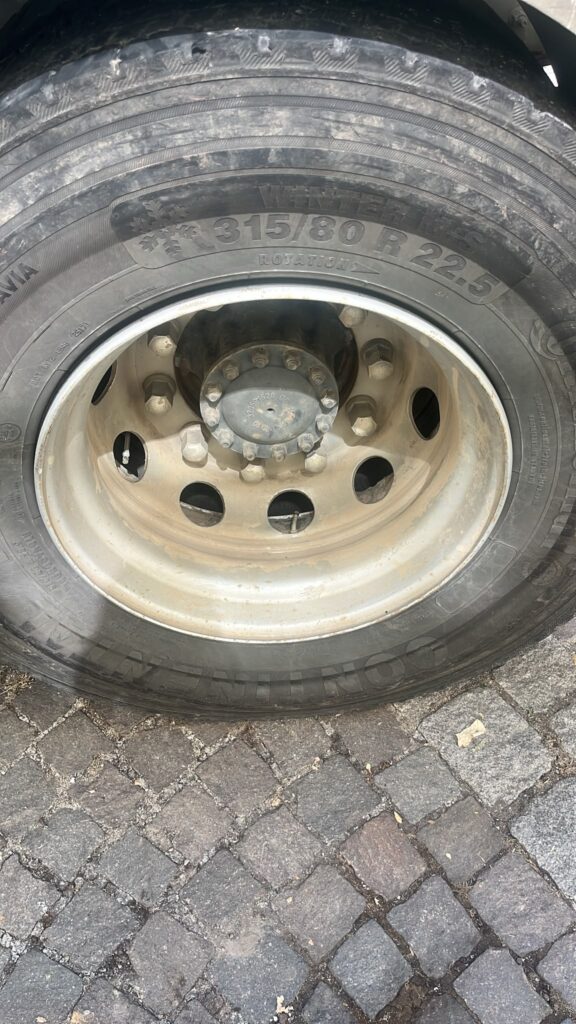
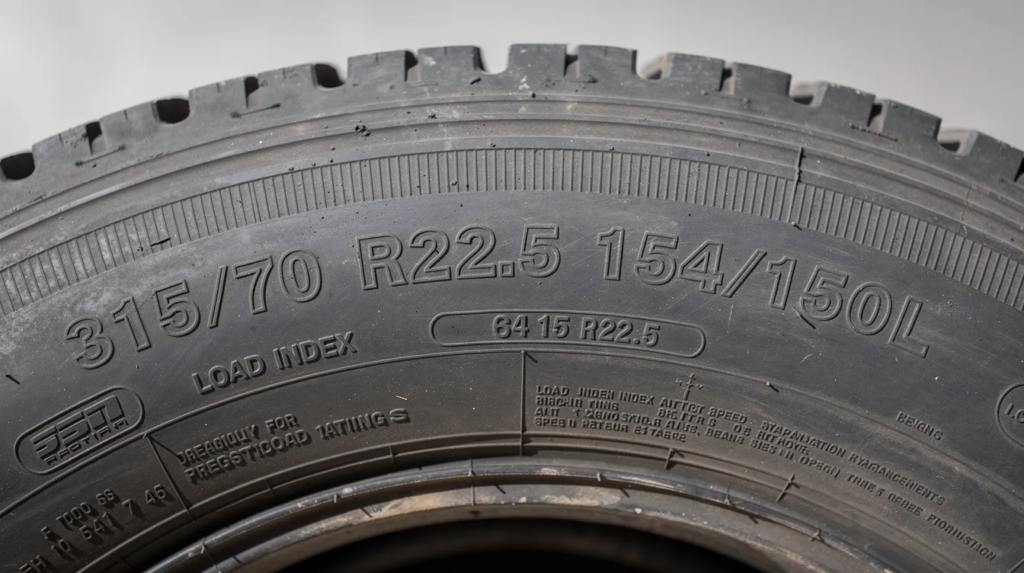
Alongside the engine bay, tyres are another safety-critical area for coach buses. Fully loaded, with luggage and a full passenger count, axle load runs significantly higher than when empty, which makes tyre pressure and tread depth decisive factors. Manufacturers such as Michelin, Continental and Bridgestone produce coach-specific tyres with reinforced carcasses built for sustained motorway load.
Under German regulation (§ 36 StVZO), a minimum tread depth of 1.6 mm is required by law, though specialist workshops for coaches typically recommend replacement well before that point, since aquaplaning risk rises sharply on low tread when fully loaded. Combined with regular maintenance of the braking system, cooling system and on-board electrics, this significantly cuts the risk of unplanned motorway downtime — whether that’s caused by a tyre failure or, as at Montabaur, an engine bay fire.
A well-maintained fleet ultimately isn’t just a safety question but a commercial one: every unplanned coach stoppage means downtime, replacement coach logistics, and potential reputational damage with the travel group involved.
Why Choose LKWHelp24 for Coach Bus Emergencies
We’re available 24/7 across Germany, with a multilingual dispatch team that supports international drivers and coach operators in their own language. Our partner network has specialist equipment for coaches, not just lorries, and we work with transparent, fixed net pricing agreed before any work begins.
What sets us apart from an improvised solution: vetted partners across the whole country, clear coordination with fire brigade and police before every job, and complete documentation that coach operators can submit directly to their insurer.
Frequently Asked Questions About Coach Bus Recovery After a Fire
How much does it cost to recover a coach bus after an engine fire?
In the Montabaur case, the total came to €1,760 net, covering callout, recovery, traffic management, carriageway cleaning and documentation. Coach recoveries generally range from €1,600–€2,600 net, depending on distance and effort involved.
How long does a coach recovery take after a fire?
From the emergency call to full job completion, the Montabaur case took 5 hours. Most of that time is spent on firefighting and clearance by the fire brigade and police, not the recovery work itself.
Who pays for recovering a coach bus?
Vehicle recovery is typically billed through the coach operator’s motor or comprehensive insurance. The replacement coach for the group is a separate cost, usually organised and covered by the tour operator.
Can a coach simply drive away once the fire is out?
No. Even when a fire looks fully extinguished, there’s a risk of re-ignition from hidden embers, and cabling or brake lines may be heat-damaged. The coach is always towed away rather than driven under its own power.
What are the most common causes of engine bay fires in coaches?
Oil or fuel leaks onto hot components, turbocharger failure, electrical short circuits and dirt build-up in the engine bay are the four most frequent causes.
Why does a coach need a different recovery vehicle than a lorry?
Because of the large rear overhang, low ground clearance and delicate panoramic glazing. A standard lorry recovery vehicle can damage these components, so specialist cradle equipment is used instead.
Summary
- Location: A3 near Montabaur, Westerwald, direction Cologne
- Vehicle: Coach bus with passengers
- Cause: Engine bay fire
- Fire brigade response time: 32 minutes
- Total time to job completion: 5 hours
- Recovery cost: €1,760 net
- Passengers: evacuated unharmed, replacement coach arranged
- Secondary damage: none, thanks to immediate evacuation and prompt clearance for recovery
Get Help Now
Coach bus broken down, an engine fire, or another emergency on the motorway? Our team is available around the clock, anywhere in Germany.
Call us: +49 160 5753826
Web: www.lkwhelp24.com
24/7, all across Germany.
Keywords: coach bus recovery | engine fire coach motorway | coach towing service | A3 Montabaur | coach breakdown assistance | passenger evacuation | fire brigade coach motorway | coach operator emergency service