Skip to content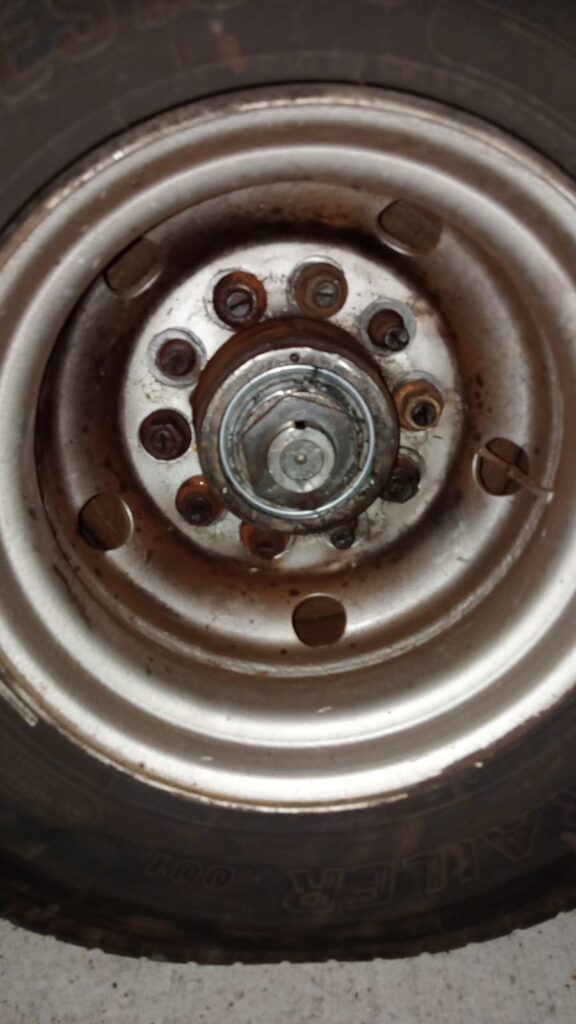
TL;DR: On 4 August, our service partner inspected eight wheels belonging to a mid-sized haulage fleet at a workshop near Dortmund, under a fleet maintenance contract: tread depth, DOT age, rim condition, wear pattern. Result: eight tyres replaced, three vehicles rotated axle to axle, the job ran from 8:00 to 13:00. Total cost, net: €4,649. No breakdown, no roadside call-out on the autobahn — pure prevention.
A stranded articulated lorry on a German motorway costs, on average, €800 to €1,200 a day in downtime, on top of recovery fees, missed delivery windows and, in the worst case, a damaged rim. All of that is avoidable when a fleet checks its tyres on a schedule rather than waiting for one to fail.
On 4 August, our service partner near Dortmund did exactly that: not a recovery job, a planned workshop appointment for a mid-sized haulage operator. Eight wheels across tractor units, trailers and one distribution truck went under inspection. This report explains what happens during that kind of check, and why it pays off for any fleet manager.
Why scheduled tyre inspection matters for a fleet
A tyre failure on the motorway is almost always the result of a condition that was already visible weeks earlier. Fleets that log tread depth, DOT date and sidewall condition on a regular basis catch risks before they turn into a breakdown. That is exactly what maintenance contracts are for — a tyre service that works through the whole fleet on a fixed schedule, rather than reacting only to a call-out.
The Ruhr-area haulage operator in this case has its tractor units, trailers and one distribution truck checked every eight to ten weeks. On 4 August, a larger batch was due: five vehicles, eight wheels needing action. Nothing went wrong on the road; the calendar simply called for it.
How does a scheduled tyre defect check actually work?
A defect check is a systematic inspection of every wheel for tread depth, age, damage and wear pattern — before a tyre fails, not after. The technician measures, records, and only then decides what gets replaced, rotated or left for the next round.
On 4 August, the process ran like this:
- Check-in and visual scan — each vehicle is logged individually, registration, mileage and last service date cross-checked.
- Tread depth measurement at multiple points — not just the centre, but inner, outer and middle of each tyre, since uneven wear is otherwise missed.
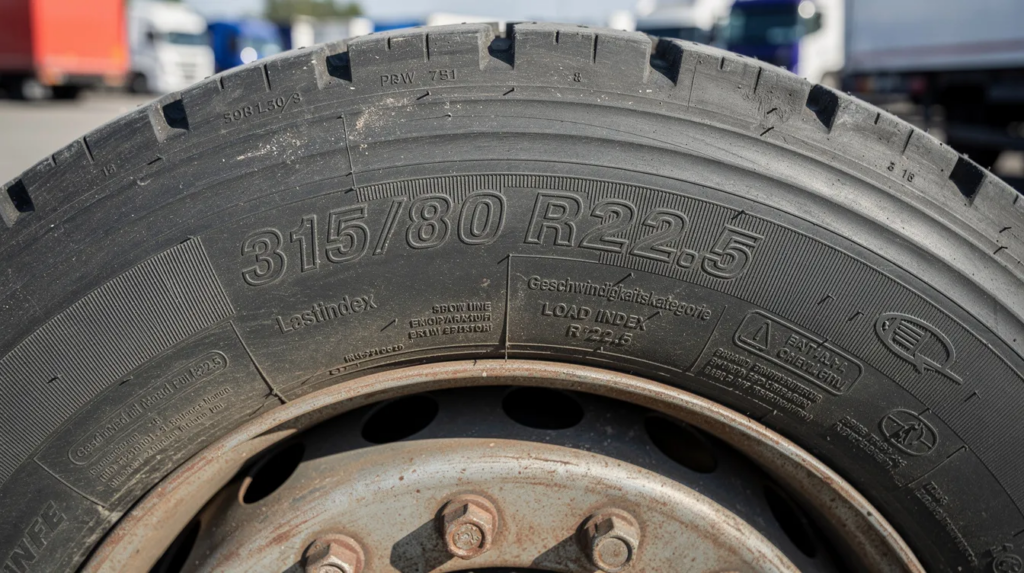
- DOT check — the four-digit code on the sidewall gives the week and year of manufacture; tyres older than six years get closer scrutiny even with adequate tread.
- Sidewall inspection — cracks, bulges, embedded objects, repair marks from earlier work.
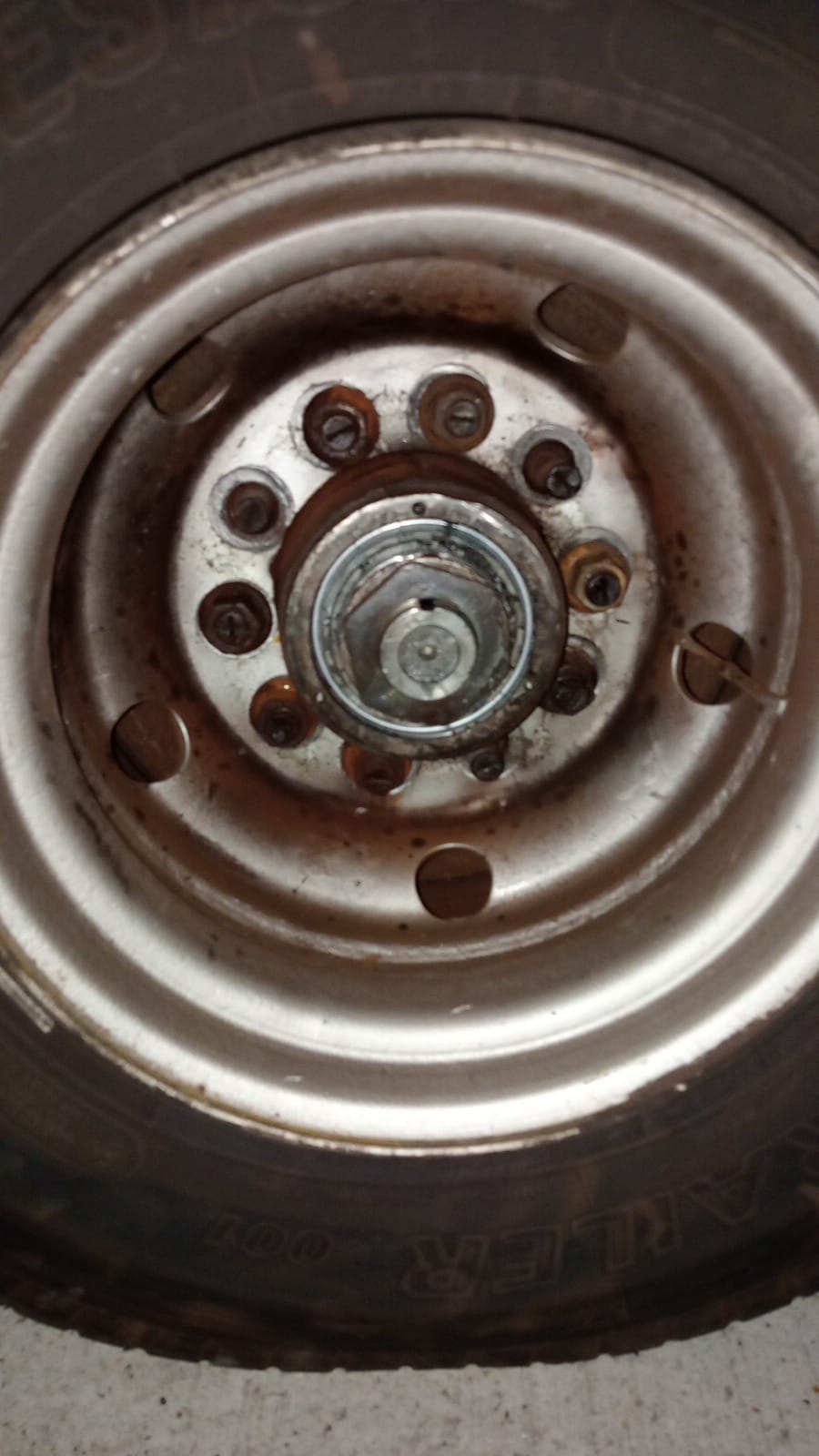
- Rim inspection — deformation, corrosion on the rim flange, condition of the wheel bolts.
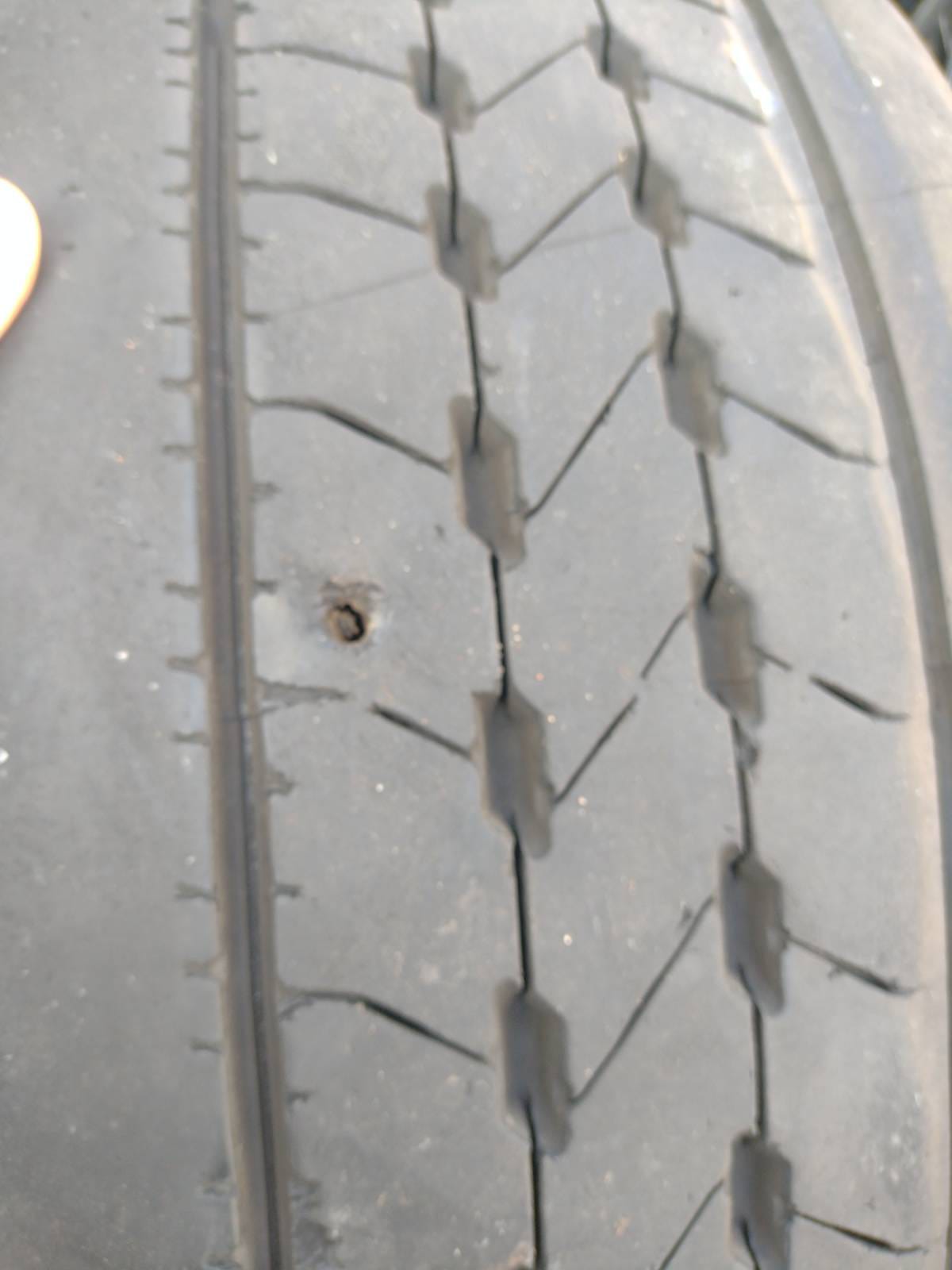
At this appointment, one tyre showed a nail embedded in the tread that had apparently not caused a pressure loss on the last run — the kind of find that only turns up under an active inspection, never during normal operation.
What tread depth is required for lorry tyres in Germany?
The legal minimum for HGV tyres in Germany is 1.6 millimetres, set out in § 36 StVZO. In practice, though, that figure is the absolute floor, not the point at which a fleet should actually change tyres.
Workshops and fleet operators usually set the practical replacement threshold at 3 to 4 millimetres on the drive axle. The reason: below that mark, aquaplaning risk rises measurably and wet-road traction drops noticeably, long before the legal limit is reached. ADAC regularly points out that wet-braking distance increases significantly once tread wears below 4 mm.
For a fleet, that means: waiting until 1.6 mm saves money on tyres in the short term but raises skid risk in autumn and winter and increases the odds of a roadside failure — with all the downstream costs that brings.
What does uneven tyre wear reveal about suspension and alignment?
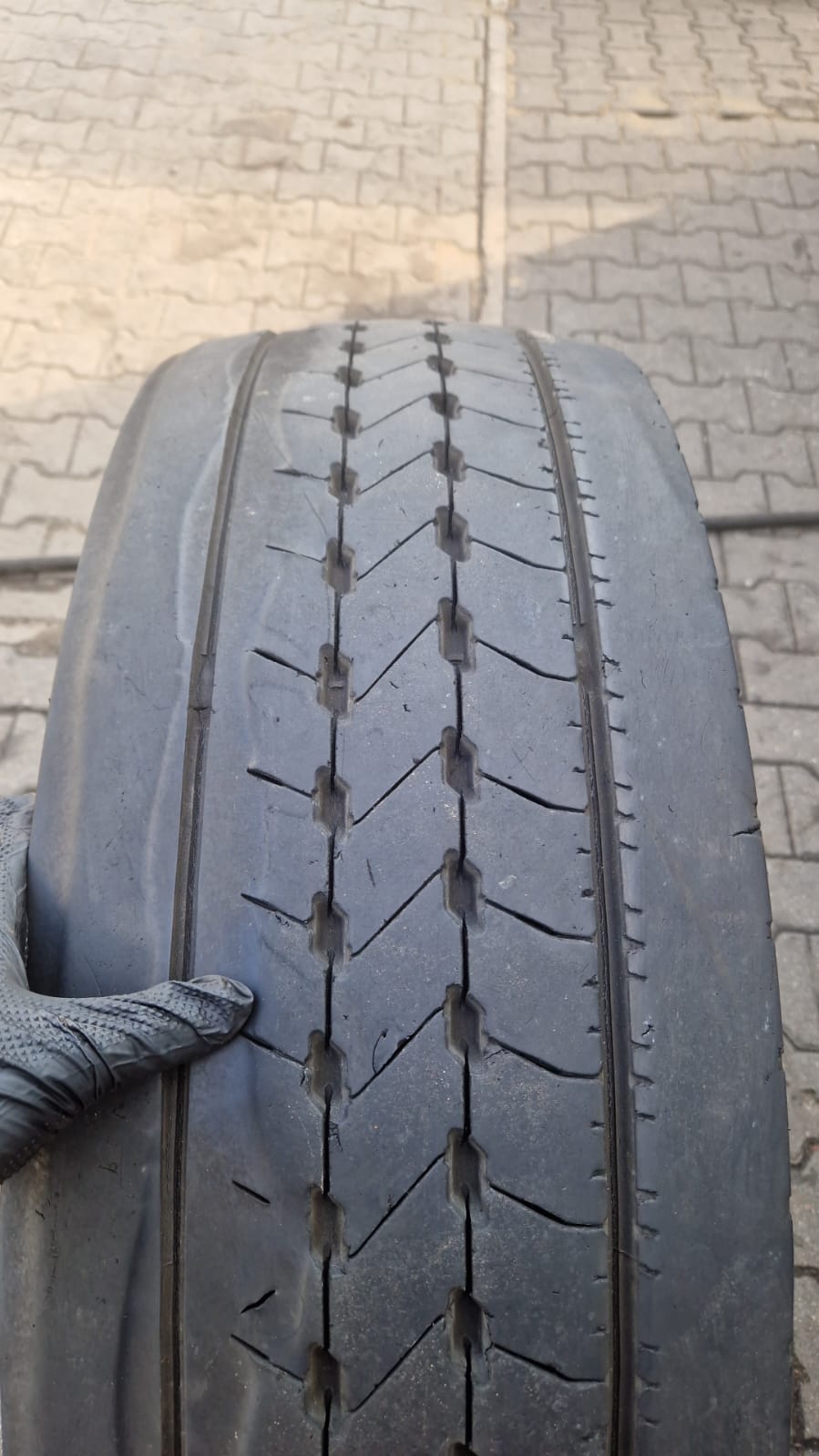
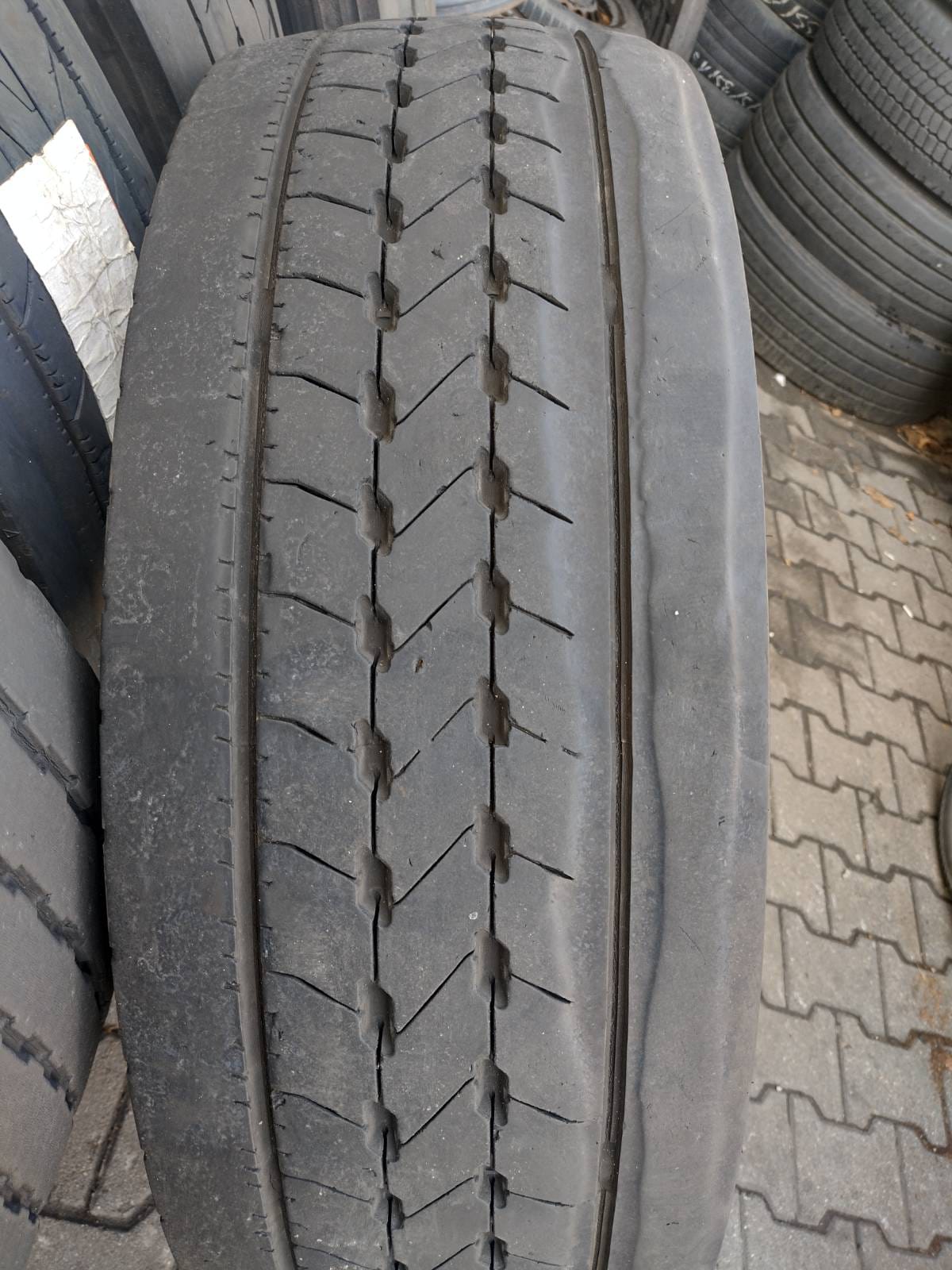
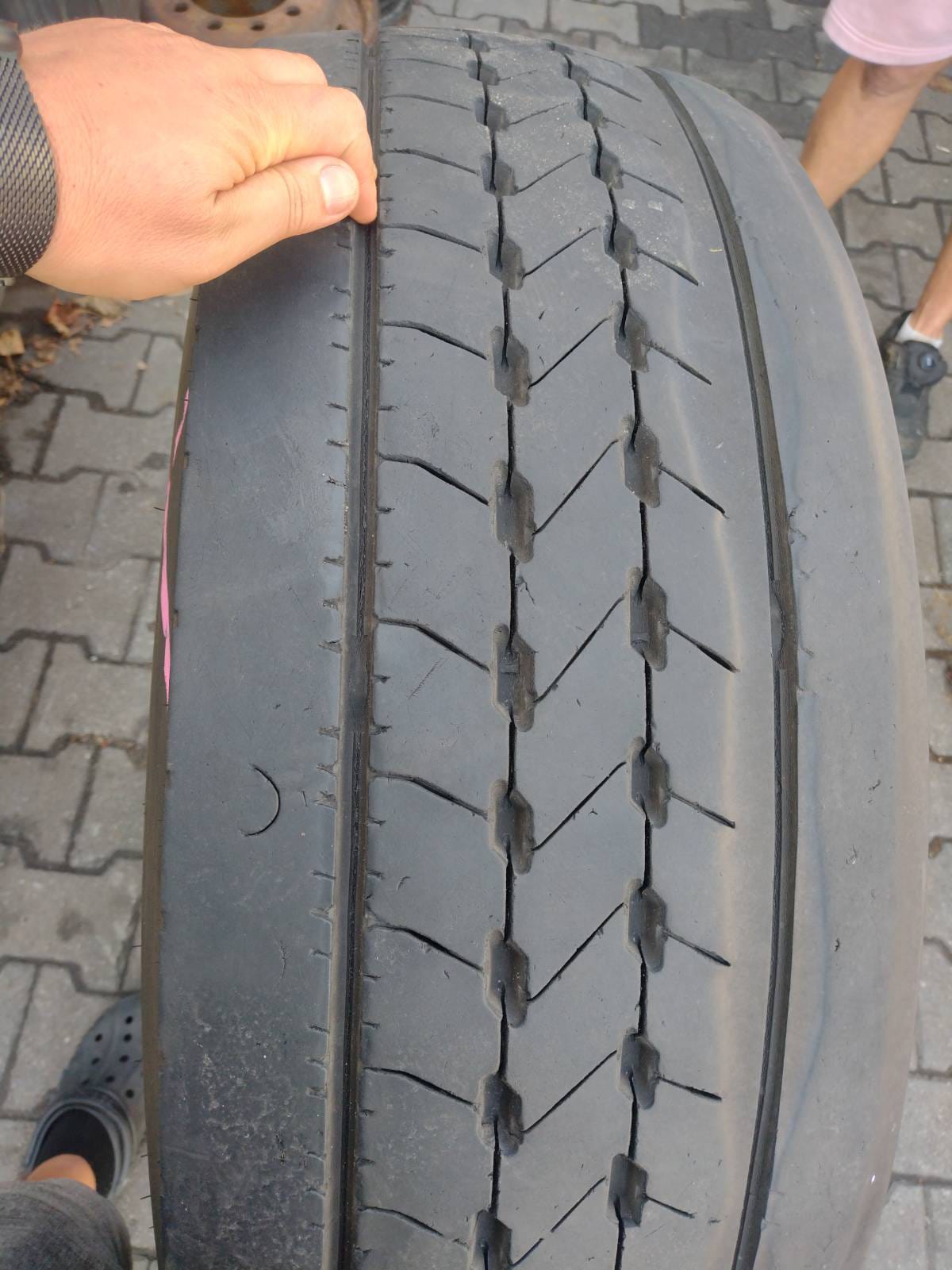
Uneven wear is rarely just a tyre problem — it usually points to a fault in suspension, pressure or axle geometry. The wear pattern itself is a diagnostic tool that an attentive technician reads.
Three patterns come up most often in practice:
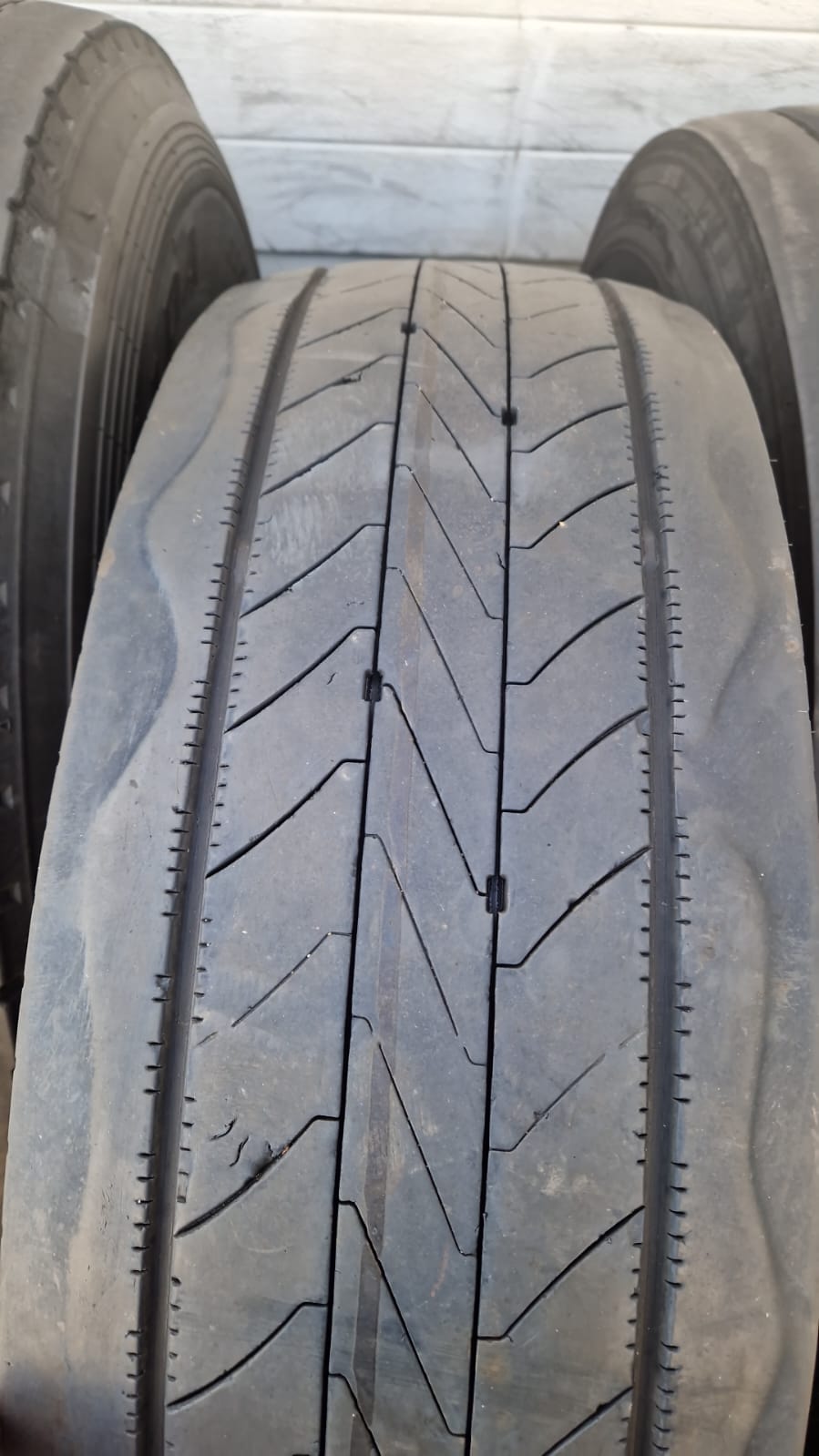
- Wear on both outer edges points to underinflation. The tyre flexes more at the shoulders, the carcass heats up, and the shoulder tread wears faster than the rest.
- Wear in the centre of the tread usually comes from overinflation. The tread bulges slightly outward, shrinking the contact patch to the centre strip.
- One-sided wear, on just the left or just the right of the tyre, is a classic sign of a camber or toe fault — an alignment issue rather than a pressure one.
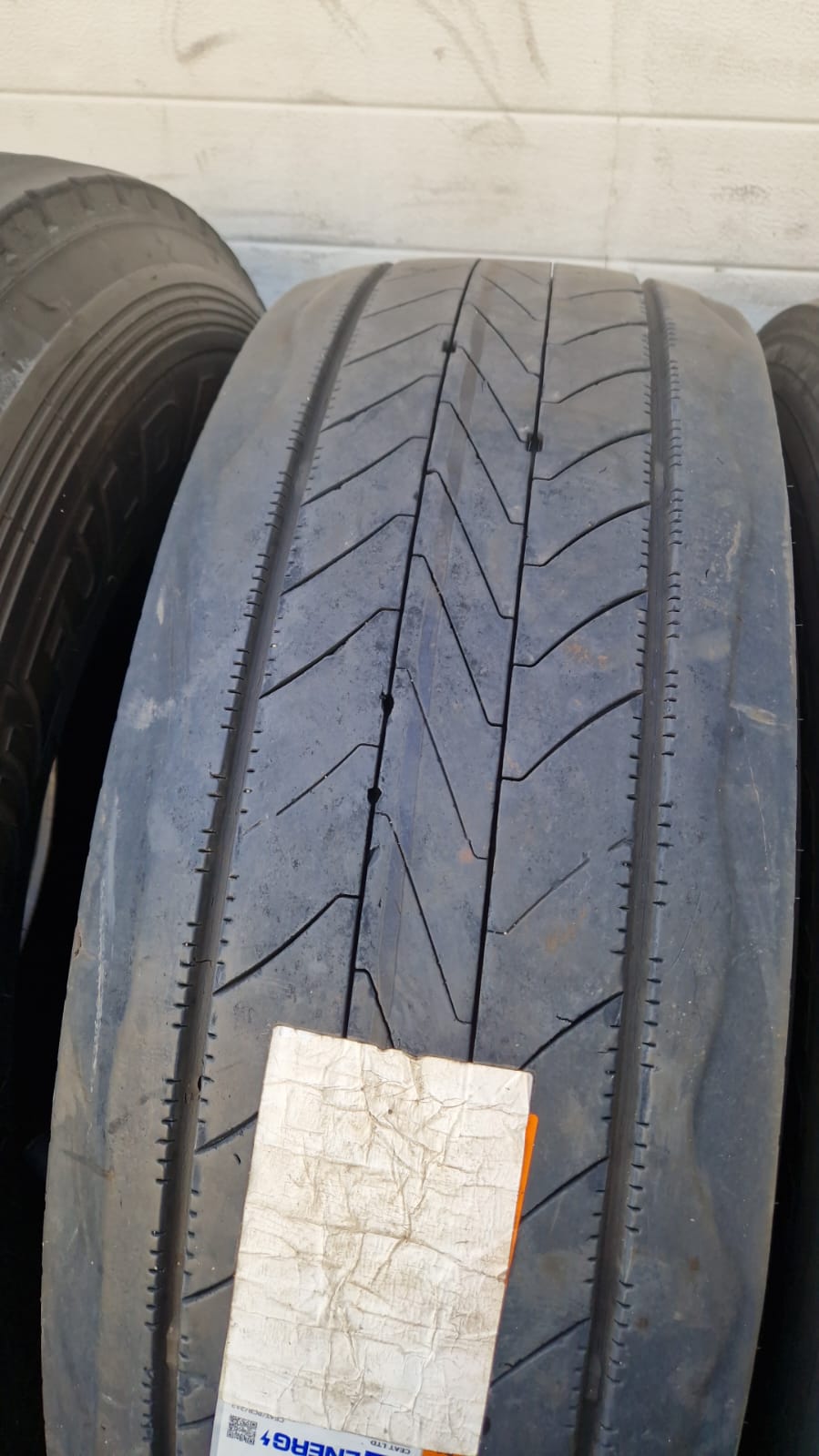
Another pattern, so-called saw-tooth or heel-and-toe wear with staggered edges across the tread, tends to show up on non-driven axles and often relates to missing rotation. At this inspection, one steer-axle tyre showed a light edge pattern — a clear cue to have the axle alignment checked at the next visit, even though the tyre itself did not yet need replacing.
When does axle-to-axle tyre rotation pay off?
Rotation pays off whenever the drive axle and non-drive axle wear at noticeably different rates — typically every 20,000 to 30,000 kilometres. It extends the life of the whole tyre set by spreading wear more evenly across every position.
On tractor units, the drive axle typically wears faster than the steer axle because of traction and braking forces. Rotating tyres between positions early on measurably extends the usable life of the whole set, because no single tyre drops below the practical replacement threshold early while the others still have plenty of tread left.
At this appointment, three vehicles were rotated axle to axle — a standard step that appears as its own line item in the invoice below, priced separately from straight tyre replacement.
Winter tyre rules for HGVs: when should a fleet switch over?
Under German rules, drive-axle tyres on HGVs must carry an M+S or 3PMSF marking in winter conditions. Preparation for that should start no later than September, not in November when workshops and tyre stock run into capacity limits.
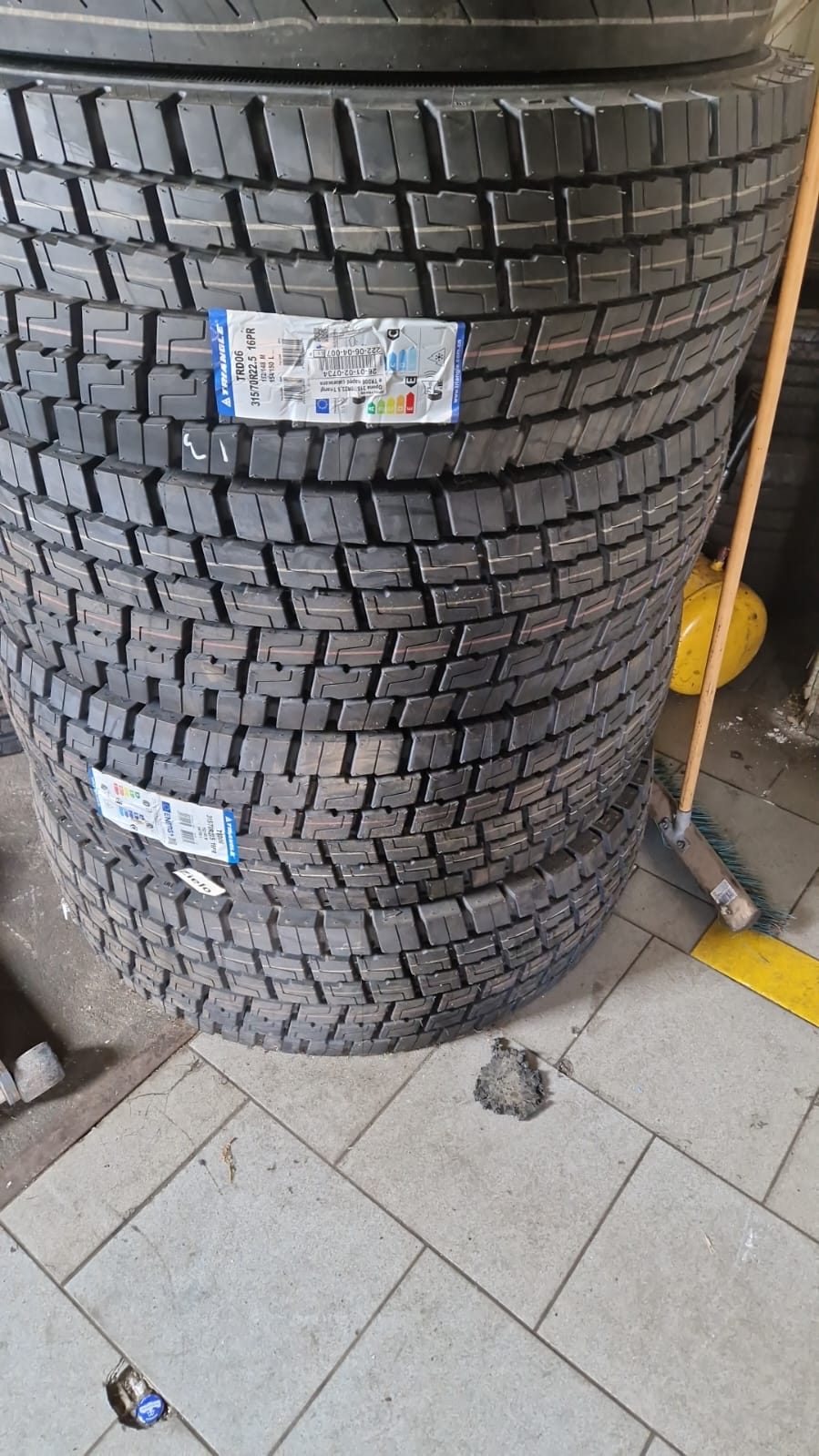
A fleet that orders winter tyres only once the first frost hits risks not getting the sizes it needs, such as 315/80 R22.5, in time. A fleet that builds the summer-to-winter switch into its maintenance calendar can use a check like the one on 4 August to flag which vehicles will need a full winter set come autumn. Full details on the legal requirements are in our article on Winter Tyres for HGVs in Germany.
What does scheduled tyre maintenance cost compared with a roadside breakdown?
Scheduled tyre maintenance for a fleet costs a fraction of what a single roadside breakdown on the motorway does. A mobile tyre change on the autobahn typically runs €750 to €1,400, plus €800 to €1,200 a day in lost vehicle time, while the same tyre swap in a workshop can be organised on a schedule and at a lower cost.
That’s mostly down to skipping the call-out fee for a mobile job, avoiding night and weekend surcharges, and bundling several vehicles into a single appointment. The table below shows the actual invoice for the 4 August appointment:
| Line item | Price (EUR, net) |
|---|---|
| Defect check & visual inspection, 5 vehicles (fleet contract) | 240 |
| Tyres 315/80 R22.5, drive axle, 4 units | 2,080 |
| Tyres 385/65 R22.5, trailer, 2 units | 960 |
| Tyres 245/70 R19.5, distribution truck, 2 units | 720 |
| Fitting & balancing, 8 wheels at €35 | 280 |
| Axle-to-axle rotation, 3 vehicles | 135 |
| Old tyre disposal, 8 units at €18 | 144 |
| Workshop fee & documentation | 90 |
| Total (net, excl. VAT) | 4,649 |
For comparison: a single mobile tyre change on the autobahn, as described in our report on Truck Tyre Service Near Dortmund on the A43, took around 90 minutes of downtime and priced a single tyre near what this entire workshop invoice covers — only unplanned, and stressful for driver and dispatch alike.
The full timeline of the workshop inspection
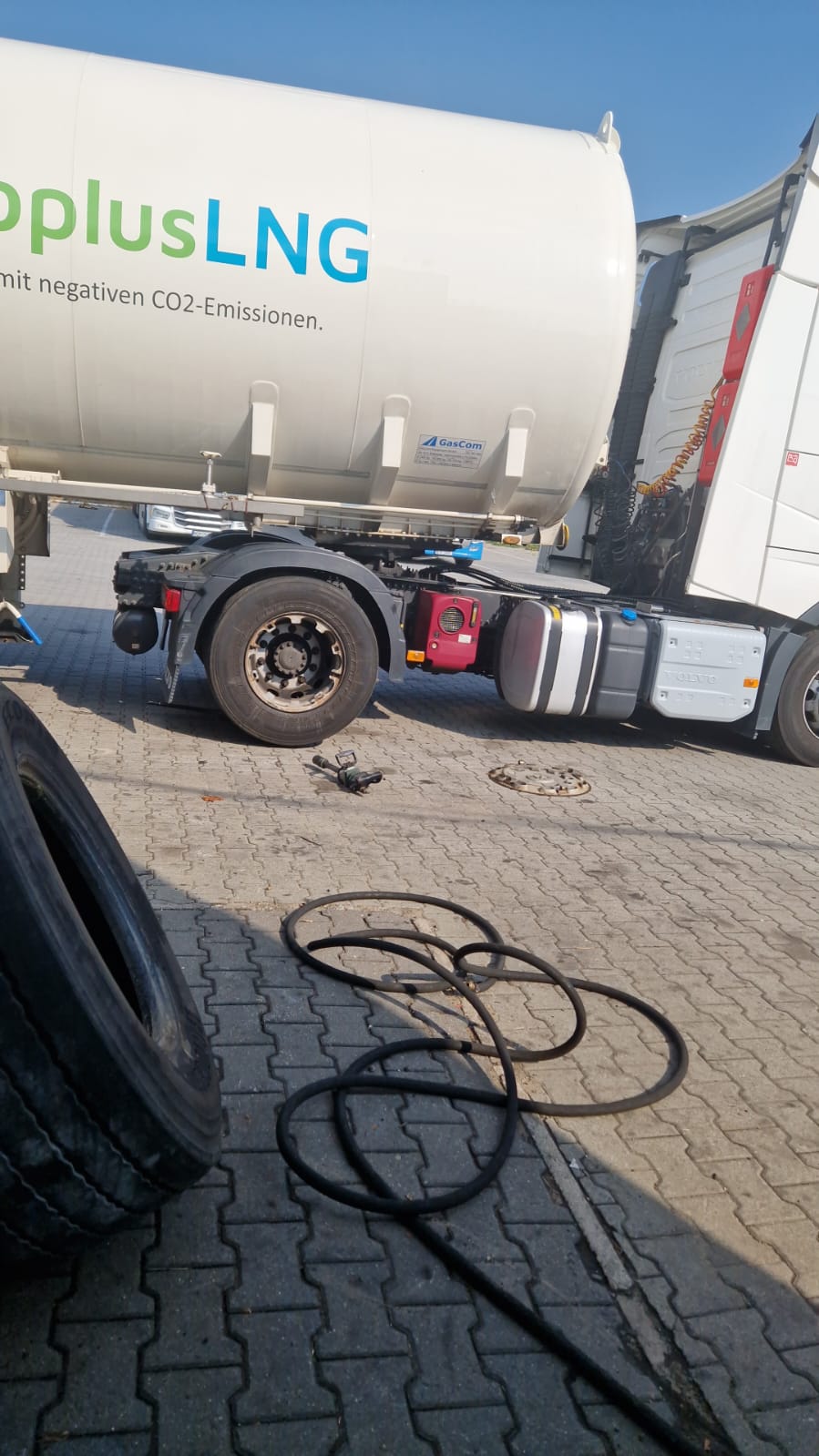
From check-in to handover of the documented vehicles, the whole appointment took five hours. The table below breaks down the sequence:
| Time | Phase | Action |
|---|---|---|
| 08:00–08:20 | Check-in | Vehicle logging, order matching, mileage records |
| 08:20–09:30 | Inspection | Tread depth measurement and visual check on 5 vehicles |
| 09:30–10:15 | Diagnosis | DOT check, rim inspection, marking of defective tyres |
| 10:15–11:30 | Fitting | Replacement of 8 tyres including removal/fitting |
| 11:30–12:00 | Balancing | Balancing of all newly fitted wheels |
| 12:00–12:30 | Rotation | Axle-to-axle rotation on 3 vehicles |
| 12:30–13:00 | Wrap-up | Final documentation, handover, old tyre disposal |
Total duration: 5 hours, for five vehicles and eight replaced wheels — well under the time a single roadside breakdown on the motorway would have cost just for the mobile tyre swap alone.
Why a maintenance contract pays off for a fleet
A maintenance contract gives an operator fixed rates, priority call-out when needed, and a complete history for every single tyre — advantages that are hard to secure on a one-off basis. Instead of renegotiating terms every time a tyre issue comes up, pre-agreed conditions simply apply.
Four points make the practical difference:
- Fixed rates for fitting, balancing and standard sizes, regardless of daily market swings.
- Priority in emergencies — a contract customer gets a technician on site faster than a walk-in.
- Seasonal set storage, so summer and winter tyres sit properly stored at the workshop instead of taking up yard space.
- Per-vehicle reporting, showing a fleet manager exactly which vehicle got which tyre when, and how wear develops month by month.
Why every tyre should be tracked by vehicle and axle
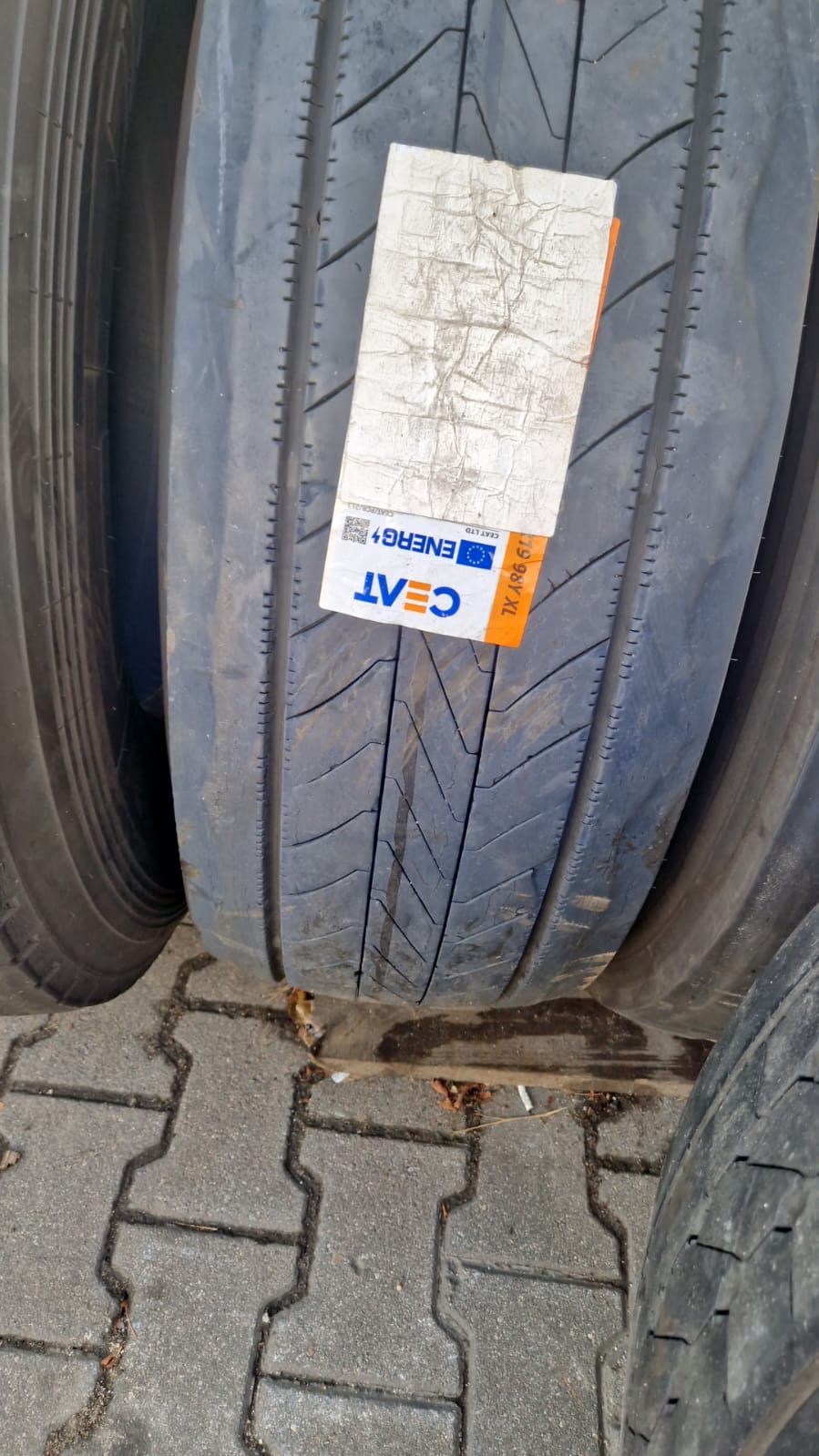
A full tyre history per axle shows which tyre was fitted when, how it wore, and when the next change is due — without that data, every decision is a guess.
For a multi-vehicle fleet, that’s not paperwork for its own sake; it’s the basis for budget planning. A fleet manager who knows a given tyre brand averages 90,000 rather than 110,000 kilometres on their duty cycle can plan purchasing and workshop slots accordingly, instead of reacting to every failure as it happens. A documented history is also usually a precondition for any warranty claim against the tyre manufacturer.
What happens when a fleet skips scheduled maintenance?
Skipping scheduled tyre checks just shifts the risk from the calendar to the motorway — usually at a worse moment and a higher cost. A tyre that would have cost around €500 to replace in the workshop can turn into a total bill of €750 to €1,400 plus downtime on the road.
The specific risks:
- An undetected object embedded in the tread can suddenly cause pressure loss under full load.
- An aged DOT date raises the risk of carcass cracking, particularly in summer heat.
- Unnoticed incorrect inflation pressure accelerates wear and measurably increases fuel consumption.
- A bent rim, the kind that shows up during a scheduled check, can cause imbalance on the road and, in extreme cases, bearing damage.
FAQ: common questions about fleet tyre maintenance
How often should a fleet get its tyres inspected?
For long-haul vehicles, every eight to ten weeks, or every 15,000 to 20,000 kilometres, whichever comes first. High-mileage vehicles benefit from shorter intervals.
At what tread depth should an HGV tyre be replaced?
The legal requirement is 1.6 mm under § 36 StVZO, but fleets typically replace drive-axle tyres already at 3 to 4 mm to avoid losing traction in wet conditions.
How does fleet tyre maintenance cost compare with a roadside breakdown?
A workshop appointment for several vehicles runs a predictable few thousand euros net, while a single roadside breakdown on the motorway alone costs €750 to €1,400 plus downtime.
How often should tyres be rotated between axles?
Typically every 20,000 to 30,000 kilometres, depending on the wear pattern on each axle.
When should a fleet switch to winter tyres?
No later than September, to avoid stock shortages at workshops and manufacturers before the first cold snap hits.
Why is a maintenance contract better than one-off orders?
Because it locks in fixed prices, priority scheduling and a documented tyre history per vehicle — none of which come with spontaneous, one-off orders.
Why a technician, not the driver, should run the tyre check
Drivers can manage a rough visual scan, but precise multi-point tread measurement, DOT interpretation and rim inspection belong in a technician’s hands. Without a gauge and experience, wear patterns are easily misread or missed entirely.
Three risks of a driver-only check:
- A quick glance isn’t enough to reliably spot edge or saw-tooth wear — the pattern often only shows up on close inspection by touch.
- Misreading the cause of wear leads to the wrong fix, such as replacing a tyre when an alignment check was actually needed.
- Without a torque wrench and the correct tightening sequence for wheel bolts, imbalance or, in the worst case, a wheel coming loose in transit becomes a real risk.
Typical call-outs around tyre service and fleet maintenance
Beyond scheduled maintenance, we handle urgent cases nationwide too: tyre blowouts on the motorway, rim damage after kerb contact, seasonal full-fleet changeovers, and emergencies for foreign drivers with no local workshop contacts. See our report on a real emergency on the mobile truck tyre service on the motorway near Hamburg for a comparison.
Prevention tips for fleets
Building the following into a maintenance schedule measurably cuts breakdown risk:
- Check tyre pressure at least weekly, not only during workshop visits.
- Log tread depth at multiple points per tyre, not just a single reading.
- Record DOT dates at every workshop visit, even when tread is still fine.
- Build rotation into the fixed maintenance schedule rather than leaving it to chance.
- Plan the seasonal changeover no later than September, not once the cold arrives.
Why fleet operators trust our maintenance service
Our service partner network is available round the clock nationwide, works to documented processes, and runs a multilingual dispatch for international drivers. Transparent pricing with no hidden surcharges, and the option to combine scheduled maintenance with emergency cover under one contract, make the difference against booking a one-off job at the nearest workshop. Learn more about our workshop services under Truck Service and our on-site fleet support under Mobile Truck Service.
Summary
- Location: service workshop near Dortmund, Ruhr area
- Date: 4 August
- Reason: scheduled tyre inspection under a fleet maintenance contract
- Scope: 5 vehicles, 8 wheels requiring action
- Duration: 5 hours (08:00–13:00)
- Cost: €4,649 net, excl. VAT
- Comparison: a single roadside breakdown costs €750–1,400 plus €800–1,200/day downtime
Book a fleet maintenance slot now
Don’t wait for the next tyre blowout on the motorway. Schedule a fleet tyre inspection and lock in fixed terms. Call us: +49 160 5753826 — 24/7, across Germany. More details at www.lkwhelp24.com.
Keywords: mobile truck tyre service | fleet tyre maintenance | truck tyre inspection Dortmund | HGV tread depth | truck tyre rotation | fleet tyre management | § 36 StVZO tread depth