Skip to content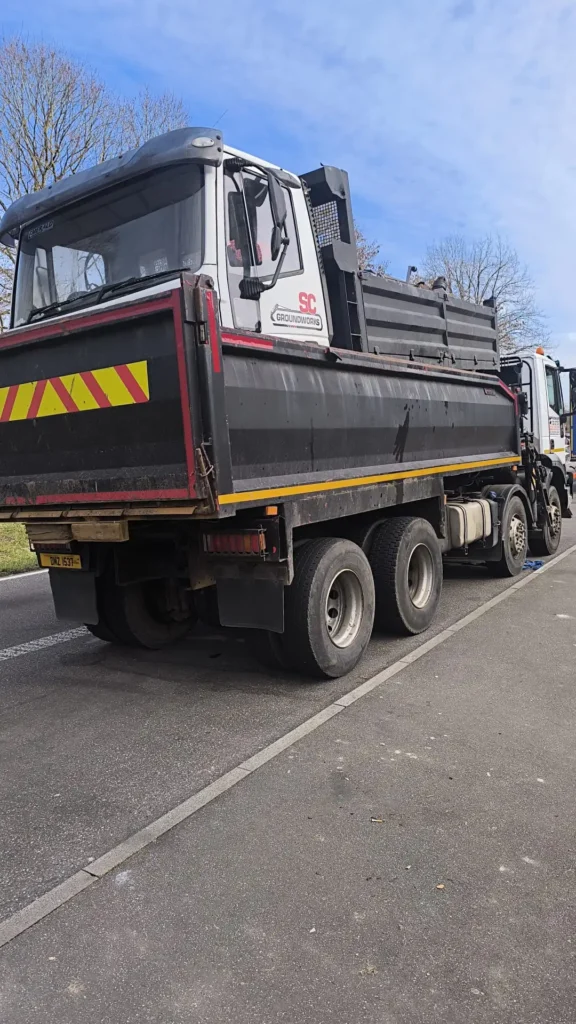
When a loaded 4-axle tipper starts losing air on the A48 hard shoulder near Koblenz, the driver has one job: get the wheel off the traffic side and wait for someone who actually knows tipper suspension. This case walks through exactly what happened when a British/Irish-registered construction tipper, working for SC Groundworks, suffered a drive-axle tyre failure while carrying a full load — and how LKWHelp24’s regional partner network had it back on the road in under two hours, without any secondary damage to the rim or axle.
If you run a fleet of construction vehicles anywhere in Germany, or you’re a driver who has just watched your tyre pressure light flick on somewhere along the A48, this is the kind of breakdown you want to understand before it happens to you. A tipper is not a curtainsider. Loaded axles, uneven weight distribution during tipping cycles, and the sheer mass sitting on a single wheel position mean a tyre problem on a tipper is rarely a “top it up and go” situation. It needs a proper mobile tyre technician, the right torque sequence, and someone who checks the rim before fitting anything new.
The good news is that with the right dispatch process, a breakdown like this doesn’t have to mean a lost day, a stranded load, or a call to the insurance company. Below is the full timeline, the exact costs in euros, and the reasoning behind every decision the technician made on site.
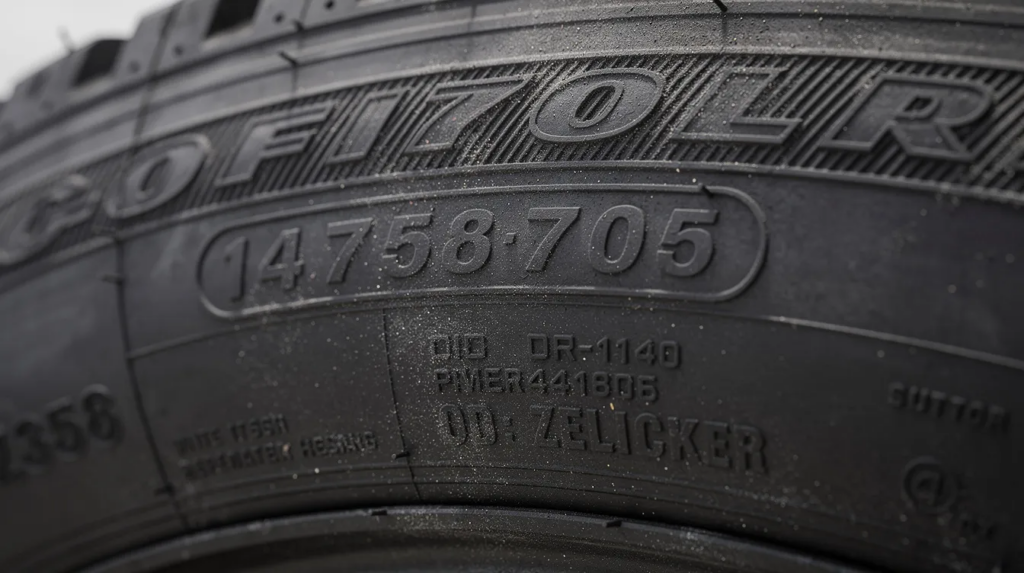
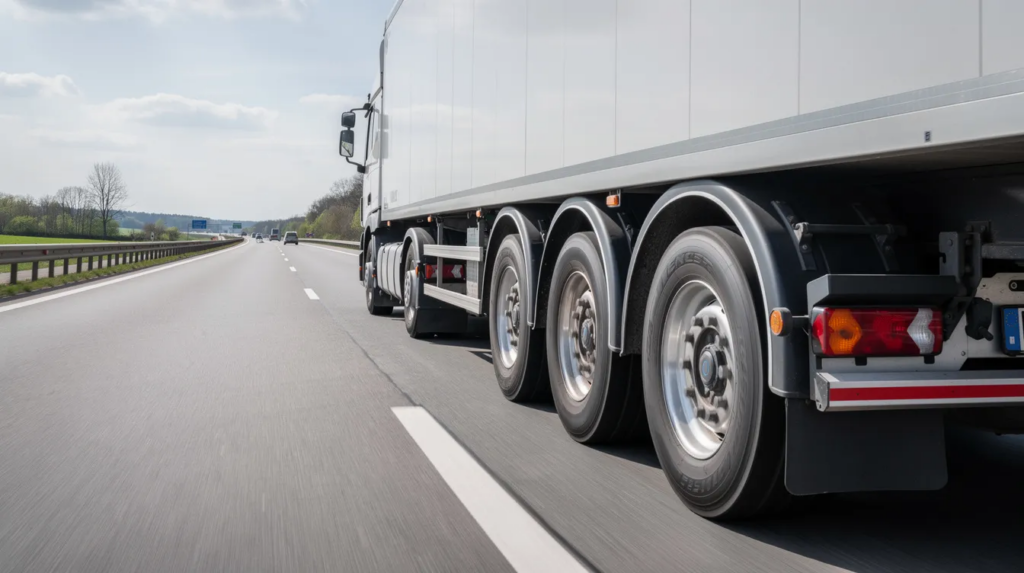
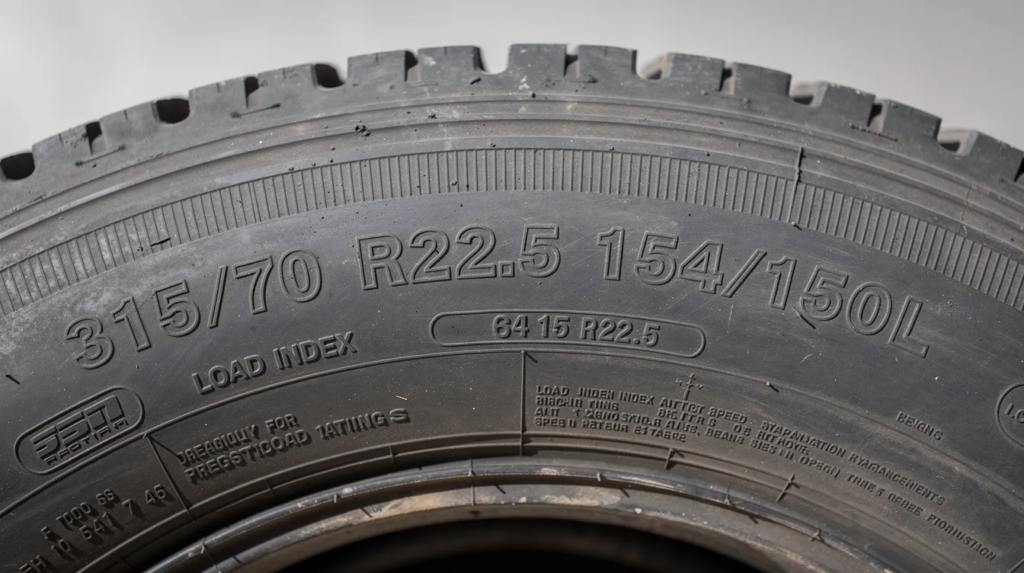
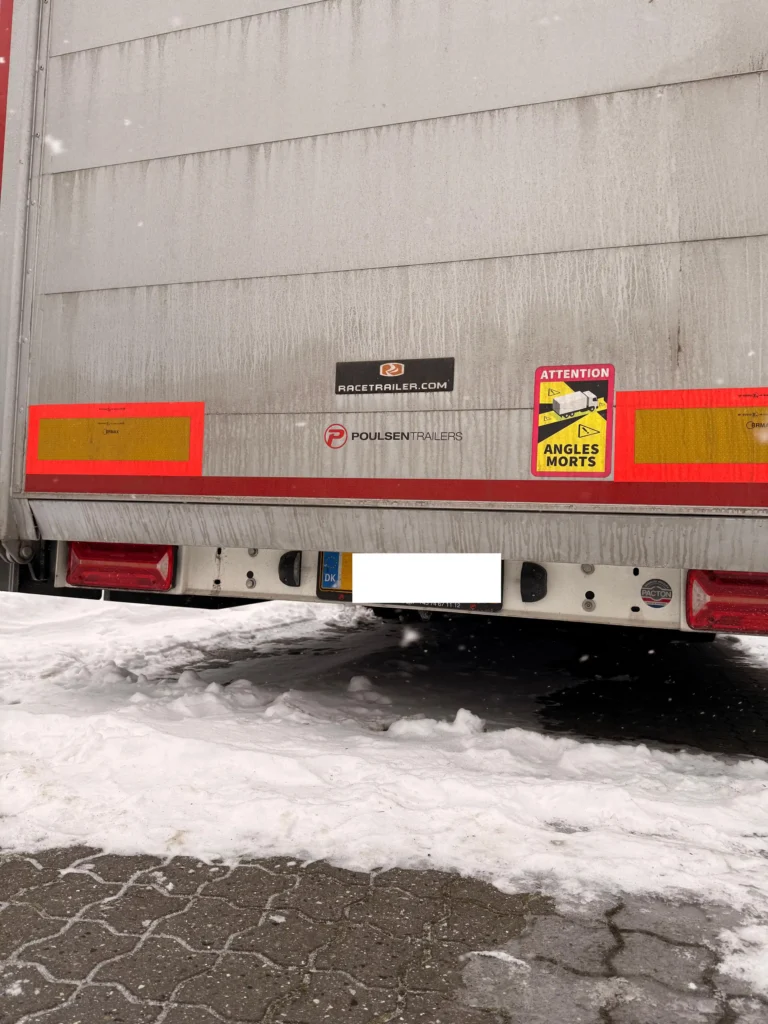
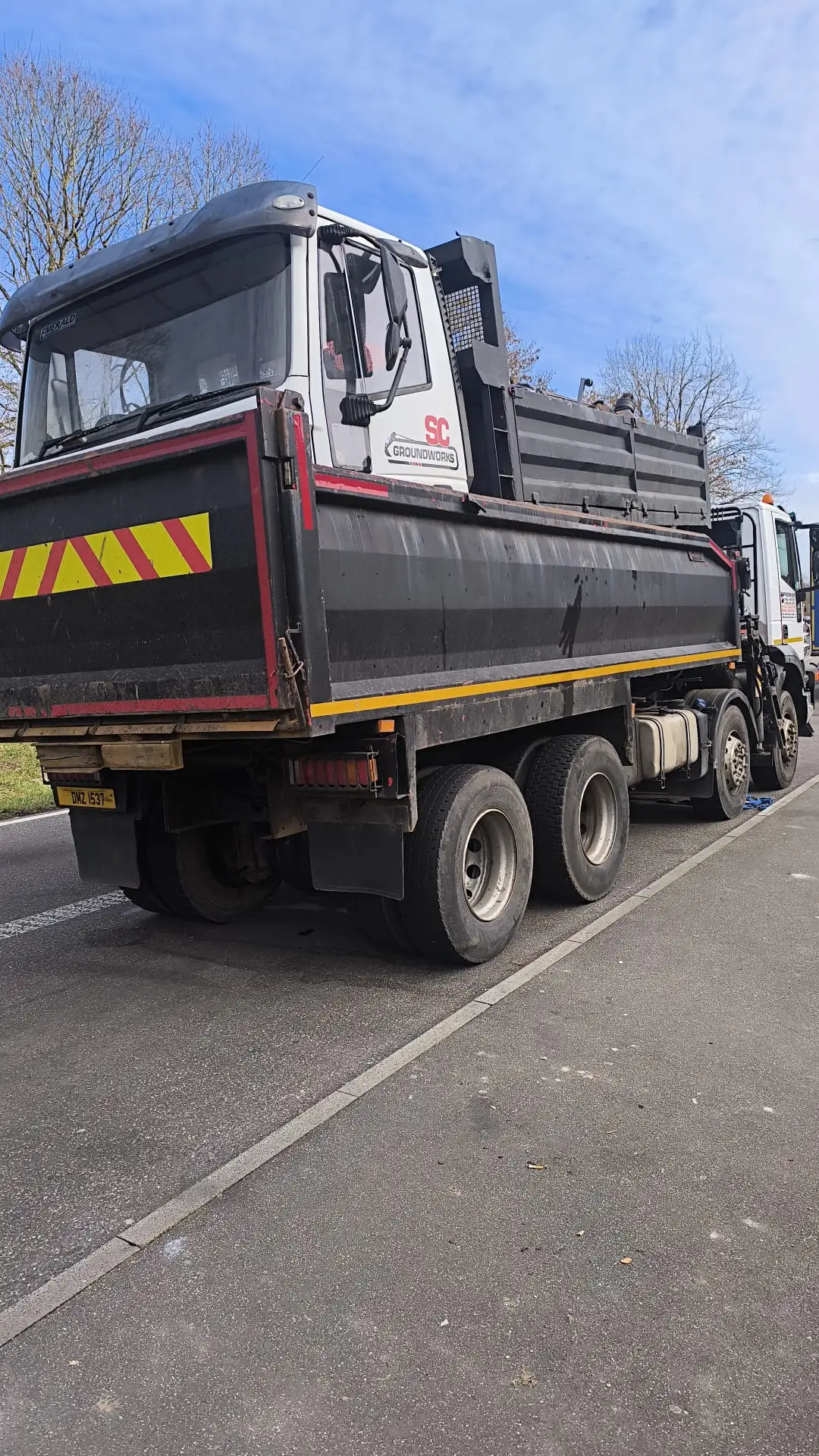
4-axle tipper with tyre damage (315/80 R22.5) on the A48 near Koblenz – mobile truck tyre service by LKWHelp24.
The Emergency: A Loaded Tipper Stranded on the A48
The vehicle in question was a 4-axle tipper working construction traffic, operating for SC Groundworks and registered in Britain/Ireland. It was fully loaded when the tyre on the drive axle began losing pressure and quickly became unroadworthy — not a slow puncture the driver could nurse to the next service station, but a tyre damaged enough that continuing was not safe.
The specification was a 315/80 R22.5, mounted on the drive axle — the axle carrying the most load and torque on a tipper of this configuration. The driver managed to bring the vehicle to a stop on the hard shoulder of the A48, heading towards Trier, near Koblenz.
Anyone who has driven a loaded tipper knows the drive axle takes a disproportionate share of punishment. Between the weight of the material, the stress of tipping cycles, and the constant load transfer on federal roads and site access tracks, drive-axle tyres wear and fail differently to trailer tyres. When one lets go on a road like the A48, with traffic running at speed past a stationary hard shoulder, the priority is simple: secure the vehicle, warn approaching traffic, and get a qualified technician there fast.
This is precisely the scenario LKWHelp24 exists for. We don’t just answer the phone — we dispatch a partner who is actually equipped and positioned to reach a loaded tipper on the hard shoulder within the hour, with the right tyre already loaded on the van.
How Help Was Organised
The moment the call came in, our dispatch process kicked into gear. Here’s what happened behind the scenes before the technician ever reached the vehicle:
● Driver called LKWHelp24’s 24/7 emergency line and gave the exact location — A48 hard shoulder, direction Trier, near Koblenz — along with the vehicle type and the fact that it was fully loaded.
● Our dispatcher immediately checked which certified partners were operating in the Koblenz region and had drive-axle tyres of the correct specification in stock on their service vehicle.
● A local LKW tyre partner was assigned and given an estimated time of arrival, which was communicated straight back to the driver so he knew exactly how long he’d be waiting.
● The partner confirmed they were carrying a 315/80 R22.5 in the right load and speed rating before leaving their base, avoiding the classic mistake of turning up with the wrong tyre and needing a second trip.
● Throughout the callout, LKWHelp24 stayed in contact with both the driver and the technician to confirm progress, which meant no guesswork and no repeated phone tag while the driver sat on a live hard shoulder.
This is the part people underestimate about mobile tyre assistance: the actual repair usually takes under an hour once the technician is on site. The variable that decides whether you lose a morning or lose a whole day is how well the dispatch is organised beforehand. Get the wrong partner, the wrong tyre size, or a vague location, and you can watch two extra hours evaporate before anyone even picks up a wrench.
The Situation On-Site
When the technician arrived at 11:08, the situation was exactly as reported: a fully loaded 4-axle tipper parked on the hard shoulder, drive-axle tyre flat and unsafe to drive on. A few technical points worth understanding here, because they explain why this isn’t a job for a roadside amateur with a compressor:
- A tipper’s drive axle typically runs tyre pressures in the region of 8.5 to 9.5 bar when loaded — considerably higher than a car tyre, and enough that an incorrectly seated bead or a damaged valve can be genuinely dangerous during inflation.
- With a full load still on the vehicle, jacking and stabilising has to be done correctly, distributing the weight safely across the remaining wheels before anyone goes near the affected corner with tools.
- A 315/80 R22.5 truck tyre and wheel assembly weighs somewhere around 80 to 90 kilograms — not something you casually swap by hand on a live hard shoulder with traffic passing at motorway speed.
- The wheel nuts on a heavy commercial axle need to be torqued back up in the correct “star” sequence, not just tightened in a circle, otherwise the wheel can sit unevenly and work itself loose over the following days.
- The rim itself needs inspecting for cracks, bent flanges, or damage from the tyre failure before a new tyre goes anywhere near it — fitting a new tyre to a compromised rim just sets up the next roadside failure.
None of this is optional, and none of it is something a driver should attempt alone, particularly on a live carriageway with a fully loaded vehicle.
Step-by-Step: What the Technician Did
Step 1 — Secure the scene. The technician positioned the service vehicle to protect the work area, set out warning triangles and hazard lighting, and confirmed the tipper’s own hazards were on before touching anything.
Step 2 — Stabilise the loaded vehicle. With a full load still aboard, the technician assessed the ground on the hard shoulder, positioned jacking equipment correctly for the axle configuration, and lifted the vehicle so the wheel could be worked on safely without shifting the load.
Step 3 — Remove the damaged wheel. The wheel nuts were loosened in sequence, the wheel and damaged tyre assembly removed, and the rim checked thoroughly for cracks, bent flanges, or any deformation that would make it unsafe to reuse.
Step 4 — Fit and inflate the replacement. With the rim confirmed sound, a new 315/80 R22.5 was mounted, seated, and inflated to 9.0 bar — the correct pressure for this axle position under load.
Step 5 — Final checks. Wheel nuts were torqued back up in the proper star pattern to the manufacturer’s specification, the wheel was spun and checked for run-out, and the technician carried out a final visual and pressure check of the whole assembly before signing the vehicle off as roadworthy.
Every step here matters. Skip the rim inspection and you risk fitting a good tyre to a bad wheel. Torque the nuts in a circle instead of a star pattern and you risk the wheel loosening on the next stretch of autobahn. This is exactly why LKWHelp24 only works with certified LKW tyre partners who follow procedure every time, not just when someone’s watching.
Full Timeline
| Time | Phase | Action |
|---|---|---|
| 10:20 | Call received | Driver contacts LKWHelp24 emergency line, reports drive-axle tyre failure on loaded 4-axle tipper, A48 near Koblenz |
| 10:32 | Dispatch | Regional partner confirmed and dispatched, ETA communicated to driver |
| 11:08 | Arrival | Technician arrives on the hard shoulder |
| 11:16 | Vehicle secured | Warning triangles set, loaded vehicle safely jacked and stabilised |
| 11:36 | Wheel removed | Damaged 315/80 R22.5 demounted, rim inspected |
| 11:54 | New tyre fitted | Replacement tyre mounted and inflated to 9.0 bar |
| 12:04 | Torque and inspection | Wheel nuts torqued in star sequence, final check completed |
| 12:07 | Roadworthy | Tipper cleared to rejoin traffic |
Total time: approximately 1 hour 47 minutes from first call to the vehicle being back on the road, with the on-site repair itself taking around 55 minutes.
Cost Breakdown
| Item | Price (EUR) |
|---|---|
| Callout / 24/7 motorway emergency service | 190 |
| Tyre 315/80 R22.5 (Continental Conti Hybrid HD3) | 330 |
| Mobile fitting and balancing on site | 90 |
| Disposal of the old tyre | 20 |
| TOTAL | 630 EUR |
Alternative tyre brands available on request include Michelin X Works and Goodyear Omnitrac, depending on stock and driving profile.
Several factors influence the final price on any given callout: the time of day (night and weekend callouts on motorways carry a premium due to staffing and safety requirements), the tyre size and load rating required, whether the tyre is in stock locally or needs to be sourced, and the complexity of the axle position being worked on. Compare that 630 EUR to the realistic alternative — calling a standard breakdown truck, having the tipper towed to a workshop, and losing the vehicle (and the load) for the better part of a day. Towing alone for a loaded 4-axle vehicle typically costs more than this entire repair, before you’ve even paid for the tyre or the lost operating hours. Mobile tyre service on the hard shoulder, done properly, is almost always the cheaper and faster option.
Why a Professional Service Is Essential
It’s tempting, especially for an experienced driver, to think a tyre change is a tyre change. On a loaded commercial vehicle it categorically isn’t, and the risks of attempting it without the right equipment and training are serious:
- Jacking a fully loaded axle incorrectly can cause the vehicle to shift or slip off the jack, which on a live hard shoulder is a genuine risk to life.
- A 315/80 R22.5 wheel assembly at 80-90 kg is a crush and back-injury hazard if handled without proper lifting equipment.
- Inflating a truck tyre to 9 bar with an incorrectly seated bead can cause the tyre to detach violently from the rim — commercial tyre inflation cages and controlled procedures exist for exactly this reason.
- Reusing a damaged or cracked rim without inspection sets up a second failure, often within days, sometimes with far worse consequences than the first.
- Incorrect torque sequencing on wheel nuts is one of the most common causes of wheels working loose on German motorways, and it’s entirely preventable with the right procedure.
- Working on the traffic side of a stationary vehicle without proper warning equipment and positioning puts the driver and any bystanders at direct risk from passing traffic.
This is why LKWHelp24 doesn’t send “whoever’s free” — we dispatch certified LKW tyre technicians who do this every day, know tipper and construction-vehicle axle configurations, and carry the right equipment to do the job safely the first time.
Typical Breakdown Situations We Handle
LKWHelp24’s partner network across Germany covers the full range of heavy vehicle breakdowns, not just tyres:
- Drive-axle and trailing-axle tyre failures on tippers, curtainsiders, and flatbeds
- Steer-axle tyre blowouts, which carry their own distinct handling risks
- Battery replacement and jump-starts for trucks and buses stranded overnight
- Roadside diagnostics for engine warning lights and drivetrain faults
- Towing and recovery (Abschleppdienst) for vehicles that can’t be repaired at the roadside
- Fuel delivery for vehicles caught out on long stretches without a fuel stop
- Lockout assistance and minor electrical faults
- Support for construction and site vehicles operating away from standard depots
Whether you’re on the A48 near Koblenz, the A1 near Bremen, or the A5 near Baden-Baden, the same principle applies: fast dispatch, the right partner, and a technician who actually knows commercial axle work.
Prevention Tips for Drivers and Fleet Operators
A tyre failure like this one is rarely completely random. A few habits reduce the odds significantly:
- Check tyre pressures cold, before the working day starts, and again if the vehicle has been sitting loaded overnight — pressure loss overnight is often the first sign of a slow puncture that will fail later under load.
- Inspect drive-axle tyres specifically for uneven wear, which often points to alignment or suspension issues on a tipper that sees regular loading and tipping cycles.
- Don’t ignore a tyre that “looks a bit low” before a loaded run — a marginal tyre under a full construction load is far more likely to fail catastrophically than the same tyre unladen.
- Keep a record of tyre age and mileage per axle position; drive-axle tyres on tippers typically wear faster than trailer positions and need more frequent replacement.
- Make sure every driver carries the LKWHelp24 emergency number and knows to give an exact location — carriageway, direction of travel, and nearest exit or kilometre marker — because that single detail is what determines how fast the right partner reaches them.
- Have a fleet maintenance schedule that inspects rims as well as tyres; a hairline crack in a rim can sit unnoticed until it fails at the worst possible moment.
Fleet Maintenance and Tyre Options for Construction and Tipper Vehicles
Fleet operators running tippers and construction vehicles face a different wear profile to long-haul operators, and tyre choice should reflect that. The Continental Conti Hybrid HD3 fitted in this case is built specifically for mixed on/off-road use — the kind of work a tipper does moving between motorway travel and unsurfaced site access roads — offering a tread pattern designed to resist cuts and irregular wear under heavy, uneven loading.
Michelin’s X Works range is a common alternative for tippers and construction fleets, built around reinforced sidewalls that cope better with kerbs, rubble, and site debris than a standard highway tyre. Goodyear’s Omnitrac range covers similar ground, with a focus on traction in variable site conditions alongside reasonable motorway wear rates.
For fleet managers, the decision usually comes down to duty cycle: a tipper that spends 80% of its time on motorways and 20% on site benefits from a tyre biased towards regional/highway wear, while one running the reverse split needs something more rugged on the tread and sidewall. Whichever brand you choose, the drive axle on a tipper should be inspected more frequently than trailer positions, given the additional torque and load it carries through every tipping cycle.
Regular fleet maintenance also means having a relationship with a mobile tyre partner before you need one. Waiting until a tyre fails on the hard shoulder to find out who covers your region, what stock they carry, and how fast they respond is the expensive way to learn — LKWHelp24 exists so fleet operators never have to find out the hard way.
LKWHelp24: Your Truck Emergency Partner
LKWHelp24 was built around a simple premise: when a truck, tipper, or bus breaks down anywhere in Germany, the driver shouldn’t have to gamble on who turns up or how long it takes. Here’s what sets our service apart:
- Available 24 hours a day, 7 days a week, across the entire country — motorways, federal roads, and construction sites alike.
- A certified network of regional partners, meaning we dispatch technicians who already know the roads and carry appropriate stock for the vehicles common in that area.
- Transparent, upfront pricing — you see the cost breakdown, not a surprise invoice after the fact.
- Multilingual support, essential for the international fleets and drivers who make up a large share of German motorway traffic, including British and Irish-registered vehicles like the one in this case.
- Direct communication throughout the callout, so drivers and fleet managers always know where their vehicle stands and roughly when it’ll be moving again.
- Coverage for the full range of heavy vehicle breakdowns, not just tyres — from batteries to towing to on-site diagnostics.
When your tipper, tractor unit, or trailer has a problem, one call gets you a technician who actually knows what they’re doing, not a lottery.
Summary
- Vehicle: 4-axle tipper, fully loaded, construction traffic (SC Groundworks)
- Tyre size: 315/80 R22.5 (drive axle)
- Location: A48 hard shoulder near Koblenz, direction Trier
- Response time: 12 minutes to partner dispatch, technician on site by 11:08 (48 minutes after the call)
- Total time, call to roadworthy: approximately 1 hour 47 minutes
- On-site repair time: around 55 minutes
- Total cost: 630 EUR
- Secondary damage: none — rim inspected and confirmed sound, wheel torqued correctly
Request Emergency Assistance Now
If your truck, tipper, or bus has a tyre problem anywhere in Germany, don’t wait and don’t attempt it yourself on a live carriageway. Call LKWHelp24 now:
Phone: +49 160 5753826
Web: lkwhelp24.com
Available 24/7 across all of Germany.
You might also be interested in
- Steer-Axle Tyre Blowout on the A5 near Baden-Baden: How LKWHelp24 Responded
- Drive-Axle Tyre Blowout on the A1 near Bremen: Full Case Study
- Steer-Axle Tyre Failure on the A14 near Leipzig: Emergency Response Timeline
- Truck Tyre Blowout on the A2 near Hannover: Full Recovery Case
- Continental Truck Tyres — official range: https://www.continental-reifen.de/
- ADAC Truck Breakdown Assistance guidance: https://www.adac.de/