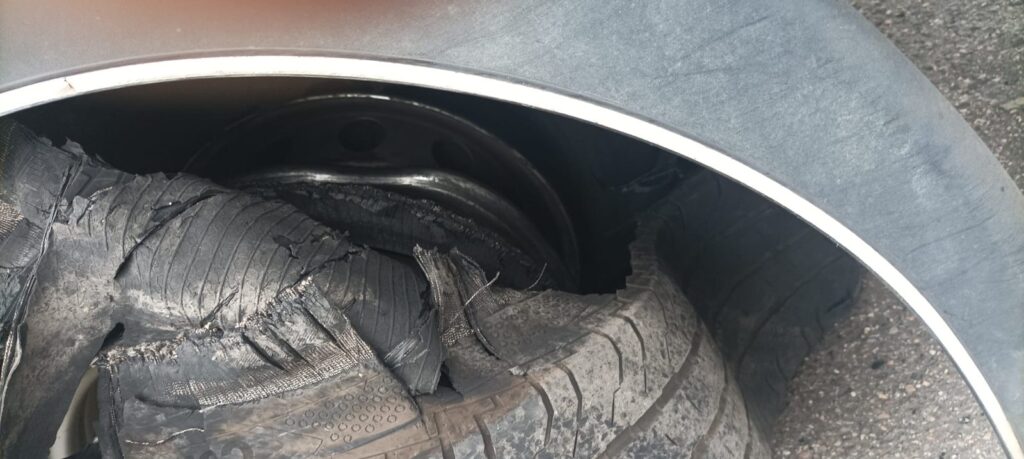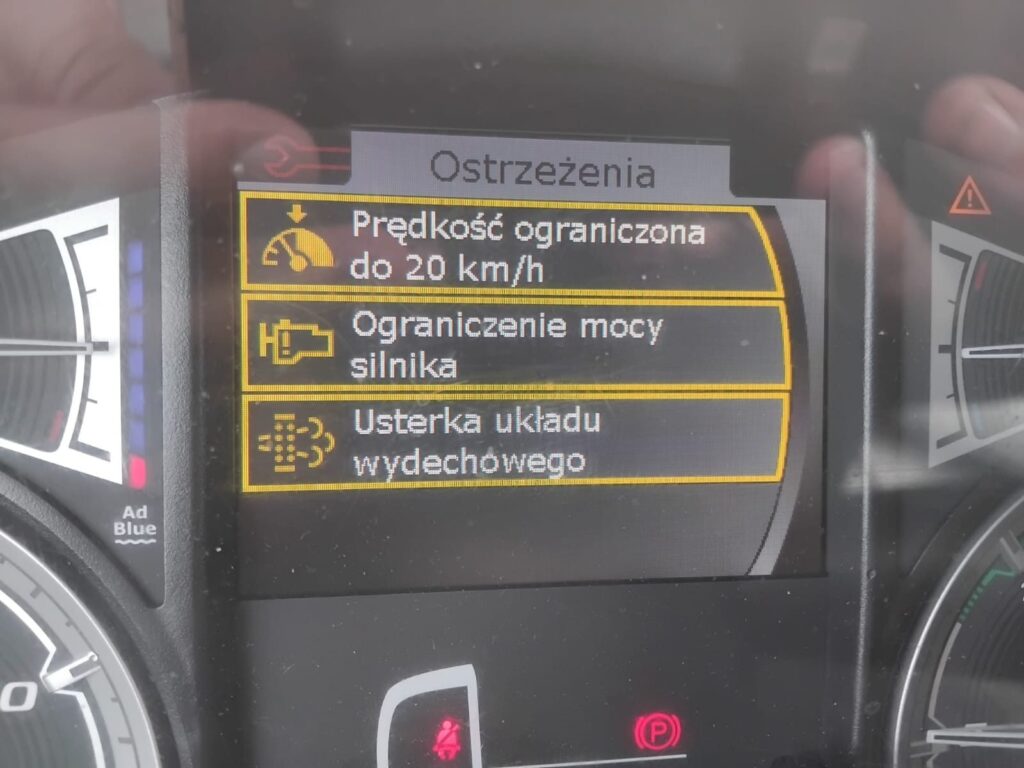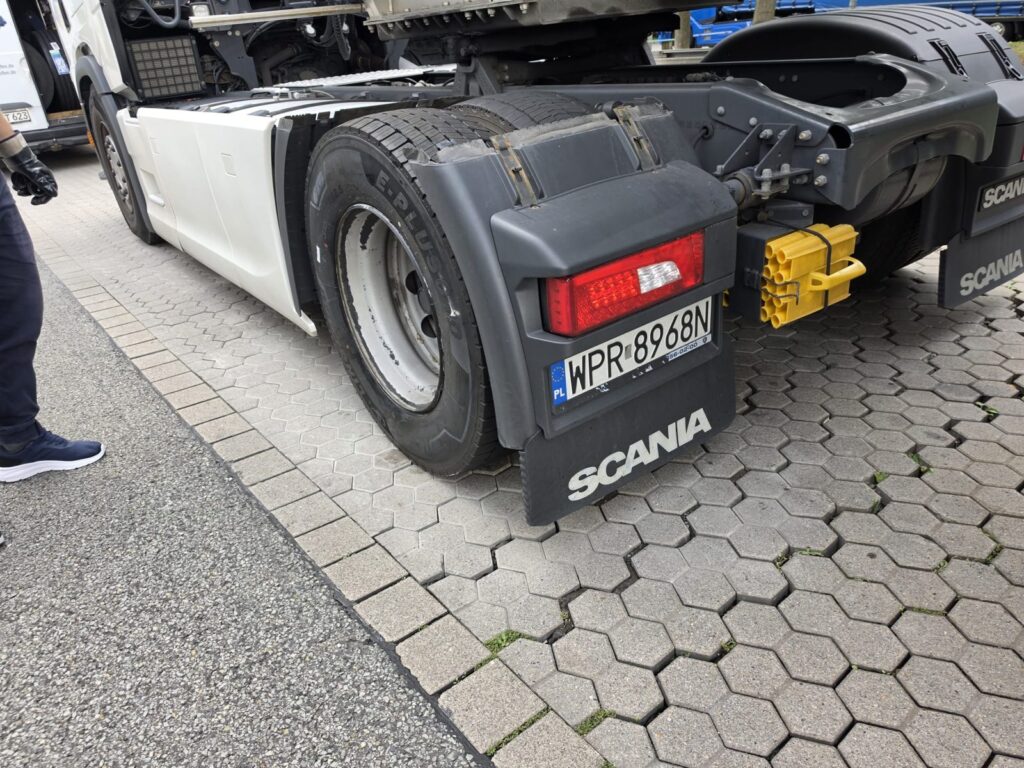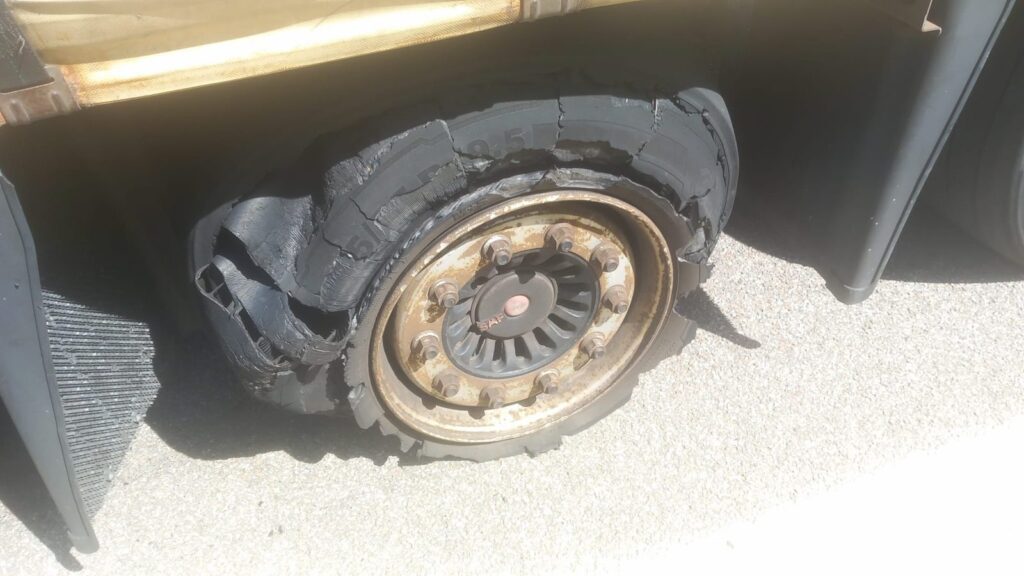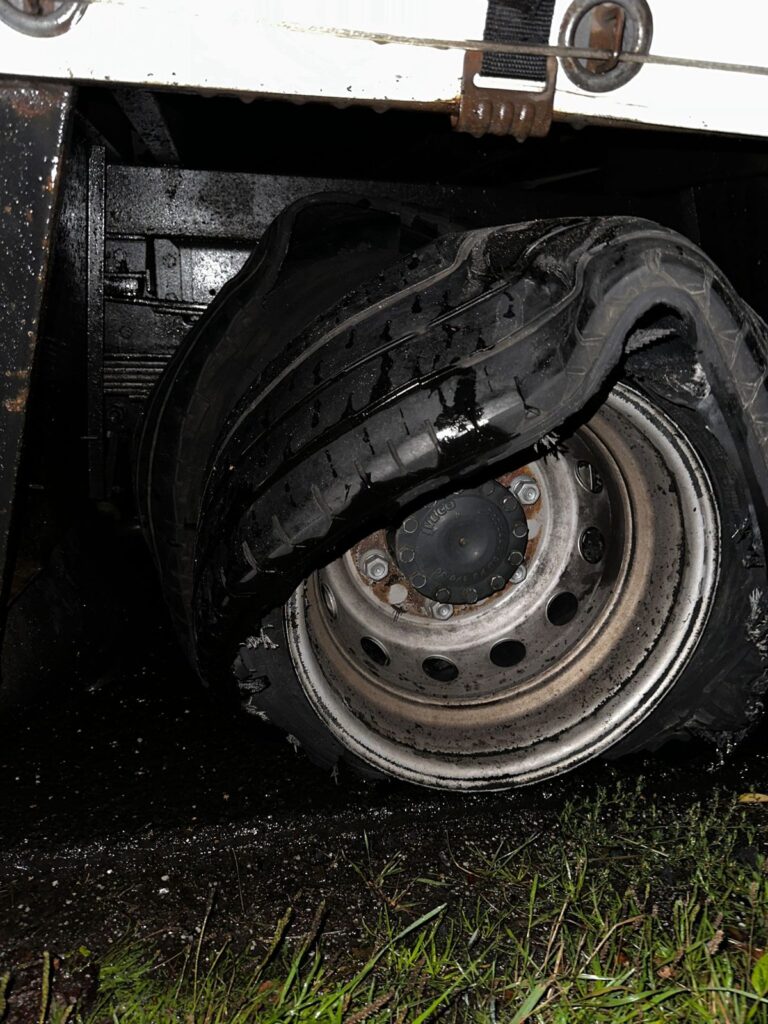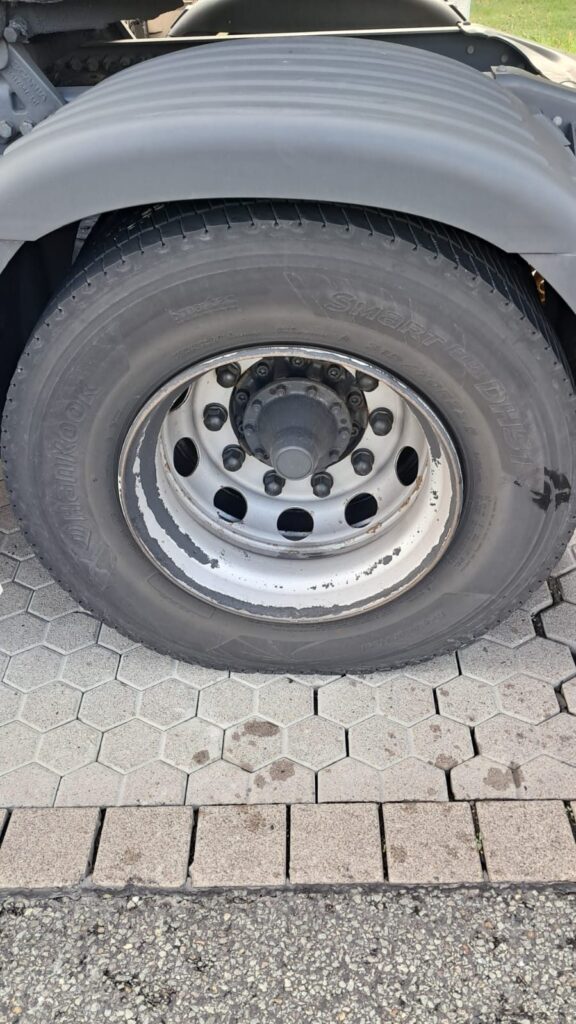
When a bolt from a broken trailer or roadside fixture becomes lodged deep in a truck tyre’s tread, it’s not just an inconvenience, it’s a ticking time bomb on the motorway. In this real-world case, a heavy-duty lorry driver on the A3 near Limburg, Hessen, noticed a sudden drop in tyre pressure after hitting an obstruction. Upon inspection, he discovered a metal bolt, complete with a flanged nut, embedded in the tread of the drive axle tyre. The damage had already reached the carcass, rendering the tyre unsafe and beyond repair. With only 40 minutes of travel time to the nearest workshop and a strict delivery schedule looming, the driver made the critical decision: call for emergency roadside assistance. Within 90 minutes from the initial call, the vehicle was back on the road with a brand-new Hankook DH51 tyre fitted, pressure checked, and bolts tightened in a star pattern. This case study reveals exactly how a mobile truck tyre service team handled a high-risk breakdown on Germany’s busiest motorways, from dispatch to completion, with full transparency on cost, time, and safety.
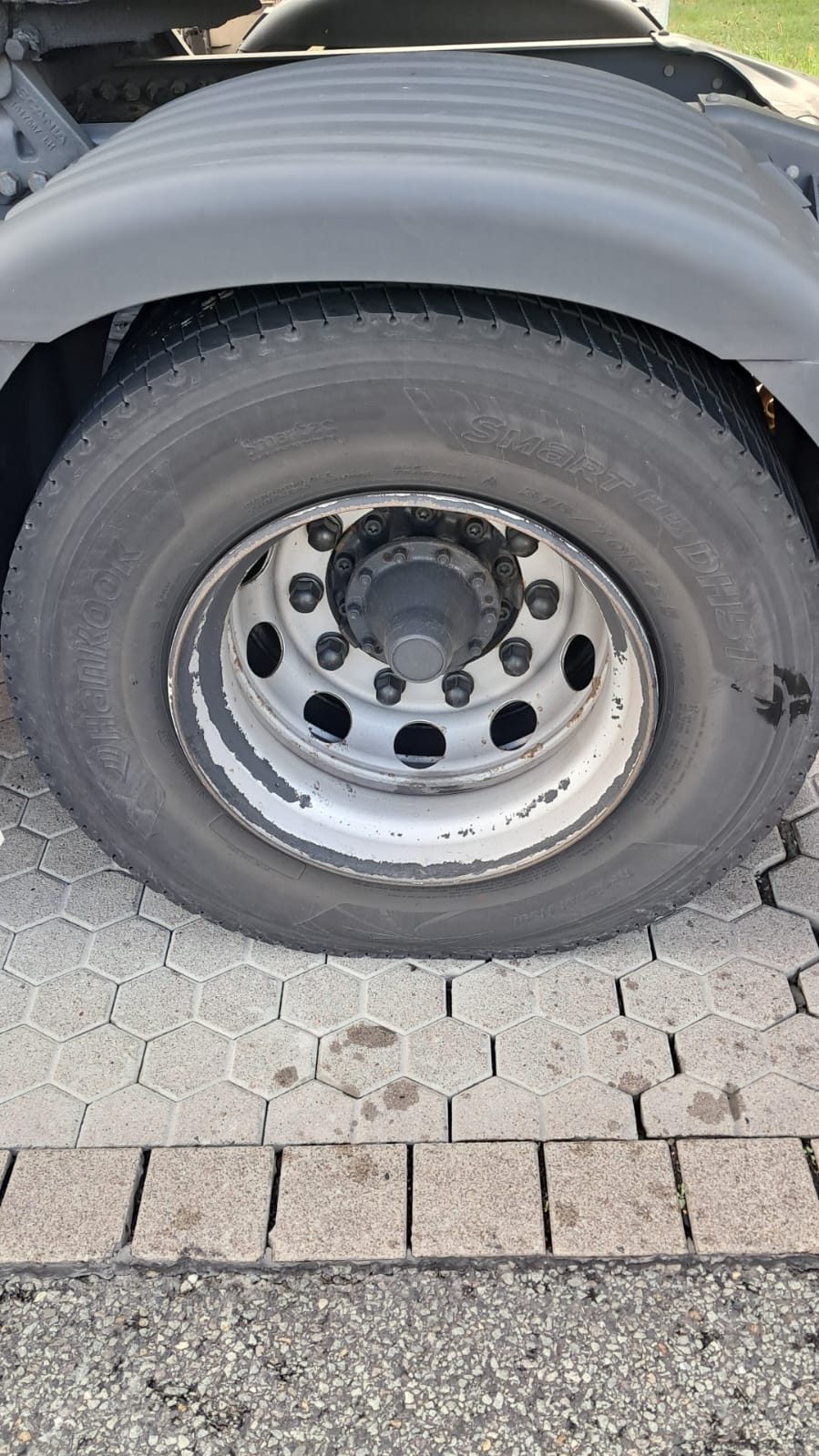
The stakes in this situation were extremely high. A tyre with a foreign object embedded in the tread isn’t just worn out, it’s structurally compromised. The presence of a bolt piercing the carcass means the internal fabric layers are damaged, increasing the risk of a sudden blowout, especially under load and at high speeds. The driver was on the A3, one of Germany’s most heavily trafficked routes, where speeds routinely exceed 130 km/h. Any delay or misstep could have led to a catastrophic accident. Moreover, the vehicle was a semi-trailer truck, meaning its drive axle carries significant weight and torque. A failed tyre here doesn’t just cause downtime, it can lead to loss of control, jackknifing, or even a multi-vehicle pile-up. That’s why a fast, professional, and technically precise intervention isn’t just beneficial, it’s essential. This case proves that with the right network and tools, a breakdown can be resolved in less than an hour without leaving the motorway.
The mobile tyre service team arrived at 13:52, just 40 minutes after the call. They secured the site, placed the warning triangle, and donned high-visibility vests before beginning the inspection. The damage was clear: the bolt had entered the tread at a sharp angle, tearing through multiple tread blocks and cutting into the steel belt layer beneath. The tyre had already lost structural integrity. After a full assessment, the team confirmed it was not repairable, replacement was the only safe option. The new Hankook Smart DH51 tyre was mounted using a precision torque wrench, and all 10 wheel nuts were tightened in the correct star pattern to prevent uneven loading and future wheel loosening. Final checks included pressure verification, visual inspection, and clearance testing. The entire operation took 38 minutes on-site. From the moment the call was made to the moment the lorry left the Rastplatz, the total time was 90 minutes, well under the industry benchmark of two hours for such emergencies.
This isn’t just about speed, it’s about safety, compliance, and cost-effectiveness. A breakdown like this, if left unattended, could cost the operator between €800 and €1,200 per day in lost revenue, penalties, and scheduling chaos. The total cost of the service, €910, was not only justified but saved the company thousands in downtime. The full breakdown is provided below, along with expert insight into why each step matters.
Why a Bolt in the Tyre Is More Dangerous Than a Puncture
A puncture is common, predictable, and often repairable. But a bolt embedded in the tread, especially one that has penetrated the carcass, is a different beast entirely. The tyre’s structure relies on a layered construction: rubber tread, steel belts, nylon or polyester cord layers (the carcass), and a rubber inner liner. When a metal object like a bolt or screw pierces through the tread and into the carcass, it damages the load-bearing components. Even if the inner liner remains intact, the integrity of the cord layers is compromised. These layers are responsible for holding the tyre together under extreme pressure, weight, and heat. Once they’re torn or weakened, the tyre can no longer withstand the dynamic forces of driving.
In this case, the bolt had entered the tread block at an angle, causing a radial tear. The deformation around the entry point, visible in the photo, shows that the rubber was stretched and fractured. The fact that the bolt had a flanged nut attached meant it was likely part of a trailer coupling, guardrail bracket, or roadside mounting system. Such objects are designed to withstand vibration and movement, but when they break free, they become high-velocity projectiles. Once embedded in a tyre, they can cause progressive damage, even if the vehicle is driven slowly. The pressure in a 315/80 R22.5 truck tyre typically ranges between 8.5 and 9.5 bar. At this pressure, any structural weakness becomes a failure point. The risk of a sudden blowout increases exponentially when the carcass is damaged. According to ADAC, over 60% of serious truck accidents involving tyres are linked to structural failure rather than simple punctures.
Furthermore, a damaged tyre can cause uneven wear on the wheel hub, brake components, and suspension. It can also lead to misalignment of the axle, which over time causes increased fuel consumption and premature wear on other tyres. Ignoring the issue and continuing to drive, even for a few kilometres, is not just reckless; it’s illegal under German law. §36 of the StVZO (Straßenverkehrs-Zulassungs-Ordnung) mandates that tyres must be in good condition, with no visible damage to the tread, sidewall, or carcass. A tyre with a foreign object embedded in it fails this standard. The driver could face fines, points on their licence, or even be banned from operating the vehicle until the issue is resolved.
How We Organised the Emergency Response: From Call to Arrival
When the driver called LKWHelp24 at 13:00, the call was logged instantly by our multilingual dispatch team. The details were clear: A3 near Limburg, direction Cologne, vehicle type, articulated lorry (Sattelzug), issue, sudden pressure drop after impact, visible foreign object in the tread of the drive axle tyre. The system immediately cross-referenced the location with our partner network of mobile service teams across Germany. Using real-time GPS tracking, route optimisation algorithms, and historical response times, we identified the closest available team within a 45-kilometre radius. The team was already on-site at a nearby service point and could reach the A3 within 35 minutes under normal conditions.
By 13:12, the dispatch team had confirmed the assignment and sent the job details to the field team via our secure mobile app. The team was alerted to the nature of the job: a drive axle tyre with a foreign object embedded in the carcass, requiring immediate replacement. They were also notified of the tyre size, 315/80 R22.5, and instructed to bring a full replacement set, including a new wheel nut kit, torque wrench, and inspection tools. The team had 40 minutes to reach the scene. During the drive, they prepped their equipment, reviewed the safety checklist, and communicated with the driver to confirm the exact parking spot and access points.
Upon arrival at 13:52, the team followed a strict safety protocol. First, they activated the vehicle’s hazard lights. Then, they placed the warning triangle at least 100 metres behind the vehicle, as required by §15a StVO. They wore high-visibility vests and ensured that all personnel remained outside the vehicle’s movement zone. The site was secured, and the driver was advised to remain in the cab until the work began. Only then did the technicians begin the inspection. The entire process, from arrival to start of work, took 2 minutes. This speed is possible only through rigorous training, real-time coordination, and a culture of readiness.
On-Site Assessment: Why This Tyre Could Not Be Repaired
The inspection began at 13:54. The technician examined the tyre under daylight, using a flashlight to highlight the damage. The bolt, approximately 80 mm long with a flanged nut, was clearly visible, protruding from the tread. The surrounding tread blocks were torn, fractured, and displaced. The technician used a small probe to gently test the depth of the penetration. The probe slipped easily into the wound, confirming that the damage had reached the carcass layer. This is the critical threshold: once the steel belts or cord layers are compromised, the tyre is no longer safe for use.
The technician also checked for signs of internal damage. He rotated the wheel slowly and inspected the inner liner for bulges, leaks, or thinning. There were none, but that didn’t mean the tyre was safe. The outer damage was enough to disqualify it. According to ETRTO (European Tyre and Rim Technical Organisation) guidelines, any tyre with a penetration through the tread to the carcass must be replaced immediately. Repair is not permitted under any circumstances, even with patching or sealing techniques. The reason is simple: the internal structure is no longer uniform. Stress distribution becomes uneven, and the risk of a sudden failure remains high, even after a repair.
The technician also inspected the wheel hub and brake components. The disc was intact, with no signs of warping or damage. The wheel nuts were properly tightened, and the hub bearing showed no play. The axle was functioning normally. However, the damage to the tyre was definitive. The decision was made: replacement only. The team documented the damage with two high-resolution photos, one showing the bolt in the tread, the other the new tyre after installation, which were stored in the job file and shared with the client via email.
Step-by-Step Tyre Replacement: Precision, Safety, and Compliance
The replacement process began at 14:00 and was completed by 14:30. Every step was performed to the highest standard, following OEM and industry best practices.
Step 1: Vehicle Stabilisation
The lorry was placed on a ramp with a non-slip surface, and the drive axle was raised using a hydraulic jack. The vehicle was secured with wheel chocks on the non-lifting wheels to prevent movement. The technician confirmed that the jack was positioned correctly on the axle housing.
Step 2: Wheel Nut Removal
Using a pneumatic wrench, the technician loosened the 10 wheel nuts. Each nut was removed in a diagonal pattern to prevent uneven stress on the hub. The nuts were collected in a container to prevent loss.
Step 3: Tyre Removal and Inspection
The wheel was carefully removed and placed on the ground. The technician inspected the disc for dents, warping, or corrosion. The disc was clean and undamaged. The brake caliper and rotor were also checked, no issues found. The old tyre was then turned over to examine the inner liner and tread surface. The damage was confirmed: the bolt had cut through multiple tread blocks and reached the steel belt layer.
Step 4: New Tyre Mounting
The new Hankook Smart DH51 tyre, rated for 315/80 R22.5, was mounted onto the disc using a tyre changer. The technician ensured the tyre was seated correctly on the bead and the valve stem was aligned with the valve hole. The tyre was inflated to 2 bar for initial seating.
Step 5: Final Installation and Torque Check
The wheel was reinstalled onto the axle. The 10 wheel nuts were tightened in a star pattern using a digital torque wrench. Each nut was tightened to 300 Nm, the manufacturer’s recommended value for this axle. This ensures even load distribution and prevents future loosening due to vibration. The technician double-checked all connections and performed a final visual inspection.
Full Timeline: From Call to Departure
| Time | Phase | Action |
|---|---|---|
| 13:00 | Call Received | Driver reports sudden pressure drop after impact; bolt visible in drive axle tyre tread |
| 13:12 | Dispatch & Assignment | Job assigned to nearest mobile team via network; team notified of location, tyre size, and nature of issue |
| 13:52 | Arrival on Scene | Team arrives, sets up warning triangle, activates hazard lights, dons safety gear |
| 13:54 | Inspection & Diagnosis | Technician confirms bolt embedded in carcass; tyre not repairable; replacement required |
| 14:00 | Demolition & Removal | Drive axle raised; wheel removed; disc and hub inspected for damage |
| 14:13 | New Tyre Mounting | Hankook Smart DH51 fitted; tyre seated and initially inflated |
| 14:30 | Final Checks & Departure | Wheel nuts tightened in star pattern (300 Nm); pressure checked (9.2 bar); vehicle cleared for travel |
Total time from call to departure: 90 minutes
– Travel time: 40 minutes
– On-site work: 38 minutes
– Preparation & safety: 12 minutes
This timeline reflects real-world performance under normal traffic and weather conditions. In poor weather or heavy traffic, arrival time may increase by 10–15 minutes. However, the core process remains efficient and reliable.
Cost Breakdown: What You Pay For, and Why
| Position | Price (EUR) |
|---|---|
| Anfahrt (Travel to site) | 240 |
| Arbeit, 1 Stunde à 110 EUR | 110 |
| Neureifen Hankook Smart DH51, 315/80 R22.5 (drive axle) | 540 |
| Entsorgung Altreifen (Recycling of old tyre) | 20 |
| Total (netto, excl. MwSt.) | 910 |
All prices are net, excluding VAT (MwSt.). The cost breakdown reflects industry standards and the complexity of the job. Here’s what each component includes:
- Travel (€240): Covers fuel, vehicle maintenance, and personnel costs for a 40-minute journey. Rates are higher for emergency calls outside business hours, but this was a daytime response.
- Labour (€110): One hour of skilled technician time, including safety, diagnostics, and installation. Our technicians are trained in heavy-duty tyre systems, safety protocols, and compliance with German regulations.
- New Tyre (€540): The Hankook Smart DH51 is a high-performance drive axle tyre designed for long life, low rolling resistance, and excellent traction. It’s rated for heavy loads and high-speed operation. This tyre is not a budget option, it’s a premium product chosen for safety and reliability.
- Recycling (€20): The old tyre was collected and sent to a certified recycling facility. This is a legal requirement under EU waste regulations.
The total cost of €910 is significantly lower than the cost of downtime. A semi-truck idle for one day can cost between €800 and €1,200 in lost revenue, missed deliveries, and penalties. In this case, the service prevented over €1,000 in potential losses. The investment was not just justified, it was essential.
Why DIY or Local Workshops Are Not the Best Option
Many drivers consider fixing the tyre themselves or taking the vehicle to a local garage. But this approach comes with major risks:
- No mobile service means being stranded, especially on the A3, where access to workshops is limited. Waiting for a tow truck could take over 2 hours.
- Improper tools or technique, without a torque wrench or proper tyre changer, the new tyre may not be installed correctly, leading to uneven wear or wheel loss.
- Legal non-compliance, driving with a damaged tyre risks fines and insurance invalidation.
- Increased downtime, even a “quick” repair at a workshop can take 3–4 hours, including travel and waiting.
Our mobile service eliminates these risks. We come to you, with the right tools, trained staff, and legal compliance. We follow ADAC, TÜV, and ETRTO standards at every step. The result? A safe, fast, and reliable fix, without the hassle.
Common Scenarios We Respond To Across Germany
We provide mobile truck tyre service for a wide range of situations, including:
- Blowouts on motorways (A1, A2, A3, A4, A5, etc.)
- Foreign object damage (bolts, nails, debris)
- Punctures with carcass damage
- Worn or underinflated tyres
- Tyre failures on trailers and semi-trailers
- Dual-wheel issues (twin tyres)
- Emergency replacements during night shifts
- Breakdowns in remote areas (fields, yards, construction sites)
We serve all types of vehicles: Sattelzüge, Auflieger, Gliederzüge, Transporter, and heavy haulage trucks. Our network covers every federal state in Germany, from Schleswig-Holstein to Bavaria.
Proactive Maintenance Tips for Drivers and Fleets
To avoid breakdowns like this, follow these best practices:
- Check tyre pressure weekly, use a calibrated gauge. Ideal pressure: 8.5–9.5 bar for drive axle tyres.
- Inspect tread depth monthly, minimum 1.6 mm (§36 StVZO). Use a tread depth gauge.
- Look for embedded objects, especially after driving through construction zones or industrial areas.
- Rotate tyres every 20,000 km to ensure even wear.
- Use high-quality tyres, brands like Hankook, Michelin, Continental, Goodyear, and Bridgestone offer superior durability and safety.
- Train drivers to report early signs, pressure drops, vibrations, or unusual noises.
Regular maintenance cuts breakdown risk by up to 70%.
Why We’re the Trusted Choice for Fleet Managers and Drivers
- 24/7 availability, no matter the time, weather, or location.
- Proven network, over 150 partner teams across Germany.
- Transparent pricing, no hidden fees, all costs quoted upfront.
- Multilingual dispatch, support in English, German, Polish, Russian, and more.
- Compliance with all German and EU regulations.
- Real-time job tracking, clients receive updates via SMS or email.
Summary: Key Facts from This Case
- Location: A3 near Limburg, Hessen, Rastplatz with paving tiles
- Vehicle: Articulated lorry (Sattelzug), drive axle tyre
- Tyre Size: 315/80 R22.5
- Issue: Bolt embedded in tread, damage to carcass
- Time from Call to Departure: 90 minutes
- On-site Work Time: 38 minutes
- Total Cost (netto): €910
- New Tyre: Hankook Smart DH51
- Safety Compliance: Star-pattern tightening, 300 Nm torque, ETRTO standards
Need Emergency Truck Tyre Service? Call Us Now
If your truck breaks down on the motorway, don’t wait. Call +49 160 5753826 or visit www.lkwhelp24.com for immediate assistance. We provide mobile truck tyre service, roadside assistance, and emergency repairs, 24/7, across Germany.
Emergency Truck Tyre Service Near You: Mobile Tyre Service Around the Clock
Mobile Truck Tyre Service A5 near Offenburg: Megatrailer Back on the Road in 2h35 After 445/45 R19.5 Blowout
Truck Tyre Pressure: Correct Values, How to Measure and Mobile Help
How to Read Truck Tyre Markings: Size, Load Index and DOT Code Explained
Truck Tyre Service for Blowout and Rim Damage on the Motorway near Trier: Complete Solution in Under 2 Hours
Keywords: truck tyre service | mobile reifenservice | truck tyre replacement | truck tyre change | truck tyre callout | truck tyre roadside assistance | truck tyre repair | mobile truck tyre service | truck tyre germany | mobile reifenwechsel | trailer tyre service | truck tyre burst | truck tyre emergency | truck tyre breakdown service | truck tyre help | truck tyre fitting | truck tyre fitters near me | truck tyre breakdown germany | truck tyre blowout | reifenwechsel near me | pneuhage truck fleet support | pneuhage truck and bus services | pneuhage roadside assistance