Skip to content
A professional truck workshop forms the backbone for freight forwarders, construction companies, and owner-operators across Germany. The industry has evolved continuously since the early 2000s and now offers a broad range of services that goes far beyond simple repairs. Reliability, minimal downtime, and compliance with legal requirements such as StVZO regulations and regular HU (roadworthiness) and SP (safety) inspections are at the heart of it all.
In this article you’ll learn everything about concrete workshop services, the different types of workshops, and clear selection criteria for finding the right truck workshop near you.
- Minimizing downtime through professional maintenance and fast repairs
- Compliance with all legal inspections and requirements from a single source
- Expert competence across all brands, from Mercedes-Benz to Volvo Trucks to Renault
- Predictable costs through transparent service contracts and fixed maintenance intervals
Types of Truck Workshops in Germany
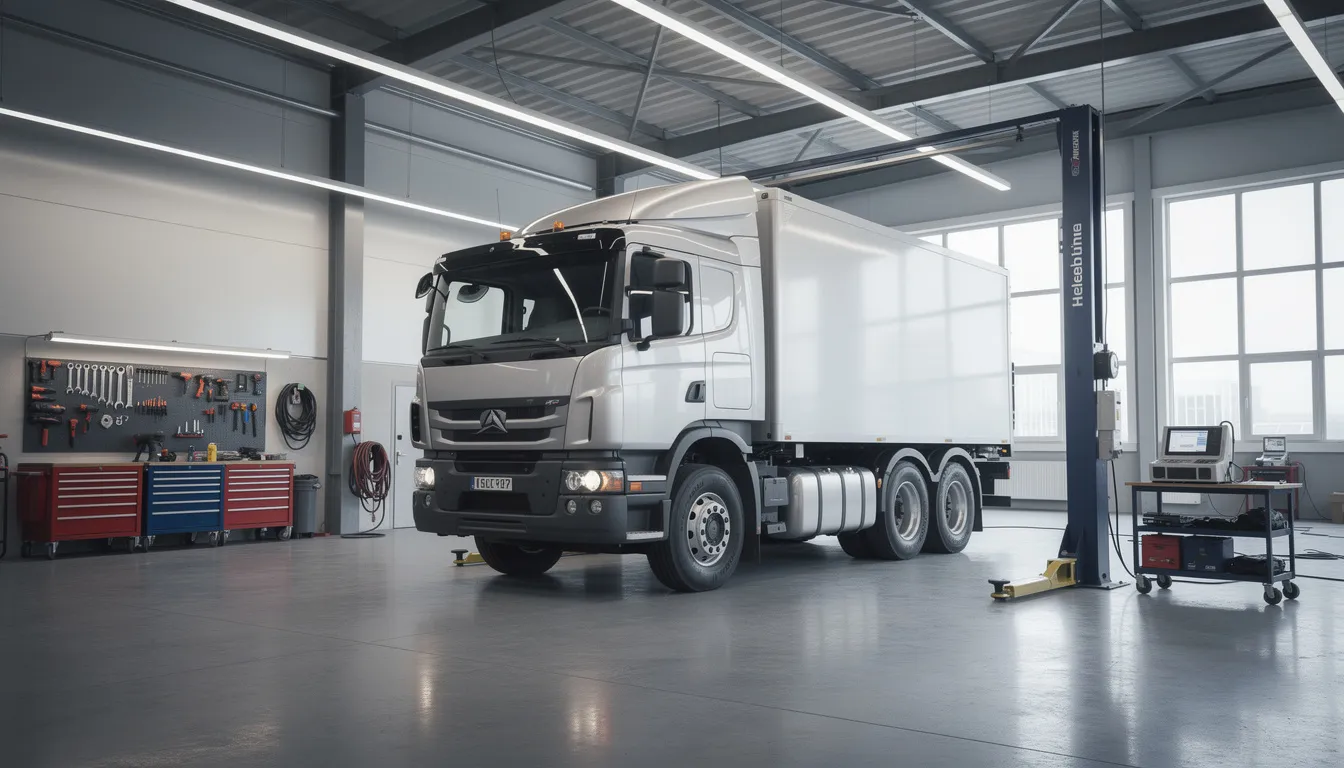
The landscape of truck workshops in Germany is diverse. Depending on manufacturer, specialization, and business model, there are different operations that focus on different requirements for commercial vehicles. Whether an authorized dealer workshop for a specific brand, an independent multi-brand workshop, or a highly specialized shop for hydraulics and refrigeration technology — all types are legally bound by strict safety and quality standards.
Definitions of the main workshop types:
- All-round truck workshop: All-round truck workshops are versatile repair shops that cover the full spectrum of standard work for commercial vehicles. They serve various brands and vehicle types and are the first point of contact for routine maintenance and minor repairs.
- Specialized workshop: Specialized workshops focus on particular systems or vehicle types, such as hydraulics, trailers, or refrigerated vehicles. They have in-depth expertise and specialized equipment for complex repairs and maintenance. Hydraulics specialists analyze leaks, replace seals, and optimize pressure buildup.
- Independent truck workshop: Independent truck workshops are repair centers specifically focused on commercial vehicles such as trucks and vans. They are not tied to a specific manufacturer and offer flexible solutions for mixed fleets.
The differences lie in the scope of services, technical equipment, and often in price levels too. Below we present the three most important workshop types that have become established between 2015 and 2024.
All-round truck workshop
All-round truck workshops are versatile repair shops that cover the full spectrum of standard work for commercial vehicles. They serve various brands and vehicle types and are the first point of contact for routine maintenance and minor repairs.
An all-round workshop covers the entire spectrum of standard tasks that come up in the daily operation of a fleet. This includes oil changes, brake service, clutch replacement, electrical diagnostics, and simple bodywork. These workshops are the first point of contact for regular vehicle maintenance and minor repairs.
Typical jobs at an all-round workshop include, for example, the annual inspection of a MAN TGX 18.510 (built 2021), a complete brake service on a Mercedes Actros, or diagnosing electronic control units on a DAF XF.
The technical equipment of such operations includes:
- Diagnostic tools for multiple brands including MAN, Mercedes-Benz, Scania, Volvo, Iveco, and DAF
- Heavy-duty lifts with capacity up to 40 tons
- Brake test rigs for commercial vehicles
- Axle alignment systems for precise suspension adjustment
- Modern workshop equipment for engine and transmission work
The advantages of an all-round workshop lie in broad coverage of all standard services, short distances for routine work, and flexibility with mixed-brand fleets.
Specialized truck workshop (hydraulics, trailers, refrigerated vehicles)
Specialized workshops focus on particular systems or vehicle types, such as hydraulics, trailers, or refrigerated vehicles. They have in-depth expertise and specialized equipment for complex repairs and maintenance. Hydraulics specialists analyze leaks, replace seals, and optimize pressure buildup.
Complex systems such as hydraulic systems on tippers, telescoping low-loaders, or refrigeration units require specialized workshops. These operations have particular know-how and special tools that a general workshop often lacks.
Specific services include repairing hydraulic cylinders on three-way tippers, refurbishing crane booms, and servicing refrigeration units from manufacturers like Thermo King or Carrier. A typical real-world example is refurbishing a 2018 Schmitz Cargobull refrigerated trailer or repairing a Nooteboom low-loader with an extendable low bed.
Typical specialist services and customer benefits:
- Hydraulic repair and maintenance — avoids costly follow-on damage to tipping systems
- Refrigeration unit service — protects the cold chain and prevents cargo losses
- Trailer refurbishment — significantly extends the service life of semi-trailers
- Crane repairs — guarantees safe lifting operations in construction and transport
- Specialty axle maintenance — optimizes handling for heavy-load transport
- Leak testing — essential for refrigerated vehicles and tank trailers
Independent truck workshop
Independent truck workshops are repair centers specifically focused on commercial vehicles such as trucks and vans. They are not tied to a specific manufacturer and offer flexible solutions for mixed fleets. Authorized brand workshops offer deeper expertise for specific makes, while independent workshops are more flexible.
Independent workshops service vehicles from various manufacturers and offer a wide range of services, from standard maintenance to complex repairs. They are especially attractive for companies with mixed fleets, since they work across brands and often offer more competitive rates.
Mobile truck workshop & roadside assistance
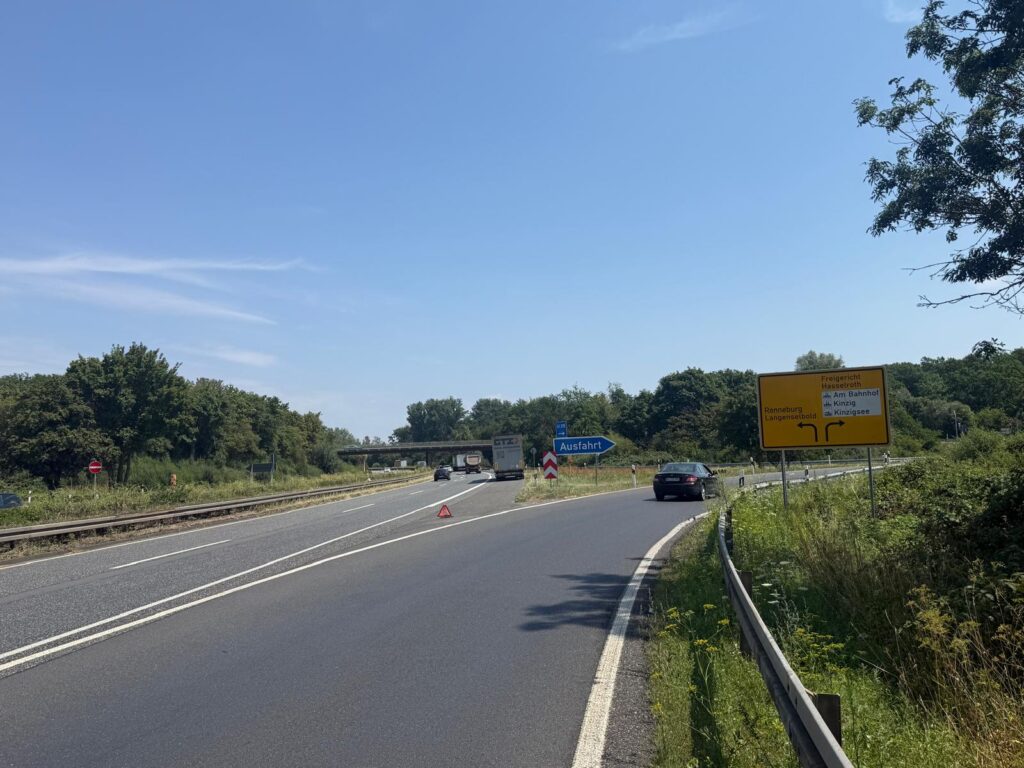
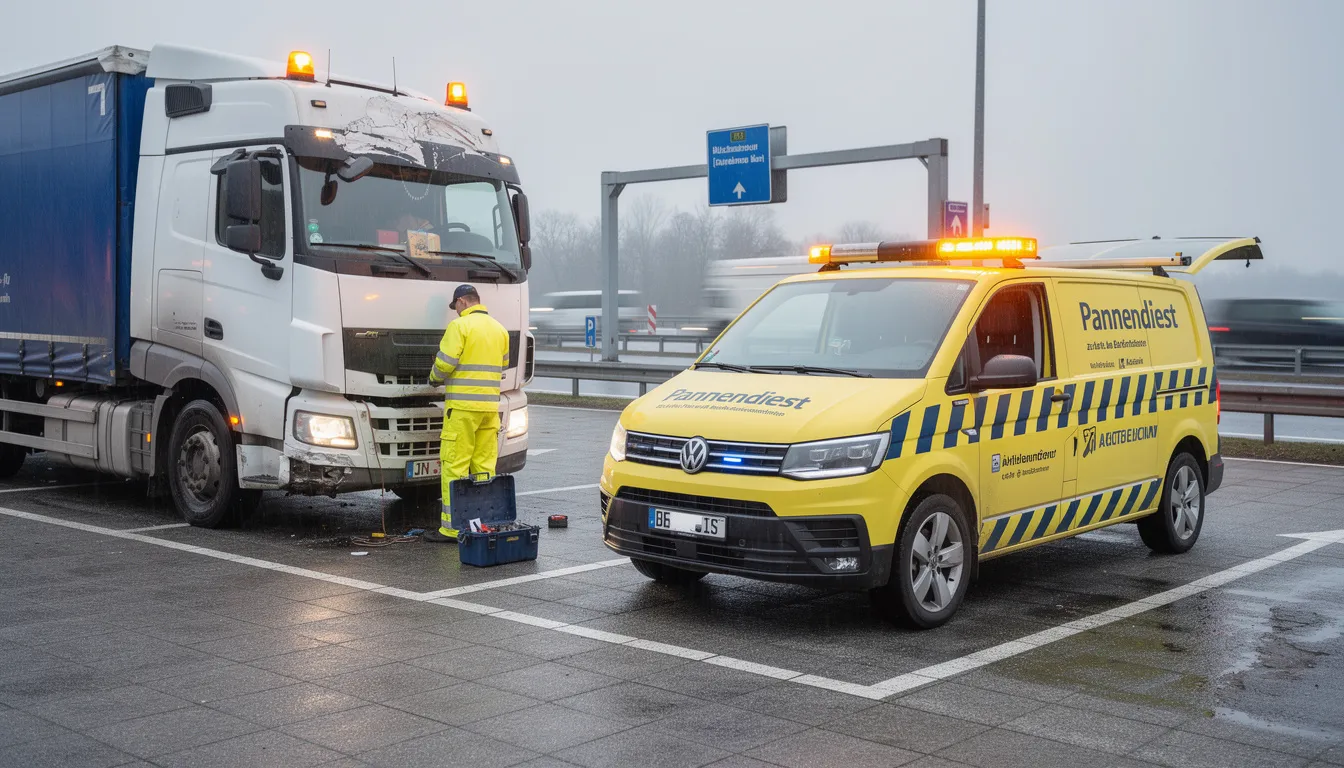
A mobile workshop consists of a fully equipped service vehicle that comes directly to the breakdown site — whether on motorways like the A3, A5, or A7, or on federal highways and rest areas. This service is essential when a vehicle can no longer reach the nearest workshop under its own power, which is why many freight forwarders rely on a mobile truck service in Germany, available around the clock.
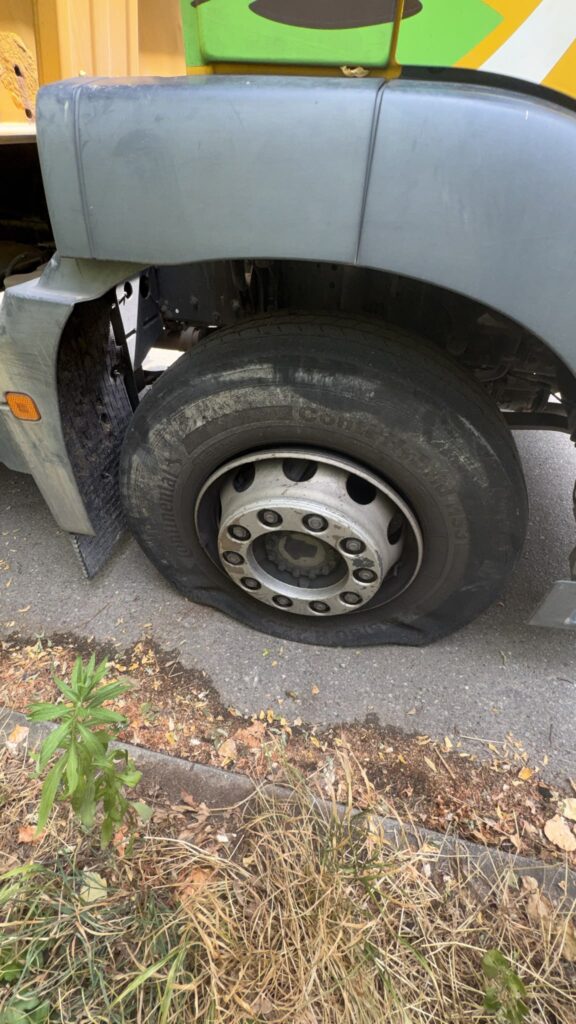
Specific scenarios include a flat tire on a 40-ton truck at kilometer 250 of the A3, jump-starts during the winter of 2024/2025, or securing a defective trailer at a rest area.
Typical on-site services — often arranged through a specialized 24/7 truck breakdown service in Germany:
- Tire changes with mobile equipment
- Air leak detection in compressed-air systems
- Minor electrical repairs and fuse replacement
- Temporary fixes to get the vehicle to a full workshop
- Battery service and jump-starts
Important information for drivers in the event of a breakdown:
- 24/7 service available from most providers
- Average response time: 45–90 minutes depending on the region
- Have ready when calling: exact location, license plate, description of the problem
- Always keep the breakdown service phone number handy in the cab
Services of a modern truck workshop
Since the toll expansion in 2005, planned maintenance has gained even greater economic importance. Beyond mandatory legal inspections, modern truck workshops offer a comprehensive range of services that minimizes breakdowns and extends the service life of commercial vehicles.
Repair & refurbishment
Core services include:
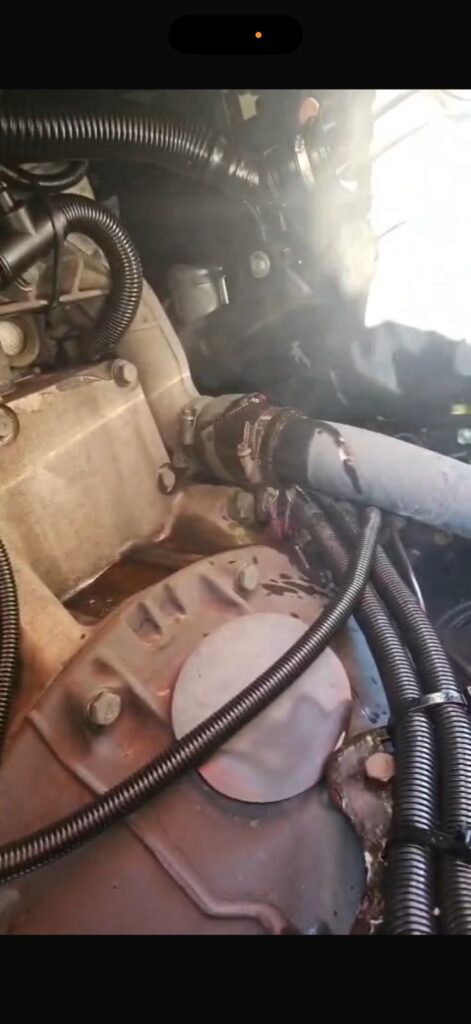
- All types of truck repairs, from engine to transmission
- Regular maintenance according to manufacturer specifications
- Legally required inspections such as HU, AU, and safety checks
- Professional tire service for all common sizes
- Electronic diagnostics with brand-specific software
- Retrofitting of camera systems and driver assistance systems
Each of these service groups is described in the following subsections with practical examples and typical timeframes. A standard inspection, for example, takes 2–4 hours, while more complex repairs can take several days.
Truck repair & refurbishment for all brands
Since around 2010, many independent truck workshops have worked across brands, servicing vehicles from MAN, Mercedes-Benz, Scania, Volvo Trucks, DAF, Iveco, and Renault Trucks alike. This flexibility is especially valuable for companies with mixed fleets.
Typical repairs in this area include:
- Engine damage and engine overhauls
- Transmission problems, especially with ZF transmissions
- Replacement of air spring bellows
- Repair of ABS and EBS control units
- Cab tilt systems and their hydraulics
A concrete example: transmission repair on a Volvo FH 500 (built 2019). After diagnosis, the workshop draws up a detailed cost estimate, procures the required spare parts, and after the repair carries out a test drive on rural roads to confirm proper function.
Inspections & checks
Inspections, safety check (SP), and HU/AU
Legal inspection intervals are clearly regulated: the safety inspection (SP) is normally due every six months for vehicles over 7.5 tons. The general roadworthiness inspection (HU) takes place annually or every two years, depending on vehicle type.
A typical inspection according to manufacturer specifications includes:
- Oil change with quality oil to specification
- Replacement of the complete filter set (oil, air, fuel)
- Visual and functional inspection of the brakes
- Checking axles, wheel bearings, and suspension
- Inspection of lighting and electrics
- Frame inspection for cracks and corrosion
In practice, this means, for example, preparing a 40-ton truck for its HU inspection at TÜV or DEKRA. The workshop checks all relevant points in advance and fixes minor defects so the inspection passes without objection. The SP inspection under §29 StVZO can be carried out directly at the workshop, provided it holds the appropriate certification.
Tachograph inspection
Tachograph inspection and service
Inspection of digital tachographs is legally required — every two years, as well as after installation or modification, in accordance with EU Regulation No. 165/2014. A certified workshop carries out these inspections and documents everything in the inspection report.
The workshop process:
- Reading out the tachograph and backing up the data
- Calibrating the tachograph
- Sealing after a successful inspection
- Issuing the inspection report
A concrete example: a 2nd-generation smart tachograph in a vehicle first registered in 2023 is due for its regular inspection in 2025.
Documents the driver should bring along:
- Vehicle registration document (Part I)
- Company card for the tachograph
- Previous inspection reports, if available
Tire service
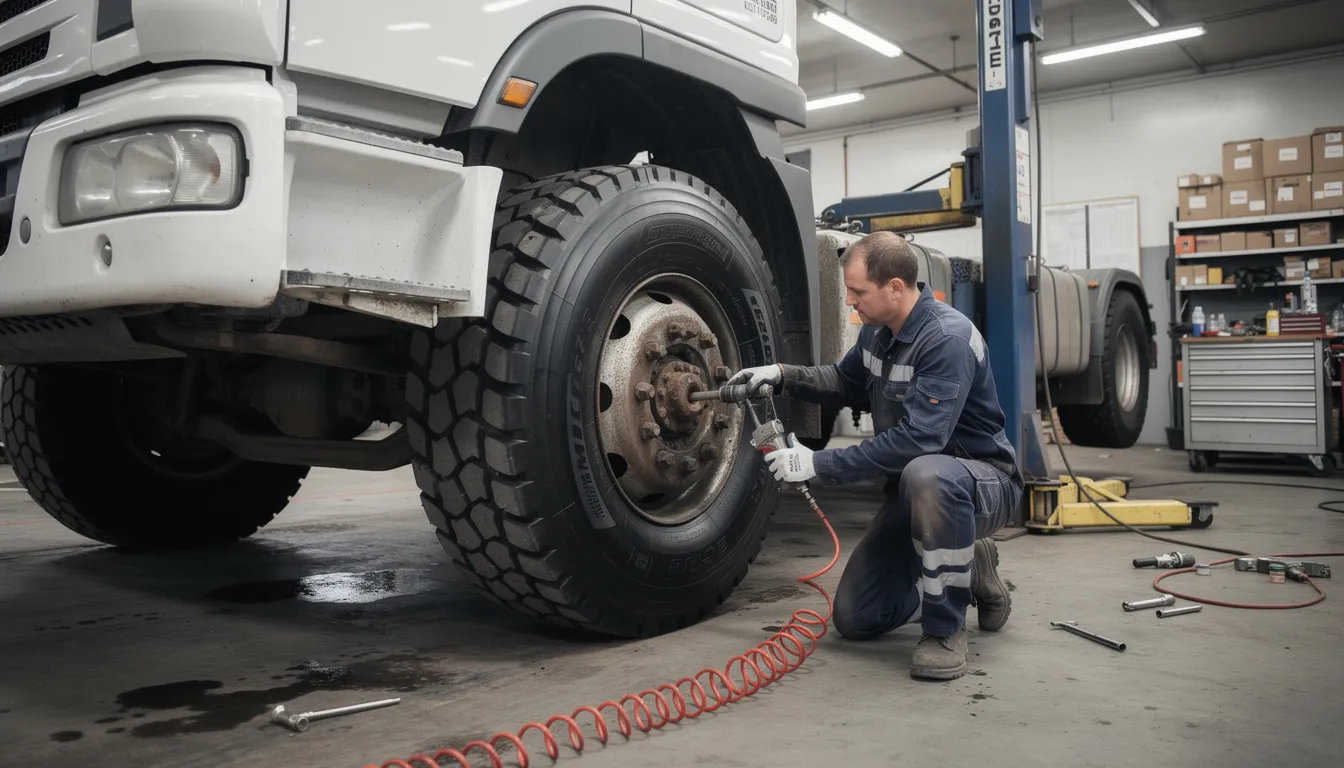
Truck tire service and breakdown assistance
Tire service for commercial vehicles covers far more than just swapping tires. Professional workshops offer the mounting of 22.5-inch truck tires, precise balancing, re-grooving tread on suitable tires, and seasonal changeovers for winter use — and in an emergency they can call on a mobile truck tire service in Germany, available 24/7.
Specific tire service tasks:
- Full tire replacement on a 3-axle trailer
- Puncture repair on a drive tire through vulcanization
- Checking axle geometry to prevent uneven wear
- Tread depth measurement and documentation
24/7 breakdown service on motorways and federal highways is indispensable for many freight forwarders. Nationwide truck service in Germany with round-the-clock support helps minimize downtime. Average response time in metropolitan areas is 30–60 minutes.
Safety benefits of regular tire service:
- Better grip in wet and winter conditions
- Reduced risk of blowouts
- Lower fuel consumption through optimal tire pressure
- Fewer unplanned breakdowns on the road
Specialty services
Specialty services: trailers, crane trucks, refrigerated and construction vehicles
Since 2010, many truck workshops have expanded their offering to specialty vehicles. This includes low-loaders, swap bodies, tippers, semi-trailers with cranes, and construction site vehicles. This work requires special qualifications from mechanics, including welding certificates, hydraulics training, and electrical qualifications for 400V units.
Specific specialty services include — often supplemented, in serious accidents, by a specialized truck towing service in Germany, available 24/7:
- Repair of a telescoping Meusburger trailer
- Welding work on the crane boom of a Palfinger loader crane
- Leak testing on refrigerated semi-trailers
- Maintenance of tail lifts and loading platforms
- Refurbishment of tipper hydraulics
- Service for Unimog and other special vehicles
Finding and choosing the right truck workshop near you
Proximity to key transit routes such as the A1, A3, A7, or A9 is crucial for freight forwarders. When a vehicle breaks down on the road, every minute counts. Quick access to a workshop reduces downtime and the associated costs.
Below you’ll learn how to systematically choose the right workshop based on needs, equipment, price level, and reviews. Since around 2015, fleet managers have increasingly used online maps, industry directories, and fleet management systems to find the optimal workshop in their area and, in an emergency, quickly arrange a truck towing and breakdown service, available 24/7 in Germany.
Checking the scope of service
- Check the distance to your main routes and locations
- Pay attention to reviews on Google and industry portals
- Ask about emergency availability and 24/7 service
- Compare scope of services and specializations
Practical checklist for choosing a workshop:
- Does the workshop offer safety inspections (SP)?
- Are HU and AU inspections carried out or prepared on site?
- Is a tachograph inspection according to EU requirements possible?
- Does the workshop have hydraulic service expertise?
- Is there an emergency service outside regular business hours?
- Is tire service available for 22.5-inch and larger rims?
As a rule of thumb, the workshop should be able to cover at least 80–90 percent of the typical work needed for your own fleet.
Qualifications & certificates
Certifications such as ISO 9001 or manufacturer service contracts (for example, as an authorized workshop for MAN or Mercedes-Benz Trucks) signal an established quality management system. These workshops typically have access to up-to-date diagnostic software and genuine spare parts.
Specific things to check when visiting a workshop:
- Trained staff with proof of qualifications
- Up-to-date diagnostic software for all relevant brands
- Brake test rig for commercial vehicles
- Axle alignment system for precise adjustments
- Documentation of work according to manufacturer specifications
Visible quality indicators on site include clean work areas, digital order management, and transparent postings of hourly labor rates. These details reveal a lot about the team’s professionalism and customer care.
Costs & transparency
Reference values help assess whether a quote is fair. The hourly labor rate typically ranges between 90 and 140 euros net. A small service with an oil change costs around 250–450 euros, while a complete brake axle service can run 600–1,200 euros.
Practical tips for cost transparency:
- Always request written cost estimates
- Have spare part brands (original vs. OEM) clearly stated
- Ask about the expected duration of the work
- Use online reviews on Google and industry portals
- Compare experiences from other transport companies
Since around 2018, star ratings and specific customer reviews have become an important decision factor. Pay attention to comments on work quality, punctuality, and communication.
Availability & emergency response
Extended opening hours matter a great deal for freight forwarders with night and weekend runs. Many modern workshops are open on weekdays from 6 a.m. to 8 p.m., with some offering Saturday service as well.
Criteria for availability:
- 24/7 hotline for breakdown and towing service
- Direct contact person at the workshop (phone, email)
- Fast response times along major transit routes
- Option to book appointments online
- WhatsApp Business for quick communication (optional)
Recommendation: Establish fixed contact persons at the workshop. This way, in an emergency you can react quickly without first having to explain which vehicles belong to your fleet.
Typical costs and economics of truck maintenance
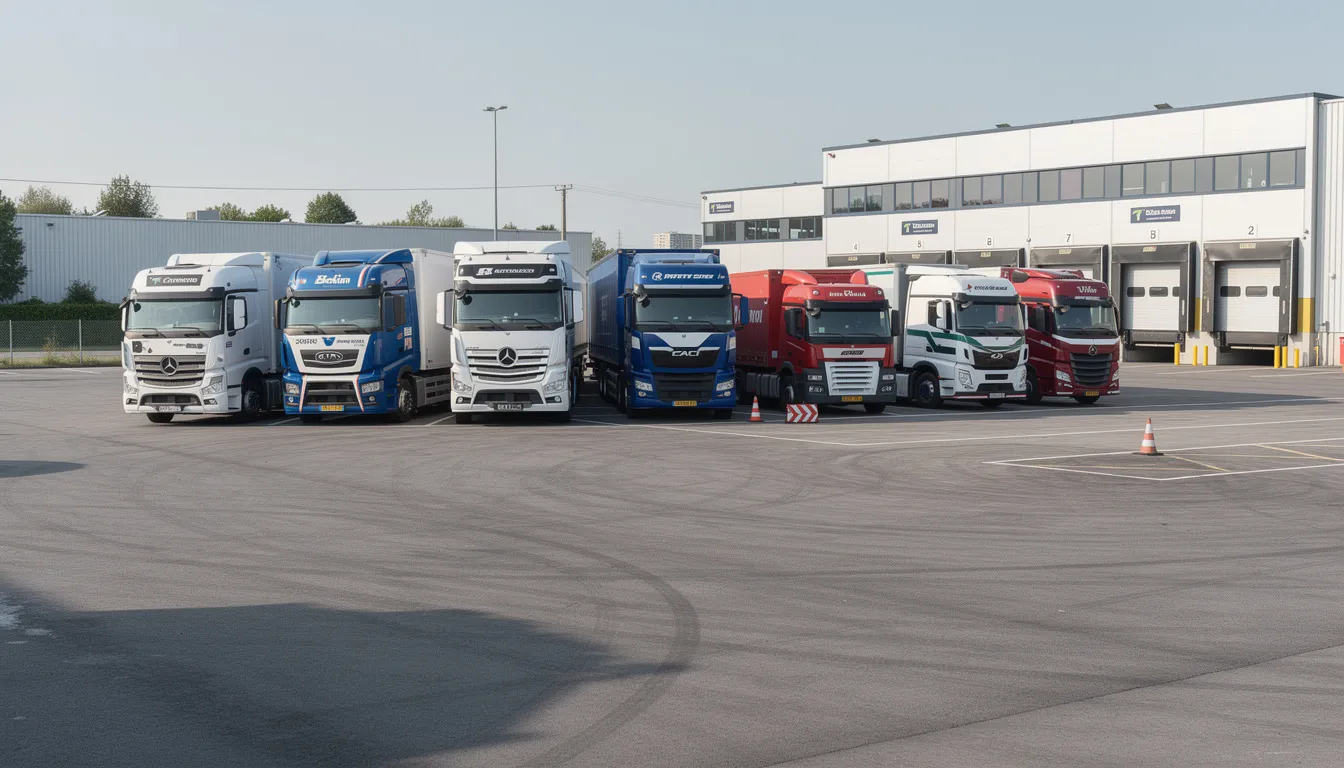
Planned maintenance is significantly cheaper in the long run than unexpected breakdowns on the motorway. Expect downtime costs of 500–1,000 euros per day when a vehicle breaks down unplanned — and that’s without factoring in contract penalties or customer satisfaction.
Cost-relevant areas
Cost-relevant areas include:
- Workshop staff labor time
- Spare parts and wear parts
- Inspection fees at TÜV and DEKRA
- Indirect costs from downtime
The following reference values vary by region, brand, and vehicle condition. They serve as a rough guide for budget planning at your company.
Reference prices for common workshop services
An inspection according to manufacturer specifications on a tractor unit typically ranges between 300 and 700 euros net, including standard filters and oil. The exact cost depends on the vehicle model and materials used.
Further price ranges for guidance:
- Brake service: replacing discs and pads on a truck’s front axle costs 500–900 euros, depending on manufacturer and part quality
- Tire replacement: a 22.5-inch drive tire runs 350–650 euros, including mounting, balancing, and disposal of the old tire
- Tachograph inspection: around 80–150 euros for the legally required check and calibration
- Clutch replacement: for long-haul trucks, expect 1,500–3,500 euros depending on the scope of work
These prices are guideline values. Always get individual quotes and compare different workshops.
Why preventive maintenance is cheaper
A simple example illustrates the value of preventive maintenance: replacing a worn brake pad in time costs a fraction of what follow-on damage to the brake disc and wheel hub would cost. A scored brake disc can cost ten times as much and lead to dangerous situations on the road.
Regular vehicle maintenance — roughly every 60,000–80,000 km — brings clear benefits:
- Fewer unplanned breakdowns and downtime
- Higher resale prices for well-maintained trucks
- Extended lifespan of engine, transmission, and chassis
- Better cost predictability for the forwarding company
Real-world impact: A fleet of ten vehicles that consistently sticks to fixed maintenance intervals saves multiple days of unplanned downtime per year. That means not just money saved, but also happier customers and drivers.
Frequently asked questions about truck workshops (FAQ)
In this section we answer common practical questions from the everyday experience of drivers, forwarders, and fleet managers. In addition, practical news and guides from LKW Help 24 offer further insight into current developments in breakdown assistance and workshop services.
How often should my truck go to the workshop?
- For modern long-haul trucks, manufacturer guidelines typically call for roughly every 60,000–120,000 km or at least once a year
- The safety inspection (SP) is due every 6 or 12 months under German regulations, depending on the vehicle
- For heavy-load or construction site operation, shorter maintenance intervals are recommended due to higher stress
- Regularly check the service booklet for vehicle-specific details
What do I need to prepare for a workshop appointment?
- Vehicle registration document (Part I)
- Service booklet with previous entries
- Latest inspection reports (HU/SP) and tachograph inspection records
- A list of known issues (noises, warning lights, loss of power)
- Current mileage
- Booking an appointment by phone or online has been standard since around 2020
Can I get a replacement vehicle during the repair?
- Many larger workshops have partnerships for rental vehicles or their own rental trucks and trailers
- Availability and cost depend heavily on location and timing (holiday season, large orders)
- Ask about rental vehicles, transfer service, or pickup and drop-off already when booking the appointment
- For longer repairs, it pays to plan an alternative early
What role do original and OEM parts play?
- Original parts come directly from the manufacturer (e.g. Mercedes-Benz, Daimler, Krone)
- OEM parts come from suppliers who also produce the original parts — same quality, often cheaper
- Independent workshops have worked successfully with brand-name OEM parts for many years
- Have the cost estimate clearly state which parts will be fitted and what warranty applies
Conclusion: the right truck workshop as a partner for your fleet
A professional truck workshop is more than just a place for repairs — it’s a strategic partner for the safety and profitability of your fleet. From the all-round workshop for standard services to the specialized shop for hydraulics and refrigeration technology, choosing the right operation determines downtime, costs, and ultimately your customer satisfaction.
Use the criteria outlined above — scope of service, qualifications, transparency, and availability — to identify the ideal workshop near you. Invest in preventive maintenance instead of expensive emergency repairs. Your trucks, your drivers, and your budget will thank you.
Plan your next workshop appointment now and secure the availability of your commercial vehicles for the upcoming season.