Skip to content
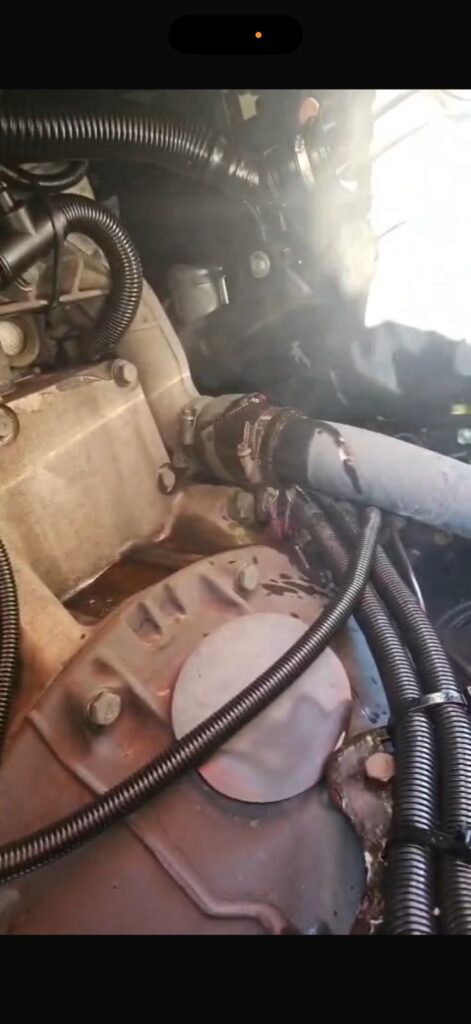
 The call came early in the morning. Short and clear: a semi-truck had slid off a snowy road and was stuck deep in the mud. The driver was unhurt, but the rig wasn’t going anywhere. In cases like this, there’s usually a technical fault involved, so the vehicle can no longer move under its own power. Towing is only permitted when such a fault is present and the vehicle can no longer drive on its own. He needed truck breakdown assistance – and fast.
That’s how a lot of our workdays start at LKWhelp 24.

What actually happened
Winter. Ice-covered road. A MAN semi-truck with a trailer lost control on a forest route. The front wheels slid off the asphalt, and the truck pushed into the soft ground at the roadside. The trailer blocked part of the carriageway. In situations like this, it’s especially important to choose a safe spot to stop so as not to endanger other road users.
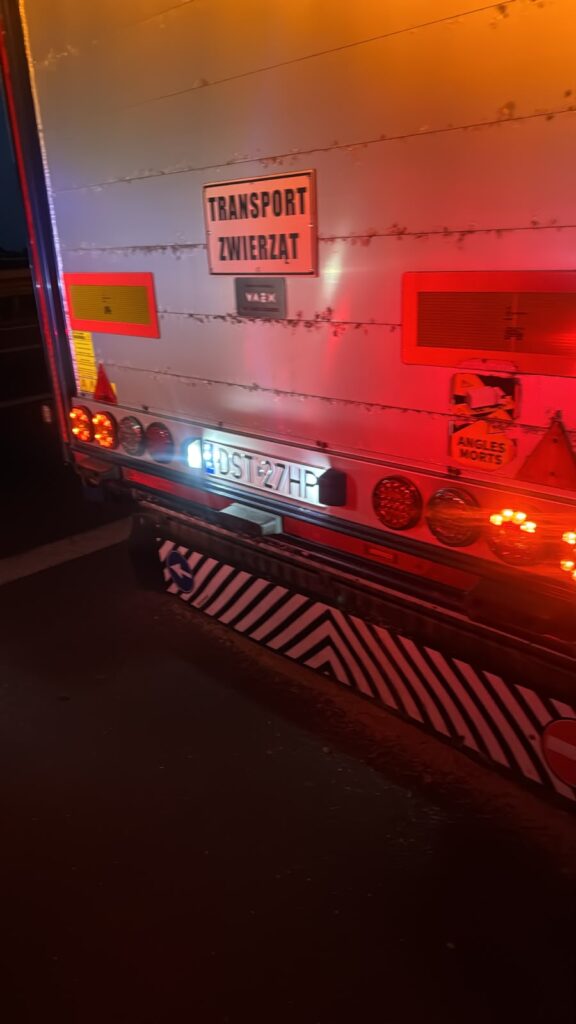
The photos show it clearly: the cab sits at an angle to the roadside, the wheels sunk into the mud. Getting out under its own power – out of the question. During truck towing there’s always a risk of a rear-end collision if safety rules aren’t followed. That’s why extra caution is required during the towing process.
We acted immediately. No subcontractor, no waiting around, no handing the job off to someone else. Our own team, with our own equipment, got in the truck and drove straight to the scene.
Preparing for the tow
Before you tow your car or move another vehicle, thorough preparation is the be-all and end-all. Anyone who’s careful here doesn’t just save themselves stress – they also ensure maximum safety on the road, for themselves, for other road users, and for the vehicle itself.
First, check that you have the right equipment on hand. A suitable tow rope or a sturdy tow bar is essential – and it needs to match the size and weight of your car. Check the towing eyes on both vehicles: they must be intact and easily accessible so the connection holds securely. On modern vehicles especially, the towing eyes are often hidden behind a cover – checking the owner’s manual helps here.
Before you get started, find out about the current rules and regulations for towing in Germany. Strict requirements apply especially on the motorway: you may only tow to the next exit, and the hazard lights must stay on for the entire towing process. The maximum permitted speed is also limited – usually to 50 km/h. Anyone who doesn’t follow the rules risks not only fines and points, but also their own safety.
Don’t forget to carry all the necessary documents, such as the vehicle registration and proof of insurance. In the event of a breakdown or after an accident, a police check can happen quickly. Anyone who wants to be on the safe side should check the owner’s manual’s table of contents in advance for the requirements and specifics of towing their own vehicle.
Not to be underestimated: the cost. Towing services such as ADAC or regional providers offer different rates – depending on distance, time of day, and vehicle type. Find out in advance about towing costs and possible extra fees, for instance for weekend or night jobs. Anyone who needs to move a larger or heavier vehicle should consider whether a trailer or a professional tow truck is the better choice.
When connecting the vehicles, make sure to keep a safe distance and use a stable connection. Use only approved tow ropes or tow bars and attach them only to the designated towing eyes. Wear high-visibility vests, set up a warning triangle, and make sure everyone involved knows the next steps. This is especially critical on the motorway or in poor visibility, to avoid rear-end collisions and other hazards.
In short: if you’re unsure, it’s better to call in a professional towing service. The experts know the regulations, bring the right equipment, and make sure your car is towed safely and in line with the rules – whether in the city, on a country road, or on the motorway. Better to ask one extra time than risk turning a breakdown into a costly accident.
Truck recovery in winter: why it’s more demanding
Anyone who thinks recovering a stuck truck is always the same job is mistaken. In winter, a whole set of additional factors comes into play that makes the recovery significantly harder than usual.
The ground looks frozen on top but is soft underneath. The rig sinks in exactly where you don’t expect it. And once you start pulling, the mud sucks like a vacuum. Not an easy job.
Then there’s the icy road surface to deal with as well. The recovery vehicle has to stand securely on the asphalt, otherwise the cable ends up pulling it in the wrong direction too. We choose the position carefully, secure the recovery vehicle, and check the grip underneath it – all before we even start pulling.
With a semi-truck, the trailer adds to the load. That’s essentially double the weight. Depending on the situation, it can make sense to uncouple the trailer first – but we decide that on site, after a careful assessment of the situation.

Arrival and recovery operation
When our team arrived, the scene matched the description. Cab in the bushes, wheels sunk into the soft ground, trailer sitting across the carriageway.
First: assessing the situation. Where does the ground hold weight? Where doesn’t it? Are there obstacles under the rig – rocks, tree roots, deep ruts? What are the attachment points on the vehicle like?
Then: preparing the recovery position. Our heavy recovery vehicle was positioned on the asphalt at a safe distance. The cable was attached at the correct points – to the truck’s designated tow eyes. Not the bumper, not just anywhere – but exactly where the design allows it.
Then: pulling slowly. No jerking, no yanking. A controlled, steady pull. The first attempts – the mud doesn’t give. Then, inch by inch, the truck starts to move. After nearly an hour, the semi-truck is back on the asphalt.
What comes next
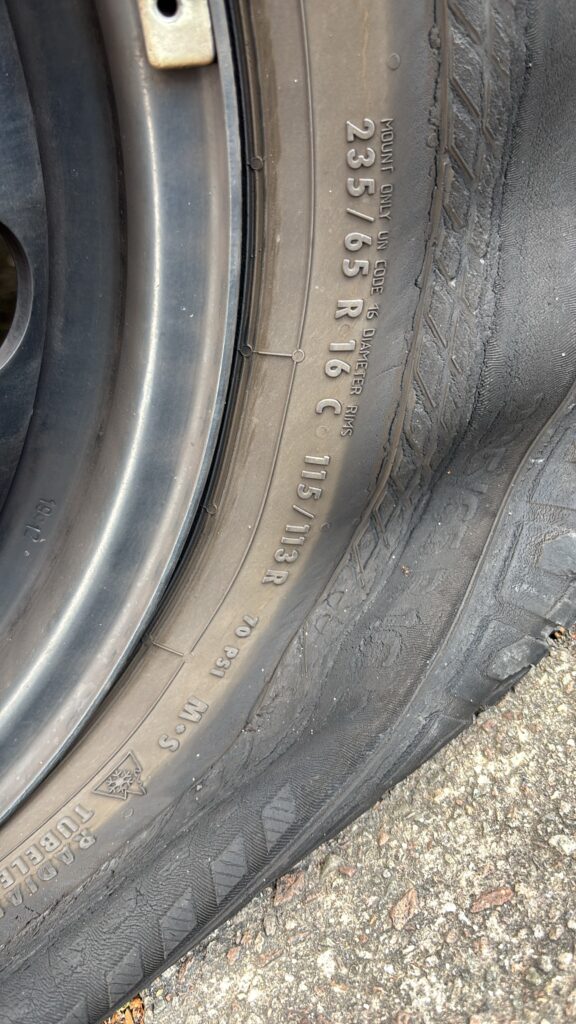
Once the rig is back on solid ground, the work still isn’t over. We check everything systematically: tires for cuts, suspension for deformation, frame for hidden damage. The driver then moves the truck a few meters forward – and we watch closely the whole time.
In this case: no serious damage. Scratches on the bumper from branches, but the mechanics are fine. Cargo undamaged. Driver relieved.
Why truck recovery isn’t a job for ordinary tow trucks
A semi-truck with a loaded trailer can weigh up to 40 tons. A standard car towing service, on the other hand, is built to handle a maximum of 3–5 tons. That kind of equipment simply isn’t up to the job, no matter how you approach it.
For heavy commercial vehicles you need proper equipment for the job: heavy recovery vehicles fitted with winches rated at 20+ tons of pulling force, reinforced cables and attachment points built to handle that load, and a team that genuinely understands how trucks are constructed – where you can safely attach a cable, and where you absolutely cannot.
At LKWhelp 24, this is our core business, day in and day out. Semi-trucks, buses, heavy construction machinery. We know these vehicles inside out, we know exactly where the forces act during a recovery, and we act accordingly.

Who usually gets stuck, and why
Winter is our high season. Ice, snow, sudden thaws – all of it makes roads unpredictable in ways drivers don’t always expect. Especially dangerous: forest routes and mountain roads, which tend to get cleared and gritted less often than main roads.
Driver fatigue is another common factor. After 8+ hours behind the wheel, reaction time drops. A small skid on ice – and it’s too late to correct.
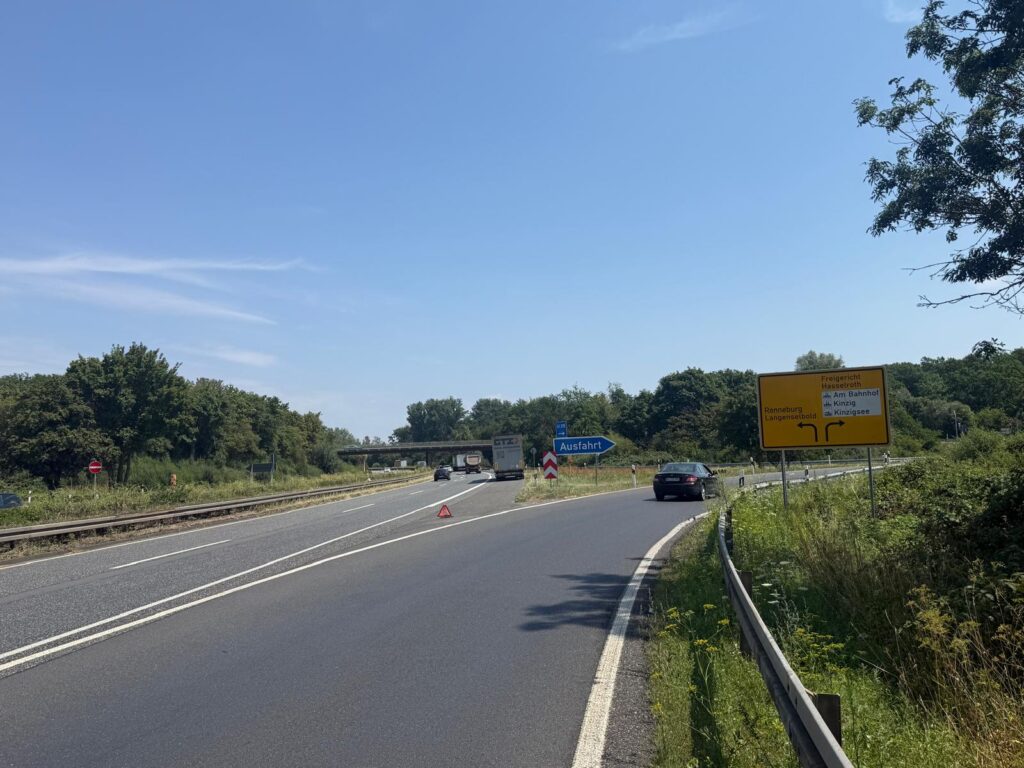
Many cases also happen on off-ramps or rest areas. The driver wants to pull over briefly, drives a bit too far onto soft ground – and gets stuck.
What to do when your truck is stuck: towing tips
First: don’t spin the wheels. Hitting the gas when the wheels are spinning only digs you in deeper. The longer you try, the worse it gets.
Second: assess the situation. Does putting something under the wheels help – boards, stones? Sometimes, yes. But if the rig is truly stuck, every attempt just costs time, and the ground keeps getting softer.
Third: call us. We’re available 24/7, every single day of the year. Not just in the morning, not just during office hours. Trucks drive at night – and so do we.
LKWhelp 24 – who we are
We’re a breakdown assistance service specializing in heavy commercial vehicles. Recovery, towing, roadside breakdown assistance, and everything that comes with it – this is our everyday work, year-round, regardless of weather. We operate across Germany, Poland, and several other European countries.
If your rig is stuck, has broken down, or can’t continue after an accident – give us a call, any time of day or night. We don’t promise miracles. But we get there fast, assess the situation properly, and do whatever needs to be done to get you moving again.
Search terms: truck recovery, pulling a semi-truck out of the mud, truck towing service, truck breakdown assistance, heavy recovery, 24-hour truck help, truck recovery vehicle, truck stuck in winter, semi-truck breakdown assistance, truck towing Germany.